|

SEEN
Somerset Environmental
and Ecological News
|
 |
|
|
|
As we approach the shortest day and longest night, we look forward to celebrating the midwinter solstice, the end of the year, and the arrival of a new one. We enjoy bringing nature into our homes with ivy, holly, and fir trees, and sharing food, drinks, and entertainment with friends, family, and the community.
There are many ways we can enjoy this time of year while caring for our planet. We can give gifts by donating to organisations that support tree planting or nature restoration, regift unused items, or buy pre-loved gifts from local charity shops. We can bake, make preserves, cook a meal, or help someone declutter. Choosing gifts that don’t need wrapping, or using recycled paper and reusable ribbon, helps reduce waste. There are plenty of ways to share kindness without spending much or harming the environment.
Spending time in nature is also a wonderful way to enjoy Somerset and support wellbeing. We’re fortunate to have access to a beautiful countryside restored by the RSPB, Hawk and Owl Trust, Somerset Wildlife Trust, HEAL, Somerset Wildlands, Woodland Trust, National Trust, Somerset Council, and National Landscapes. Even though the days are shorter, visiting a nature reserve in winter offers spectacular displays of migratory birds.
Now is also a good time for home improvements to keep the warmth in as the heating goes on. Clearing gutters, checking roof tiles, and fixing leaks can help prevent damp and keep the heat inside.
This month we share:
And do send in any of your eco stories from the wider community of Somerset to include in these newsletters – contact details at the end of this newsletter.
Best eco seasonal wishes,
Somerset Council Climate Team
|
|
Warmest November on record
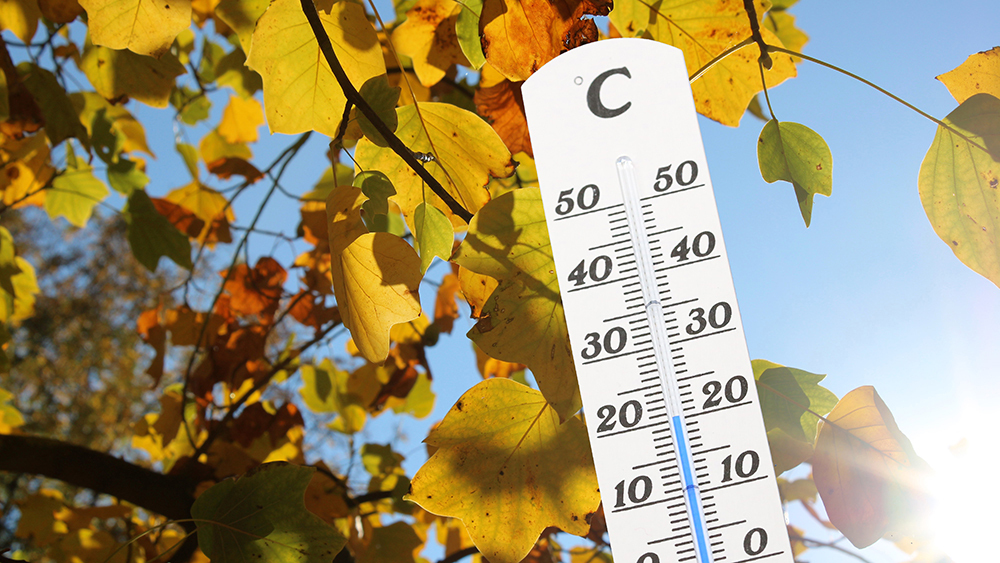 This November has been the warmest ever recorded. On Bonfire Night, temperatures in London did not fall below 14.4°C, and daytime temperatures in Devon reached 18.6°C.
So far this winter, the UK has experienced both frosts and floods, highlighting the instability of our climate. Heavy rainfall is gradually restoring the water table after the long drought in Somerset.
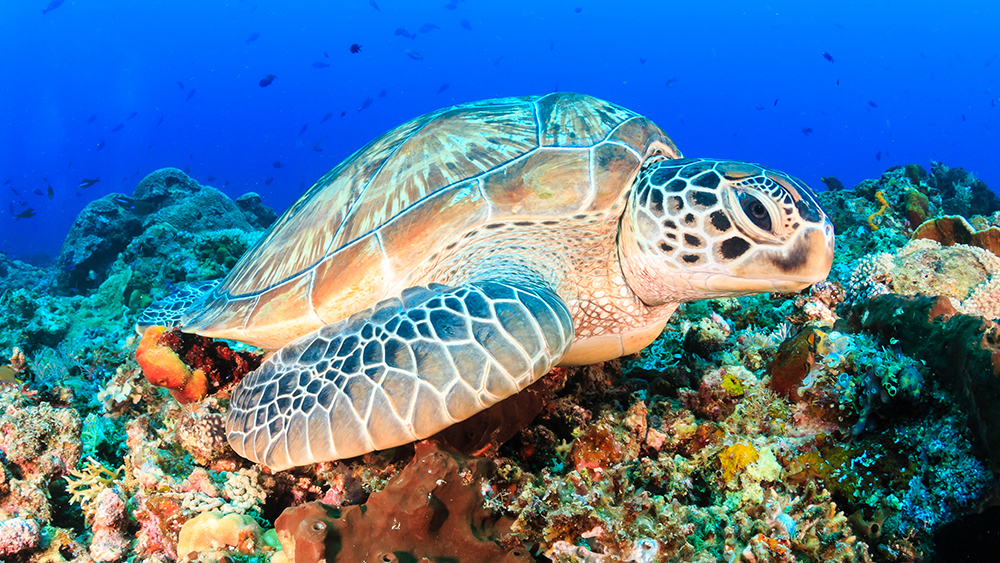 Despite the often-negative headlines, 2025 has brought encouraging progress for the environment.
Here are some of this year’s most uplifting stories.
Increased funding for greener, cooler homes
Credit: DESNZ
The Government’s £7,500 Boiler Upgrade Scheme (BUS) has been extended, now supporting a wider range of technologies to help make homes more energy efficient – keeping you warm in winter and cool in summer.
For the first time, air-to-air heat pumps are eligible for government funding. These units provide both heating and cooling, allowing residents to enjoy comfortable homes during hot summers without relying on fossil fuels.
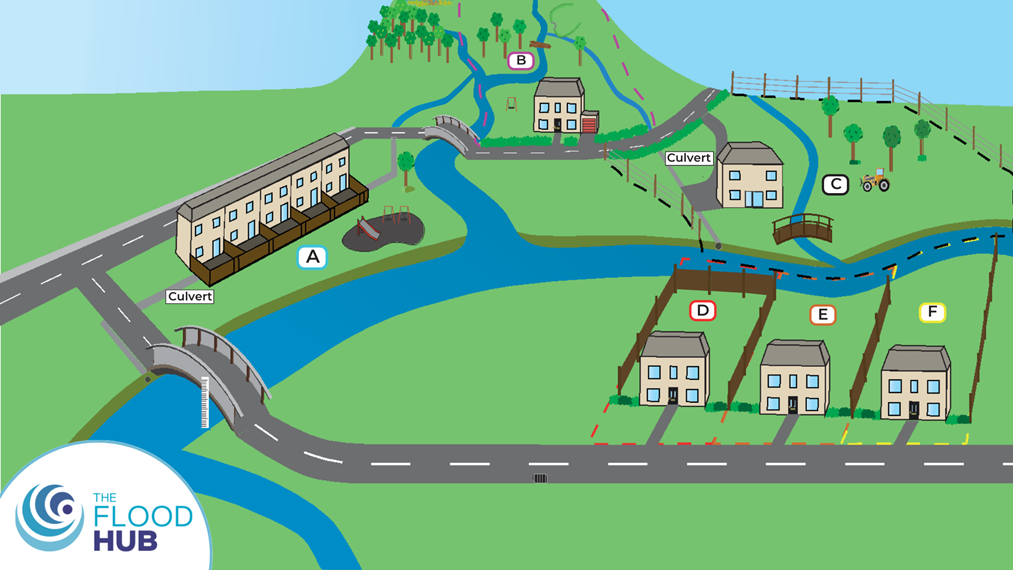
Credit: The Flood Hub
With Somerset’s many rivers, streams, brooks, ditches, drains, and dykes, you may be a riparian owner – meaning you have responsibilities to maintain any waterway on or next to your land. If a watercourse runs through or borders your property, you’re responsible for keeping it clear and flowing, which helps prevent flooding.
To find out if you are a riparian owner and to understand your responsibilities, check out The Flood Hub’s Riparian Owner Toolkit.
 Artificial Intelligence (AI) is now part of everyday life, from sat navs to virtual assistants like Alexa, and advanced tools such as ChatGPT and Copilot. But what exactly is AI, and why does it matter for the environment?
AI refers to digital systems that perform tasks typically requiring human intelligence – such as learning, problem-solving, and decision-making – by processing large amounts of data and recognising patterns. While AI can help us work more efficiently and solve complex problems, it comes with a significant environmental cost.
|
|
Donate IT celebrates 2,000th device donation
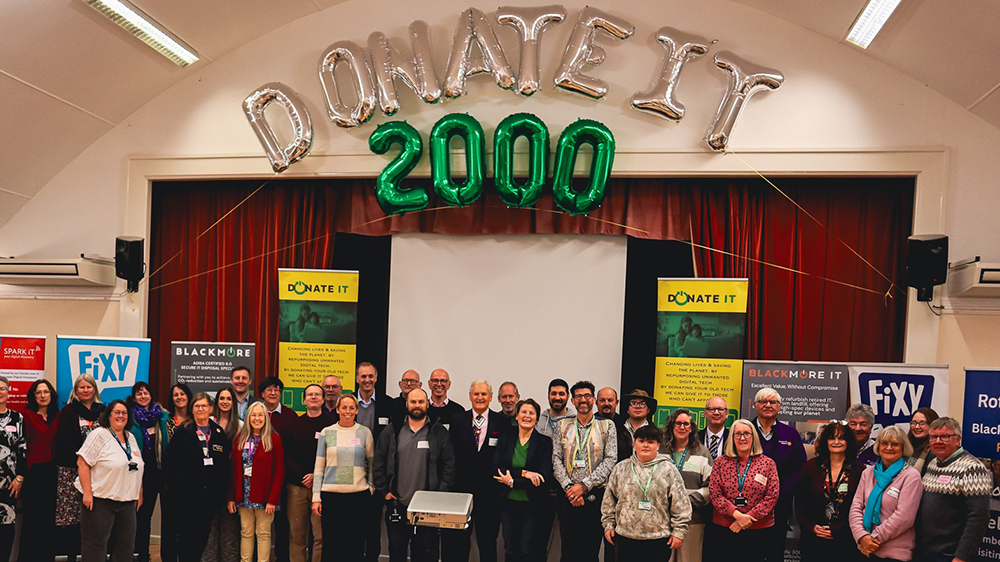 The charity Donate IT has reached a significant milestone, donating its 2,000th refurbished digital device to the Somerset community. Founded during the COVID-19 pandemic by Simon Barfoot of Blackmore UK – a company specialising in e-waste management – the initiative was created to help local people, including children, access digital communication for free when many lacked laptops or tablets for online learning and staying connected.
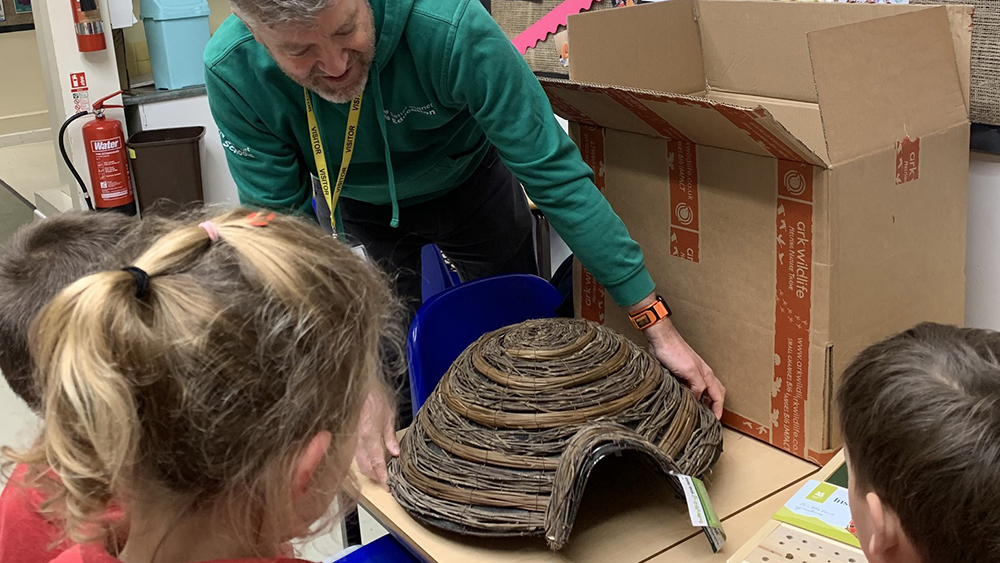
Credit: St Margaret’s CEVA Primary School
At the start of December, Better Planet Education visited St Margaret’s CEVA Primary School in Tintinhull, Somerset, to celebrate a significant achievement.
The school has demonstrated ‘consistently fantastic commitment’ to environmental action through the Better Planet Schools programme, earning the school new equipment for its wildlife area.
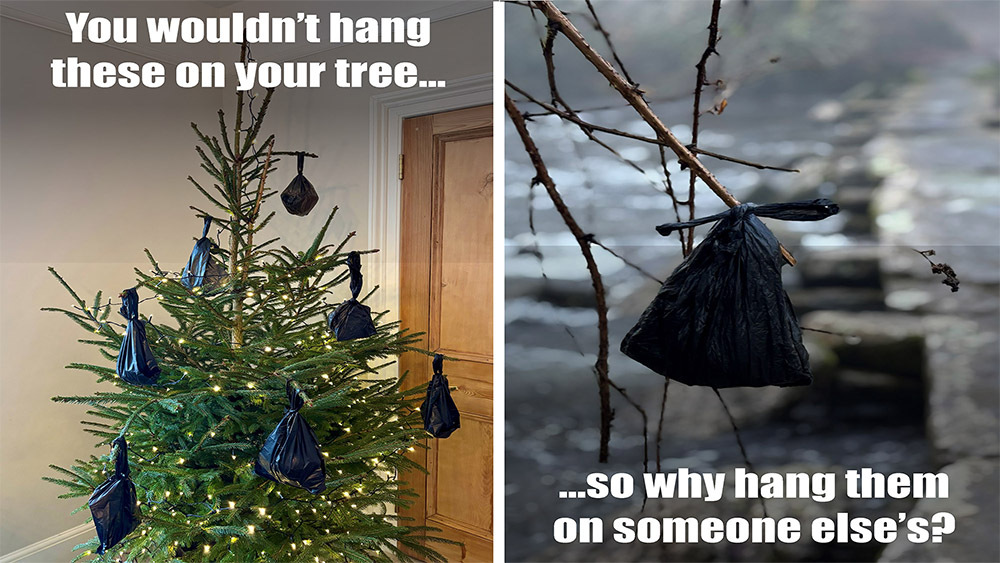
Credit: ENPA
The festive season is approaching, along with the opportunity for wonderful winter walks on Exmoor and Exmoor National Park Authority (ENPA) has heralded a seasonal plea.
ENPA is asking people to treat trees with the same care they afford their Christmas tree, and NOT ‘decorate’ them with dog waste. The initiative encourages dog owners to protect nature and the landscape by taking waste home and dispose of it responsibly, and to never leave bags on trees, fences, or pathways.
 As we welcome 2026, why not make a New Year’s resolution that benefits both your wallet and the planet? Buy Nothing New Month is back, inviting you to join a growing movement of people committed to reducing unnecessary consumption. Are you up for the challenge?
Recent research shows that 76% of UK adults agree we collectively buy too much. The idea is simple: for the month of January, pledge to buy nothing new – apart from essentials like food and medicines. Instead, discover the satisfaction of repairing, reusing, and making more mindful choices.
|
|
The Quantock Hills National Landscape, designated as England’s first Area of Outstanding Natural Beauty in 1956, is protected to conserve and enhance its natural beauty – including landscape, biodiversity, geology, scenic value (such as dark skies and tranquillity), and cultural and historic heritage.
The Quantock Hills National Landscape Partnership brings together local authorities, conservation bodies, government departments, and community organisations to safeguard the Quantock Hills for everyone. Working with partners, landowners, farmers, and organisations, the Partnership ensures the area’s ongoing protection.
|
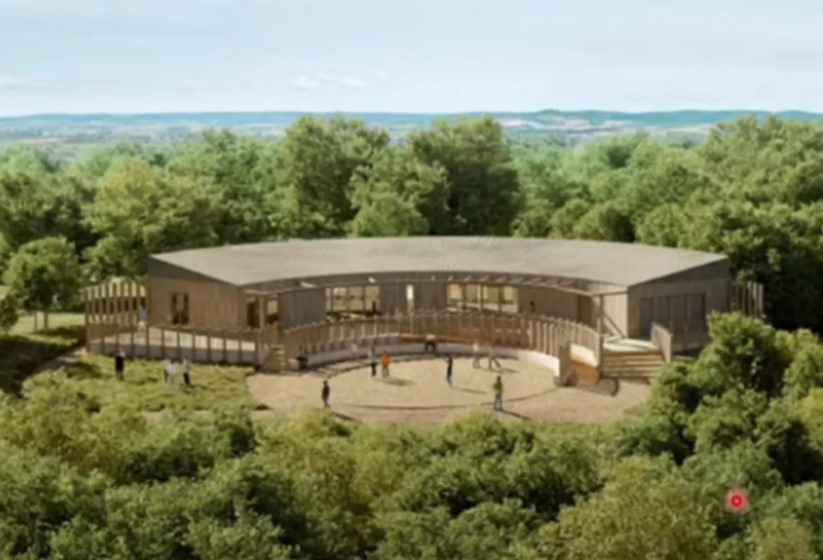
Ham Hill’s new Visitor Centre build is progressing, and we now have some exciting opportunities for people to get involved!
We’re looking for enthusiastic volunteers to help give our visitors the best experience when they come to Ham Hill! This position is based at the Ham Hill Visitor Centre and volunteering sessions are in blocks of 2 hours, so perfect for someone with just a couple of hours to spare.
|
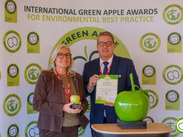
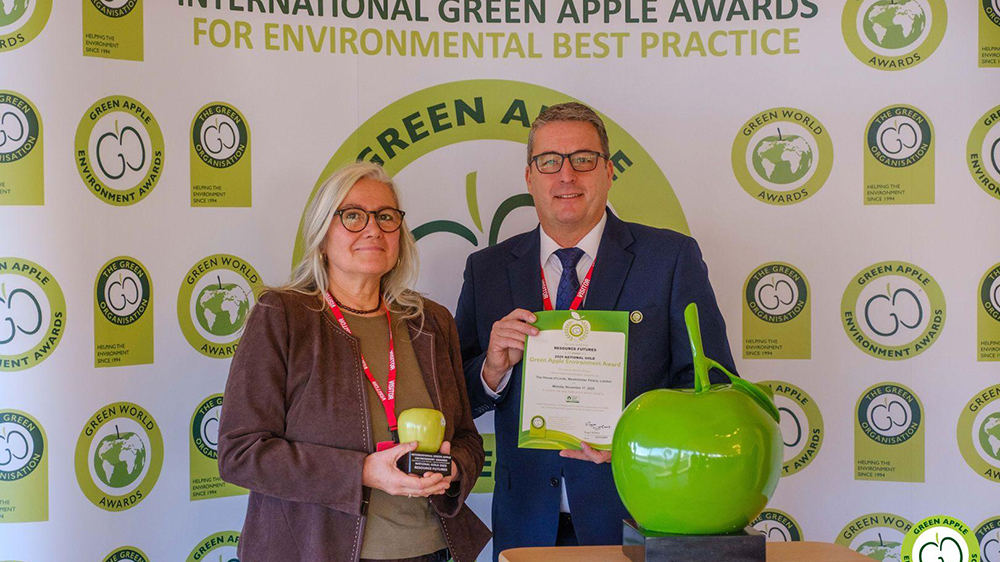
A massive well-done to the Fixy team, recently receiving an International Green Apple Environment Award at the House of Lords.
We originally partnered with Resource Futures and Donate IT to implement Fixy, bringing electrical repair and reuse directly to our communities. Since 2022, the initiative has prevented more than 13,400 kilograms of electrical items from going to waste.
|
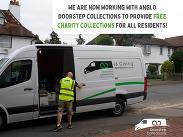
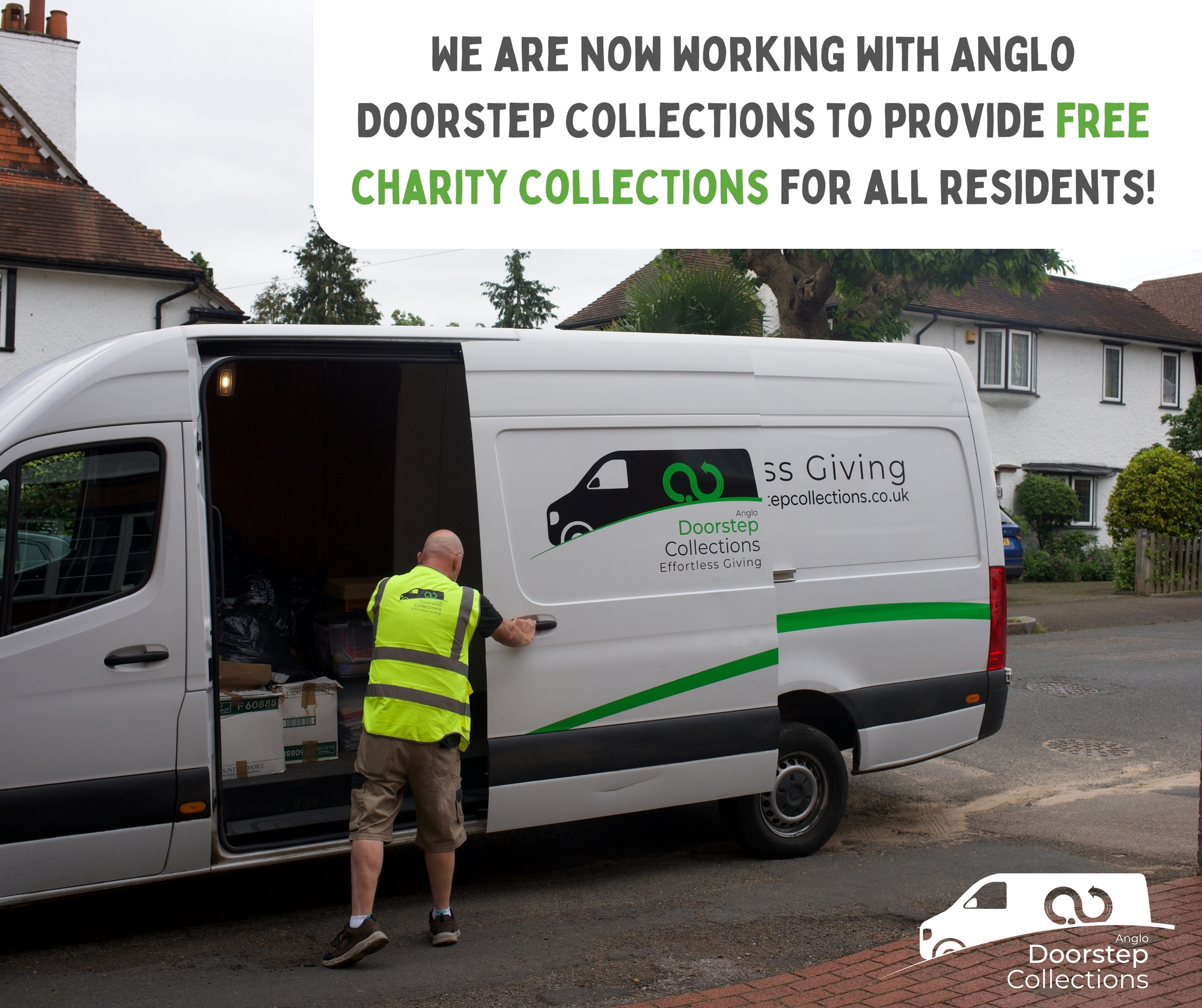
We’ve recently teamed up with Anglo Doorstep Collections, who provide a free doorstep collection service for preloved reusable clothes, shoes, and small household items.
The service is completely free and boxed up items can either be handed directly to the collector or left outside if you’re not at home.
|
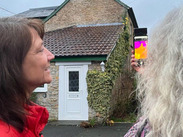
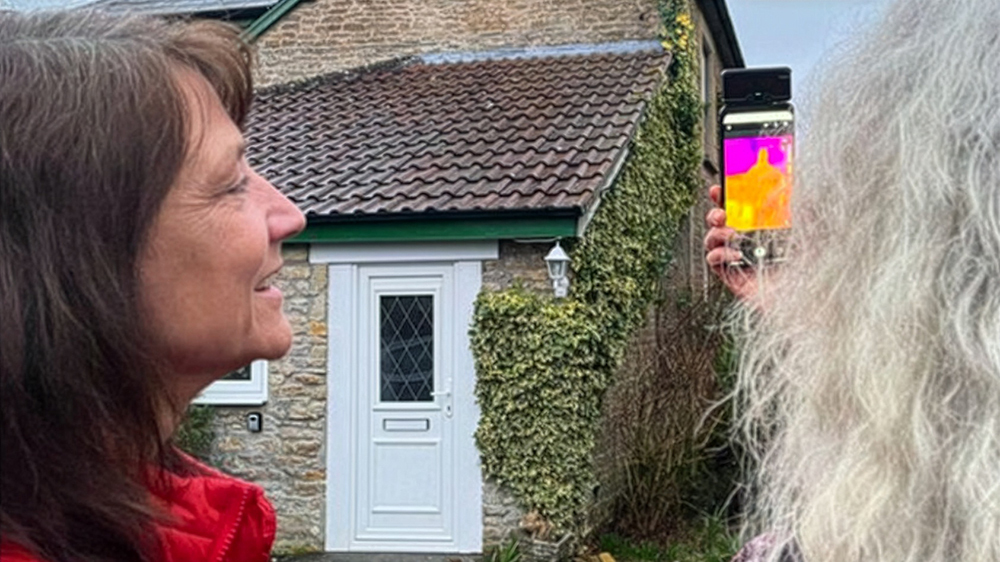
We’re loaning thermal imaging cameras that can be used with your smartphone or tablet to help you identify where heat is escaping from your home. These cameras are available to borrow from our library service for up to 3 days, ideally during cold, cloudy weather.
With your heating on, simply use the camera to spot areas where warmth is leaking – such as through uninsulated roofs, gaps under doors, or around windows. The process is straightforward, and a helpful guide is provided to get you started.
|
Ham Hill connects habitats with trees for National Tree Week
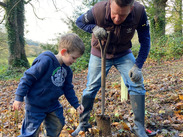
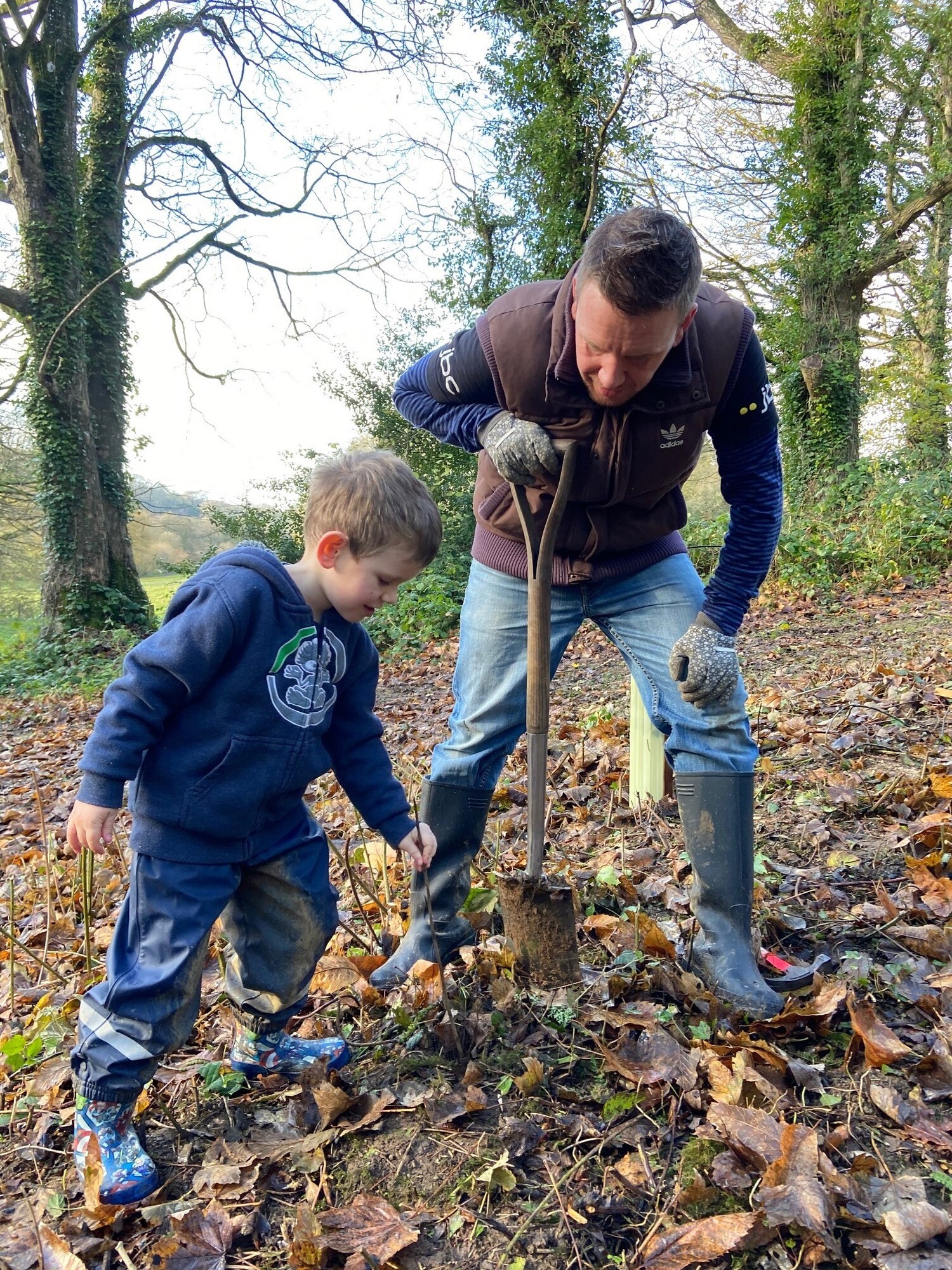
During National Tree Week (22 to 30 November), which marked the start of the 2025 tree planting season, the team at Ham Hill led a major tree-planting initiative.
Thanks to support from Carbon Aware Productions and Ham and Doulting Stone, rangers, volunteers, and local community members came together to plant 3,000 native trees.
|
|
|
Free trees for your community
 Somerset has some of the lowest tree coverage in the country. While certain areas, such as peatland are unsuitable for planting, there are many places where trees and hedges can thrive.
Reimagining the Levels is a community-led organisation supporting tree planting across Somerset. Their work helps reduce flooding, connect habitats to support biodiversity, and create shade and windbreaks as our climate changes.
If you’re a landowner or part of a community with space for trees or hedges – or if you’d like to volunteer to help with planting this season – visit reimaginingthelevels.org.uk or email katetowers.rtl@gmail.com.
Root for Somerset: Add your trees to the Somerset Tree Planting Register
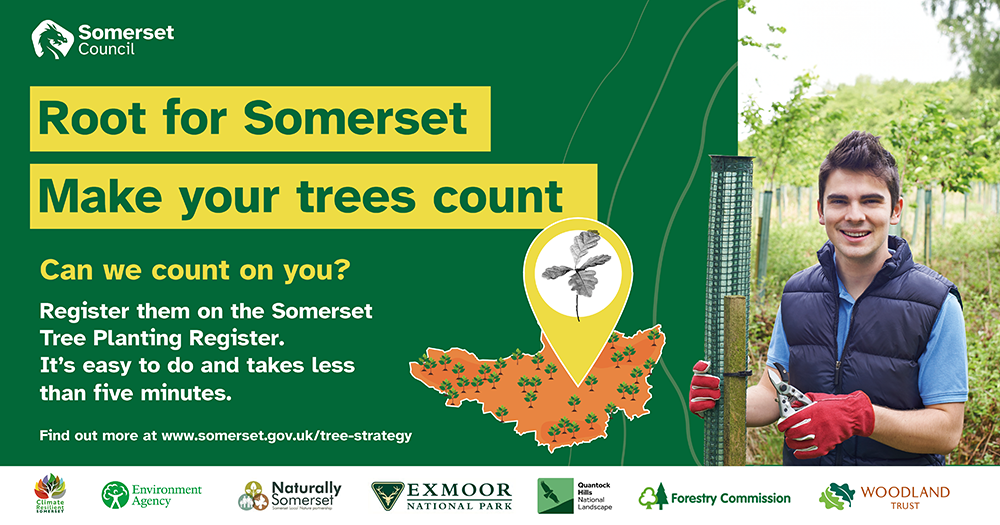 We’re inviting everyone who has planted – or plans to plant – trees to ‘root for Somerset’ by adding them to our Somerset Tree Planting Register.
As part of our 10-year Somerset Tree Strategy, launched in summer 2023 and developed with partners such as the Woodland Trust and the Environment Agency, we aim to plant 240 hectares (93 square miles) of new trees each year until 2033. The goal is to bring the county’s tree coverage up to at least the national average.
|
|

Visit our Grants and funding page to see what opportunities are available for your community environmental project, from tree planting and flood resilience to energy efficiency upgrades.
Whether you’re looking to green your home, business, or neighbourhood, you’ll find practical advice, funding options, and inspiring local initiatives to help you make a difference.
Together, we can build a climate-resilient Somerset.
|
|
|
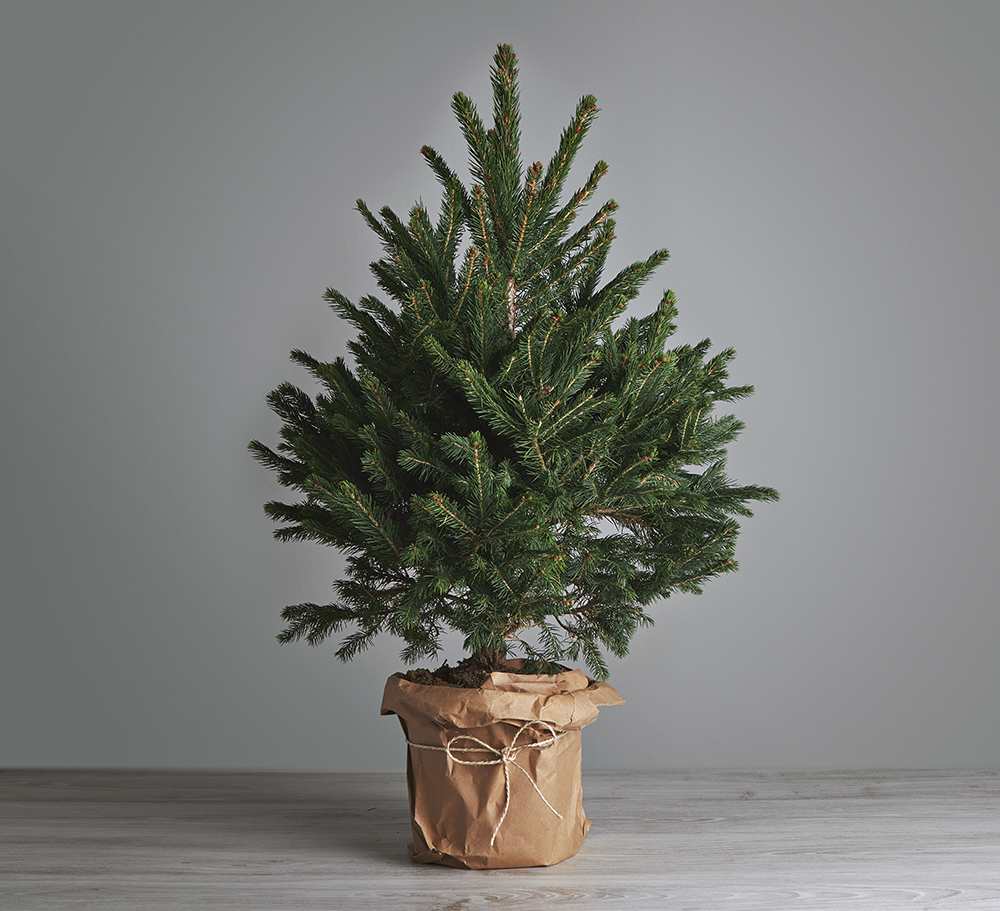
Which Christmas tree is greener?

As winter arrives and we decorate our homes, many of us wonder: is a real or artificial Christmas tree better for the environment?
While artificial trees can be reused for several years, most are made from oil-based plastics. Their overall environmental impact is often greater than that of a real tree, even with repeated use. The greener choice is a UK-grown real Christmas tree.
|
As we enter a new year, it’s a great time to adopt positive habits that benefit both our wellbeing and the planet.
Here are 10 practical eco tips to help you make a difference ...
|
|
|
 This is your newsletter, and we want to hear about the great environmental work happening where you live, or what you do to make a difference every day with your brilliant eco hacks and tips.
You can make suggestions about what you would like to see more of in future editions of SEEN and have your say on previous stories and topics.
We would love to hear from you.
Get in touch at climateemergency@somerset.gov.uk.
|
|
|
|
|