|

SEEN
Somerset Environmental
and Ecological News
|
 |
|
|
|
Welcome to the April 2026 edition of SEEN.
April is one of our favourite months. Longer daylight brings fresh leaves on the trees and blossom everywhere, from spring bulbs to fruit trees.
Now is also a great time to sow wildflower seeds in gardens and pots to support pollinators through summer. Birds are busy nesting too. Help by putting out fresh water and, if you wish, seeds for the next month (then let caterpillars take over as the main food source for chicks).
Spring can also bring a round of cleaning and home projects. With fuel costs rising, hotter summers and wetter winters, it’s worth exploring how to make your home more resilient. Retrofitting can improve energy efficiency, add low-carbon technologies and create healthier homes through better ventilation and stable indoor temperatures.
Recently, as astronauts witnessed a fly-by of the Moon’s far side, they reflected on how wondrous Earth is, and how carefully we must look after the life-support system that sustains us. Christina Koch put it beautifully:
“I found myself noticing not only the beauty of the Earth, but how much blackness there was around it, and how it just made it even more special. It truly emphasised how alike we are, how the same thing keeps every single person on planet Earth alive.”
Just before the spacecraft passed behind the Moon and lost contact with Mission Control, Victor Glover added:
“As we continue to unlock the mysteries of the cosmos, I would like to remind you of one of the most important mysteries there on Earth, and that’s love. To all of you down there on Earth and around Earth, we love you from the Moon. We will see you on the other side.”
It’s a powerful reminder: there is no Planet B.
There are many ways to do our bit: cut carbon, support nature, grow food and generate renewable energy. These steps can also boost health and wellbeing.
We hope you enjoy this edition of SEEN. Top stories this month include:
Do send in your eco stories from across Somerset. Contact details are at the end of the newsletter.
Best eco wishes,
The Climate Team Somerset Council
|
|
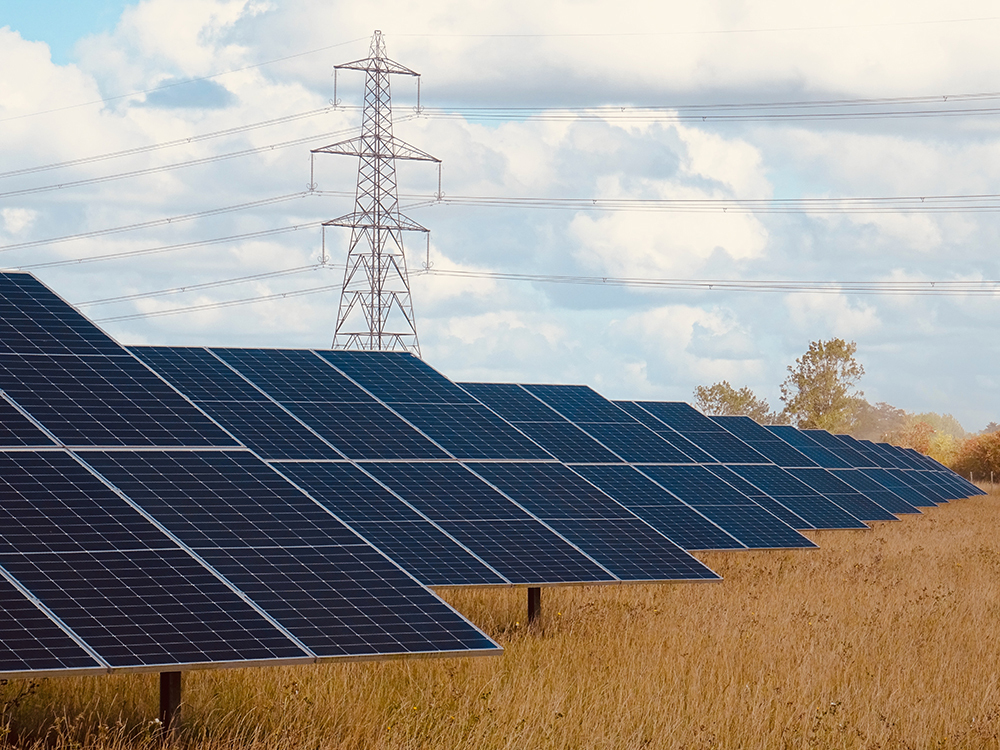
Great Britain breaks solar generation record
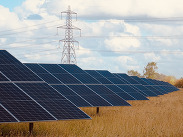
Great Britain has broken the maximum solar generation record, producing over 14.4 gigawatts (GW) of electricity – enough to power around 11 million homes across the country and helping to create a resilient and secure energy system.
This is helping the UK to reduce its reliance on fossil fuels to power our homes, businesses and transport creating a cleaner, more efficient localised energy system.
|
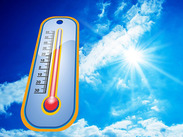
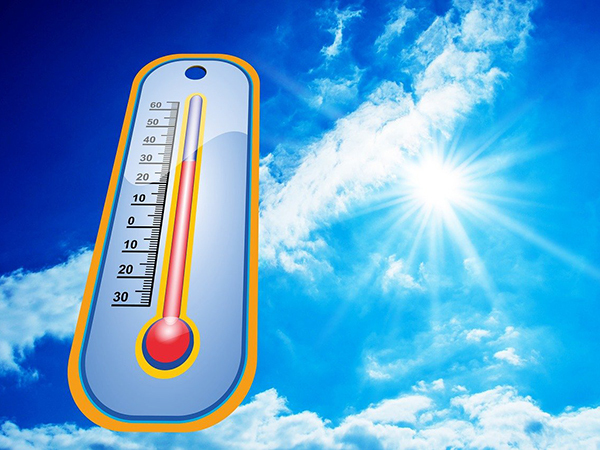
Human-caused climate change is driving more intense heatwaves. Like the UK, Japan is seeing more summer days above 40°C, and last year was its hottest summer on record.
Japan has now introduced a new word for these days: kokushobi. Japanese and international media have translated it as “cruelly hot”, “brutally hot” or “severely hot”.
|
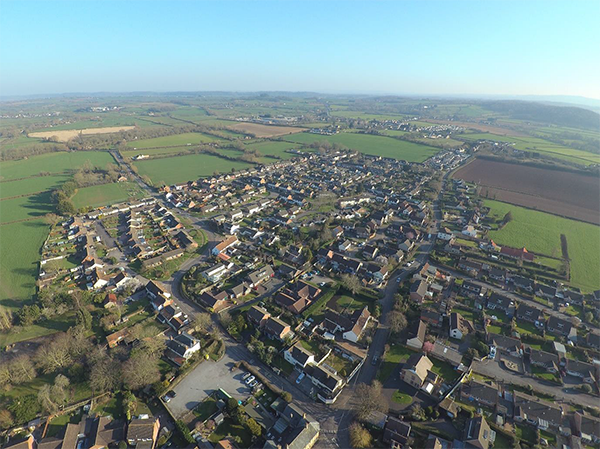
Planning for the future: England’s first Land Use Framework
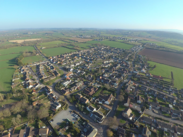
Defra has published its new Land Use Framework, a policy designed to optimise how land in England is used across nature, food, energy, housing and climate adaptation.
It sets out principles and a shared approach to mapping land use, informing local planning and supporting decision-making. The aim is to help balance competing needs and deliver the best outcomes, so that food, nature and climate goals sit alongside energy, housing and business infrastructure.
|
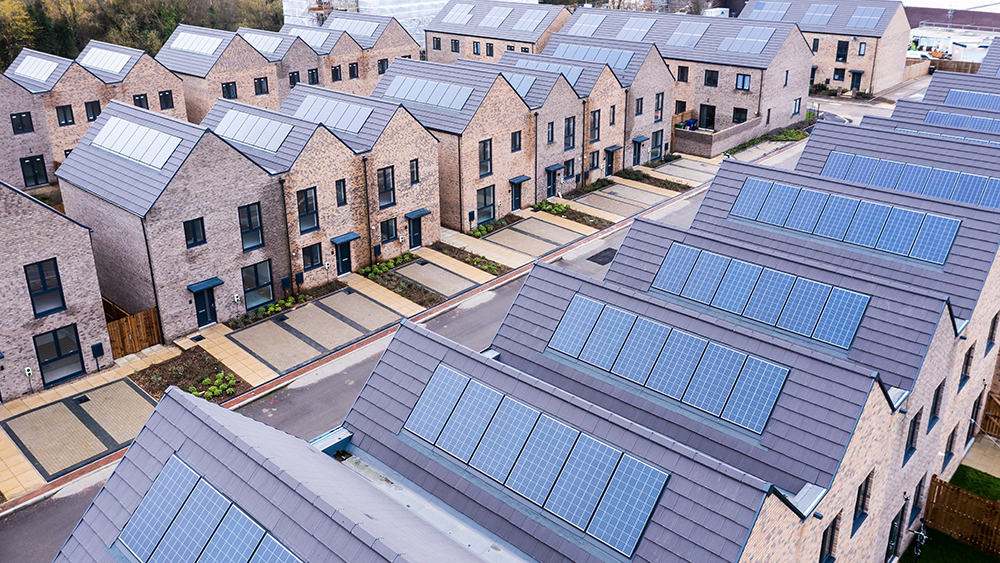
Future Homes Standard: solar and low-carbon heating set to become the norm in new builds
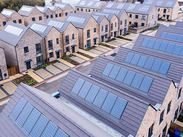
If you care about Somerset’s carbon footprint, it’s worth keeping an eye on a big change happening in the background: the Future Homes Standard.
It updates England’s building regulations so that new homes are built to a much higher energy-efficiency bar, with low-carbon heating and on-site renewable electricity expected to become standard, rather than optional extras.
|
|
|
Somerset resident’s heat pump journey with Thermly
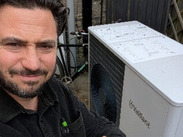
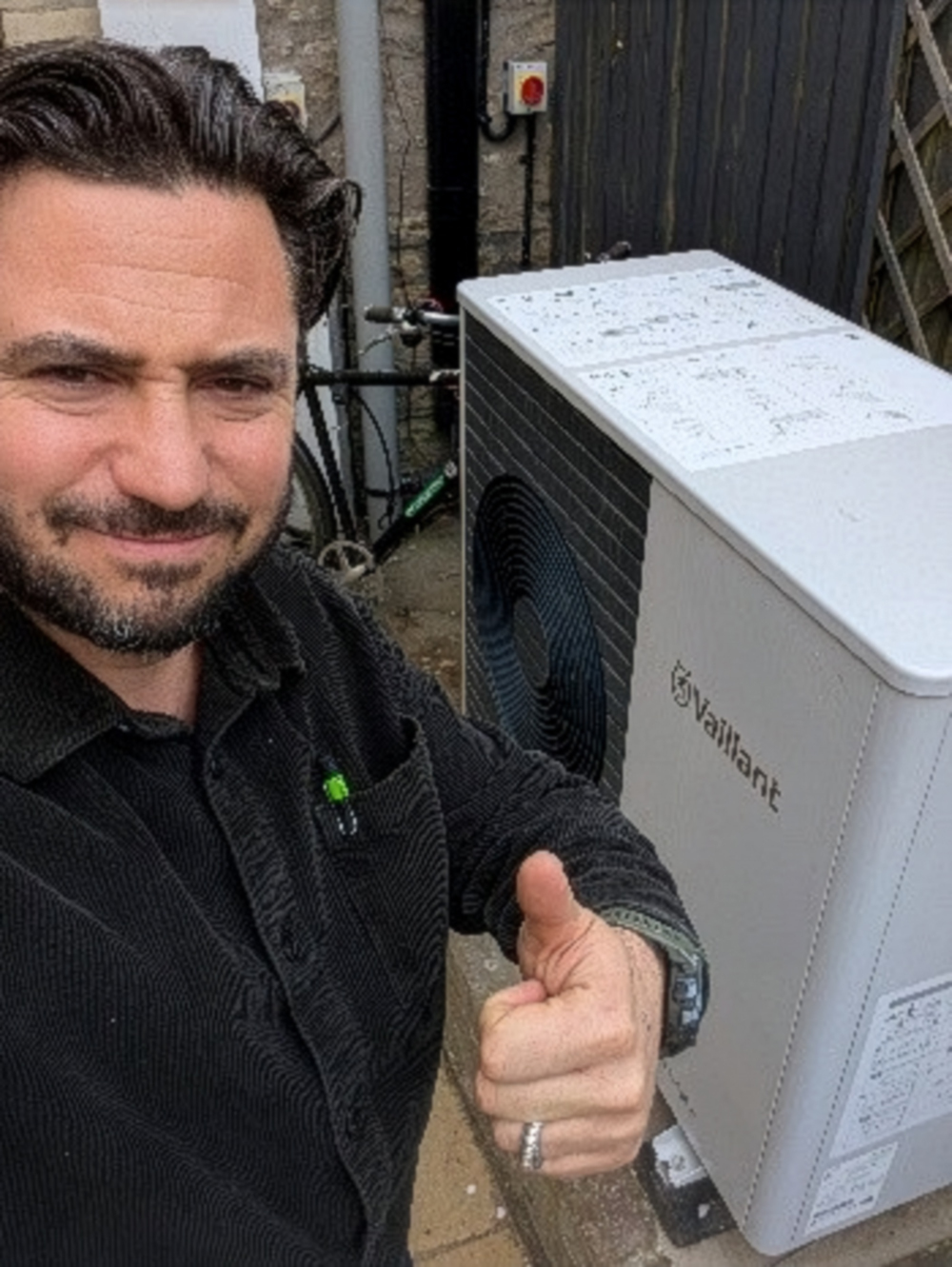
Frome homeowner Matt has had solar panels on his house since 2021. For him, going fully electric and adding an air source heat pump to his home energy system was the logical next step.
Thermly is an independent green-tech start-up and Certified B Corporation. It focuses on helping Somerset homeowners make informed, confident choices about green energy technologies, such as solar panels, heat pumps and batteries.
|
Seed libraries: swap, sow and share
Did you know some Somerset libraries now run community seed libraries? You can pick up free seeds for growing food and pollinator-friendly flowers, and (when you can) return seeds you have saved for others to use.
Seed libraries are already operating at:
Seed share boxes are also available at Yeovil District Hospital and Taunton Musgrove Hospital libraries (for staff, patients and visitors); and Glastonbury and Street libraries are setting up seed libraries this year.
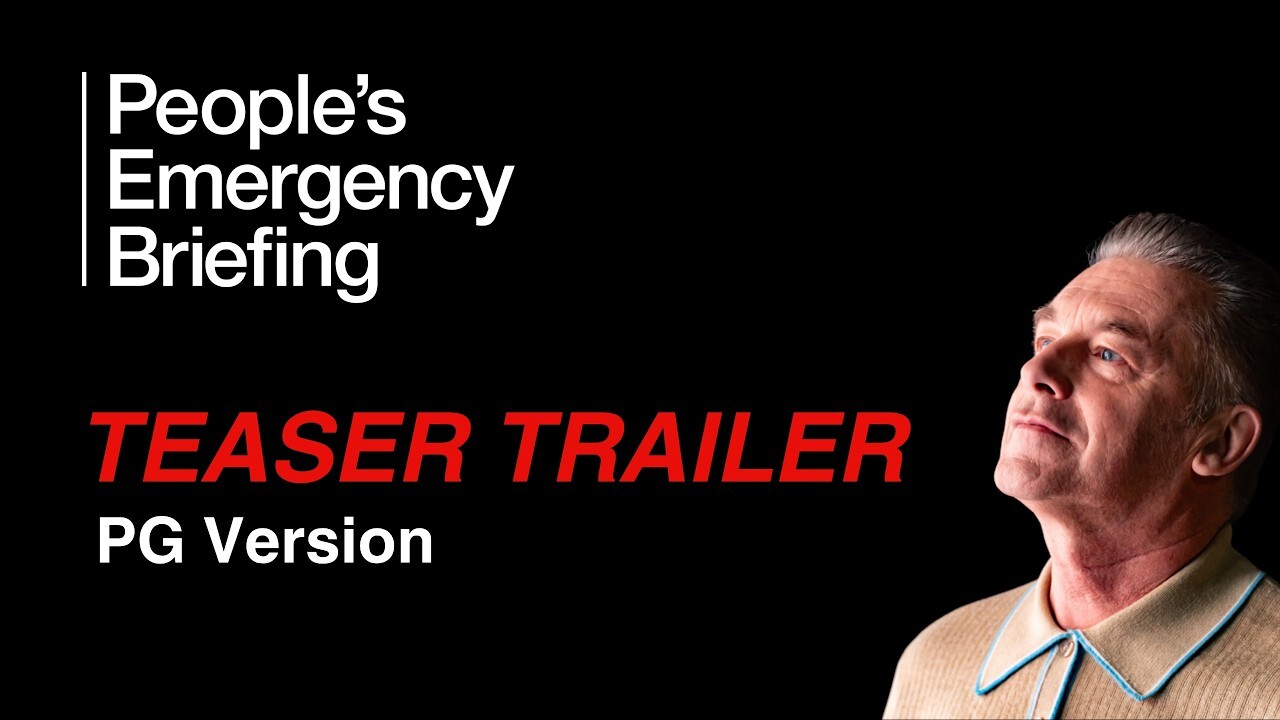
Last November, 10 of the UK’s leading experts briefed an invited audience of more than 1,200 politicians and leaders from business, culture, faith, sport and the media. The People’s Emergency Briefing set out the implications of climate and nature breakdown for health, food systems, national security and the economy.
A 45-minute film has been made from the event, titled The People’s Emergency Briefing.
|
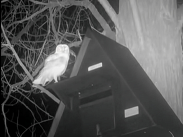
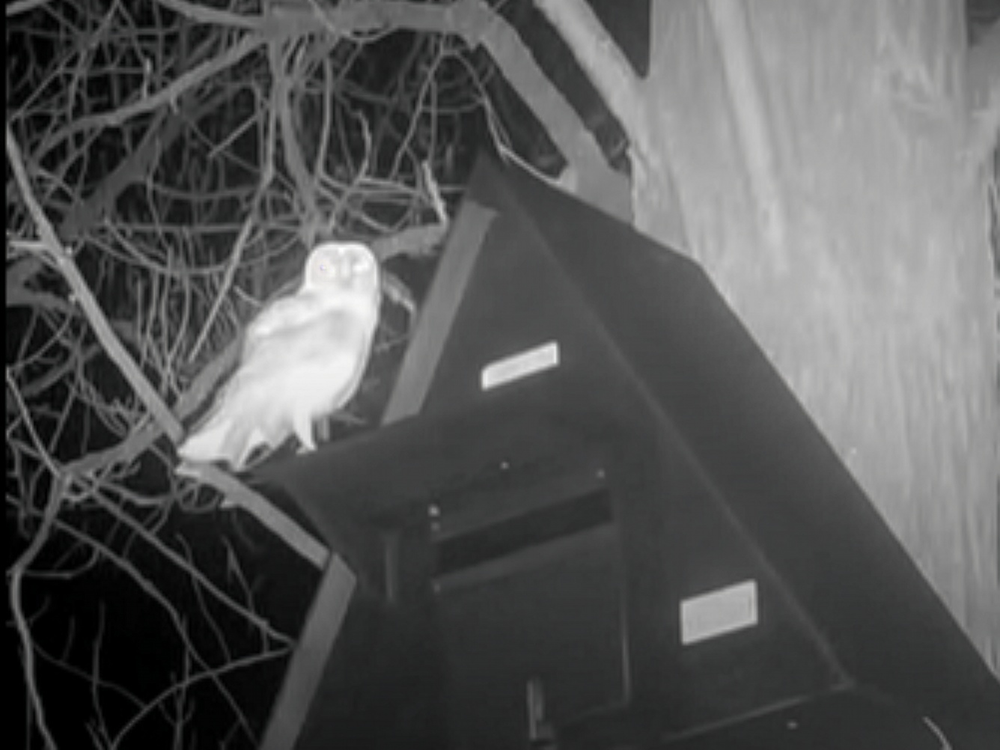
The Babcary and Area Farm Cluster Owl Project is a collaborative initiative between local farmers, landowners and the Hawk and Owl Trust, working together to create a stronger future for both farming and nature in South Somerset.
This project aims to bring farmers and landowners together to create a connected network of wildlife corridors across the landscape. By linking farms and landholdings through carefully managed habitats, the project moves away from isolated pockets of nature and instead creates a joined-up area that allows wildlife to thrive.
|
|
|
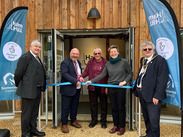
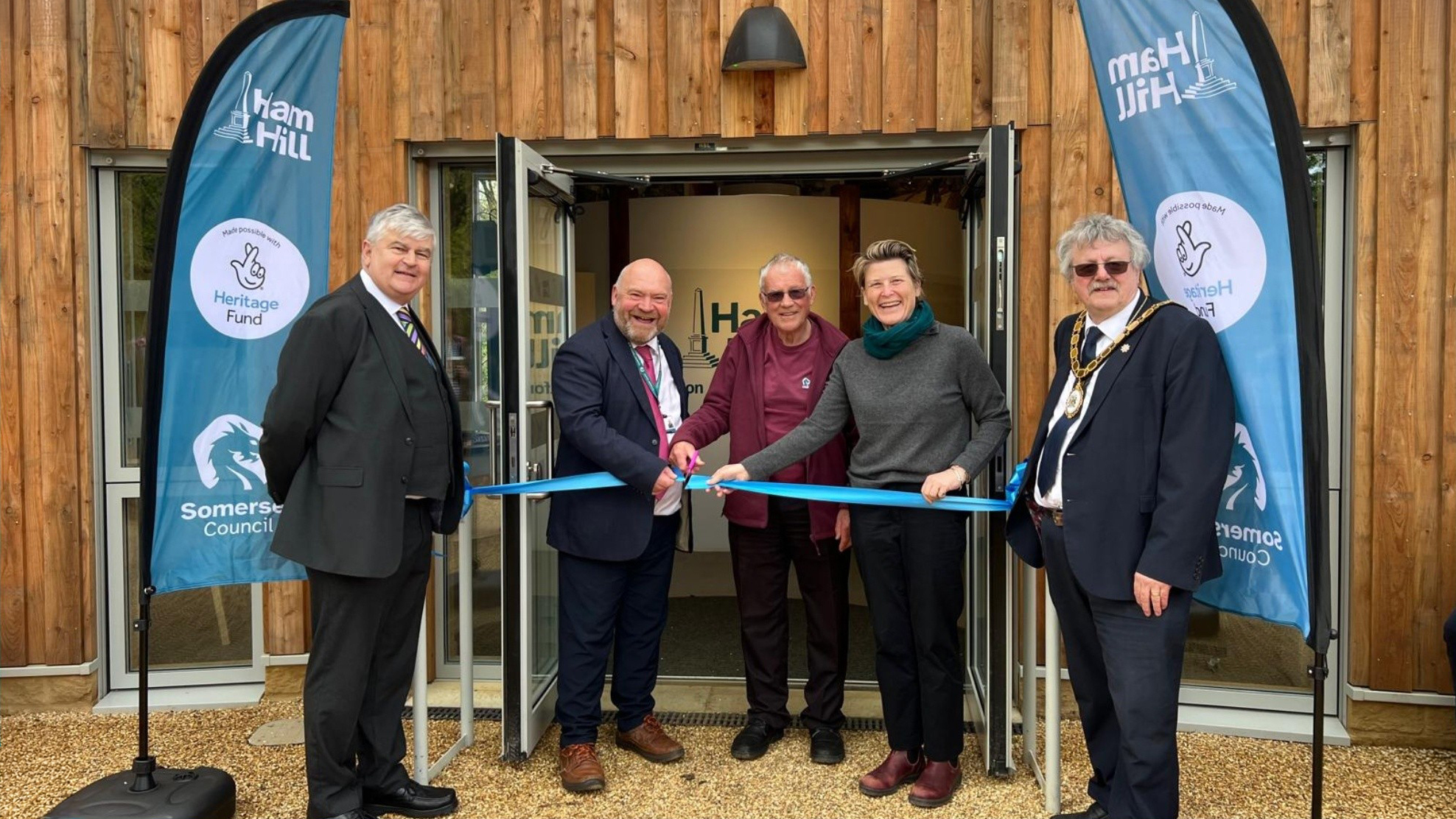
Ham Hill Visitor Centre and Lime Kiln Café officially opened on 16 April, with special guests joining us to celebrate the hard work and commitment that has gone into the Uncovering Ham Hill’s Past for its Future Project over the past 4 years.
Hundreds of visitors enjoyed free celebratory activities, including guided walks, Roman re-enactment, bug hunting and owl displays.
|
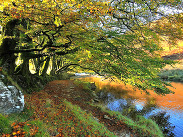
The Somerset Conference of the Trees takes place on Friday 12 June at Orchard Park Farm, near Shepton Mallet (BA4 6SF). It’s a celebration of our trees and woodlands, exploring woodland ecology, rewilding, and how trees support wellbeing, timber and climate action.
Organised by our Senior Tree Strategy Officer, James Chapman, speakers include Ben Goldsmith (Rewilding the World), Merlin Sheldrake (Entangled Life) and Emma Fitchett, with workshops covering ecological surveys, timber in architectural design, and guided sessions to connect with trees.
|
|
|

Visit our events calendar for a fantastic array of upcoming climate-related activities designed to engage and inspire you – our SEEN community!
Whether you’re interested in environmental conservation, local wildlife or simply looking for a fun day out with the family, these events provide the perfect opportunity to connect with like-minded individuals and learn something new.
Similarly, if you’re holding an eco-event of your own, email us at climateemergency@somerset.gov.uk so we can tell our readers.
|
|
|
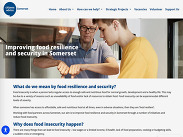
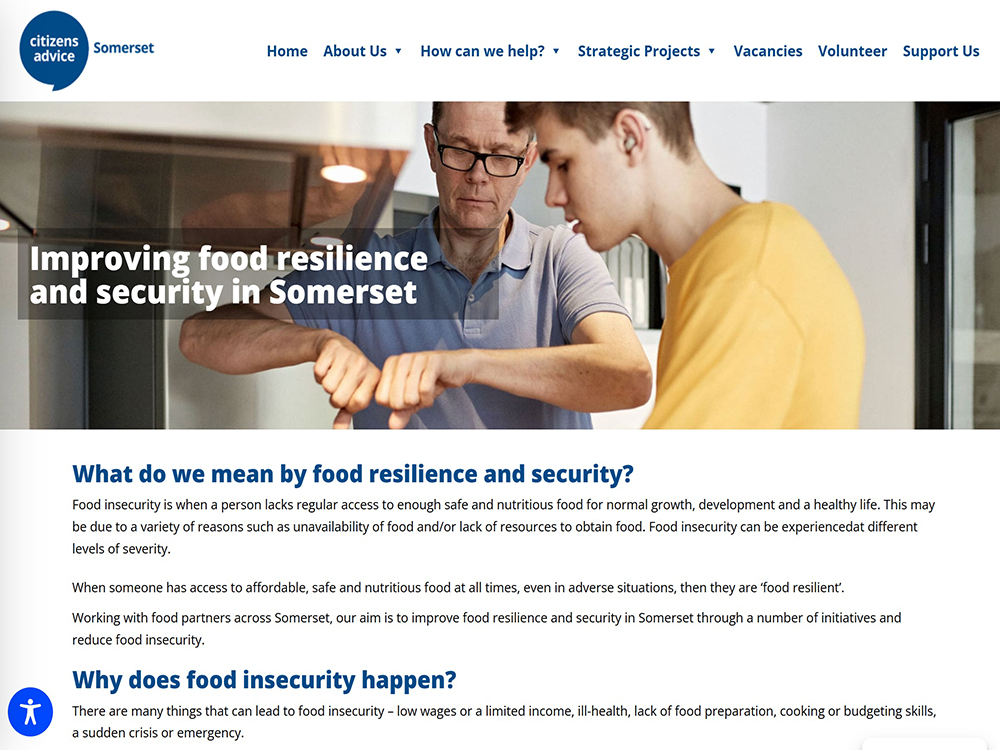
Citizens Advice Somerset has pulled together practical guidance and tools to help communities strengthen local food resilience – from understanding food insecurity and how to respond, to joining the Somerset Food Resilience Network, finding local support through the interactive Food Resilience Map, and keeping up with food events and activities.
If you’re running (or thinking of starting) a project such as a pantry, fridge, larder or growing initiative, this page is a useful starting point for best practice, connections and next steps.
|
|
|

Our grants and funding page is a one-stop resource for individuals, communities and businesses looking to take climate-positive action.
From waste reduction and energy efficiency to sustainable transport and wellbeing, the page showcases a range of live funding opportunities, including support for community-led environmental projects, fuel-poor households, and small businesses aiming to cut carbon.
Whether you’re planting trees, insulating homes or greening your operations, these grants are designed to help Somerset thrive in a low-carbon future.
|
|
|
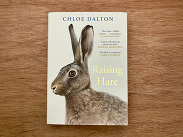
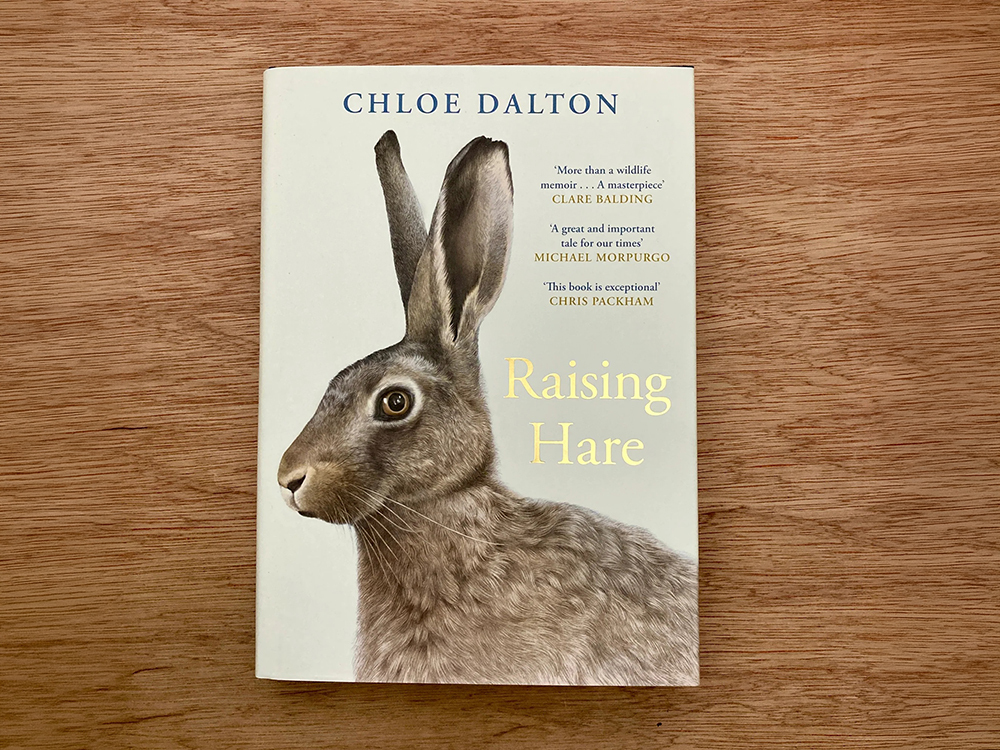
Raising Hare is a warm, sharply observed memoir about an unexpected relationship between author and a wild leveret (a baby hare) rescued in the countryside. As Chloe Dalton learns how to care for an animal that remains instinctively untameable, the story becomes a gentle meditation on attention, trust and what it means to share space with wildlife. It is a reminder of how much we can relearn when we slow down and notice the more-than-human world around us.
To find out more (including a synopsis and information about the author’s wider work to protect hares), visit chloedalton.uk/raising-hare.
|
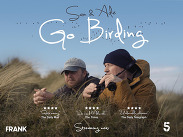
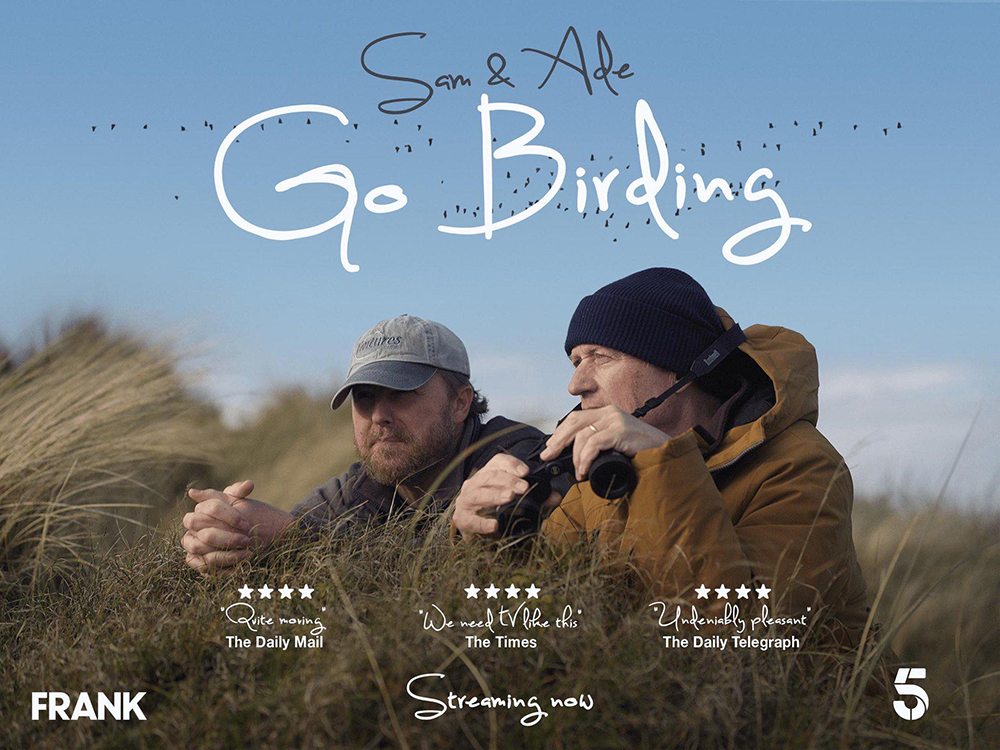
If you love the Somerset Levels and want a gentle nudge to get outside, Sam and Ade Go Birding is a warm, funny 3-part series that pairs long-time birder and RSPB ambassador Sam West with his friend Ade Edmondson, a birding beginner. Their weekends on reserves and wild coasts include a visit to the Somerset Levels, where the programme celebrates the simple joy of noticing wildlife and how time in nature can help us slow down, pay attention and reconnect.
The series airs on Tuesday evenings on Channel 5 (now branded “5”) and is also available to stream on the 5 platform. For programme details and updates, see the RSPB’s official write-up on its How to go birding page.
|
|
|
 This is your newsletter, and we want to hear about the great environmental work happening where you live, or what you do to make a difference every day with your brilliant eco hacks and tips.
You can make suggestions about what you would like to see more of in future editions of SEEN and have your say on previous stories and topics.
We would love to hear from you.
Get in touch at climateemergency@somerset.gov.uk.
|
|
|
|
|