|

SEEN
Somerset Environmental
and Ecological News
|
 |
|
|
|
Hello SEEN readers,
Welcome to the August edition of SEEN. It has been an unforgettable summer, with 5 heatwaves by mid-August, temperatures regularly above 30°C and very little rain. Much of the country is in drought, with hosepipe bans in place across parts of England and Wales, including Wessex Water’s first restrictions in 50 years, affecting parts of Somerset, and some streams reduced to a trickle or drying up.
The dry weather has put pressure on rivers, streams, farms and wildlife. Some farmers are already feeding livestock with winter feed because grass has stopped growing, while crop yields have been affected. These conditions underline the need to adapt, from improving reservoirs, water capture and storage to growing more drought-resilient crops and reducing the amount of water lost through leaks, with around 19% of water entering distribution in England still lost before it reaches properties.
Homes, schools and health and care settings also need to be better prepared for hotter weather. The health risks of extreme heat are becoming clearer, with UKHSA reporting a general trend of increasing heat-associated deaths during heat episodes in England, particularly affecting older people and those with existing health conditions, so practical steps to keep buildings cooler and protect vulnerable residents are increasingly important.
Hotter, drier summers can affect nature too. Bees and other pollinators may struggle when plants dry out, while some species have done well this year, including butterflies, moths such as the well-camouflaged Buff-tip moth, and birds such as swifts and house martins.
This month, we look at ways to respond to hot, dry conditions, including saving water, supporting wildlife and reducing wildfire risk. Fire and rescue services in England and Wales had responded to 1,132 wildfires by 16 August 2026, showing why practical prevention matters.
If you have tips on keeping your home cooler, saving water or growing drought-resistant food plants, please let us know.
We hope you enjoy this edition.
Top stories this month include:
Please do send us your eco stories from across Somerset. You’ll find our contact details at the end of the newsletter.
Best eco wishes,
The Climate Team, Somerset Council
|
|
What El Niño means for a warming world

El Niño is the warm phase of a recurring climate pattern in the tropical Pacific that releases heat from the ocean into the atmosphere. This can temporarily raise global temperatures and reshape rainfall and extreme weather around the world, affecting billions of people.
El Niño is part of a wider climate pattern called the El Niño-Southern Oscillation Cycle (ENSO), which also includes La Niña and neutral phases.
For a fuller explanation, Carbon Brief’s explainer covers how the ENSO cycle works, how El Niño can affect extreme weather and global temperatures, and why the current event could be significant.
|
The Royal Horticultural Society (RHS) is encouraging people to take part in its Bringing Nature Home initiative, which highlights the important role gardens, balconies, doorsteps and community spaces can play in supporting biodiversity and helping people respond to climate change.
The RHS says garden plants can provide food, shelter and cooling benefits for wildlife and people, while its State of Gardening Report 2025 highlights the value of cultivated plants for climate resilience, biodiversity and wellbeing.
|

Researchers at Imperial College London have developed a plastic-free, non-toxic balloon designed to biodegrade within 9 to 12 months. The product, called Bioloon, has been created as an alternative to conventional balloons, which can contribute to plastic pollution if they end up in rivers, seas or coastal areas.
Marine animals and birds can mistake deflated balloons and other plastics for food, which can cause serious harm. The research was led by Juliana Cumming, whose PhD at Imperial has been partly funded by Charlotte Melia and Christie Molgaard, co-founders of a party business. The team hopes Bioloon could be available within a year.
|
|
|
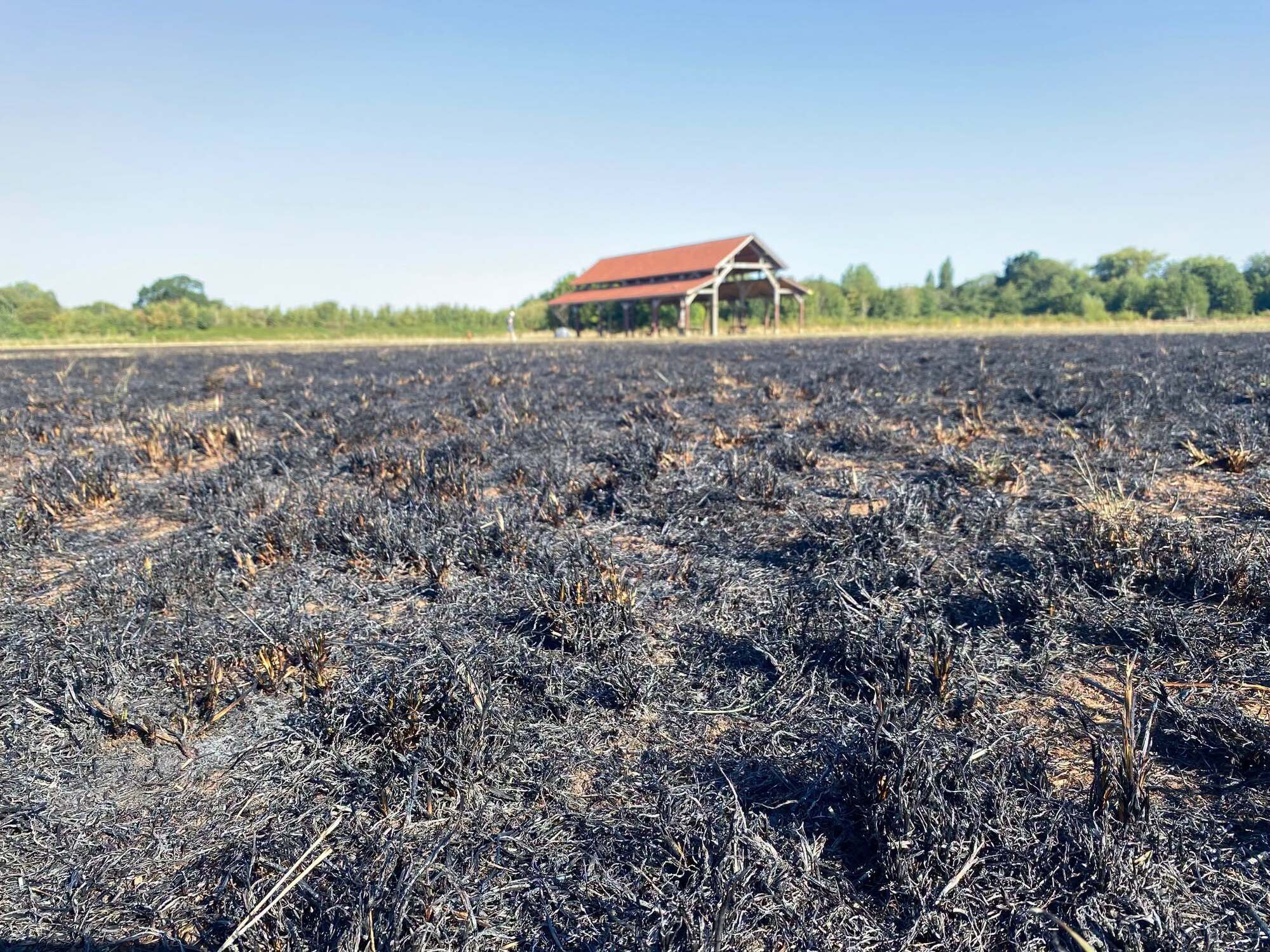
A disposable barbecue caused a fire at Somerset Council’s Longrun Meadow in Taunton on Wednesday 12 August, scorching grass and vegetation at the popular open space.
Fire crews confirmed the cause after tackling the blaze, which broke out during a period of exceptionally hot, dry weather.
|

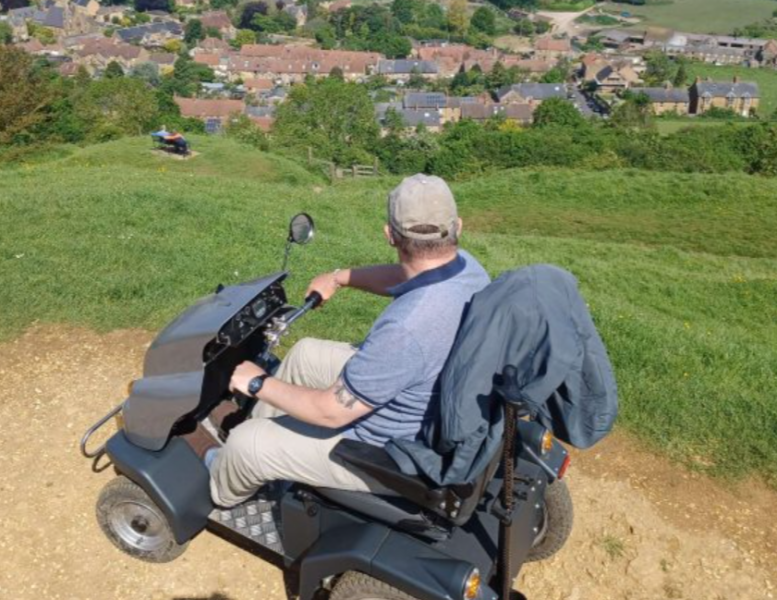
Visitors can now explore more of Ham Hill, thanks to the arrival of a new off-road mobility scooter available for hire from the Ham Hill Visitor Centre.
Our team at Ham Hill are thrilled to be working in partnership with Disability Together to introduce a Tramper; an off-road mobility scooter, at Ham Hill, making it easier for people with limited mobility to explore and enjoy the site’s stunning landscapes, wildlife and heritage.
|
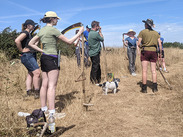
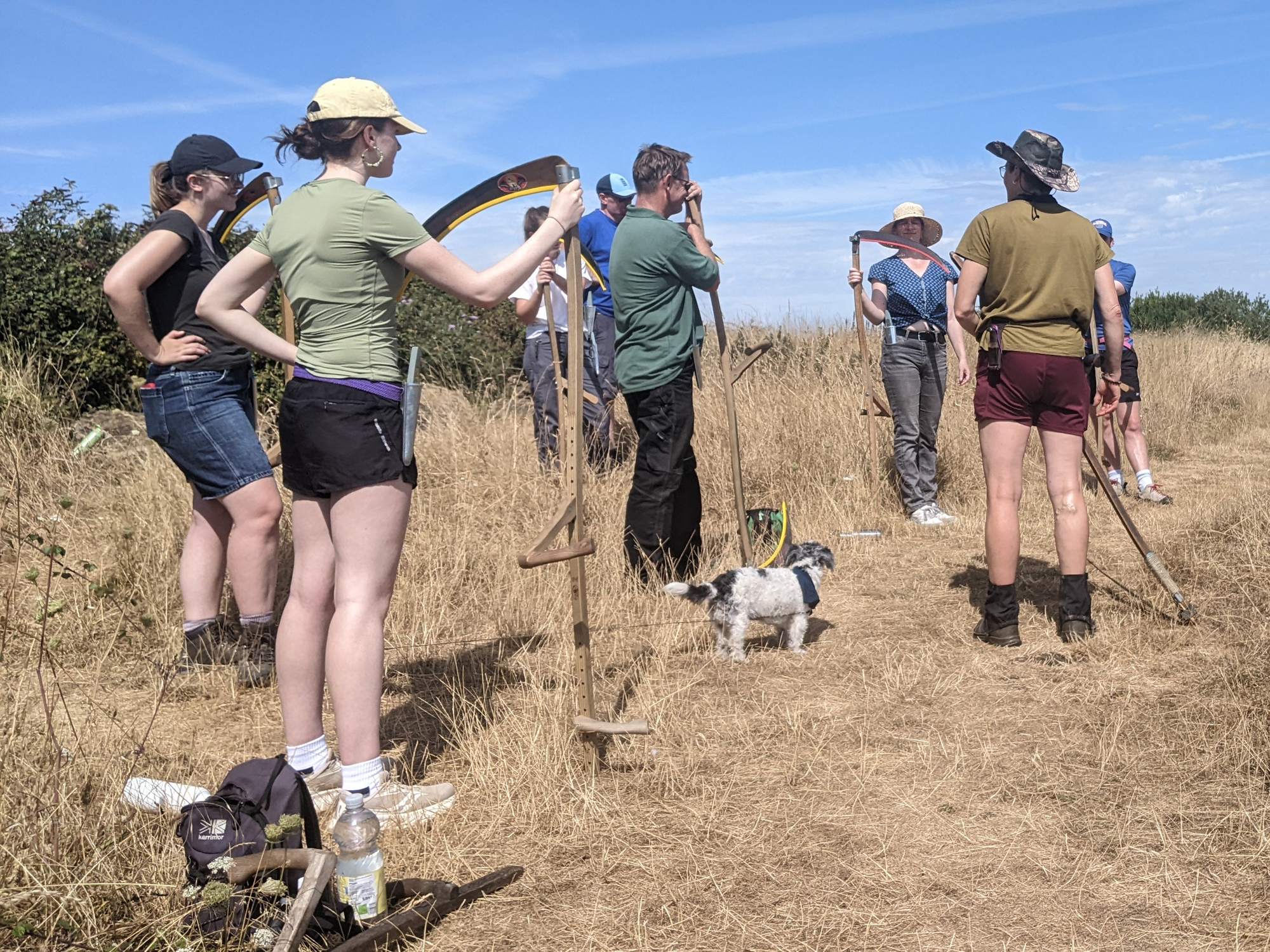
Our Green Estates Rangers and Climate and Natural Environment Officers have taken part in 2 scything training sessions at Ham Hill this summer, led by local scything champion Andi Rickard from Somerset Scythe School.
The sessions covered the anatomy of the Austrian scythe, including the handles, snath and blade, as well as how to safely dismantle, assemble and adjust the tool.
|
|
|

More than 80 screenings of the People’s Emergency Briefing have appeared on the national screening map across Somerset.
The crowdfunded film brings the climate and nature crisis to community audiences, using evidence presented by leading experts at a Westminster briefing in November 2025.
|
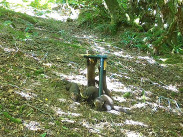
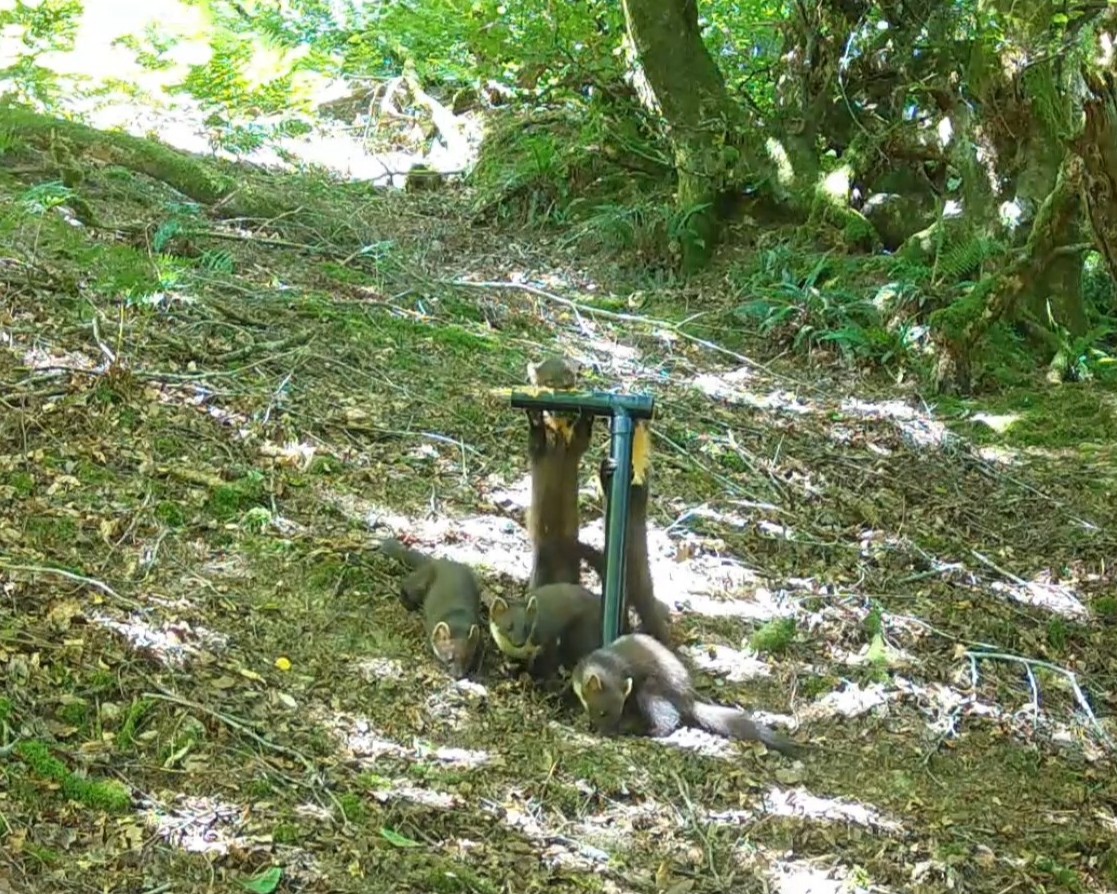
Exmoor National Park Authority has shared encouraging news from the Two Moors Pine Marten Project, after footage confirmed that pine martens released as part of the reintroduction programme are now breeding on Exmoor.
Video footage gathered by the project shows a female pine marten with 4 kits exploring an Exmoor woodland, marking an important milestone for efforts to restore this rare and elusive species to the South West.
|

Exmoor National Park Authority has also announced the release of 6 young white-tailed eagles in Exmoor National Park, marking the species’ return to the area after more than 200 years.
The reintroduction aims to support the recovery of a species once native to Exmoor, as well as bringing ecological benefits to woodland, coastal and wetland habitats.
|
|
|

Visit our events calendar for a fantastic array of upcoming climate-related activities designed to engage and inspire you – our SEEN community!
Whether you’re interested in environmental conservation, local wildlife or simply looking for a fun day out with the family, these events provide the perfect opportunity to connect with like-minded individuals and learn something new.
Similarly, if you’re holding an eco-event of your own, email us at climateemergency@somerset.gov.uk so we can tell our readers.
|
|
|
Retrofit for climate and wellbeing

Many UK homes lose heat through draughts and poor insulation, while some also overheat during summer.
A well-planned retrofit can make a home more comfortable and energy efficient, help reduce bills and address problems such as damp and mould.
|

Transport is Somerset’s largest source of greenhouse gas emissions. If you need to drive, government support may help with the cost of switching to an electric vehicle. Eligible new electric cars priced at £37,000 or less can receive a £1,500 or £3,750 discount, depending on their sustainability rating. Separate grants cover electric vans, trucks and chargepoints. Explore zero-emission vehicle grants and eligible electric cars.
If cycling is an option, ask whether your employer offers a Cycle to Work scheme. Salary sacrifice schemes can include electric bikes and may reduce costs through Income Tax and National Insurance savings, depending on your circumstances. Read the government’s Cycle to Work guidance for employers or explore the Cycle Solutions scheme.
|
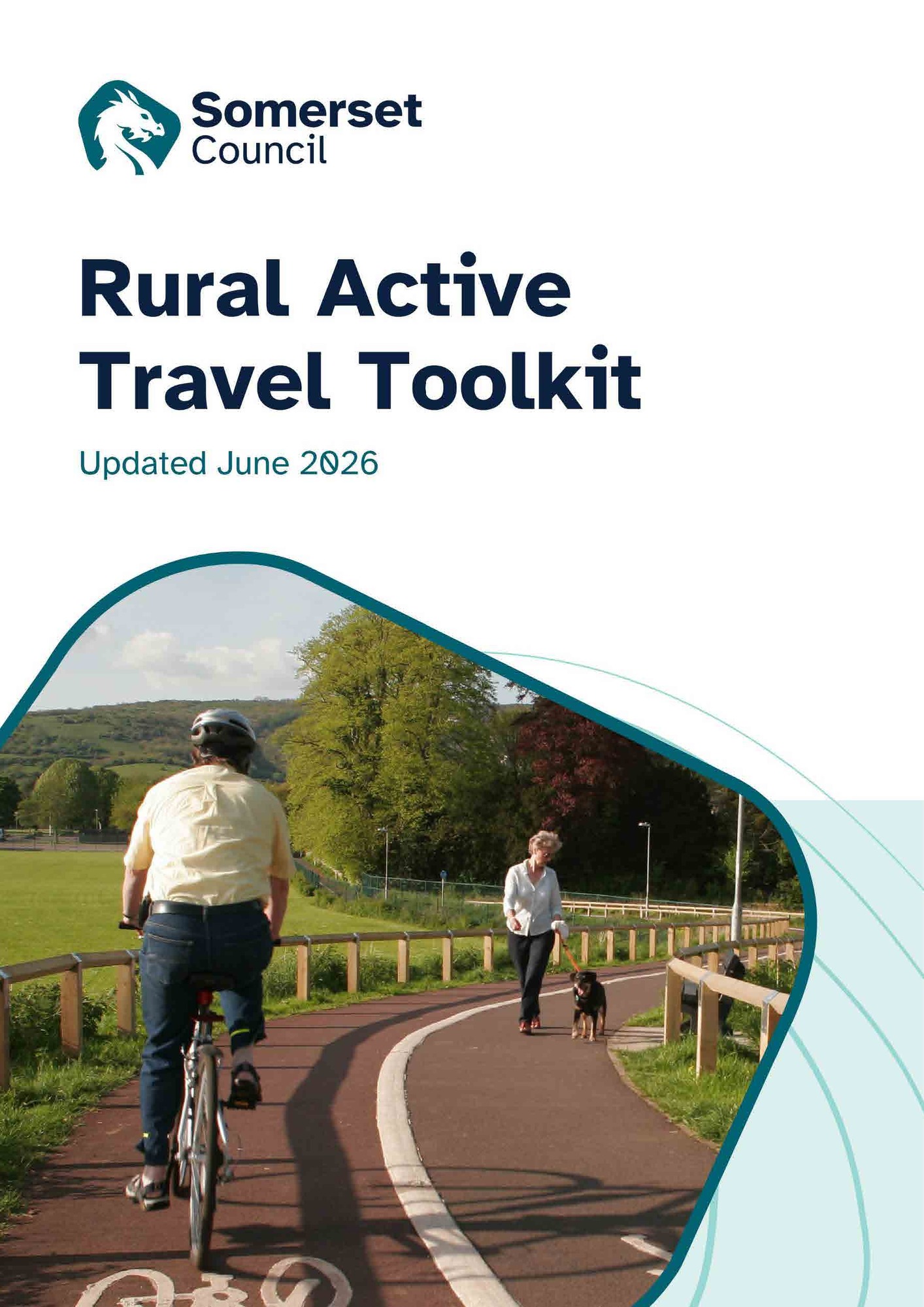
Toolkit supports rural communities to develop active travel schemes
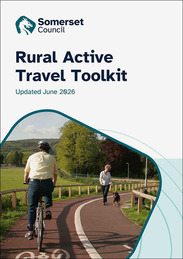
We’re making it easier for rural communities across Somerset to develop and deliver their own active travel schemes through a new Somerset Council toolkit.
Our Rural Active Travel Toolkit helps communities plan projects ranging from multi-user paths to smaller improvements such as dropped kerbs.
It guides groups through each stage, from identifying a need and engaging local people to route design, funding, consents, delivery and ongoing maintenance.
|

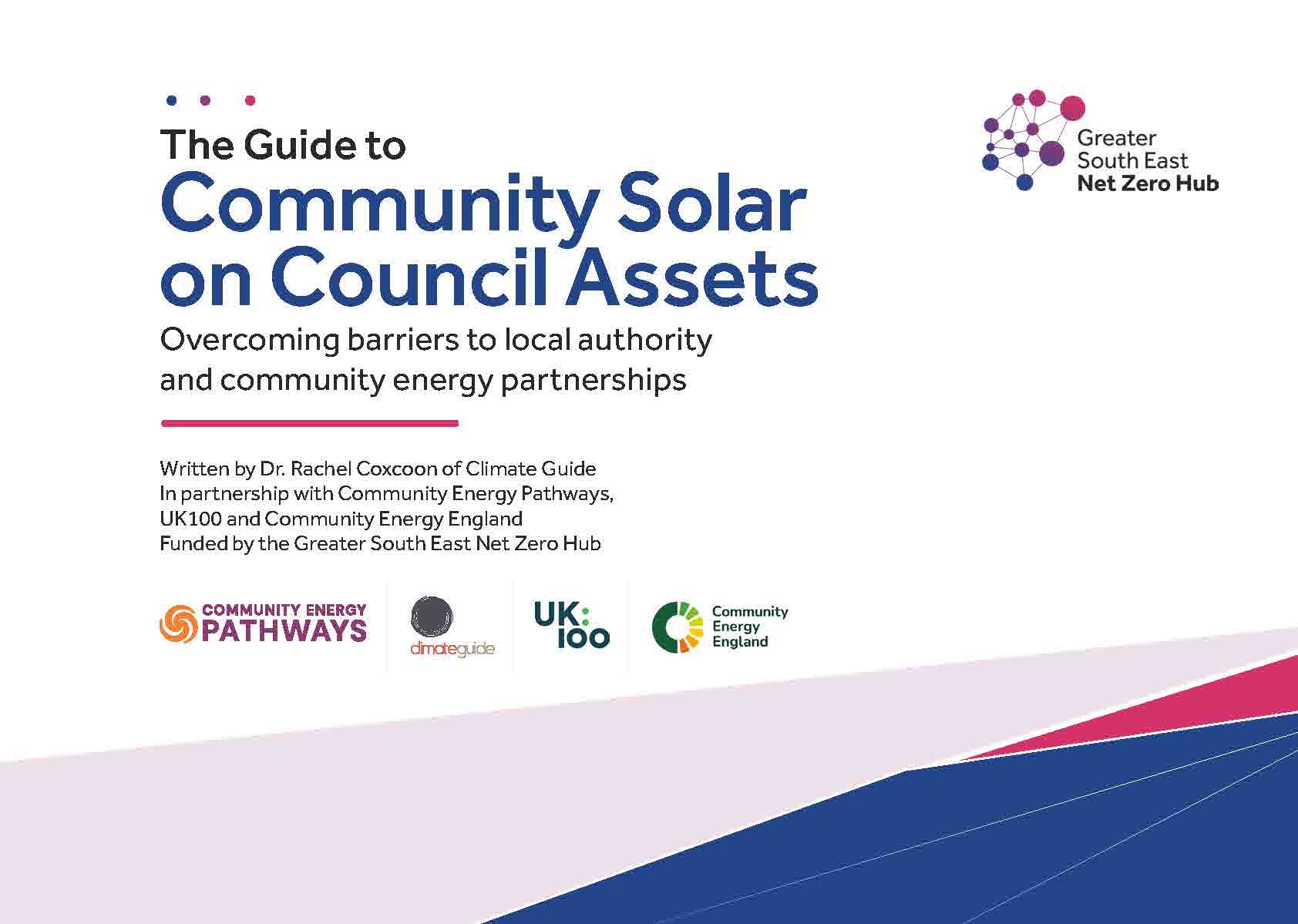
A new Guide to Community Solar on Council Assets is available through the government-funded Net Zero Go platform. It’s designed to help local authorities and community energy groups work together to develop solar projects on council-owned buildings and land.
The resource includes practical guidance and editable templates for council decision papers, motions, strategies and partnership assessments. A public guide also explains how community energy groups can work with councils. The project was funded by the Greater South East Net Zero Hub, and a short video introducing the guide is available online.
|
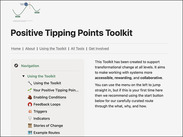
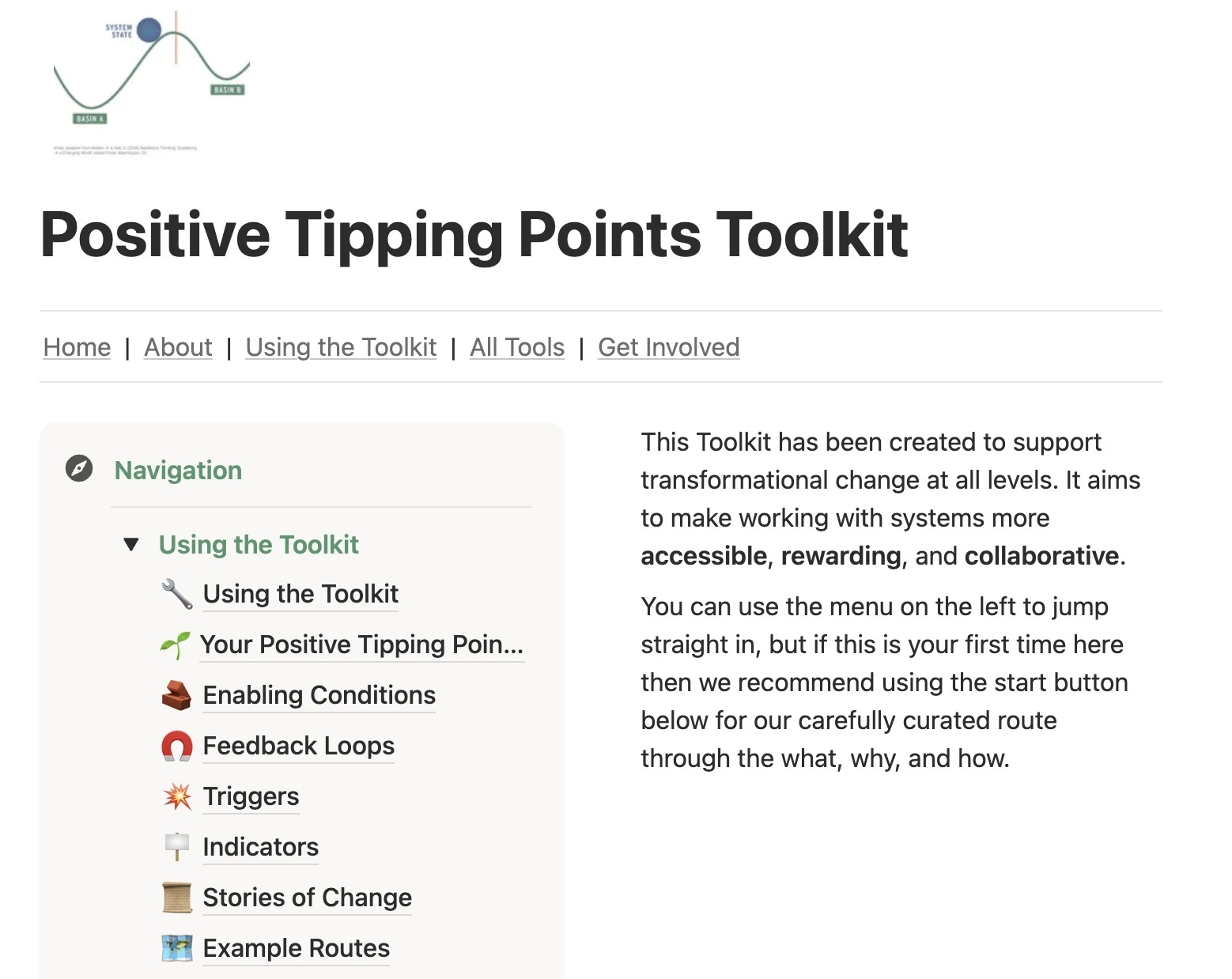
The University of Exeter’s Green Futures Network has created the Positive Tipping Points Toolkit to help people understand complex systems and identify opportunities for transformational change.
The toolkit includes a framework, practical tools and examples designed to support collaboration and help organisations plan actions that could build momentum for lasting environmental or social change.
|
|
|

Our grants and funding page is a one-stop resource for individuals, communities and businesses looking to take climate-positive action.
From waste reduction and energy efficiency to sustainable transport and wellbeing, the page showcases a range of live funding opportunities, including support for community-led environmental projects, fuel-poor households, and small businesses aiming to cut carbon.
Whether you’re planting trees, insulating homes or greening your operations, these grants are designed to help Somerset thrive in a low-carbon future.
|
|
|

With hot, dry weather increasing the risk of wildfires, residents are being urged to take extra care when visiting the countryside. Most wildfires in the UK are caused by human activity, so simple steps can make a big difference – avoid lighting campfires or barbecues, dispose of cigarettes safely, take litter home and call 999 immediately if you spot a fire.
Local authorities are being asked to support prevention messaging during the ongoing heatwave, alongside local fire and rescue services. For more advice, see the MHCLG blog: Wildfires: how can you stay safe and protect the countryside?
|
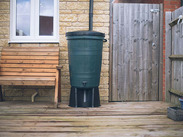
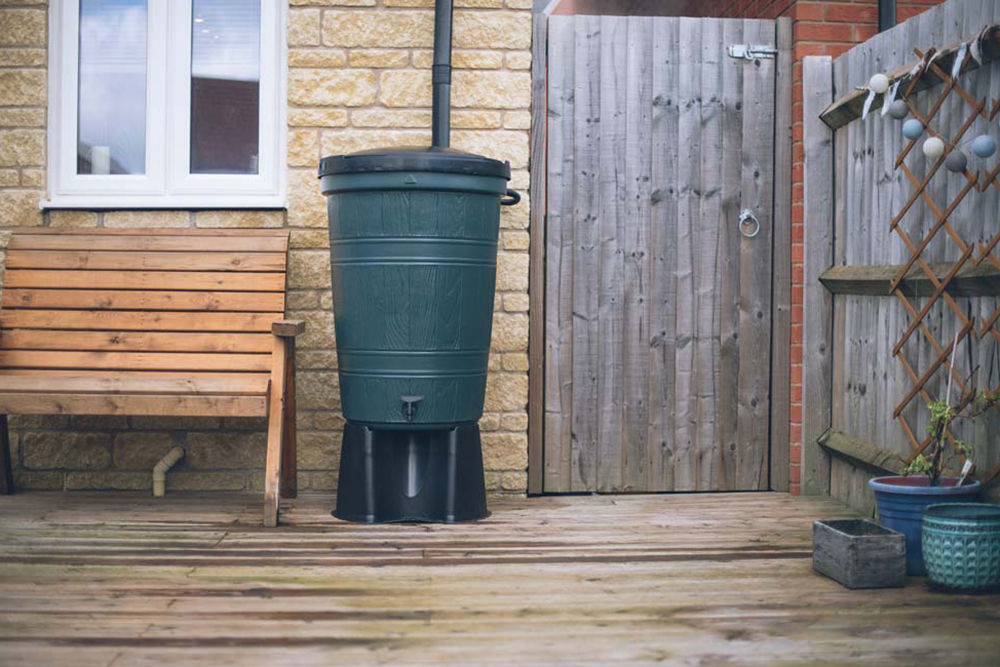
Using water wisely can help gardens cope with hotter, drier summers and periods of heavy rain. Simple steps such as installing a water butt, watering at the roots, using mulch or homemade compost, and watering early in the morning can reduce waste and keep moisture in the soil for longer.
The Royal Horticultural Society (RHS) recommends collecting and storing rainwater where possible, watering efficiently and using grey water carefully during dry spells, while avoiding its use on edible crops because of possible contamination risks.
|
Simple ways to help wildlife through heat and drought

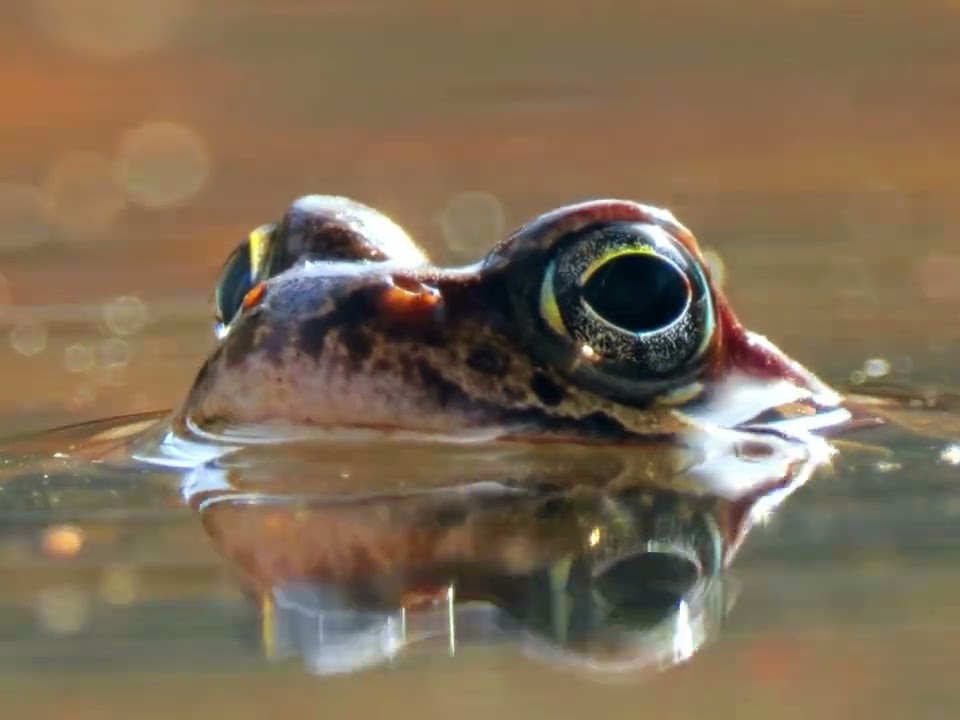
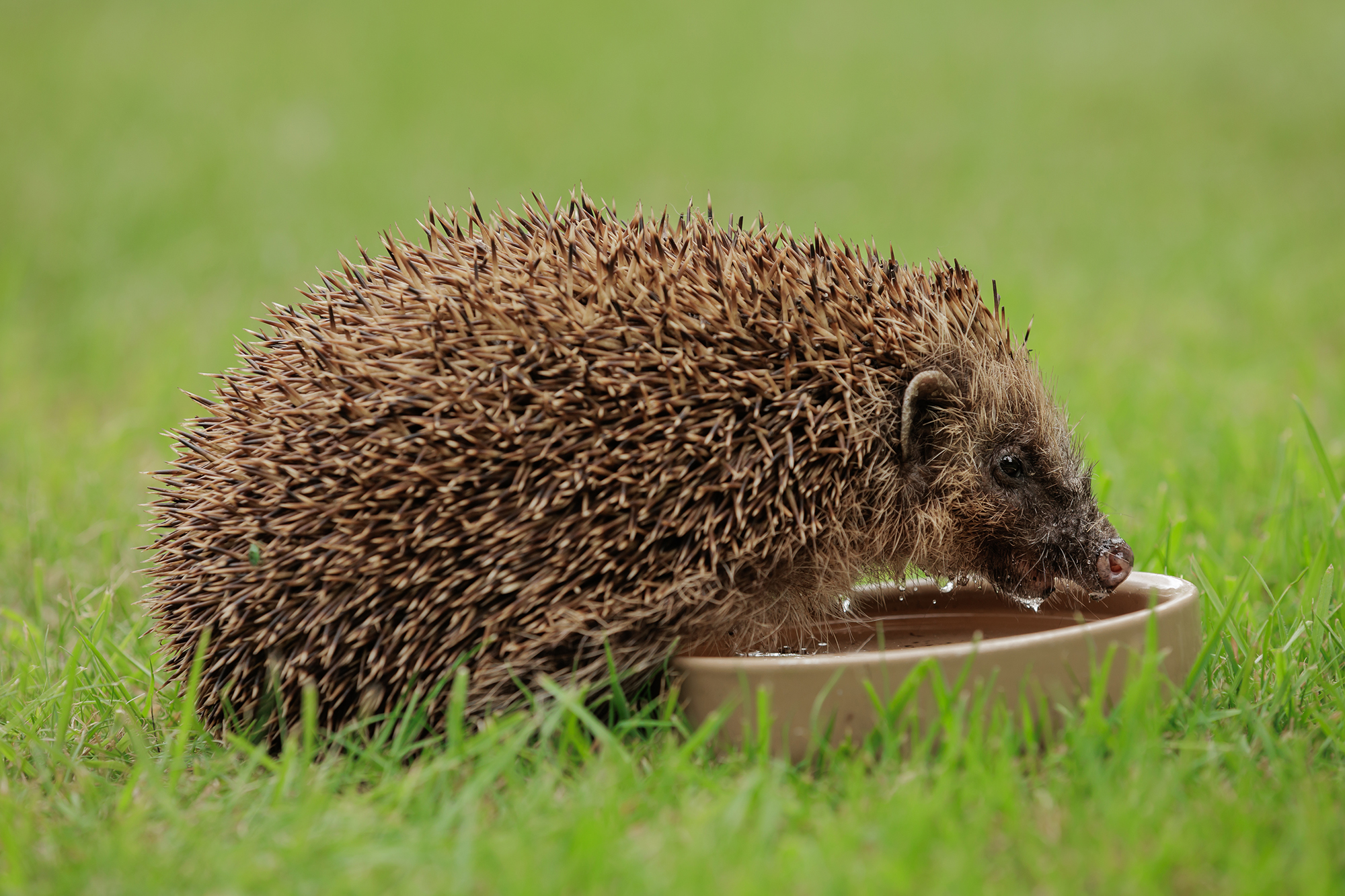
Hot, dry weather can make it harder for birds, insects, amphibians and mammals to find water, food and shelter. The Wildlife Trusts’ guidance on helping wildlife in hot weather suggests simple actions such as putting out shallow dishes of clean water, adding stones so insects can land safely, topping up bird baths and leaving longer grass, log piles, hedges or dense planting as shelter.
If you have a pond, collected rainwater is best for topping it up, and water dishes should have safe exit points so wildlife can climb out. The Wildlife Trusts also offers advice on climate-friendly gardening.
|

A reusable cup can be a more sustainable choice than a disposable one if you use it regularly and keep it for as long as possible. Many single-use paper cups contain a thin plastic lining, which means they may not be accepted through standard recycling collections.
Reusable cups can reduce demand for single-use products and may keep drinks warmer for longer. Some cafés also offer a discount when you bring your own cup.
|

News coverage can often focus on difficult events, so it can be helpful to balance your reading with stories about people making a positive difference. Positive News shares constructive stories from the UK and around the world, including climate action, nature recovery and community initiatives.
If you have a positive climate or nature story from Somerset that you’d like us to consider for a future edition of SEEN, email climateemergency@somerset.gov.uk.
|
|
|

This is your newsletter, and we want to hear about the great environmental work happening where you live, or what you do to make a difference every day with your brilliant eco hacks and tips.
You can make suggestions about what you would like to see more of in future editions of SEEN and have your say on previous stories and topics.
We would love to hear from you.
Get in touch at climateemergency@somerset.gov.uk.
|
|
|
|
|
|