
Restoring nature for people, wildlife and the climate
Globally, around 1 million species are threatened with extinction, with land-use change among the major drivers of biodiversity loss. According to the State of Nature report, nearly 1 in 6 species assessed in Great Britain is at risk of being lost, while many of the species studied have declined by an average of 19% since 1970.
Every decision that protects habitats, keeps trees standing, restores meadows and hedgerows, or connects green spaces can help support species facing decline.
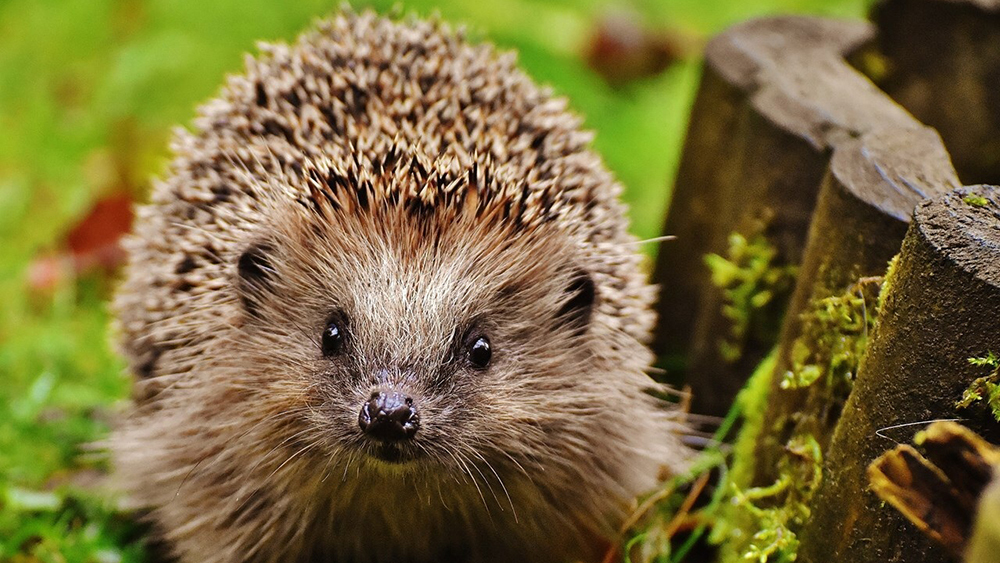
Hedgehogs are among the UK’s most loved wildlife species, but they’re in decline. They’re classed as vulnerable to extinction in Great Britain, with rural populations reported to have fallen significantly since 2000. Habitat loss, reduced connectivity, flooding, heatwaves and drought can all affect their ability to find food, shelter and mates.
You can help by creating a hedgehog-sized gap under your fence, providing fresh water, and offering meat-based cat or dog food or specialist hedgehog food if you choose to feed them. Find out more from Somerset Wildlife Trust’s guide to helping hedgehogs.
If you have land where a hedgerow could be restored or planted, Reimagining the Levels may be able to help. Formed after the floods of 2014, the organisation supports environmentally sustainable solutions to the challenges of climate change in Somerset, including tree and hedgerow planting for schools, community groups and private landowners.
Since 2020, Reimagining the Levels has helped plant more than 135,000 trees, including more than 5 miles of hedgerows, across Somerset. Find out about free trees, grants and volunteering opportunities at reimaginingthelevels.org.uk, or email katetowers.rtl@gmail.com.
Here at Somerset Council, we’re leading Somerset’s Local Nature Recovery Strategy (LRNS) and working with partners, landowners, communities and experts to help nature recover across the county. Together, we want to create landscapes that are richer in wildlife, more resilient to climate change and better for people.
Through the strategy, we identify Somerset’s most valuable existing habitats, highlight opportunities to restore and connect spaces for nature, and set out a shared plan for action. We’ll use it to help target investment, guide land management and support projects that benefit people, nature and the climate.
The LRNS includes 8 habitat themes, 42 priority outcomes and 153 actions to support 150 priority species. Find out more and download the full strategy via our Local Nature Recovery Strategy page.