|
Welcome to our final newsletter of 2024, and what a busy year it’s been. Looking back at this year’s newsletters, each month we’ve been able to share just some of the amazing work that Cefas has been involved in during 2024. Particular highlights for me were the conclusion of the CatcH And Release Tagging (CHART) programme for Atlantic Bluefin Tuna (January edition), the discovery of a new species of sea slug (March), our celebration of World Ocean Day (June), the UK’s hosting of the ICES Annual Science Conference (September) and our research into the role plastic waste plays in spreading marine invasive and non-native species (October).
In December's issue, we look back on our recent activities which includes a blog on Cefas' contribution to threatened coral reefs assessment; hear about growing recognition of marine recreational fisheries, our celebration of colleagues and students at our recent Cefas Festival and read about the Defra Minister Zeichner and Jess Assato, MP's visit to our Lowestoft laboratory and our research vessel, and much more.
Wishing you Season's Greetings and a Happy New Year.
Neil Hornby - Chief Executive
|
|
|
Science Spotlight
Food-borne disease risk: biosurveillance in water networks
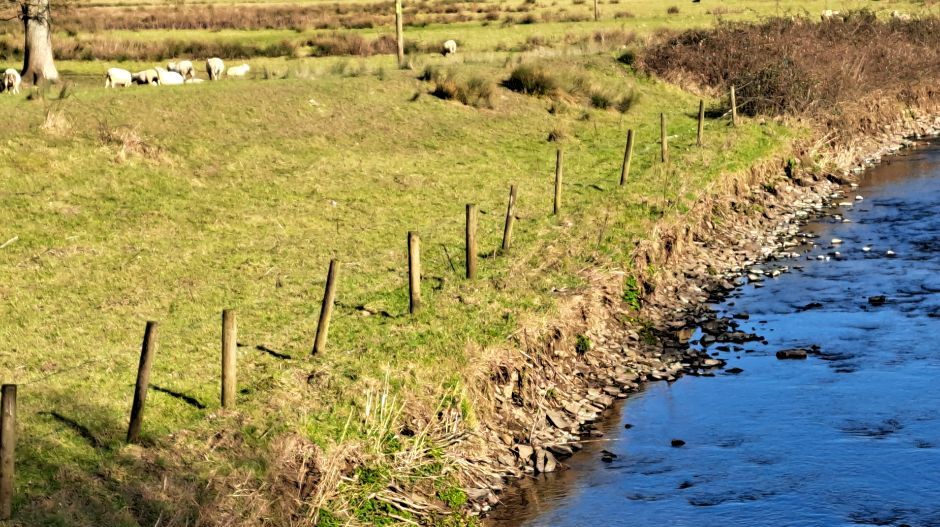 A stakeholder workshop on food-borne disease (FBD) risk, co-hosted by Cefas and Bangor University, has been published as a Meeting Report in the Eurosurveillance journal.
FBD in the UK is costly, leading to thousands of hospitalisations and, sadly, an estimated 180 deaths, annually. There is currently no fully-integrated national monitoring and surveillance system for FBD, making it difficult to predict and mitigate outbreaks. At a workshop earlier this year, Cefas and collaborators from Bangor University, Ribble Rivers Trust and Universitat Autonòma de Barcelona presented their findings on recent pilot studies carried out to address some of the challenges, needs and opportunities for implementing a successful biosurveillance programme for FBD.
Following the presentations, participants took part in discussion groups designed to answer specific questions on current gaps and limitations; biggest opportunities; benefits and barriers; and emerging technologies, in FBD surveillance. Outcomes were gathered into a clear set of conclusions and recommendations for developing an effective monitoring framework for reducing the risk of FBD outbreaks in the human population.
|
|
Seeing Red: Cefas contributes to IUCN global assessment of threatened coral reefs – Marine Science
New #MarineScience blog
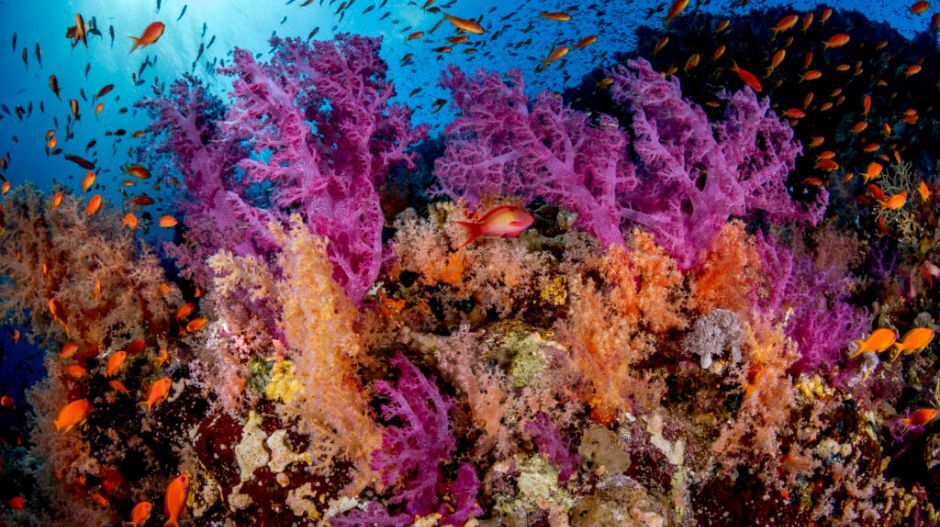 The International Union for Conservation of Nature (IUCN) Red List has released its latest assessment on the health of 892 coral reef species - one of the most comprehensive to date. Last October, Cefas scientists, Benjamin Coburn, Jo Bluemel and Elena Couce, joined an expert panel of coral reef scientists at a workshop hosted by the IUCN Species Survival Commission (SSC) Coral Specialist Group in Singapore to assess the vulnerability of over 400 coral species from the Indo-Pacific region. In this blog, they, along with Cefas' Michelle Devlin, discuss their contribution to this globally important assessment.
|
|
The growing recognition of marine recreational fisheries
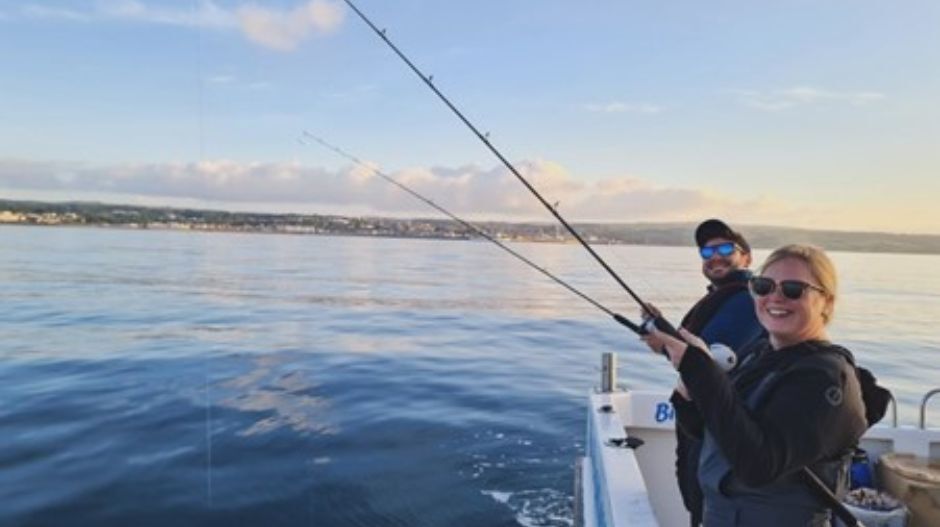 Image courtesy of the Angling Trust
Cefas is delighted to see that the ICES - International Council for the Exploration of the Sea Marine Recreational Fisheries (MRF) roadmap was published recently. Cefas' Kieran Hyder and Estanis Mugerza, the chairs of ICES Working Group on Recreational Fisheries Science (WGRFS) led the development.
Recreational fishing has largely been overlooked within fisheries management until now with the publication by ICES of its Roadmap on Marine Recreational Fisheries: the impact of marine recreational fisheries is now included as a vital part of sustainable fisheries management.
|
|
Media Spotlight
Skippers Take the Wheel: Testing selective trawls in the English Northeast Nephrops Fishery
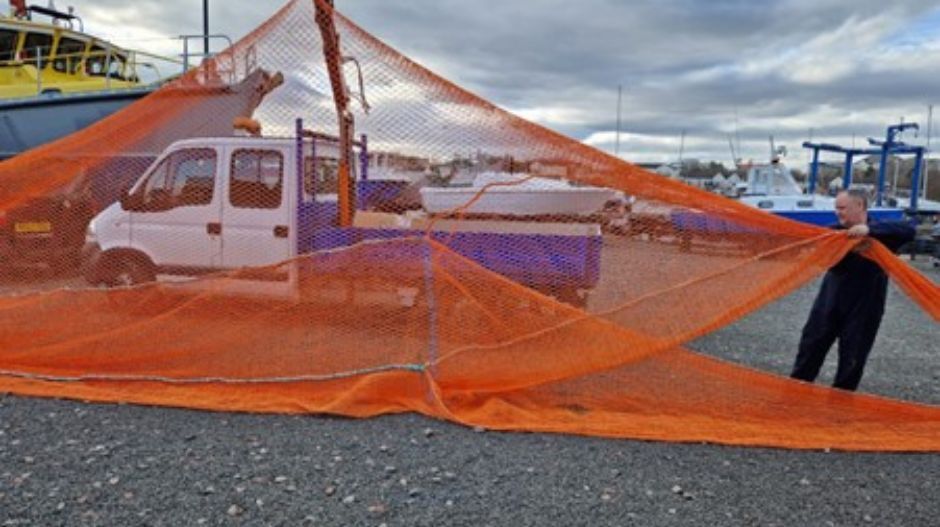 When it comes to fishing, catching what you want while avoiding what you don’t is the name of the game. Improving the selectivity of fishing gear is one of the most effective ways to reduce unwanted catches.
Eight skippers created a project with Cefas, with input from Seafish and Boris Nets to ‘road test’ a variety of trawl designs that have already shown promise in reducing unwanted catches in previous scientific trials. The skippers tested the gear during real commercial fishing operations over two years under a full range of conditions, giving them plenty of time to get a feel for how these trawls performed in the waters they know best.
|
|
Fisheries Minister Daniel Zeichner Visits World-Class Marine Research Facilities in Lowestoft
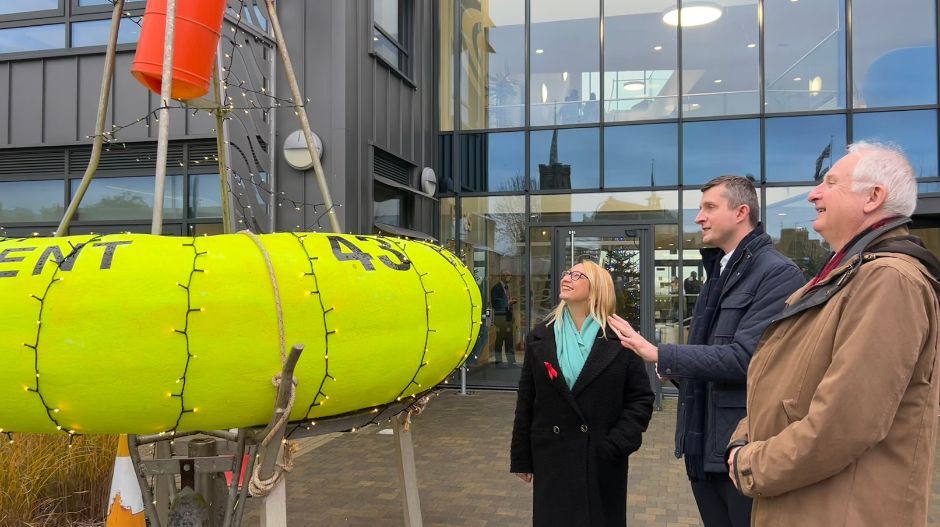 At the start of the month, we welcomed Defra Minister Daniel Zeichner and Jess Asato MP to Cefas Lowestoft for a tour of our world-class marine research facilities. The Minister met with students and expert scientists and explored our state-of-the-art marine research capabilities both in the laboratory and onboard our Research Vessel, the Cefas Endeavour. It was great to have the opportunity to showcase how our facilities continue to drive innovation in marine science and environmental protection
|
|
Event Spotlight
Cefas festival and student day
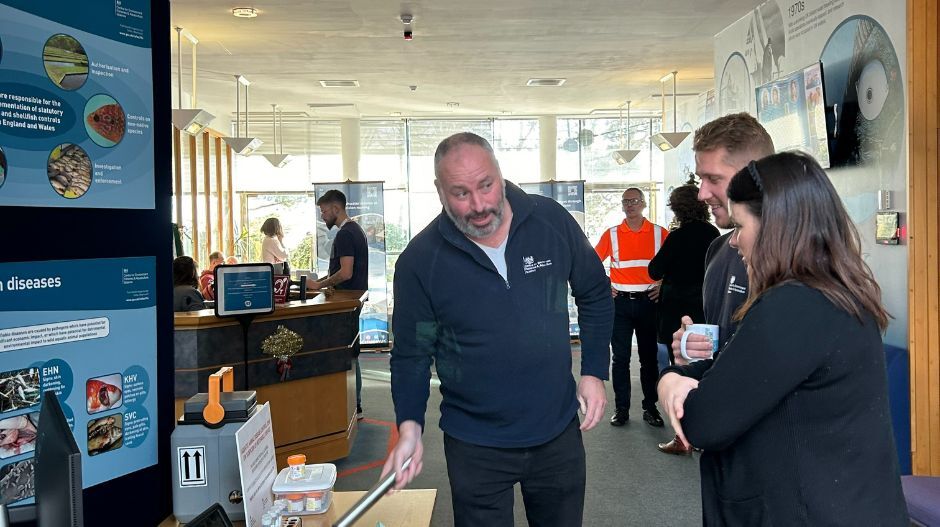 December saw colleagues across Cefas taking the time to share and celebrate our science and support teams at our internal Cefas Festival and Student Day. A programme of presentations, events, stalls, and lab tours gave colleagues across our sites the chance to connect and learn about the breadth of our work. It was also fantastic to be able to combine the festival with the Cefas Student Day where we invite our Cefas supervised PhD students to the labs to share their work and papers. We also combined the event with a visit to our Lowestoft site and the research vessel by our Defra Minister Daniel Zeichner and Lowestoft MP Jess Asato.
|
|
Early Career Ocean Professionals at the All-Atlantic Ocean Research and Innovation Alliance (AAORIA)
New #MarineScience blog
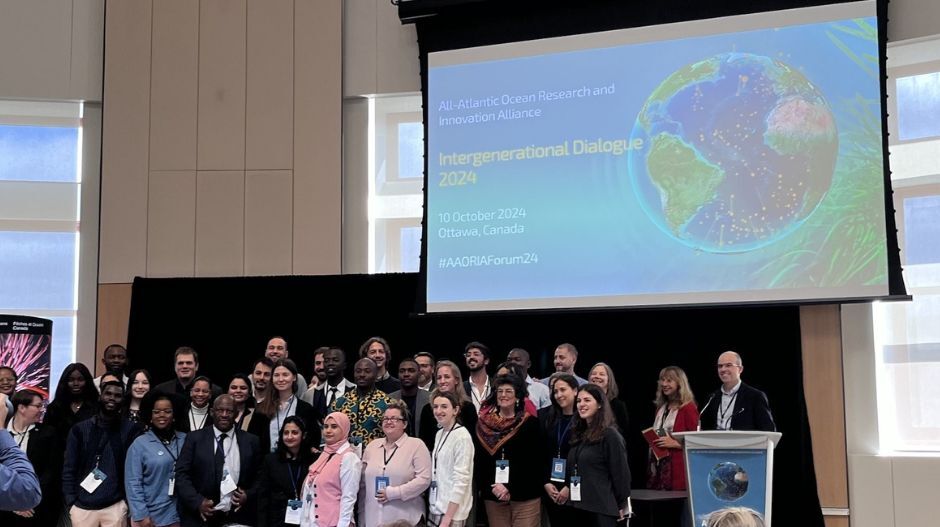 Cefas and National Oceanography Centre (NOC) Early Career Ocean Professionals (ECOPS) were at the All-Atlantic Ocean Research and Innovation Alliance (AAORIA) in Canada, and share their experiences in our new joint blog. AAORIA is a science diplomacy effort which unites twelve countries across the Atlantic to strengthen and foster collaborative ocean research, seeking to understand what is needed to ensure the sustainability of the Atlantic Ocean.
|
|
People Spotlight
Each month we shine the spotlight on the work of a current Cefas colleague. This month we hear from Paulette Posen, a Principal Spatial Scientist at Cefas.
Paulette uses Geographical Information Systems (GIS) techniques to perform analyses relating to environmental issues.
“Geography and the natural environment have interested me since childhood, so I’m happy to have been able to develop my GIS skills across countless projects in both marine and terrestrial sciences. Most recently, I’ve been using those techniques to enhance our understanding of how activities on land can influence the health of our coastal waters and ecosystems. This should help us be better equipped to detect underling change, and to advise on actions to protect sensitive environments and safeguard human and animal health.
Data availability is often one of our biggest hurdles, so it was a pleasure to co-host a successful stakeholder workshop earlier this year, on the importance of access to good quality data when monitoring for harmful microorganisms in water networks. Along with participants from diverse organisations and disciplines, Cefas colleagues discussed how best to achieve effective surveillance of organisms implicated in foodborne disease in the human population. You can read about the meeting here”.
Paulette Posen - Principal Spatial Scientist
|
|
|
|
|
|