|

October sees the start of the sixteenth meeting of the Conference of the Parties to the Convention on Biological Diversity (COP 16), in Cali, Colombia, which has the theme of “peace with nature”. Susana Muhamad, Minister of Environment of Colombia, sets the tone for the conference, explaining, “We hope that the COP16 in Colombia can help the world to make peace with nature, so that we can sustain and maintain life on the planet forever".
Cefas provides integrated science, evidence and advice to support management and decision-making which aims to protect and restore marine biodiversity. From our work on mapping and understanding habitats and species in our seas, to assessing their vulnerability to human pressures, to monitoring phytoplankton, zooplankton and non-native species, and the application of novel technologies for monitoring, we consider the full biodiversity of ecosystems, from the smallest microbes, to the largest marine mammals.
Our expert scientists provide integrated biodiversity monitoring and advice to UK and international governments as we seek to make a real difference for the benefit of biodiversity – ultimately, aiming to improve our marine environment and ensure nature is fully considered in the various ways that people look to use our seas and ocean.
I hope you enjoy our latest edition. Please share your thoughts on social media using #CefasMonthlyNews.
Grant Stentiford - Cefas Chief Scientist
|
|
|
Science Spotlight
New Study Reveals Seafloor Litter Contributes to Spread of Invasive Species
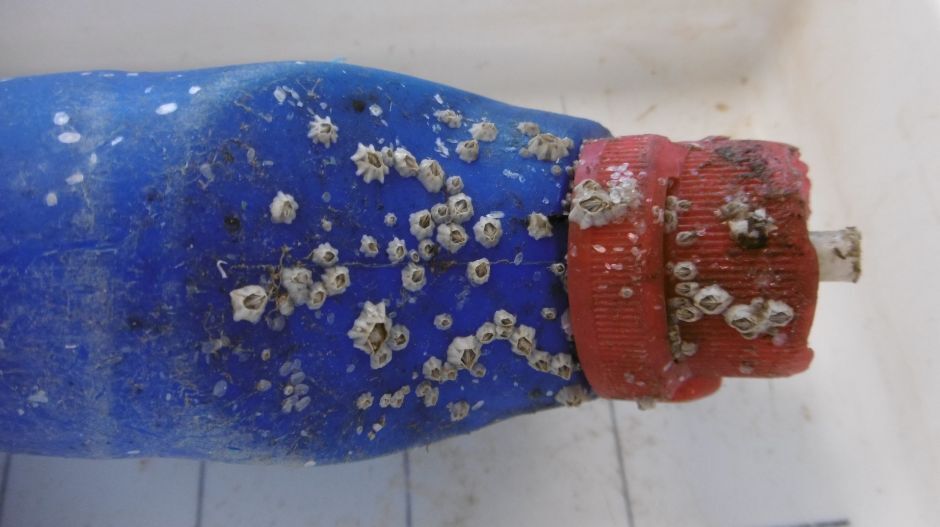 In a recent study examining seafloor litter around the UK, Cefas researchers discovered that plastic waste plays a significant role in the spread of invasive species. The study, which analysed 41 litter items from various locations in the Irish Sea, detected populations of two non-native species living on the litter: the warm-water barnacles Austrominius modestus (native to Australia) and Solidobalanus fallax (native to Morocco) were found on multiple litter pieces recovered in trawls.
The findings suggest that seabed litter serves as a settling platform for these invasive species, aiding their proliferation across British waters. Their presence shows the dual threat posed by marine litter: not only does it pollute the ocean, but it can also provide a foothold for non-native species that can disrupt local ecosystems.
The study's lead scientist, Peter Barry, emphasised the urgent need for greater efforts to reduce marine litter. "Our research highlights a critical issue that extends beyond pollution. The seafloor litter is inadvertently helping invasive species spread, which could have serious ecological consequences,".
The findings call for increased awareness and robust measures to address both marine pollution and the control of invasive species. As the study expands to different parts of UK waters and a broader range of litter items, researchers aim to better understand the processes involved and develop strategies to mitigate the impacts.
|
|
Turning Up The Heat: Advancing UK Science to Better Predict and Respond to Marine Heatwaves
New #MarineScience blog
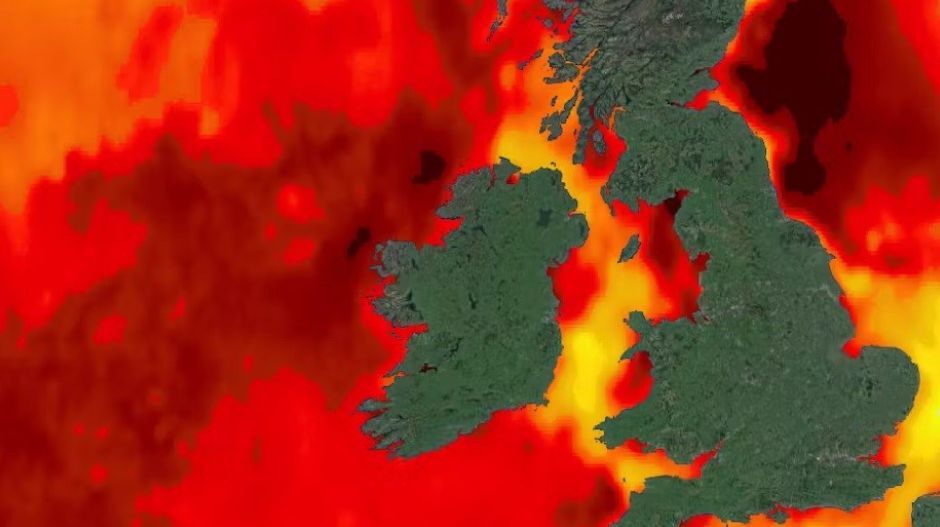 Decades of sustained ocean warming have led to an increase in both the frequency and severity of marine heatwaves. In this blog, climate experts John Pinnegar, Cefas and Caroline Rowland, Met Office share valuable insights on the impacts of the unprecedented 2023 UK heatwave.
John and Caroline take a deep dive into current UK capability and challenges in monitoring marine heatwaves and observed impacts on biodiversity, specifically on fisheries. They also discuss future research needs to better predict and respond to marine heatwaves in the UK.
|
|
Latest Episodes of #UnchattedWaters
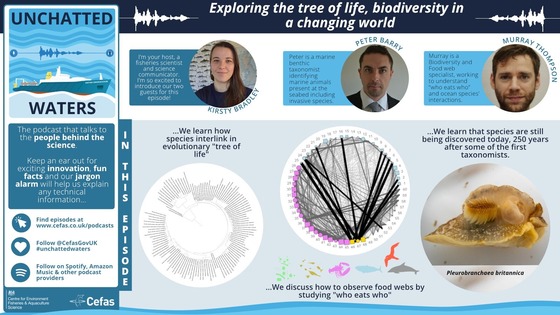 Listen to our latest podcast episode, focusing on biodiversity.
Guests Peter Barry, Marine Benthic Taxonomist and Murray Thompson, Biodiversity and Food Web Specialist, talk about biodiversity in a changing world. They discuss how species interlink in the evolutionary "tree of life", how to observe food webs by studying "who eats who" and we hear that species are still being discovered today, 250 years after some of the first taxonomic studies.
All episodes of our podcast are now on YouTube making it even easier to listen to your favourite episode. All episodes can also be found on our website or from your usual podcast providers.
|
|
Media Spotlight
Salmon stock report finds lowest levels in England since records began
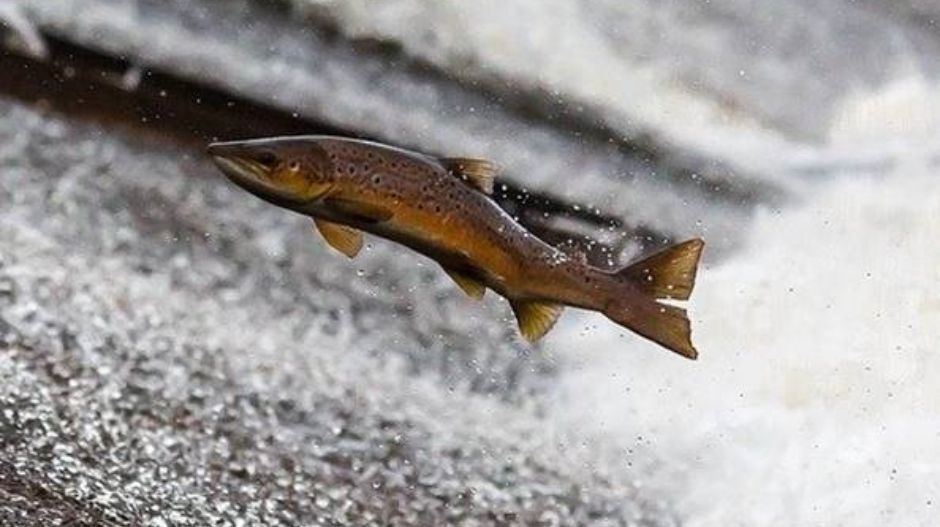 New research from the Environment Agency and Cefas shows that salmon stocks in England have fallen to their lowest level since records began.
According to the Atlantic Salmon Stock Assessment for 2024 from the Environment Agency (EA) and the Centre for Environment, Fisheries and Aquaculture Science (Cefas), 90% of principal salmon rivers in England are classified as either “at risk” or “probably at risk,” meaning salmon numbers are below minimum levels to support sustainable populations.
Atlantic salmon is an indicator species, reflecting the health and cleanliness of marine and freshwater ecosystems. A shrinking salmon population is a warning sign that much more work is needed to improve our natural environment.
The dramatic decline of salmon stocks is an international trend, with similar findings reported in Ireland, Iceland, Sweden and Canada; however, the UK shows the most significant decline.
|
|
The future of fish: Impacts of climate change on fish species diversity across marine food webs
New #MarineScience blog
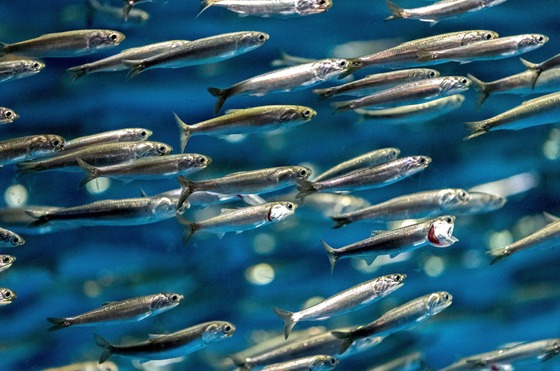 Climate change is changing the distributions of commercially exploited fish species with widespread impacts on biodiversity.
In this blog, Murray Thompson, Principal Marine Conservation Scientist, and Elena Couce, Senior Quantitative Ecologist at Cefas, discuss their recent paper which looks at how climate change will affect the habitat suitability of marine fish species across a range of body sizes and belonging to different feeding guilds in the northeast Atlantic shelf seas, which could have large implications for food security across the world.
Fish, Camera, Action: Early adoption of Remote Electronic Monitoring on UK fishing vessels
New #MarineScience blog
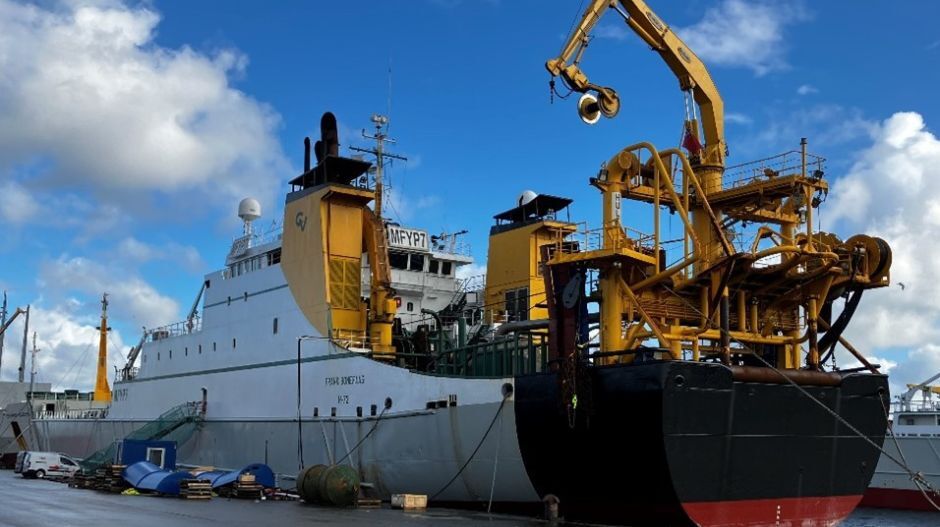 In this blog, find out about Remote Electronic Monitoring, or REM for short, which is a data collection tool that can be installed on vessels to collect information on fishing activities and catches. A REM system typically consists of sensors and cameras collecting various data (video, GPS etc.), that can then be interpreted to generate information on when and where a vessel is fishing and what it is catching.
The Defra Group has started work with our first early adopter vessel within the large pelagic trawl fishery: the Frank Bonefaas. This is the largest vessel in the UK fleet, primarily targeting mackerel, herring and blue whiting. The information delivered through REM will support the long-term profitability of the sector and help to build the UK’s food resilience and security, as well as providing invaluable data on fishing activity.
|
|
World One Health Congress - Cefas in South Africa
New #MarineScience blog
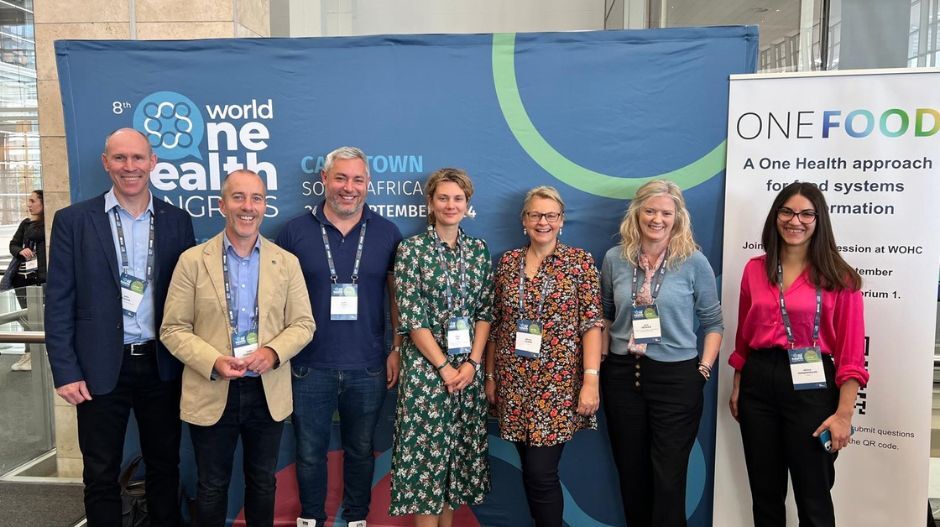 The UK government’s Animal and Plant Health Agency (APHA) and Cefas recently attended the 8th World One Health Congress (WOHC) in South Africa. The Congress took place over four days in the Cape Town International Conference Centre and focused on how the One Health concept can help tackle the world’s pressing challenges of food safety and security, environmental pollution, human health, climate change, antimicrobial resistance and zoonotic disease. The event provided the opportunity to look at global One Health science and policy from the perspectives of African colleagues.
The team joined the congress under the umbrella of the UK government-funded One Food programme, an Official Development Assistance transformative project to champion a safe and sustainable food future. At the project’s core are integrated One Health principles, which seek to balance and optimise the health of humans, animals/plants and ecosystems, known as the three One Health ‘pillars’.
|
|
People Spotlight
Each month we shine a spotlight on the work of a member of Cefas staff. This month we hear from John Pinnegar, Cefas' Lead Advisor on marine climate change and the Director or our strategic alliance with the University of East Anglia (UEA) in Norwich.
“My role involves investigating impacts of climate change on marine biodiversity and maritime industries, looking both forward in time, but also backwards at changes in the past. The distribution of marine species is in flux all around the world and here at Cefas we have measured northward shifts all around the UK, through our regular scientific surveys, our extensive archive of data and have projected these changes in ‘habitat suitability’ into the future. Climate change represents a clear and present threat to marine biodiversity, although there will be both ‘winners and losers’. We must work hard to build resilience and help natural ecosystems adapt”.
As negotiators meet this week for the start of the 16th Conference of the Parties (COP 16) under the UN Convention on Biological Diversity (CBD), Cefas will continue to work with partners all around the world on key biodiversity issues, not least on protecting coastal seagrasses and mangroves (‘blue carbon’ habitats) to help mitigate future climate change."
John Pinnegar- Lead Advisor on marine climate change and Director for Cefas' strategic alliance with the University of East Anglia
|
|
|
|
|
|