|
Continuing this week’s focus on the basics, today we’ll dig into the different types of plastics and what that means for their recyclability.
Seven types of plastics
The numbers you see on plastics are called resin codes, and although the triangle looks like a recycling symbol, it only tells you what type of plastic an item is, not whether you can recycle it.
- #1 plastics are commonly plastic bottles and jars
- #2 plastics include milk jugs and shampoo bottles
- #3 plastics include makeup containers
- #4 plastics can be squeeze bottles and cling wrap
- #5 plastics include yogurt and ice cream tubs
- #6 plastics can be CD cases, plastic cutlery, and foam clamshells
- #7 plastics include any types of plastic not represented in resin codes #1-6, including certified compostable plastics.
The graphic shows more detail about common plastic items and the resin code number you may find.
 Which plastics can be recycled in your home recycling?
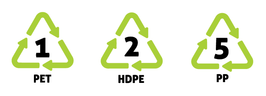
Some plastic resins have good resale markets to recycle into new products while others don’t. Focus on recycling plastic items that have a number 1, 2, or 5 on the bottom that are:
- Plastic bottles and jugs, such as water and soda bottles, ketchup and salad dressing bottles, milk jugs, and shampoo bottles
- Plastic cups and containers, such as yogurt cups, cottage cheese containers, peanut butter jars, and produce containers
Find more detailed household recycling guidelines at:
|
How to prepare your recycling
To prepare your plastics for the bin, take these four steps.
- Empty and give containers a quick rinse if needed. They don’t need to be squeaky clean but should be free of most food residue.
- Put plastic caps back on. Even though a bottle or container and its cap may be made of two different types of plastic, they will be separated, and both will be recycled. Plastic caps shouldn’t go in the recycling bin alone because they are too small to be sorted correctly.
- Leave your plastic items in their original shape; don’t crush them! Recycling sorting facilities use equipment for screening and sorting that is specialized for certain shapes and sizes.
- Put your items loose in your home recycling. Do not place them in a plastic bag.
Want to see the recycling sorting process in action? Local recycler Eureka Recycling has a virtual tour and offers recycling facility tours for the public.
Take action
Keep yourself accountable and give yourself credit for the work you have done:
- Set a regular time each day or each week when you will visit the Plastic-Free Challenge website to check in.
- To mark an action as complete, open your dashboard and scroll down to see the actions you selected. Click the check in button to mark as complete.
- The impact calculator is live! Most actions have an associated impact, and you can watch them grow as the challenge goes on. You can view impacts from yourself, your team, or everyone in the challenge.
Thursday, January 16: Tips for getting started and encouraging others to join
Friday, January 24: Selecting actions to work on during the challenge
Friday, January 31: The Plastic-Free Challenge starts tomorrow
Monday, February 3: The problem with plastics
|