|
Welcome to the first week of the Plastic-Free Challenge! This week, we’ll focus on the basics, including concerns with plastics, types of plastics, and plastic recycling. First, we’ll dig into why overuse of plastics is a problem, how you can calculate your plastic footprint, and easy swaps to make to get started on your journey. We'll also share tips for creating new habits and for using the challenge website.
We hope you made it to one of the events this past weekend! Check out the events page to see other upcoming opportunities from our partners.
Pick up your river-themed reusable produce or snack bag
Saturday, February 8, 10 a.m. to noon
Friends of the Mississippi River, 101 West Water Street, Suite 600, St Paul, MN 55107
Everyone registering for the challenge through Friends of the Mississippi River is invited to pick up FMR River Guardian reusable produce and snack bags. Please sign up for the challenge, then let FMR know you plan to stop by to pick yours up via their form. Pickup will be at their St. Paul office during their annual Show Some Love for the River event.
Plastic-Free Snacks
Tuesday, February 11, 6 to 7:30 p.m.
Bloomington Public Works Training Room, 1700 West 98th Street, Bloomington MN 55431
In a world of convenience, grab and go snacks are a big plastic packaging culprit. Join Bloomington staff to make and enjoy a plastic-free grab and go snack and discuss plastic-free snacking challenges and strategies. Note: RSVP required to ensure sufficient ingredients for everyone. Limited to 15 households. Snack recipe may contain nuts and gluten.
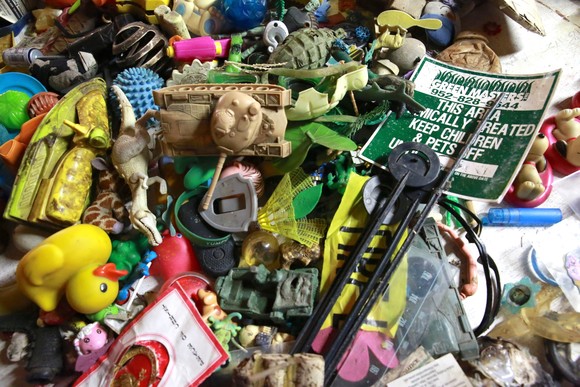 Plastics are common because they are cheap, lightweight, and versatile. More than one-third of plastics are used for packaging, including food packaging, grocery bags, and straws, which are all items that get tossed after one use. Plastic use has increased 20 times since the 1960s and will continue to increase if changes aren’t made.
The amount of plastic we use is problematic because:
- Most plastics are made from oil. About 4% to 8% of the world's oil production is for plastics.
- Plastics collect in our lakes and rivers and break down into micro and nanoplastics. These are threats for birds and wildlife and have known and unknown concerns for human health.
- Micro and nanoplastics have been found in our soil, water, and food. About 60% of microplastics come from high-income countries in the form of tire dust, pellets, textiles, and personal care products.
- Many plastic products can’t be recycled, such as cutlery, straws, toys, plastic furniture and most small plastic items, which means their only disposal option is in the trash.
Your plastic footprint
When you’re starting a journey to use less plastic, a good first step is to examine how and where plastic, especially single use and disposable plastic, is entering your home. This can help you focus on reducing plastics in ways that will be the most impactful for you and your household.
Look around your home and identify the largest sources of plastic. This might include plastic bags, packaging from deliveries, bottles for personal care and cleaning products, food packaging such as jugs, cups, containers, wrappers, beverage bottles, or something else.
By estimating how much waste you create, you can decide the best actions to focus on during these four weeks. The Omni Calculator plastic footprint calculator is one example of a calculator you could use.
Replacing disposables with reusables
Once you have a better idea how much plastic you use, get started today with these five simple swaps for single-use items:
-
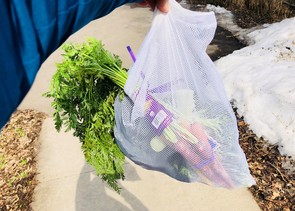
Plastic shopping bags: Start using your reusable bags for groceries, produce, and more, including clothing, shoes, gifts, or whatever you buy. Keep some bags near your door or in the car for easy access.
-
Plastic storage baggies: Plenty of alternatives for plastic zip bags exist. Use reusable containers in glass, ceramic, metal, or choose reusable snack bags.
-
Plastic utensils: Start by bringing your own reusable utensils for your home packed meals, then start refusing disposable utensils when they are offered in restaurants or to-go. Find a few reusable utensils at a thrift store if you don’t want to risk losing pieces of your regular set.
-
Plastic wrap: Use reusable containers with lids for storing foods, place a plate over a bowl in the refrigerator, or try an option like beeswax cloth to wrap over the top of your containers.
-
To-go coffee cups: Cut back or eliminate to-go coffee cups by using a reusable mug instead. Store an extra travel mug in your car or at work so you always have one handy and bring it with you when visiting a café.
|
Take action
You can select up to five daily actions and five one-time actions to work on during the challenge. Choose the following actions related to today’s content:
|
 |
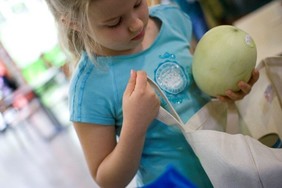
Because plastics are everywhere, getting rid of single-use plastic in your life is hard! It requires an ongoing commitment to choosing fewer plastics and creativity to find alternatives. Every week during the challenge, we’ll share tips about using the challenge website and how to use this experience to make lasting change in your life.
First up are steps to take to start forming new habits:
-
Be realistic: Set realistic goals that fit within your lifestyle. It’s best to start small and build on your successes. This is why you are limited in how many actions you can select.
-
Be specific: Think about each action you select and define what steps you must take to achieve that goal.
-
Make the commitment: Hold yourself accountable to visit the website and check back in on your progress.
|
To make it easier to access the challenge webpage for reporting and sharing:
Thank you to our many organizational partners for helping promote and engage participants for this challenge. Today, we'd like to extend a special thanks to our partners hard at work stewarding our resources, advocating and keeping our waters clean and healthy for future generations to enjoy:
Thursday, January 16: Tips for getting started and encouraging others to join
Friday, January 24: Selecting actions to work on during the challenge
Friday, January 31: The Plastic-Free Challenge starts tomorrow
|




