|
September 2024 Edition - Issue 2
Welcome to this edition of the Marine Debris in the Caribbean Newsletter! We divided this edition into two parts. In the first part, you will find a priceless piece of history on the non-littering campaigns in Puerto Rico written by our partner Javier Laureano, Director of the Water Division, from the Environmental Protection Agency, Region 2. You can access it at this link. It is available only in Spanish.
This is the second part of the September 2024 edition. Please take a look at the different updates from our Debris Plan partners, and the different events and funding opportunities. We are incorporating a new section to highlight some cool finds from beach cleanups!
|
|
One New Marine Debris Removal Project in the Caribbean Announced! |
|
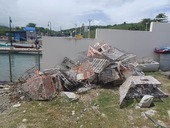 Traps removed from Puerto Rico’s east coast in a collaborative effort with local fishers. (Photo credit: NOAA).
|
|
¡Los esfuerzos positivos se resaltan!
Por: C. Ramírez, S. Larancuent y P. Lanctin del Estuario de la Bahía de San Juan
|
|
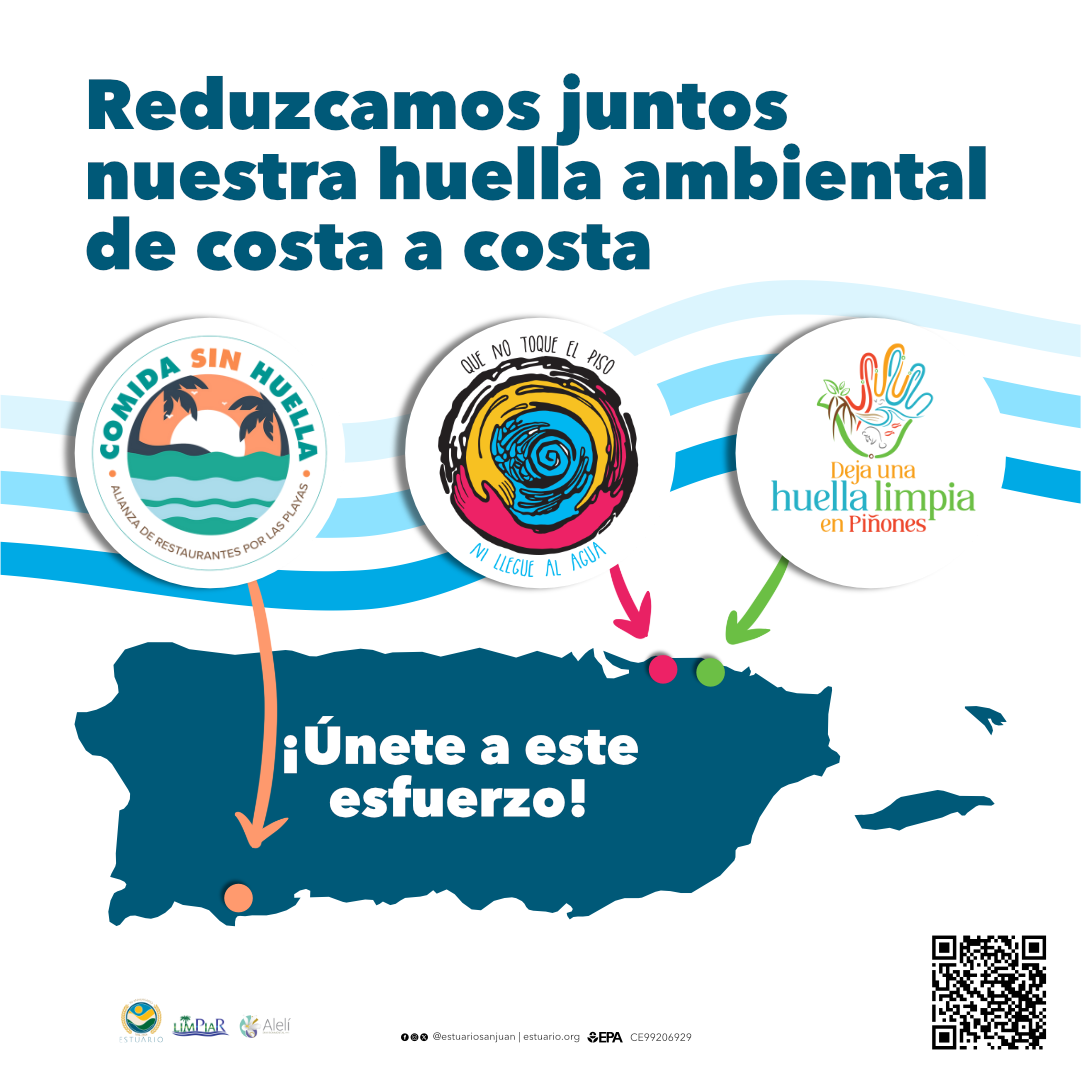 Promoción de la campaña que busca unir esfuerzos entre distintas organizaciones. (Imágen proporcionada por Estuario).
|
|
La campaña colaborativa entre las organizaciones ambientales Estuario, LimPiaR y Alelí Environmental busca precisamente eso. En el mes de agosto 2024 se llevó a cabo una serie de publicaciones para fomentar el movimiento “Reduce Tu Huella Ambiental de Costa a Costa” que busca visibilizar iniciativas locales a través de diversas comunidades de Puerto Rico a la misma vez que invita a otros colaboradores a sumarse al mapa. Estas iniciativas buscan promover el manejo correcto de residuos, desde una perspectiva consciente, responsable y saludable para mejorar la calidad de vida de las comunidades involucradas. |
|
 |
|
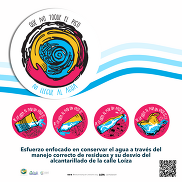
La campaña Que no toque el piso ni llegue al agua busca conservar la calidad de las aguas mediante el manejo adecuado de residuos a través de la comunidad de Machuchal en calle Loíza. |
|
|
 |
|
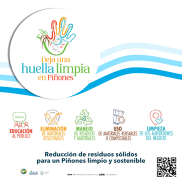
Con el fin de replicar este esfuerzo en otras áreas geográficas surge la campaña Deja una huella limpia en Piñones, es un llamado a la acción para conservar los ecosistemas costeros de Piñones a través de la reducción y disposición correcta de residuos. |
|
|
 |
|
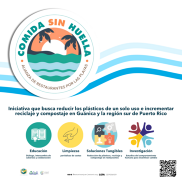
Por otro lado, Comida Sin Huella, busca reducir el plástico de un solo uso y redirigir otros residuos mediante el reciclaje, reuso y compostaje, promoviendo una economía circular. Todas con el fin de educar a los diversos sectores y promover el valor ecológico a través de la responsabilidad ambiental, apoyando a una transición limpia y sostenible. |
Estas campañas contribuyen a la meta de Prevención de Plan Estratégico de Puerto Rico para Reducir los Desechos Acuáticos, logrando evitar que los residuos lleguen a los ecosistemas acuáticos utilizando la educación y concienciación en las comunidades locales. ¡Invitamos a los lectores a participar en estas iniciativas y seguir nuestros esfuerzos en las redes sociales! Para conocer de este esfuerzo colaborativo pueden acceder en el siguiente enlace: https://www.alelienvironmental.com/s-projects-basic
|
|
¡Nuevo recurso en español para el monitoreo de desechos marinos!
Por Hillary Burgess, NOAA Marine Debris Program/Genwest System Inc.
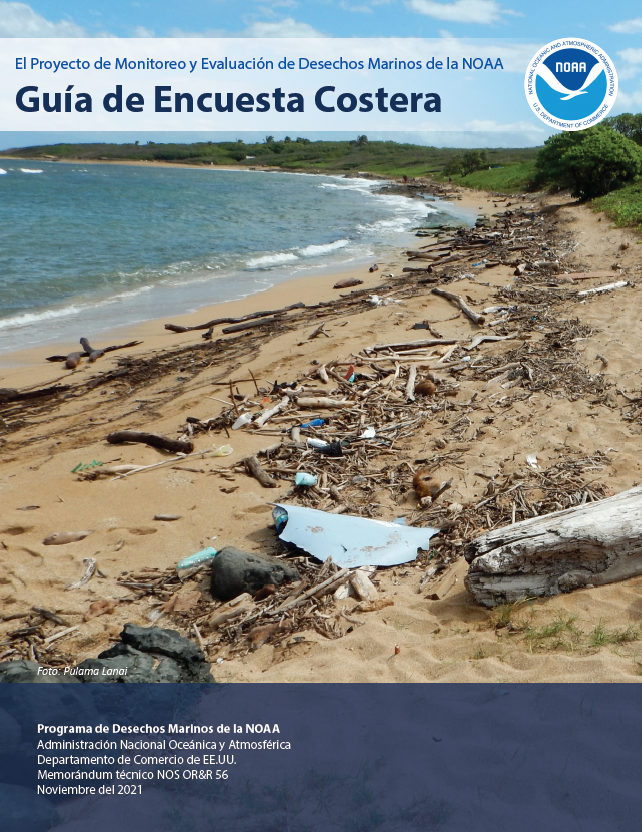
El Programa de Desechos Marinos se complace en presentar las versiones en español de la Guía de estudios costeros, la Guía de categorización de artículos y las Hojas de datos. Además de los tutoriales de MDMAP disponibles en español, estos materiales se desarrollaron en un esfuerzo por hacer que MDMAP sea más accesible para los hispanoparlantes. ¡Disfruta el monitoreo! (Imagen: NOAA).
English
The Marine Debris Program is excited to debut the Spanish versions of the MDMAP Shoreline Survey Guide, Item Categorization Guide, and Datasheets. In addition to the MDMAP Tutorials available in Spanish, these materials were developed in an effort to make MDMAP more accessible to Spanish language speakers. ¡Disfruta el monitoreo!
|
|
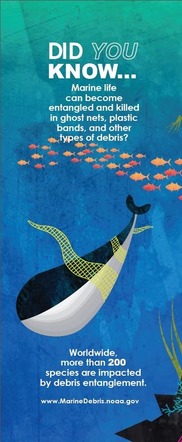
Back to School with NOAA MDP
School started recently, and Marine Debris Program has some resources for you to make sure marine debris prevention has a place in your classroom:
- Take a look at last year's blog from the September 2023 edition of this newsletter, where Alexandria Gillen (NOAA MDP Education Specialist) shares key MDP education resources for the Caribbean Community.
- Visit the MDP Education page for classroom resources.
- The recording for the Back to School webinar from the NOAA MDP Tropical Islands Partnering on Solutions webinar series is available and it features Zola Roper from the Department of Planning and Natural Resources, U.S. Virgin Islands
- Keep an eye out for the NOAA Marine Debris Program Art Contest for K-8 students! Opens Oct 15th.
- Interested in monitoring marine debris with your students? The MDMAP Guide for Educators is now available!
-
Explore three major types of coastal pollution: oil spills, marine debris, and harmful algal blooms - what they are, the problems they cause for our environment, and what we can do about them with this new resource from NOAA.
Any questions? Please reach out to Alexandria.Gillen@noaa.gov
Subscribe now to start receiving quarterly education newsletters!
|
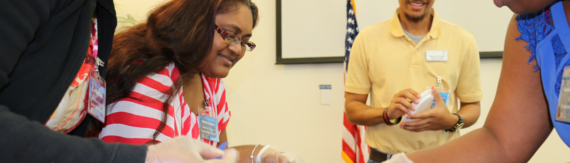 Learning about marine debris helps change behaviors and make a difference( Photo credit: UVI).
|
|
Announcement: Job Opportunity - Supervisory Program Manager, NOAA Marine Debris Program
Closes Sept. 17
NOAA, NOS, Office of Response & Restoration (ORR), Marine Debris Program
Serve as the Marine Debris Division Chief in the Office of Response and Restoration. Conceive, plan, and conduct innovative work of outstanding scope, difficulty, and complexity managing complex and extensive resource management programs of critical importance to the agency. Serve as high level agency representation and conduit to governmental and nongovernmental organizations; maintain existing partnerships and build new partnerships to enhance the effectiveness of OR&R's (Office of Response and Restoration) programs and increase organizational visibility and prestige. Provide direction and leadership to subordinates in full range supervisory capacity and objectives. More information and the job postings can be found HERE and HERE.
|
|
September 21st
International Coastal Cleanup
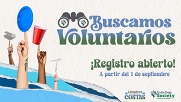
With the slogan “Harnessing the Power of People to Fight Ocean Trash” the Ocean Conservancy is promoting the 35-year-old International Coastal Cleanup. As described in their webpage, “In partnership with volunteer organizations and individuals around the globe, the International Coastal Cleanup® (ICC) engages people to remove trash from the world’s beaches and waterways.” You can be part of this event in our beloved Caribbean coasts by volunteering in the different events being hosted in Puerto Rico and the U.S. Virgin Islands.
|
|
 |
|
Puerto Rico: Scuba Dogs Society is training captains to host events around Puerto Rico. Please visit their webpage to find cleanup opportunities near you. |
|
|
Save the Date!: Interagency Marine Debris Coordinating Committee (IMDCC) Public Meeting
On September 24, 2024, the Interagency Marine Debris Coordinating Committee (IMDCC) will hold a virtual public meeting, from 2 p.m. to 3 p.m. ET. The public meeting will include a presentation from the Executive Director of the Marine Debris Foundation and a presentation from a National Aeronautics and Space Administration summer intern on relevant marine debris research.
Established by the Marine Debris Act (33 U.S.C. 1954), the IMDCC is a multi-agency body responsible for coordinating a comprehensive program of marine debris research and activities among United States Federal Government agencies, in cooperation and coordination with non-governmental organizations, industry, academia, states, Tribes, and other nations, as appropriate. Representatives meet to share information, assess and promote best management practices, and coordinate the Federal Government’s efforts to address marine debris.
Registration is required to attend the meeting. You can register using this link.
Attendance will be limited to the first 500 individuals to join the webinar and there will not be a public comment period. Find information on how to participate and the agenda on the IMDCC webpage, or by reviewing the Federal Register Notice. The meeting will not be recorded, although any meeting materials will be made available on the IMDCC webpage.
Please contact Ya’el Seid-Green (yael.seid-green@noaa.gov), IMDCC Executive Secretariat, with any questions.
Save the Date!: TIPS - “From Gear to Ghost: Reeling in the Problem.”
Tropical Islands Partnering on Solutions for Marine Debris (TIPS) is a bimonthly online webinar series hosted by the NOAA Marine Debris Program. The goal of the TIPS series is to help tropical island communities connect and share perspectives from across the tropics on common marine debris issues and proposed solutions.
Join us on October 8th at 4pm EDT for our next webinar, “From Gear to Ghost: Reeling in the Problem.” Speakers from Florida, the Caribbean, and the Pacific Islands will discuss their work on mitigating abandoned, lost, or otherwise discarded fishing gear. Register here.
If you’re interested in learning more about TIPS or watching past webinars, you can visit our website or subscribe to our newsletter.
|
¡Reserva la fecha!: AquaFest: Festival de Aguas Limpias y Comunidades Saludables
El AquaFest es un evento que persigue los siguientes objetivos:
- Concientizar sobre los desechos acuáticos y su impacto en el medio ambiente.
- Involucrar a la comunidad en actividades prácticas y talleres educativos.
- Promover prácticas y soluciones sostenibles para reducir los desechos acuáticos.
- Fomentar la colaboración entre organizaciones locales y partes interesadas en los esfuerzos de conservación de los océanos.
Esta primera edición del festival, que cuenta con el lema “Unidos por la Prevención de la Contaminación Acuática”, está siendo organizada por distintas organizaciones ambientales y se celebrará el 7 de diciembre a partir de las 10AM en los predios de la Finca Higuaca en Cabo Rojo, Puerto Rico.
Durante el AquaFest, los participantes podrán gozar de una variedad de actividades educativas y recreativas, incluyendo:
- Charlas informativas sobre la importancia de mantener las aguas limpias y la implementación de la Ley 51-2022.
- Talleres de reúso y reciclaje, dirigidos a fomentar prácticas sostenibles en el manejo de residuos.
- Exposiciones de artesanos locales, quienes mostrarán productos elaborados con materiales reciclados y reusados.
- Presentaciones de música en vivo, ofreciendo un ambiente festivo y atractivo para todas las edades.
¿Quieres saber cómo auspiciar o colaborar en la actividad? ¿Necesitas un espacio para exhibir tus artesanías con materiales reusados o reciclados? Comunicate con Fabiola Torres de Conservation Opportunity (ftorres@conservationopportunity.org) para más información.
Esta iniciativa surge como una acción identificada dentro del marco del Plan estratégico de Puerto Rico para reducir los desechos acuáticos, publicado por la NOAA y EPA, pero liderado por distintos grupos alrededor de la isla.
|
|
|
Funding Opportunity: The NOAA Marine Debris Program announces the 2025 Funding Opportunities
The National Oceanic and Atmospheric Administration’s (NOAA) Marine Debris Program is pleased to announce two Fiscal Year 2025 Notices of Funding Opportunity for both Marine Debris Removal and Interception Technologies under the Bipartisan Infrastructure Law. The NOAA Marine Debris Program will award up to $54 million across two funding opportunities:
Fiscal Year 2025 NOAA Marine Debris Removal under the Bipartisan Infrastructure Law with Letters of Intent due on September 27, 2024, 11:59 p.m. The Marine Debris Removal funding opportunity prioritizes the development of large scale marine debris removal projects. These removal projects should focus on large marine debris, including abandoned and derelict vessels, derelict fishing gear, and other debris that is generally unable to be collected by hand. Applicants may submit letters of intent (LOI) from July 24 to September 27, 2024 for this opportunity.
Fiscal Year 2025 NOAA Marine Debris Interception Technologies under the Bipartisan Infrastructure Law with Letters of Intent due on October 09, 2024, 11:59 p.m. The second funding opportunity for Marine Debris Interception Technologies focuses on the installation, monitoring, and maintenance of proven marine debris interception technologies that will capture marine debris at or close to known marine debris sources or pathways. These proven technologies may include litter traps, shoreline removal technologies, booms, skimmers, conveyors, floating collection devices, and other technologies that do not require additional research and development. LOIs can be submitted for this opportunity from July 24 to October 09, 2024.
Note that these are two separate funding opportunities, and they have different application requirements. Applicants wishing to compete under both funding opportunities must submit separate applications for each. NOAA expects to fund awards from each competition depending on the merit of submitted proposals. Applicants who submit successful LOIs will be invited to submit a full proposal following the LOI review period.
Funding Opportunity: FY 2025 Opportunity for the Development of Sea Grant Projects
U.S. Virgin Islands!
Approximately $2,400,000 of federal funds may be available, pending future federal appropriations, to support two awards in order to develop a new Sea Grant project in the U.S. Virgin Islands and the Commonwealth of the Northern Marianas Islands. Awards will be made for no more than $1,200,000 in federal funds per four year project, not to exceed $300,000/year. There is a required 50% non-federal match for all Sea Grant federal funding. All projects must take place within the United States or territories or their respective waterways.
The following entities, located within USVI or CNMI, are eligible and encouraged to participate in this funding opportunity: Institutions of higher education, or any public or private corporation, partnership, or other association or entity or any State, political subdivision of a State, Tribal government or agency or officer thereof.
The National Sea Grant Office supports the development of Sea Grant projects and programs in the remaining geographic areas that are eligible for Sea Grant College Program designation in accordance with the National Sea Grant College Program Act, as amended in 2020 (33 U.S.C. 1121 et seq.) and the U.S. Code of Federal Regulations (15 CFR 917 and 15 CFR 918), which set forth the eligibility, qualifications and responsibilities for Sea Grant programs. Applications must be submitted to Grants.gov by October 11, 2024. Learn more about the opportunity and read the full Notice of Funding Opportunity
Funding opportunity: Environmental and Climate Justice Community Change Grants Program
The EPA is accepting applications through November 21, 2024, for the historic Environmental and Climate Justice Community Change Grants Program (CCGP). This $2 billion grant competition is designed to advance environmental justice by reducing pollution, strengthening climate resilience, and building partnerships with community-based organizations (CBOs) in communities across the country. By statute, tribes must partner with Community Based Nonprofit Organizations (CBO) to be eligible for this funding (see below for more information about CBOs).
Through Target Investment Areas, EPA hopes to award an estimated $150 million for projects benefiting Indian Tribes in Alaska and an estimated $300 million for projects benefiting Indian Tribes in the Continental US and Hawaii. Applicants in these target areas only compete against each other, but these amounts are subject to change according to the number and quality of applications. EPA encourages tribes to partner with CBOs and apply for this historic funding opportunity.
You may request Technical Assistance (TA) for developing your application through EPA’s TA contractor, EnDyna, until 11:59 pm Eastern Time on August 16, 2024 here. A TA provider can help you determine whether a Community Change Grant is right for you, so request TA today!
 Our partners from the University of the Virgin Island have inspired us to add a section on the Newsletter on unique finds. Did you get to read the “Oh My, Octopi” and the “Message in a bottle” blogs submitted by them? If not, you are missing out on two great stories!
We want to see the unique (aka weird) items you have found during your cleanups or walks on our Caribbean beaches. Please submit them to me at yaritza.rivera@noaa.gov with a short explanation and photo credits. Here are three items I found while monitoring the Guanajibo area in Mayaguez and while walking in Ponce, Puerto Rico.
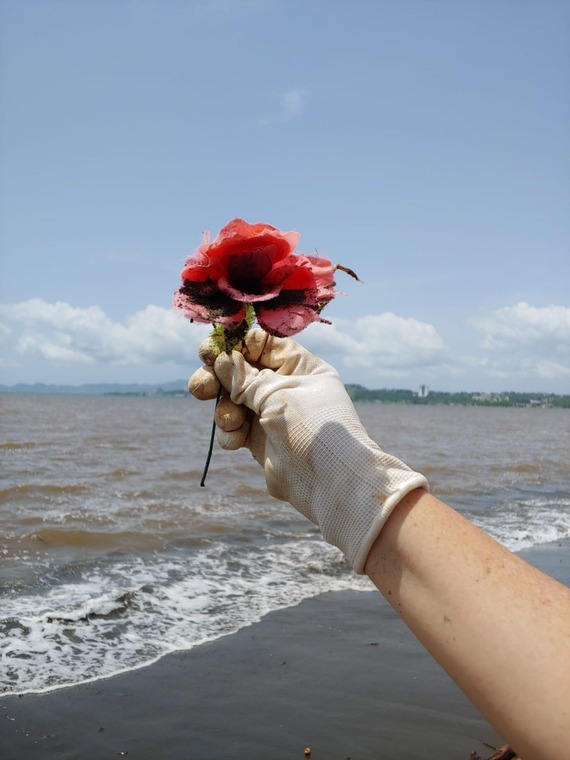 These plastic flowers didn’t make me happy! (Photo credit: NOAA).
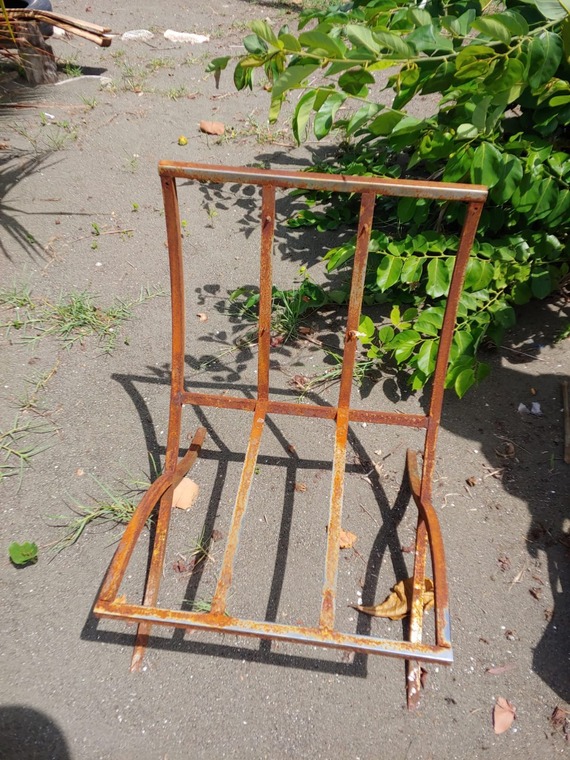 Want to take a break from beach monitoring and sit in this comfortable chair frame? (Photo credit: NOAA).
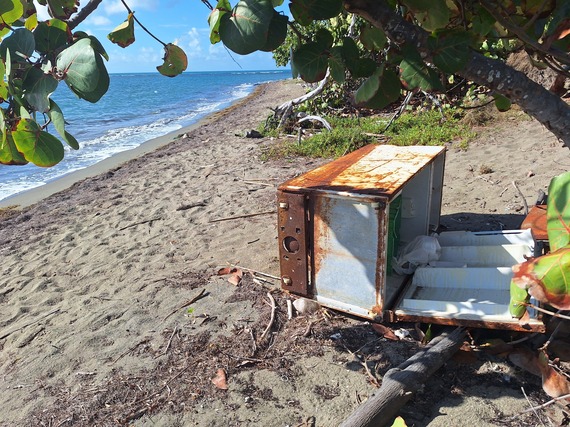 When a small cooler is not enough to keep your beach snacks cool, why not bring a whole fridge? Photo at Ponce, PR (Photo credit: NOAA).
|
|
The articles written by partners are not the opinions of the National Oceanic and Atmospheric Administration (NOAA) and do not imply that NOAA recommends or endorses those expressed by partner organizations. These opinions and their associated actions will be carried out by interested partner organizations and are not affiliated with NOAA or the NOAA Marine Debris Program. |
|
|
|
|