|

SEEN
Somerset Environmental
and Ecological News
|
 |
|
|
|
Hello SEEN readers,
Welcome to July’s edition of SEEN. This month usually brings an abundance to fruit and vegetable gardens. While some crops, like raspberries and cherry plums, are thriving in the hot, dry weather, others have suffered from drought and early feeding by caterpillars and wasps. With water in short supply, insects and wildlife are turning to fruit for both hydration and sugar. If possible, please leave shallow dishes of water outside to help support them.
Now is a great time to consider retrofitting your home for energy efficiency and comfort. Better insulation keeps your home warm in winter and cool in summer, and adding double glazing, lined curtains, or shutters can make your home comfortable year-round. For retrofit advice, visit the Centre for Sustainable Energy’s (CSE) Home energy advice page and thermly.co.uk.
This month we share:
- How renewables now outperform fossil fuels on cost
- Support for switching to EVs
- Sustainable fashion for a greener future
- What to do with a lot of courgettes?
And do send in any of your eco stories to include from the wider community of Somerset – contact details at the end of this newsletter.
Best eco wishes,
The Climate Team
|
|
Renewables outperform fossil fuels on cost for power generation
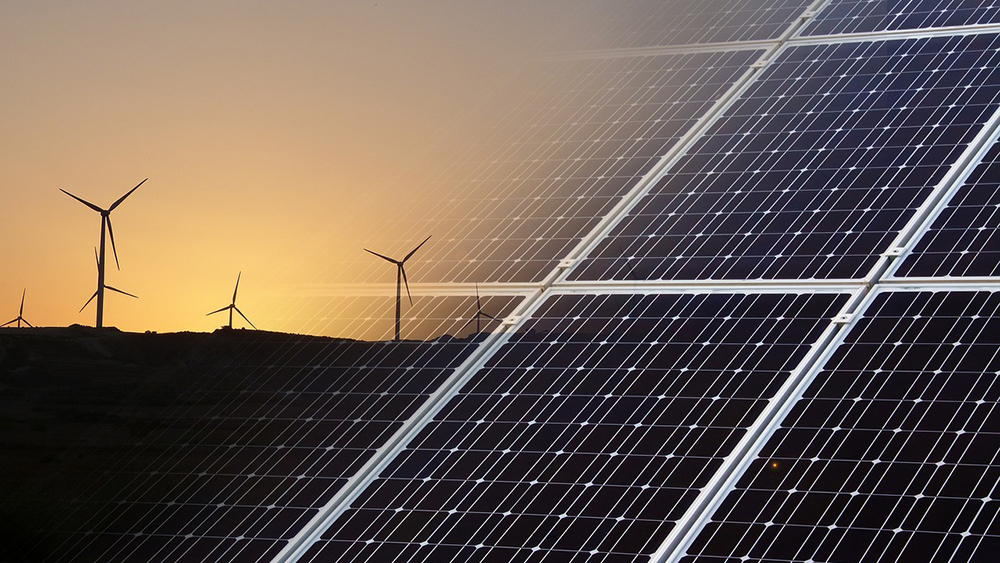 A report by the International Renewable Energy Agency (IRENA) on Tuesday, 22 July, showed how renewables are more cost effective than fossil fuels for electricity generating.
A target was set at the COP28 UN Climate Conference in 2023 to triple the amount of renewables, such as wind and solar, to keep within a 1.5°C (2.7°F) warming limit this century.
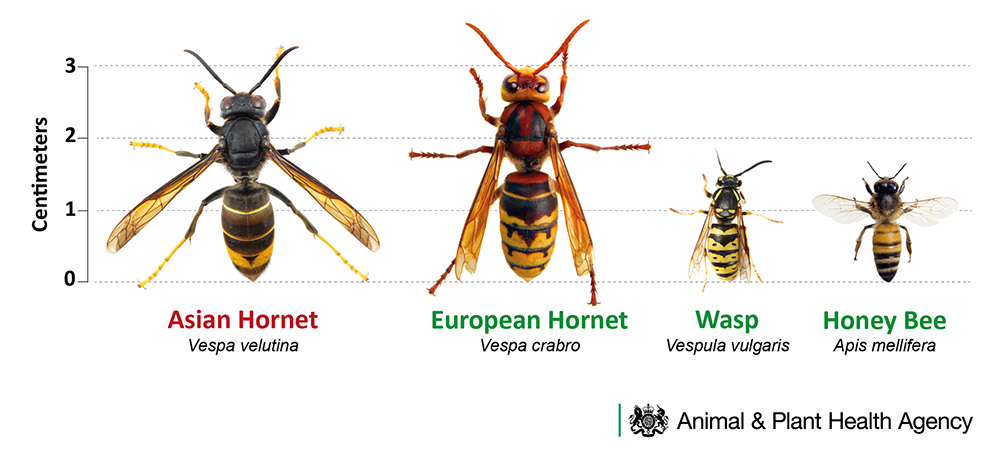
Credit: APHA
The Yellow-Legged Asian Hornet is an invasive non-native species and a major threat to all our native pollinators and other insects.
They’re particularly notorious for their predation of insects and spiders, with honeybees being their primary target. They have a voracious appetite, with each colony capable of consuming over 100,000 insects in a single season.
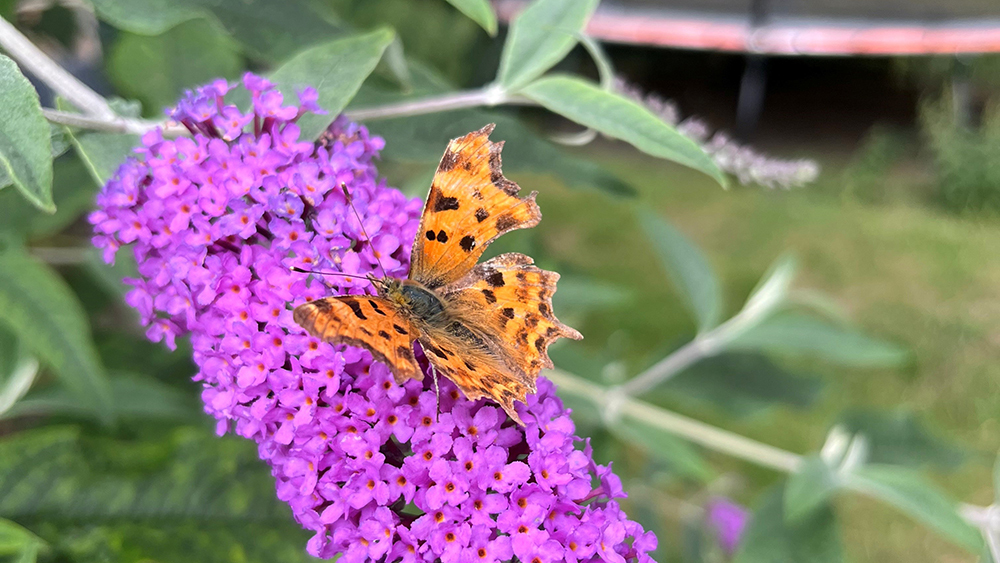
Credit: Cara Naden
The Big Butterfly Count is a nationwide citizen science survey that helps us assess the health of our environment. Launched in 2010, it has quickly become the world’s largest butterfly survey.
In 2022, over 64,000 citizen scientists took part, submitting 96,257 records of butterflies and day-flying moths from across the UK.
Support to increase switch to EVs
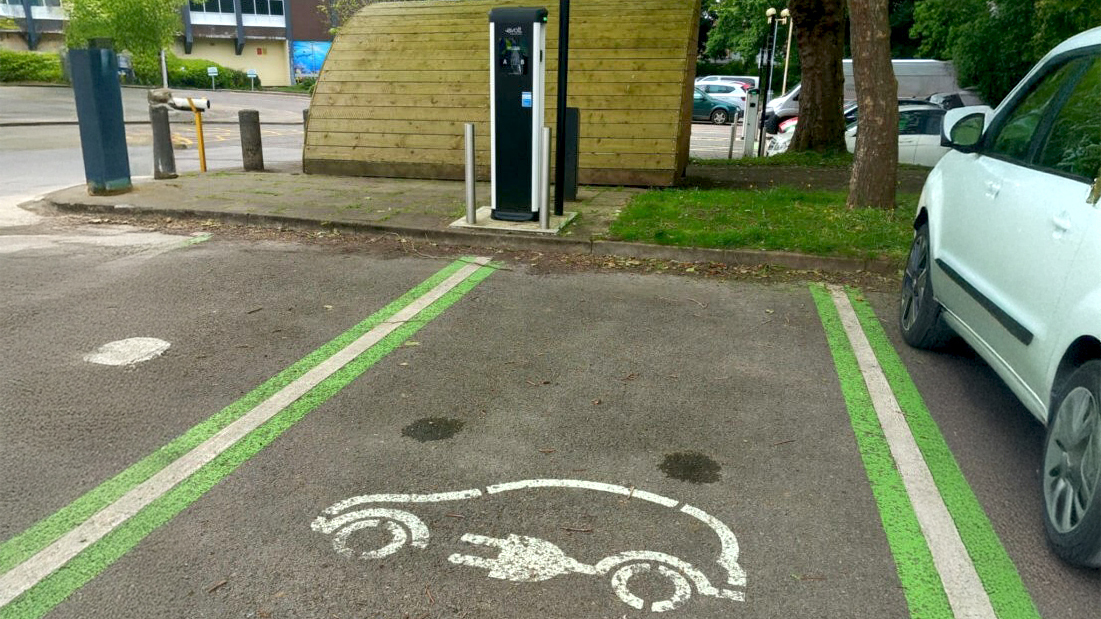 The government has announced subsidies to reduce the cost of buying new electric vehicles under £37,000 at the point of sale, alongside council funding to expand charging infrastructure – adding to the existing 82,000 public charging points.
As we approach 2030, when sales of new fossil-fuelled cars will be banned, even more support is needed to speed up the transition to electric vehicles. This shift will drastically cut air pollution, ease pressure on the NHS, and improve our quality of life.
Here in Somerset, we have EV charging available in many public car parks. To find a charging point near you, visit zap-map.com.
|
|
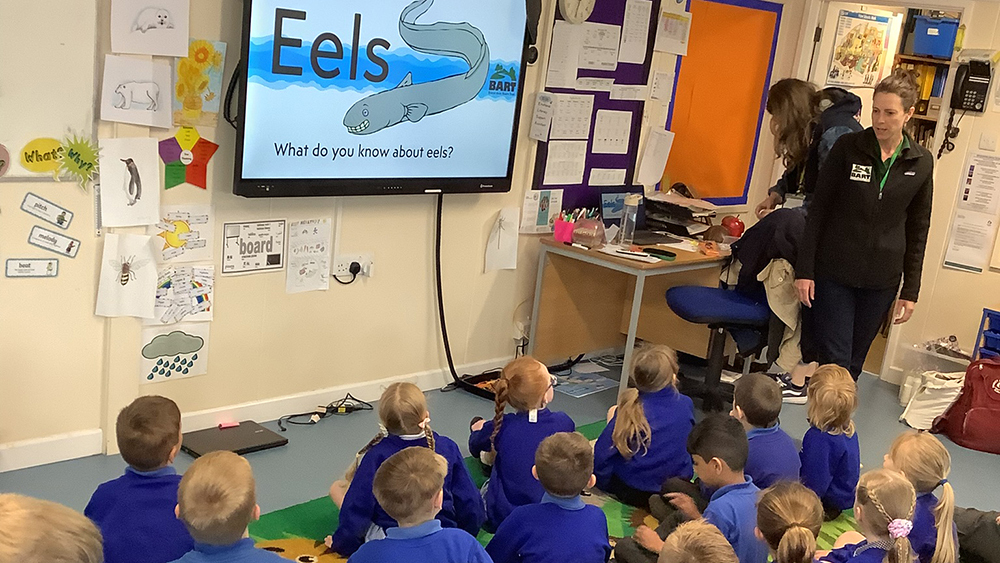 Bristol Avon Rivers Trust (BART) hosted an Eels in the Classroom 2025 event in the River Sheppey area, funded by the Wild Trout Trust.
This project involves educating children about the critically endangered European eel (Anguilla anguilla), a species which is present but struggling in UK rivers, in both classroom-based and outdoor river-based sessions.
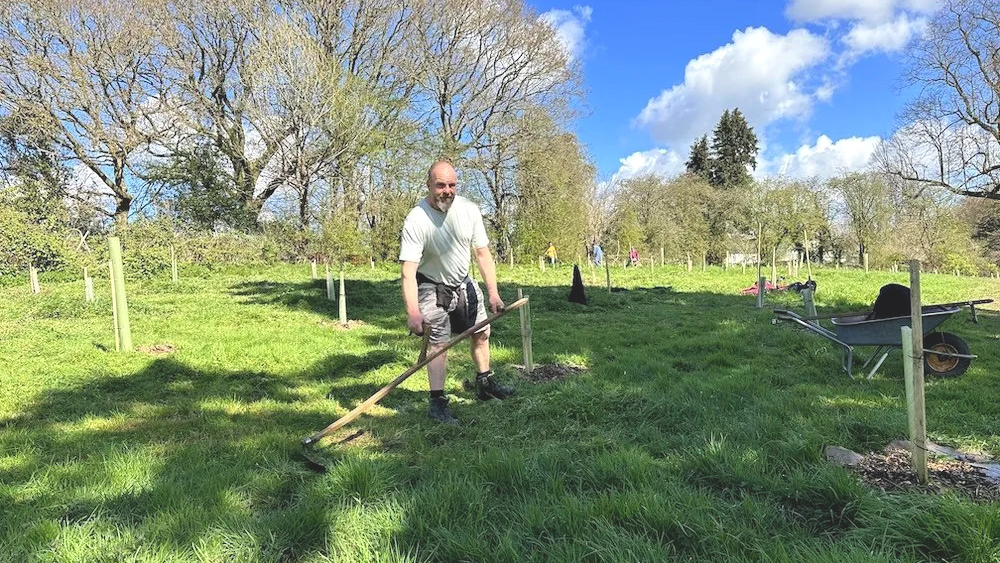
Credit: TTW
Many hands make light work, so they say – and when our Highways Team approached Transition Town Wellington (TTW) with the idea of having their volunteer day on one of the many green sites that the group manages in Wellington, they jumped at the chance!
After several months of planning, the day finally arrived – a perfect June day, warm and summery.
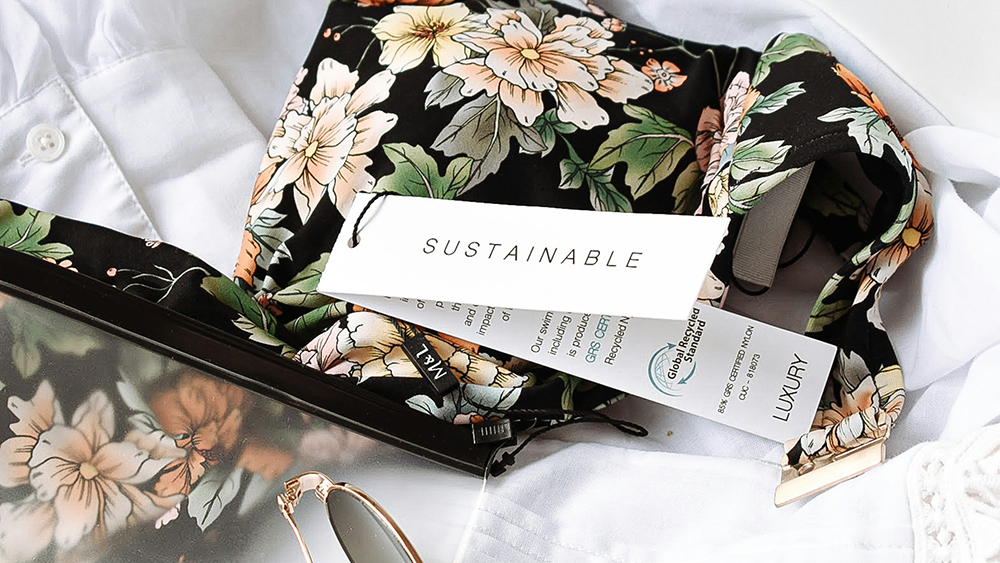
Community Clothing champions sustainable fashion for a greener future
Stock image by Harper Sunday from Unsplash
The fashion industry has taken its toll on the environment, from the increased use of synthetic materials such as plastics in threads to the toxins used in farming natural fibres and textiles. Toxic chemicals have also been found in the production of bamboo and other plant fibre-based materials.
This raises the question: where should we buy our clothes to ensure we’re making the right choices for people and the planet?
|
|
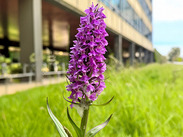
We received a lovely message from local resident, Lou, thanking us for not over-cutting the grass in the atrium at County Hall this summer, as she spotted not 1 but 2 species of orchid!
The Southern Marsh Orchid has bloomed again, alongside the Common Spotted Orchid. The Chimney Sweeper Moth was also seen laying eggs in this patch.
Thank you, Lou, for sharing your fabulous photos, which show just how leaving areas for nature can benefit flowers and insects, while bringing joy to people nature-spotting on their lunch break.
|

Bridgwater has a rich maritime heritage. In years gone by, coal barges would dock to unload at the coal yard – now replaced by an apartment block – before setting off again, loaded with bricks from the local kiln.
That same kiln now forms part of the Somerset Brick and Tile Museum. Barges would carry these bricks across the water to Wales, forming a vital part of the region’s industrial story.
|

Did you know you can recycle all drinks cartons in your kerbside collection, including Tetra Pak cartons with foil layers? These are reprocessed in the UK, with the cardboard fibres recycled.
Please remember to rinse, flatten, put the lid back on (if it has one), and add to your green recycling box.
On average, drinks cartons are made from 75% wood fibre, which is easily recycled, 4% aluminium to keep drinks fresh, and 21% polymers – thin layers of polythene that prevent leaks.
For more information, visit our Recycling collections page to see what you can recycle each week.
|

Food waste includes both avoidable and unavoidable items – the latter being things you wouldn’t normally eat, such as onion peelings, eggshells, bones, and peach stones. We’re encouraging everyone to pause before tossing food. Even careful recyclers in Somerset throw away an average of 58 loaves of bread (46kg) per household each year.
If you need a replacement kitchen caddy or food recycling bin, you can order one from our Replacement bins and recycling containers page.
All food waste collected is turned into renewable electricity. It’s sent to an anaerobic digester near Bridgwater, where it produces biomethane biogas for electricity and leaves behind material used as a soil improver on local farms.
|
|
|

Visit our events calendar below for a fantastic array of upcoming climate-related activities designed to engage and inspire you – our SEEN community!
Whether you’re interested in environmental conservation, local wildlife or simply looking for a fun day out with the family, these events provide the perfect opportunity to connect with like-minded individuals and learn something new.
Similarly, if you’re holding an eco-event of your own, email us at climateemergency@somerset.gov.uk so we can tell our readers.
|
|
|
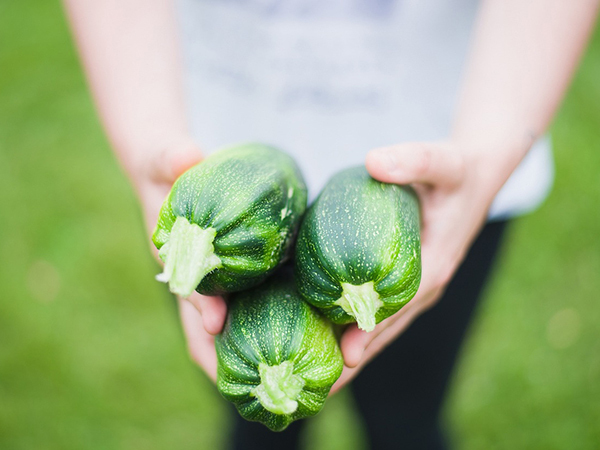
What to do with a lot of courgettes?

You might have, or know a friend or neighbour with, a glut of courgettes and find yourself unsure what to do with them besides giving them away.
However, there are so many recipes you can make with courgettes – including a zucchini cake (rest assured, the cake doesn’t taste of courgette) – and many more ways to turn them into something delicious. Think soups, pickles, fritters, or even grating them raw into salads.
Check out recipes online or in a cookbook, which you can also borrow from your local library.
|
|
|
 This is your newsletter, and we want to hear about the great environmental work happening where you live, or what you do to make a difference every day with your brilliant eco hacks and tips.
You can make suggestions about what you would like to see more of in future editions of SEEN and have your say on previous stories and topics.
We would love to hear from you.
Get in touch at climateemergency@somerset.gov.uk.
|
|
|
|
|