|
|
Pest Survey Program field and lab specialists carried out several early detection surveys for high-risk plant pests during the 2025 season. Our survey targets included various USDA APHIS national priority pests such as the black spruce beetle and rosy moth, which have never been found or reported in the state. Detection efforts also focused on emerging threats like spotted lanternfly and hemlock wooly adelgid, two insects that have been periodically intercepted and require ongoing survey and inspection work to prevent their introduction into Wisconsin.
In addition to these exotic pest detection projects, DATCP’s Spongy Moth Program completed its annual trapping survey to identify emerging populations and determine future treatment areas. This issue of Field Notes highlights the results of our 2025 forest and nursery pest surveys and provides an update on the recent discovery of a new juniper disease in the state.
__________________________________
|
|
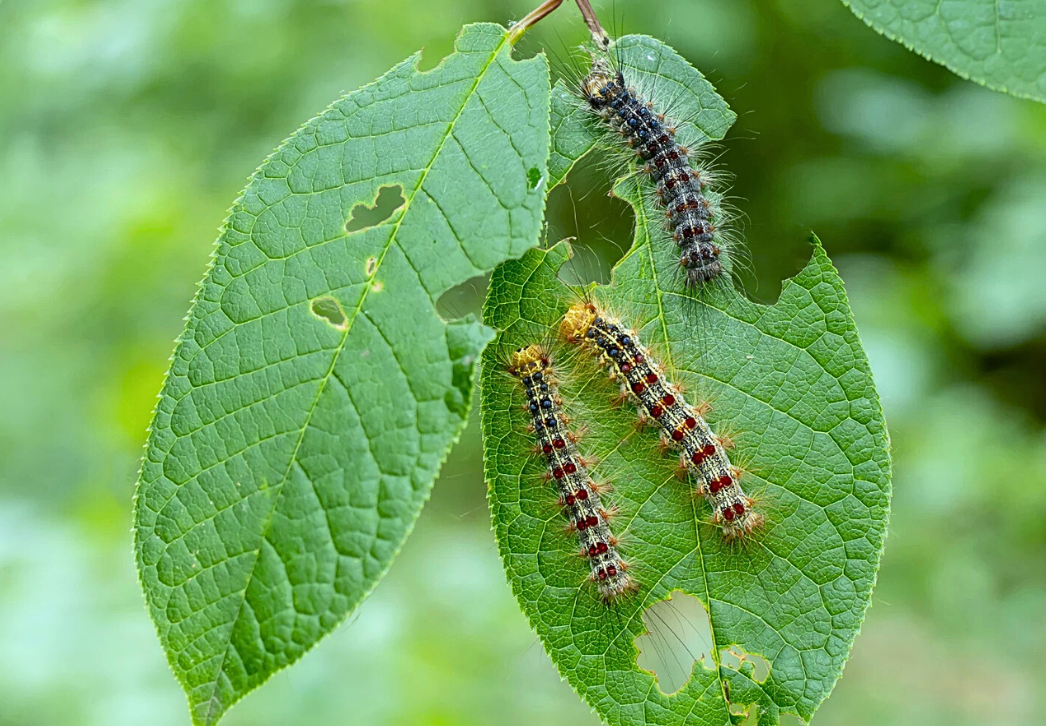
The most destructive spongy moth outbreak on record in Wisconsin officially ended in 2025. After a seven-year epidemic that began in 2019 and peaked in 2023, larval populations, defoliation, and moth counts plummeted this season. During the three worst years of the outbreak (2022 to 2024), the Wisconsin Department of Natural Resources' (DNR) Forest Health team mapped a total of 794,000 acres of tree defoliation: 89,000 acres in 2022, 375,000 acres in 2023, and 334,000 acres in 2024.
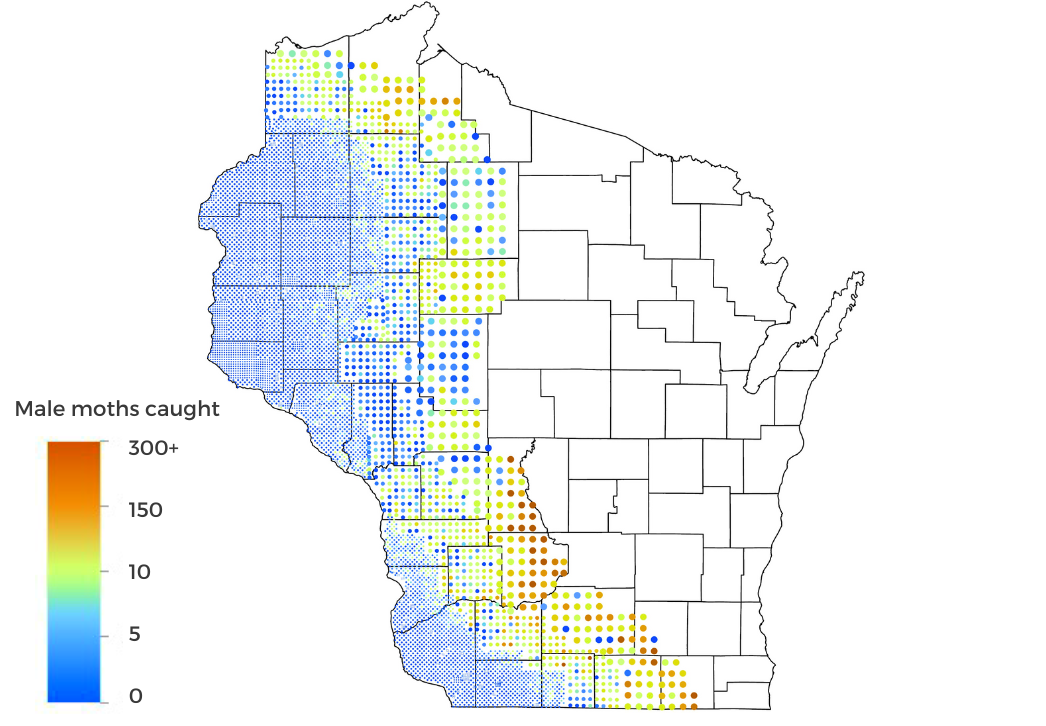
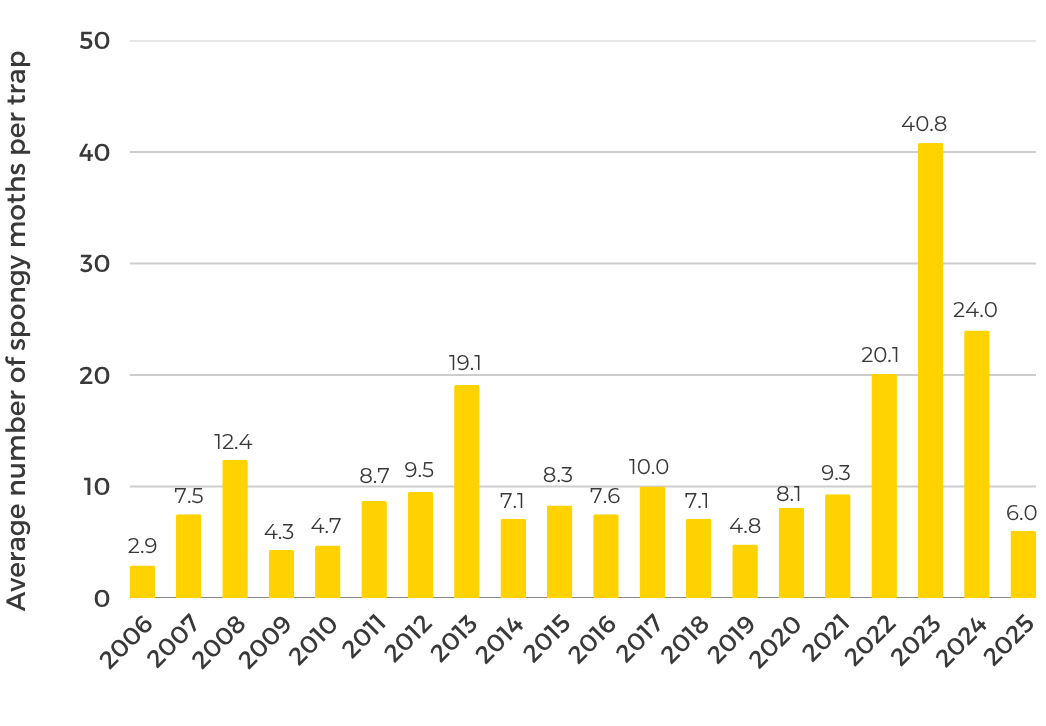
According to DATCP’s Spongy Moth Program annual trap data, the 2025 state total catch was 47,344 moths in 7,849 traps, or 6.0 moths per trap average. This year’s average count is one-quarter of the 24.0 moths per trap average in 2024 when 213,702 moths were collected in 8,921 traps, and roughly one-seventh of the all-time record high average of 40.8 moths per trap in 2023, when 397,415 moths were captured in 9,733 traps. The 2025 average of 6.0 moths per trap is also well below the 20-year average of 11.1 moths per trap. |
|
Although moth counts were markedly lower and indicated a population crash, the effects of the multiyear outbreak on Wisconsin’s native oaks became more pronounced this season. Areas of the state that experienced heavy defoliation in combination with drought stress from 2022 to 2024 were especially hard hit. Based on DNR estimates, 14,324 acres of oak mortality were observed in 2025, mainly in pockets in the south-central, southwestern, northeastern, and northwestern counties. Tree mortality and other residual effects of the outbreak are expected to persist for a few more years. |
|
__________________________________ |
|
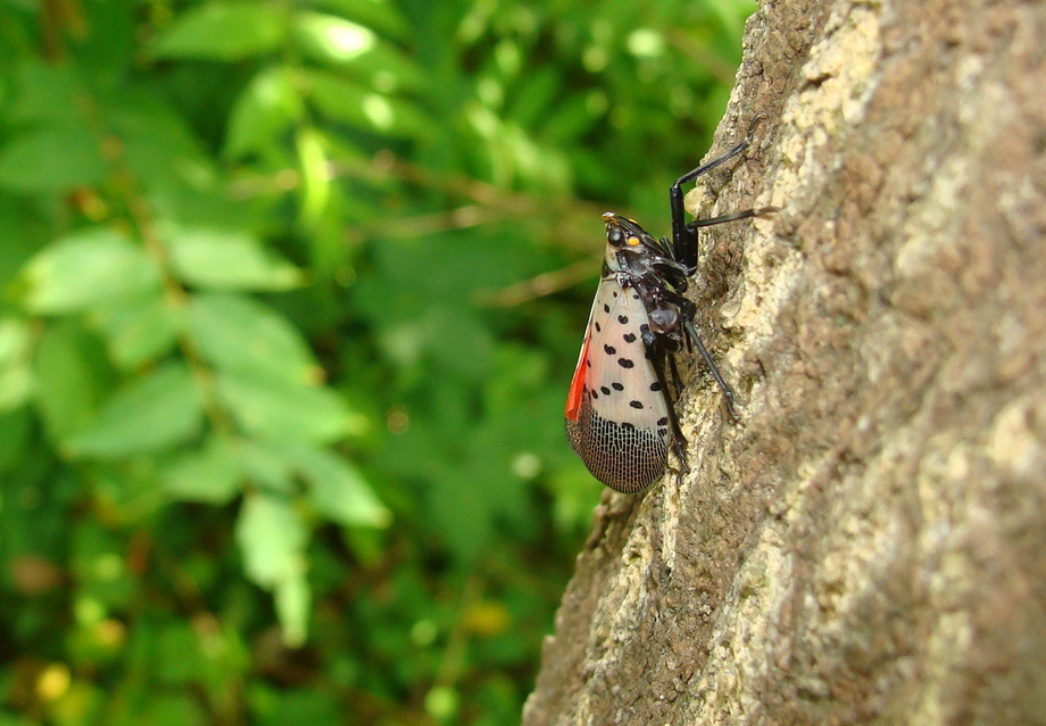
Detection work for the spotted lanternfly (SLF) has been underway in Wisconsin for the past seven years. From its initial discovery in Pennsylvania in 2014, this pest has spread to 19 other states and continues to edge closer each year. It is established in the Chicago area of Illinois, in several Indiana counties, and in eastern Michigan.
While SLF has not yet been found in Wisconsin, the 2025 season brought new potential sightings and reports, as well as a U.S. Customs and Border Protection (CBP) interception on a Lake Michigan barge en route to Milwaukee. The live SLF were found by CPB agriculture specialists who notified DATCP before the ship docked at the port. All of the SLF life stages were killed with insecticide, and follow-up surveys at the site found no further signs of the invasive insect. This close call underscores the importance of CBP as a “first line of defense” against invasive species and plant diseases and the risk of international ports as introduction pathways for plant pests.
In addition to the surveys at the Port of Milwaukee, DATCP field staff conducted SLF visual survey work in 14 counties along the perimeter of high-risk introduction pathways (i.e. railyards, warehouses), or as follow-up responses to sightings reported by the public. A total of 158 visual surveys were completed and 506 new locations of tree-of-heaven, the primary host of spotted lanternfly, were logged.
To date, no active SLF infestations have ever been found in Wisconsin. Consistent detection efforts, extensive outreach, and partnership with CPB have so far kept SLF out of the state. Growing awareness and DATCP’s preparedness offer hope that the pest’s impact will be low when it eventually arrives. |
|
__________________________________ |
|
Another Customs and Border Protection (CBP) interception this season prevented the European cherry fruit fly (ECFF) from reaching Wisconsin. In June, CPB specialists at the Detroit Metro Airport stopped a traveler headed for Door County carrying a five-pound bag of cherries infested with live ECFF larvae and pupae. Had the infested cherries been transported into the state, they could have become an introduction point source for a pest that is a significant threat to Wisconsin’s $2 million dollar tart cherry industry.
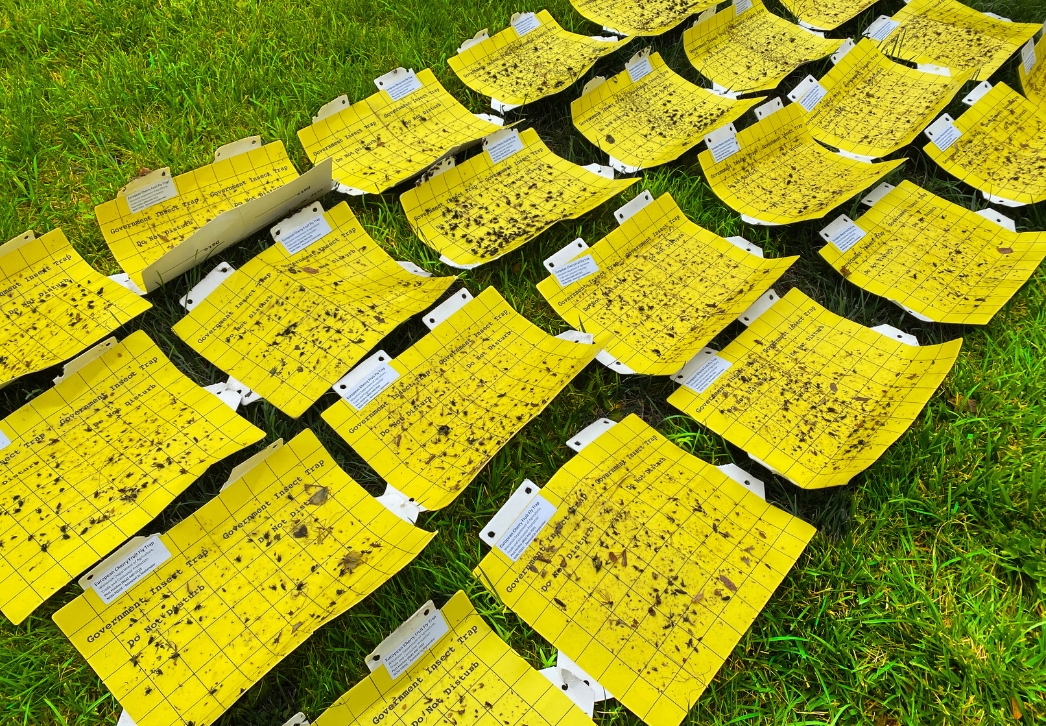
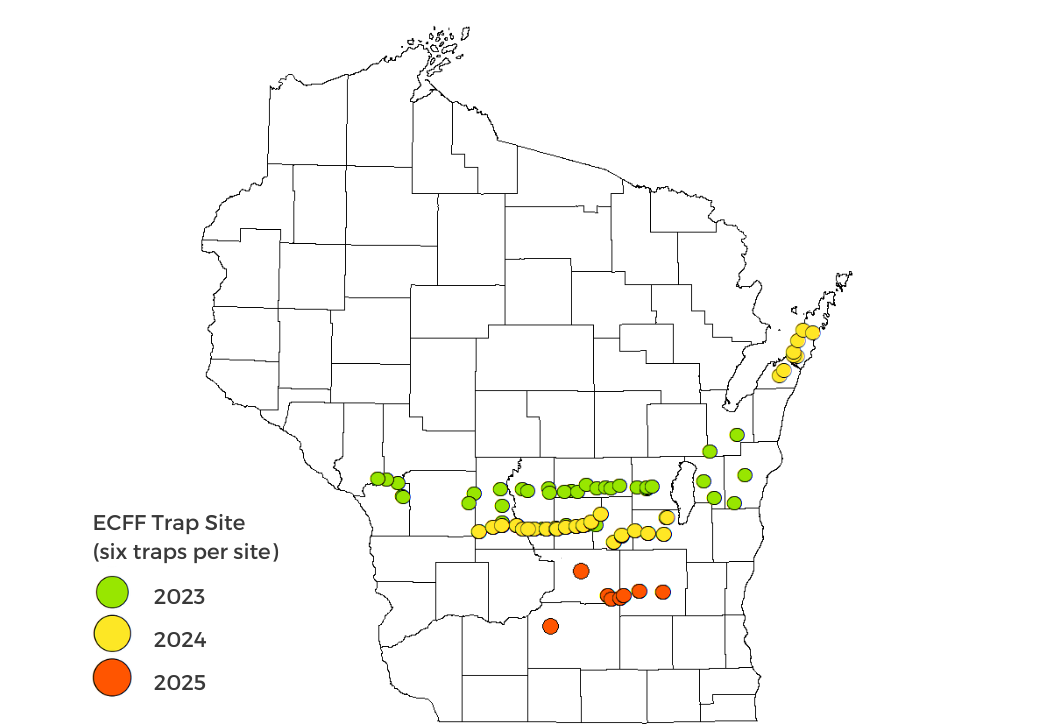
European cherry fruit fly has been reported in North America since 2016 and currently occurs in 11 western New York counties bordering Lake Ontario. DATCP’s Pest Survey Program has been aware of the ECFF threat for the last decade and has conducted large-scale early detection surveys for it since 2018. These surveys involve setting hundreds of yellow sticky traps (refer to photo above) that attract ECFF adults. So far, all traps have been negative and ECFF has never been found in any of the state’s cherry orchards. |
|
__________________________________ |
|
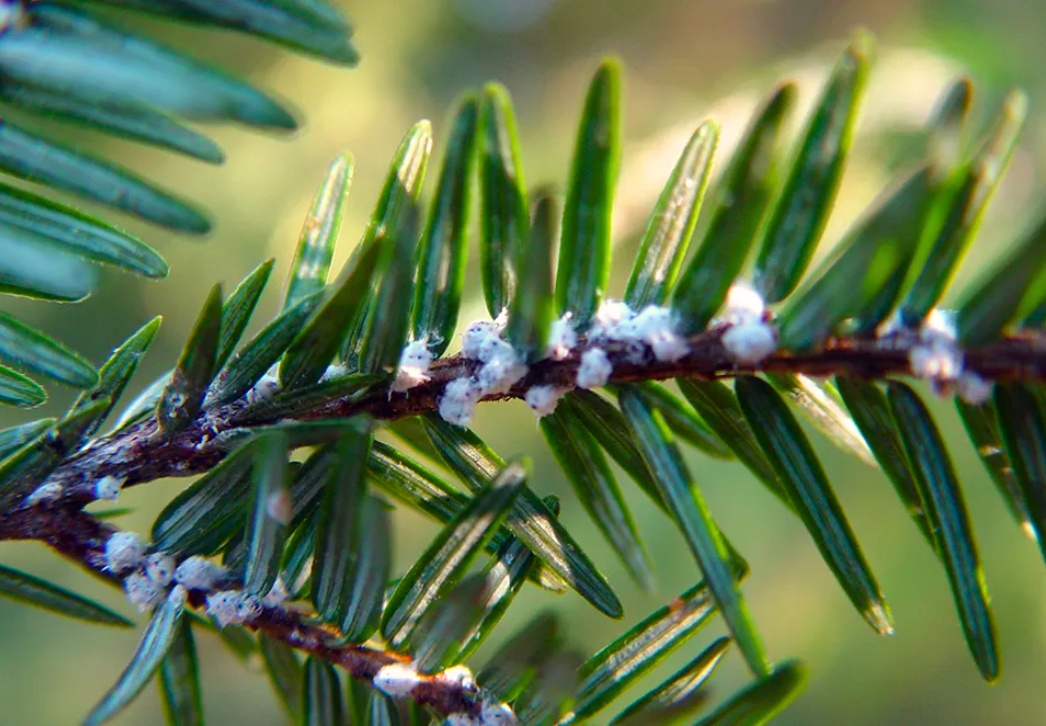
As retailers begin offering assorted seasonal wreaths, Christmas trees, cut branches, pinecones, and other holiday décor, consumer awareness is important for helping to prevent pests and diseases from spreading with these plant materials. Two invasive pests that have been intercepted in Wisconsin on nursery stock, fir trees, and décor are hemlock woolly adelgid (HWA) and elongate hemlock scale (EHS). Both insects are harmful to hemlock trees and are established nearby in western Michigan.
Exterior quarantines enacted by DATCP since 2022 have helped to keep EHS and HWA out of the state, while routine nursery and Christmas tree lot inspections often identify infested trees and plants before they are sold. The role of the Pest Survey Program is to conduct surveys to detect any introduced populations that may be developing in Wisconsin urban and forested areas. Visual surveys involve locating hemlock sites and inspecting hemlock branches and needles for signs of HWA and EHS. In 2025, staff performed 45 visual surveys in 12 counties and mapped 178 areas with hemlock to assist in survey planning efforts.
Hemlock woolly adelgid and elongate hemlock scale were not found in Wisconsin’s natural environment this year, but there is a high potential for the two to spread on their own from neighboring Michigan or on purchased plants. DATCP encourages the public to report any sightings to aid in early detection of these damaging hemlock pests: Report Regulatory Plant Pests and Diseases |
|
__________________________________ |
|
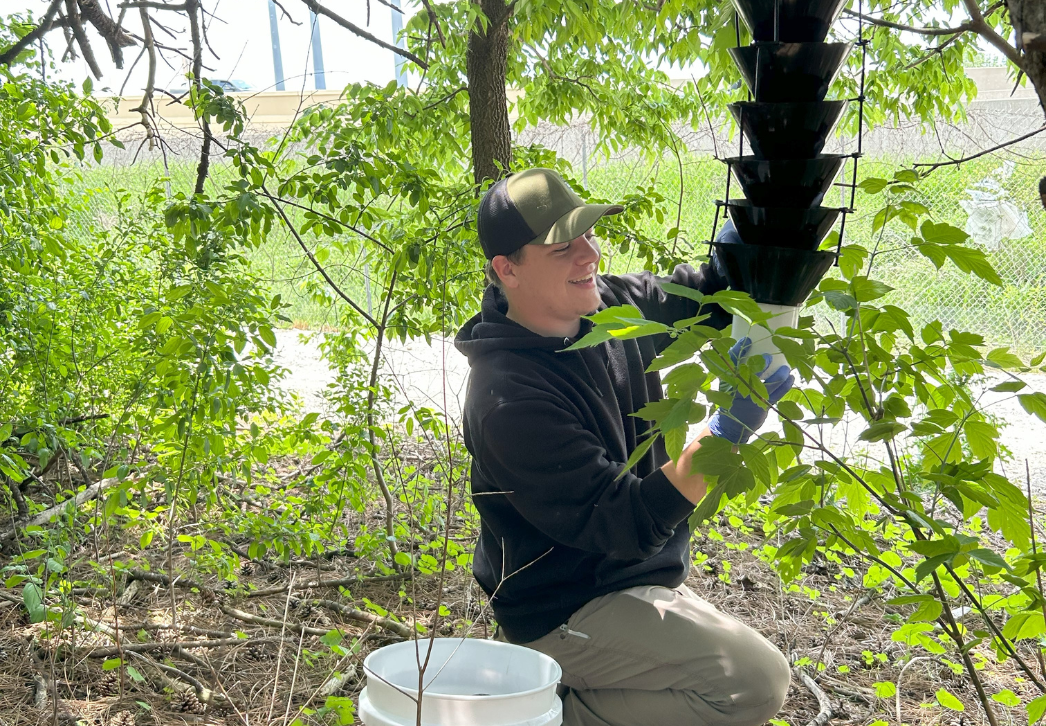
DATCP continued a fifth successive year of early detection trapping for several forest pests in 2025. Trap locations included urban industrial properties and travel corridors in the eastern portion of the state. The selected targets were five defoliating moths (black-arched tussock moth, pine-tree lappet, oak processionary moth, rosy moth, and Siberian silk moth) and six wood-boring and bark beetles (black fir sawyer, black spruce beetle, brown spruce longhorned beetle, European spruce bark beetle, large pine weevil, and six-toothed bark beetle). A total of 105 traps were deployed across 15 counties and monitored from mid-May through September. Trap sample processing is still underway and results are not yet available. Past surveys have not detected the target pests in Wisconsin. |
|
__________________________________ |
|
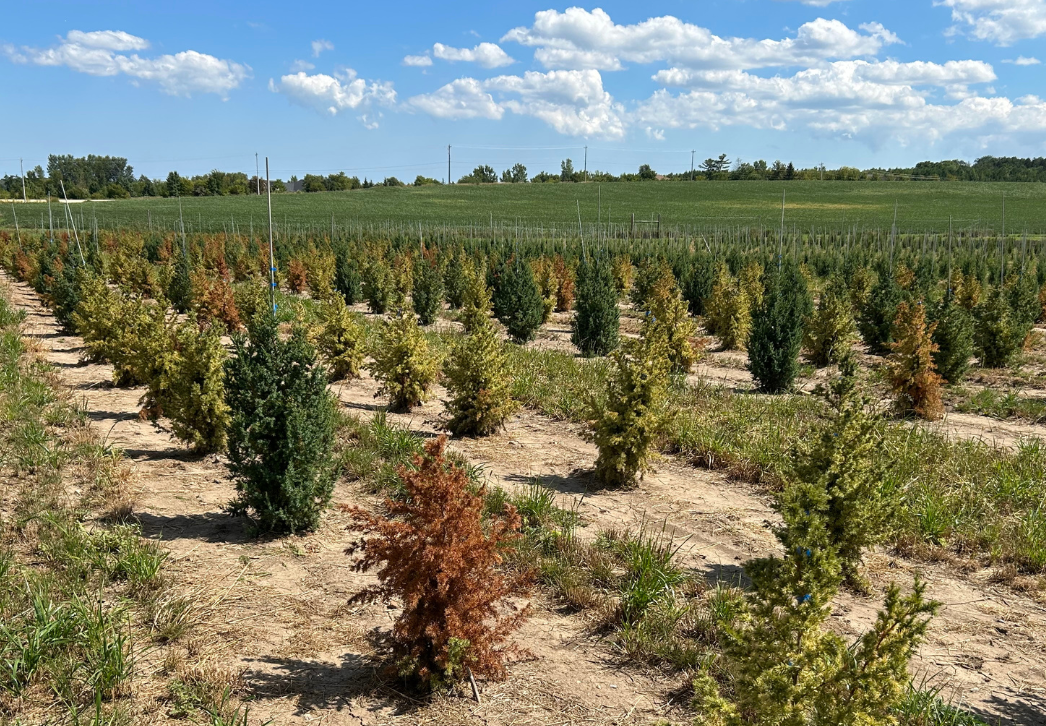
Earlier this fall, DATCP nursery inspectors discovered a disease impacting junipers in a Washington County nursery field. Identified as cypress mortality by the Plant Industry Bureau Lab, the disease had never been documented in Wisconsin and is considered a new state record. The causal pathogen, Phytophthora austrocedri, infects plants in the Cupressaceae family, including native common juniper, creeping juniper, eastern red cedar, and northern white-cedar, in addition to common nursery shrubs such as arborvitae, juniper, and false cypress. Until the 2024 discovery in Oregon, cypress mortality was unknown to North America.
A regulatory investigation determined the disease source was infected ‘Star Power’ junipers shipped from Oregon State in fall of 2024. As a safeguarding measure, 720 imported junipers were removed from the field and burned on October 3, 2025.
Cypress morality spreads with infected plants, soil, and water. Awareness of disease symptoms when purchasing or growing arborvitae, juniper, or false cypress is key to helping prevent the disease from establishing and spreading in Wisconsin. |
|
__________________________________ |
|
|
|
|