|
|
Dry weather, light winds, and hazy skies replaced the heat and scattered rain of late July. Temperatures across Wisconsin were seasonable to a few degrees below normal for early August, with highs in the 70s to mid-80s and overnight lows ranging from the 40s to lower 60s. The dry conditions were suitable for harvesting small grains and other late summer fieldwork, though persistent Canadian wildfire smoke during the week caused poor air quality across the Midwest and Northeastern U.S.—a familiar occurrence this season.
According to the Wisconsin State Climatology Office, the state has experienced 22 air quality advisory days as of August 6 as the frequency and intensity of smoke events impacting Wisconsin continues to increase. Seven of the 10 locations in the U.S. with the worst air quality this week were Wisconsin counties, including Waukesha and Jefferson counties, with air quality index (AQI) scores of 158, trailing only Bozeman, Montana.
Exposure to unhealthy air is often unavoidable for Wisconsin farmers and outdoor workers, and the duration of air pollution events this season could have significant impacts on their health and the health and productivity of crops and livestock.
__________________________________
|
|
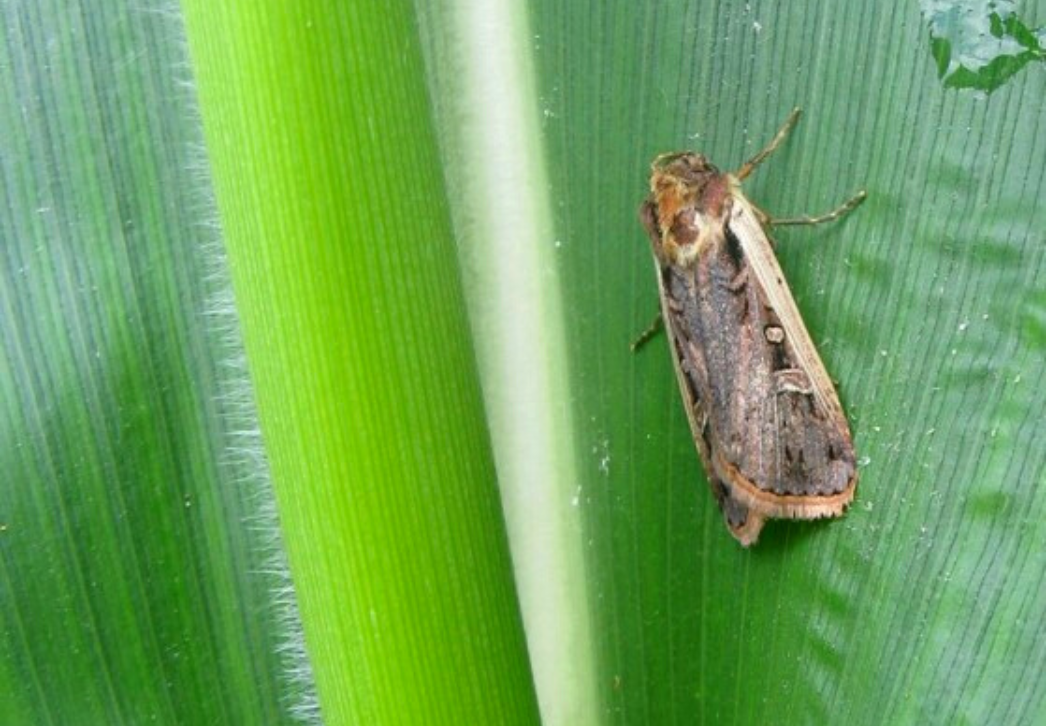
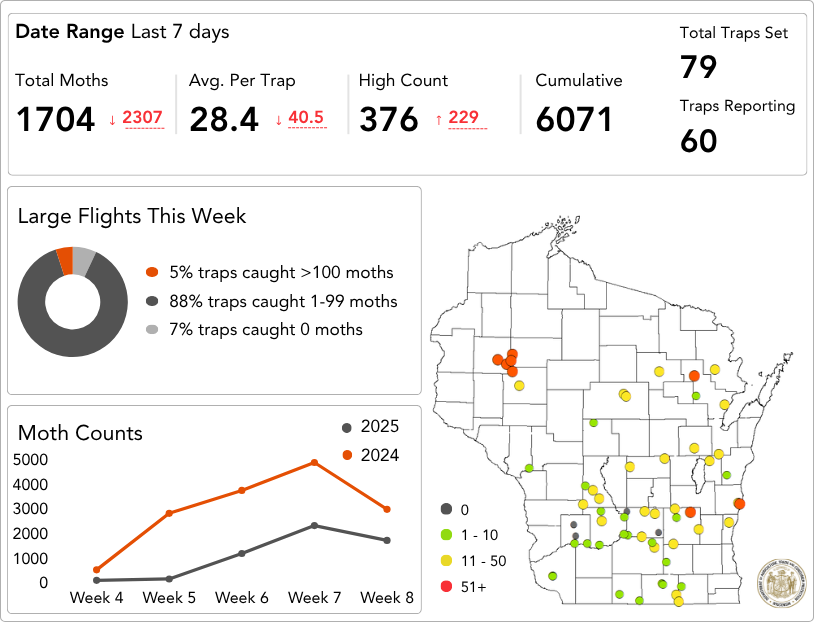
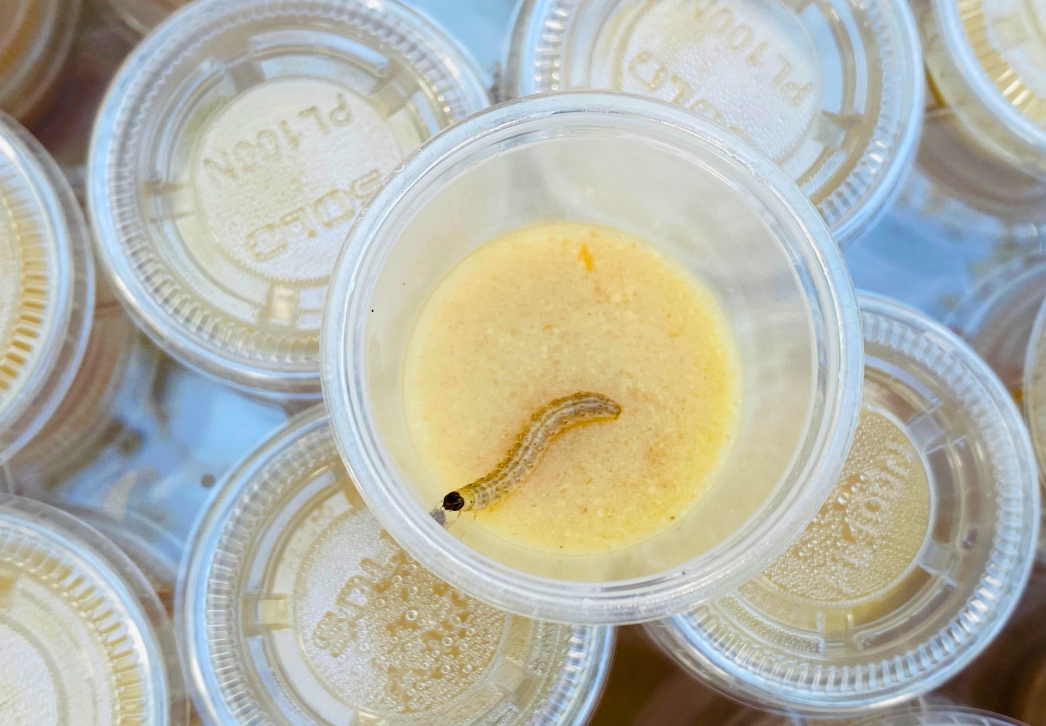
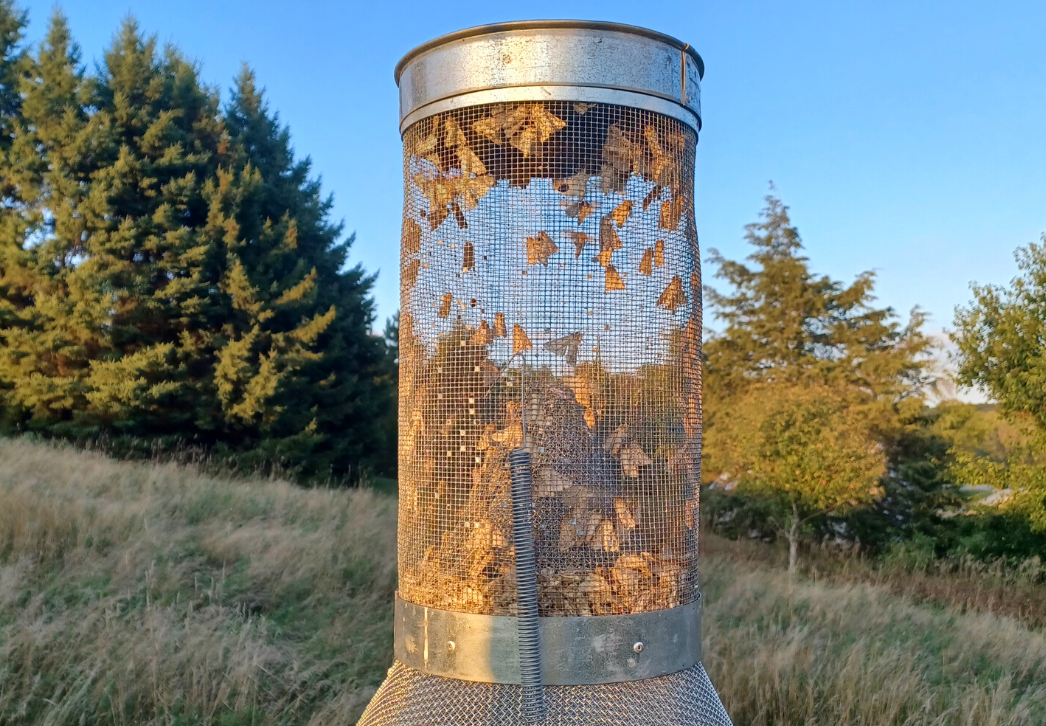
The western bean cutworm moth flight has been underway since mid-June and is winding down across southern and central Wisconsin. DATCP’s network of 79 pheromone traps has captured a cumulative total of 6,071 moths, or an average of 77 moths per trap since emergence began eight weeks ago. This preliminary average count is below both the 10-year average of 90 moths per trap and the all-time record of 227 moths per trap set in 2024.
Moths are still appearing in high numbers in northern survey traps, but counts across southern sites have decreased markedly since the flight peaked July 25-31. Most of DATCP’s 79 monitoring locations reported lower counts this week, with a few exceptions in northern Wisconsin, including one Barron County trap that captured 376 moths. The network’s total weekly capture of 1,704 moths is a decrease from 2,307 moths last week.
Although western bean cutworm trap counts have been far lower than in 2024, this season’s emergence may still produce localized heavy larval populations in the central and southern areas of the state with a history of higher western bean cutworm pressure.
For regional western bean cutworm flight data extending across the northeastern U.S. and adjacent Canadian provinces, please review the Great Lakes and Maritimes Pest Monitoring Network (select WBC tab). The Great Lakes map also indicates counts have peaked and are declining across most monitoring areas. |
|
 __________________________________
|
|
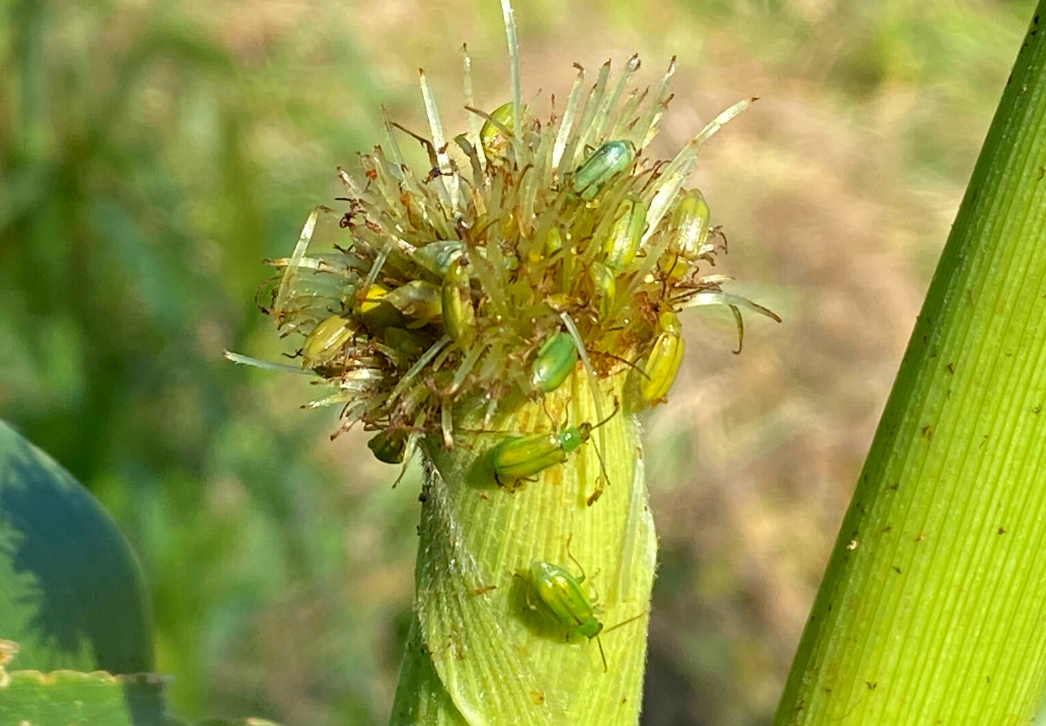
DATCP’s annual corn rootworm beetle survey is now in progress. Crop scouts have so far sampled approximately one-third of the 230 survey sites, and it is still too early to speculate on this year’s corn rootworm pressure. Beetle counts in the 82 grain corn fields sampled as of August 7 have been mostly below the economic threshold of 0.75 or more beetles per plant, with 48 fields (59%) averaging low counts of 0.0-0.4 beetles per plant and 20 sites (24%) having moderate beetle counts in the range of 0.5-0.7 per plant. Above-threshold averages have been observed at 14 (17%) of the sites so far, including very high counts of 2.0-3.1 beetles per plant recorded in individual corn fields in Dane, Green, and Rock counties.
Corn rootworm beetle emergence is expected to peak by mid-August, and now is the time to scout fields to determine this season’s beetle pressure and to estimate the risk of larval root injury to continuous corn in 2026. DATCP’s beetle survey will be finalized by the end of the month. |
|
 __________________________________
|
|
Annual surveys for the European corn borer (ECB) began in Wisconsin in 1942 and have been conducted each fall for the last 81 years. The survey determines the extent of damage caused by the second-generation of larvae and forecasts the potential size of the overwintering population. For roughly 55 years between 1942 and 2000, ECB was one of the most costly and damaging corn insects in the state, but the commercialization of Bt corn in the late 1990s was a turning point and Bt corn has effectively controlled ECB for a quarter of a century.
Although Bt corn remains the standard for ECB management, cases of Bt trait failure are increasing and have given the historic ECB survey renewed importance. Since 2018, ECB resistance to Cry Bt toxins (e.g., Cry1Ab, Cry2Ab2, Cry1A.105, and Cry1F) has been documented in parts of Canada (Quebec, Nova Scotia, Manitoba) and in 2023, ECB resistance to Cry1A.105 and Cry2Ab2 Bt traits was confirmed in Connecticut, the first case in the U.S. In Wisconsin, Cry2Ab2 resistance was confirmed in 2023 in ECB samples collected by DATCP from Waupaca County. If the Bt resistance trend continues, corn producers may lose their most effective ECB management tool. |
|
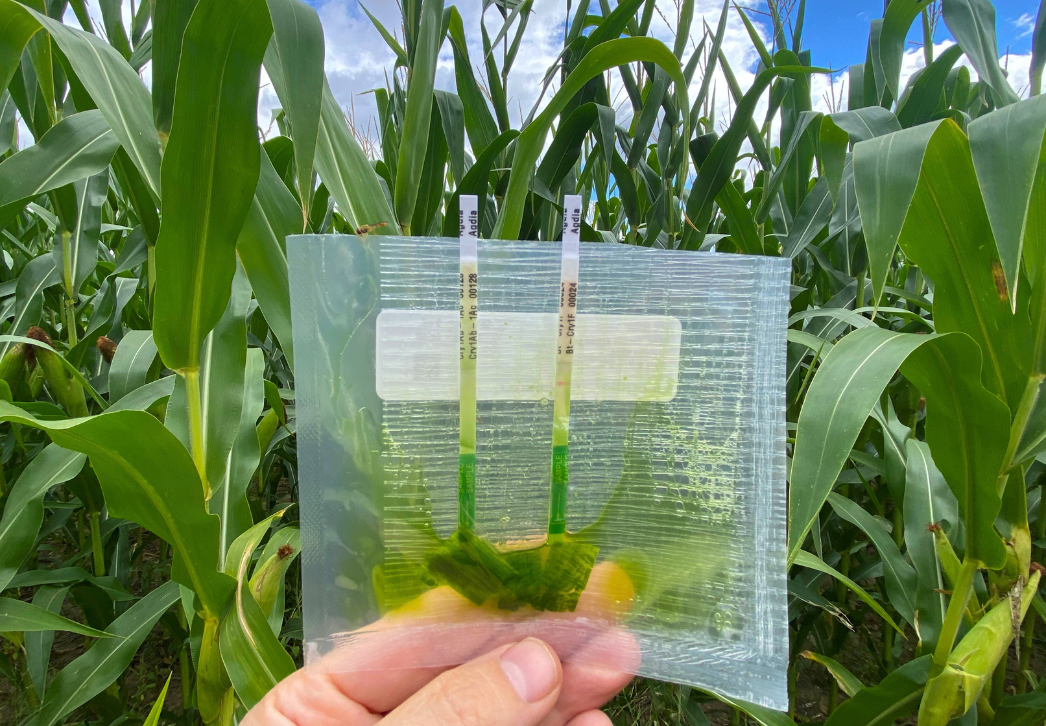 Field testing for Bt traits | K. Hamilton DATCP
|
|
|
For the 2025 ECB survey, DATCP’s Pest Survey Program is looking for non-Bt corn fields to scout for ECB larvae and damage. The goal of sampling both Bt and non-Bt fields is to gain a more accurate understanding of ECB pressure (particularly in non-Bt fields where populations are likely higher) and to determine areas of the state where populations may be recovering. Corn growers, crop advisors, and Extension educators who have or know of non-Bt corn fields that could be potential survey sites are asked to email krista.hamilton@wisconsin.gov with:
- Your name
- Phone number
- Field location (county, GPS coordinates, and description of field)
We are hoping to sample 40-50 non-Bt fields September 2 to October 24. The survey is not destructive and involves examining 25 consecutive corn stalks for signs of ECB infestation and dissecting two stalks to count larvae. Fields that are relatively accessible from a roadside are preferred. Growers will be notified of the ECB population in their fields once the survey is complete.
|
|
 __________________________________
|
|
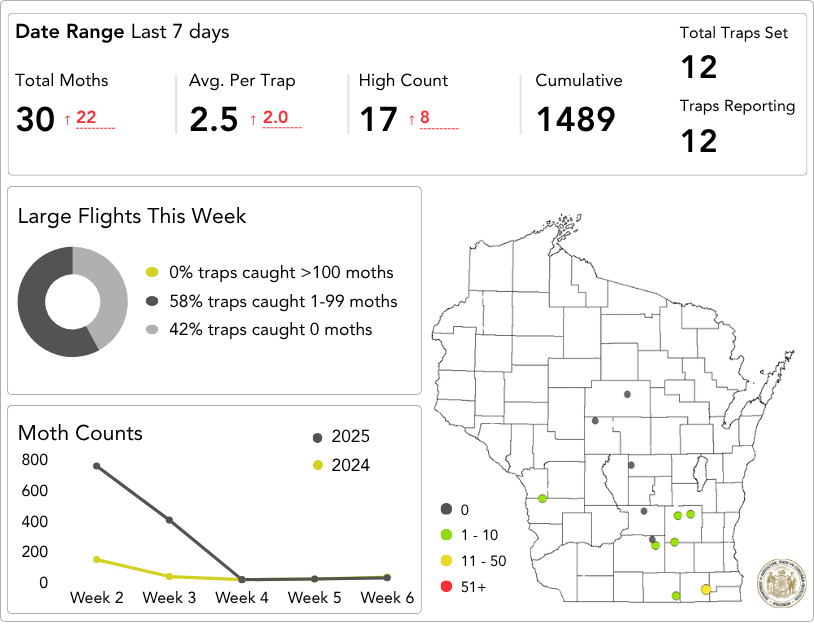
The first significant corn earworm moth migrations into Wisconsin of the 2025 season were registered June 30-July 3, but counts during the second half of July and through the first week of August have been low at less than 20 moths per trap per week. A cumulative total of 1,489 moths have been captured in 12 pheromone traps to date. |
|
Corn earworm flights usually increase sharply in August, making it important for sweet corn growers to continue following CEW migration reports this month and maintaining treatments as long as moth activity persists and green silks are available for oviposition. DATCP Corn Earworm Network counts for the week ending August 7 ranged from 0-17 moths per trap, with the highest catch reported at the Burlington monitoring site. |
|
 __________________________________
|
|
|
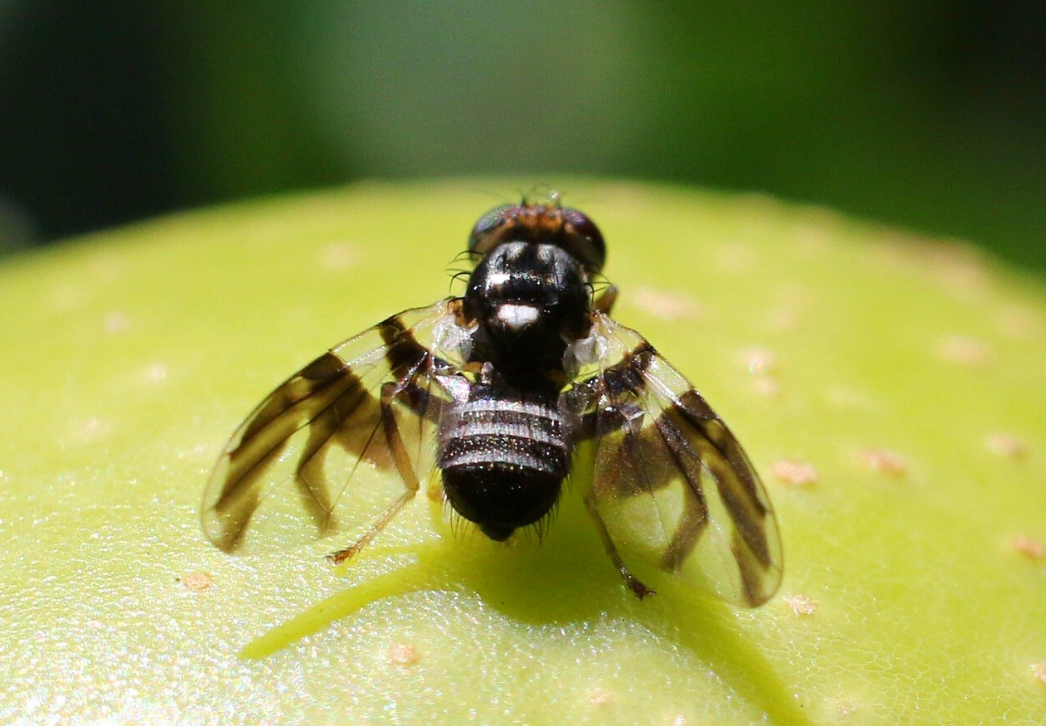
Apple maggot emergence continued for the sixth week but has been variable so far this season. A few orchards have reported very high weekly counts of 10-27 flies per trap in the past two weeks, while most sites are reporting counts of 0-2 flies per trap. Economic counts were reported from 11 of 25 reporting locations August 1-7. Peak emergence of adult flies is approaching and egg laying on apples can be expected throughout August. Apple growers should continue to apply sticky coating to traps each week (or as needed) and maintain apple maggot controls as long as counts exceed the following economic thresholds:
- One fly per trap per week for unbaited traps
- Five flies per trap per week for baited traps
|
|
 __________________________________
|
|
|
|
|