|
|
Continued unsettled and cool weather early in the week contrasted with seasonably hot and humid conditions by the end of the reporting period. Rainfall was widespread across the state and highly variable June 13-19, though most seven-day totals fell in the range of 0.2 to 2.0 inches. Heavy downpours soaked southeastern Wisconsin on June 18 and caused urban flooding in Delavan, where 4.25 inches of rain fell in the afternoon and evening hours. The moisture provided relief to the dry southern parts of the state, but more precipitation will be needed to fully erase the deficits that have accrued this season. The frequent showers during the week also interrupted fieldwork, post-emergence weed control in corn and soybeans, and codling moth management in apple orchards.
Meanwhile, increasing heat favored the development of crops and insects, with maximum temperatures exceeding 90°F at Kenosha, Milwaukee, and Racine in southeastern Wisconsin. Summer weather has finally arrived in Wisconsin and the warmest temperatures so far this year are expected this weekend, along with humidity and more chances for showers and storms.
__________________________________
|
|
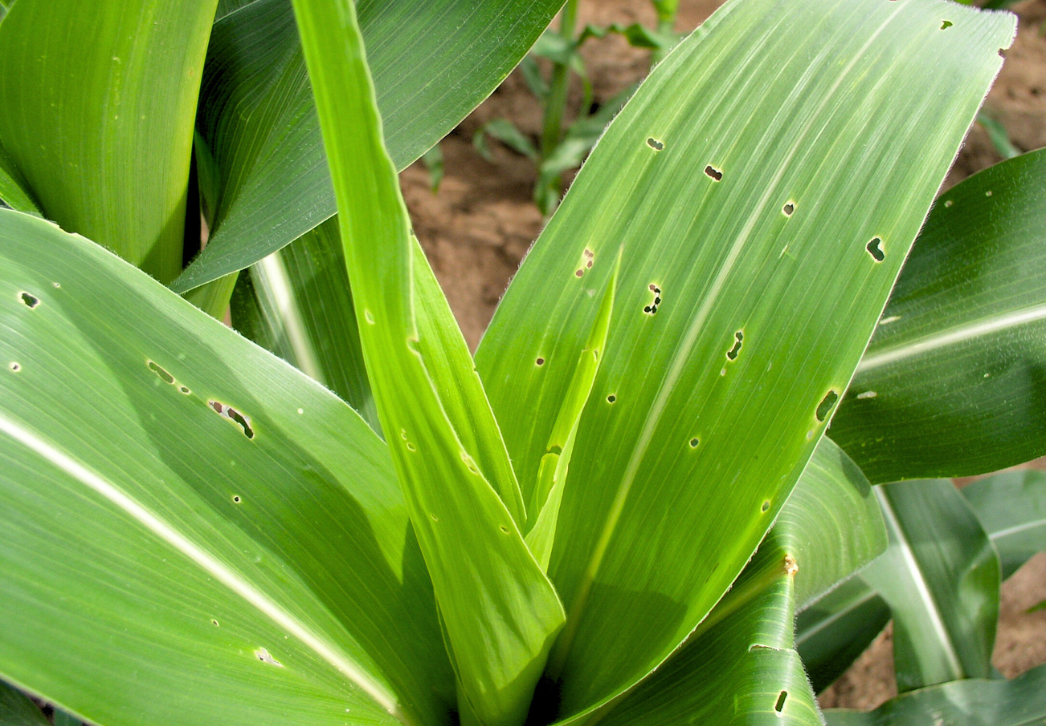
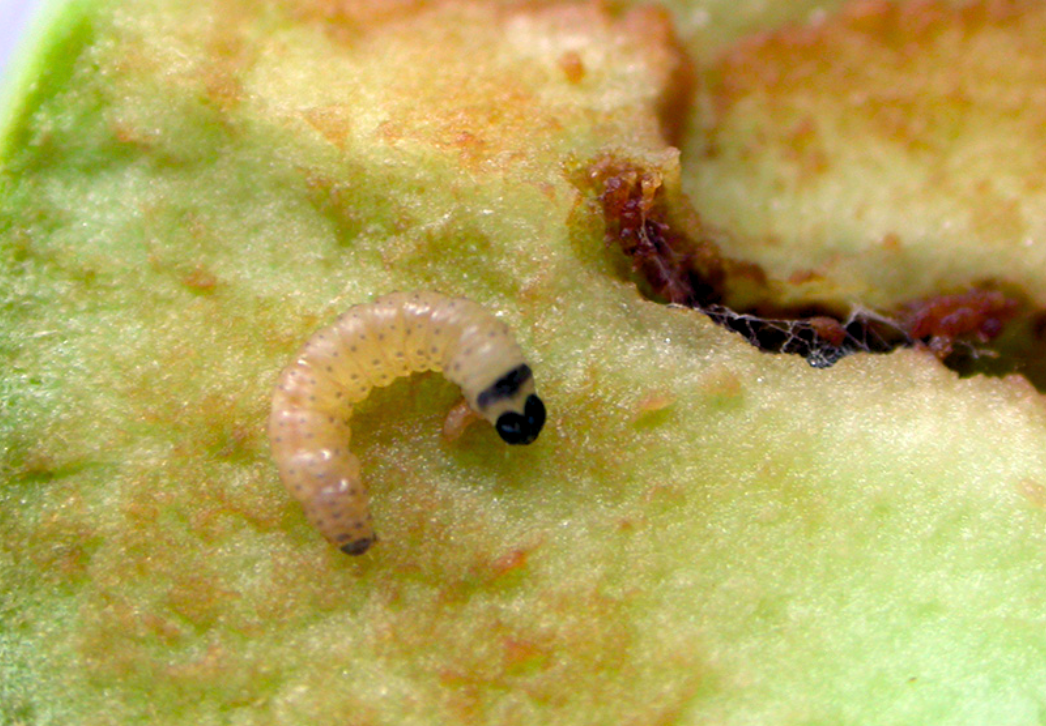
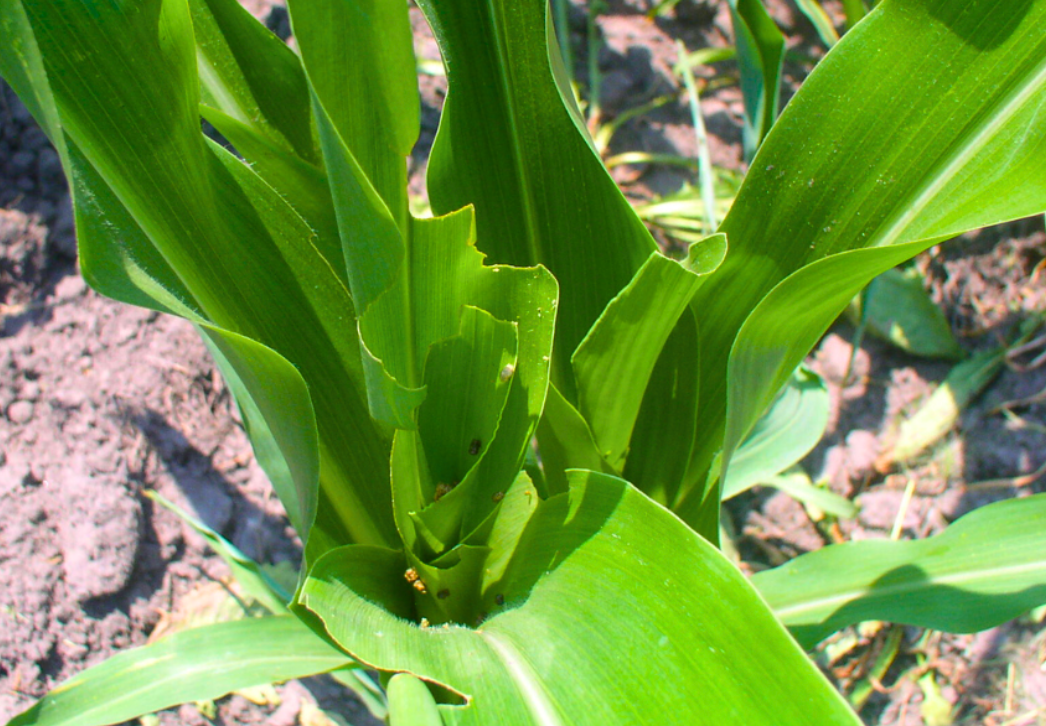
The spring flight of European corn borer moths is underway statewide. As of June 19, moth emergence has peaked throughout southern and central Wisconsin. Larvae produced by the flight are currently in the early development stages (first to third instars) and fresh whorl-feeding injury is becoming evident in the tallest corn fields.
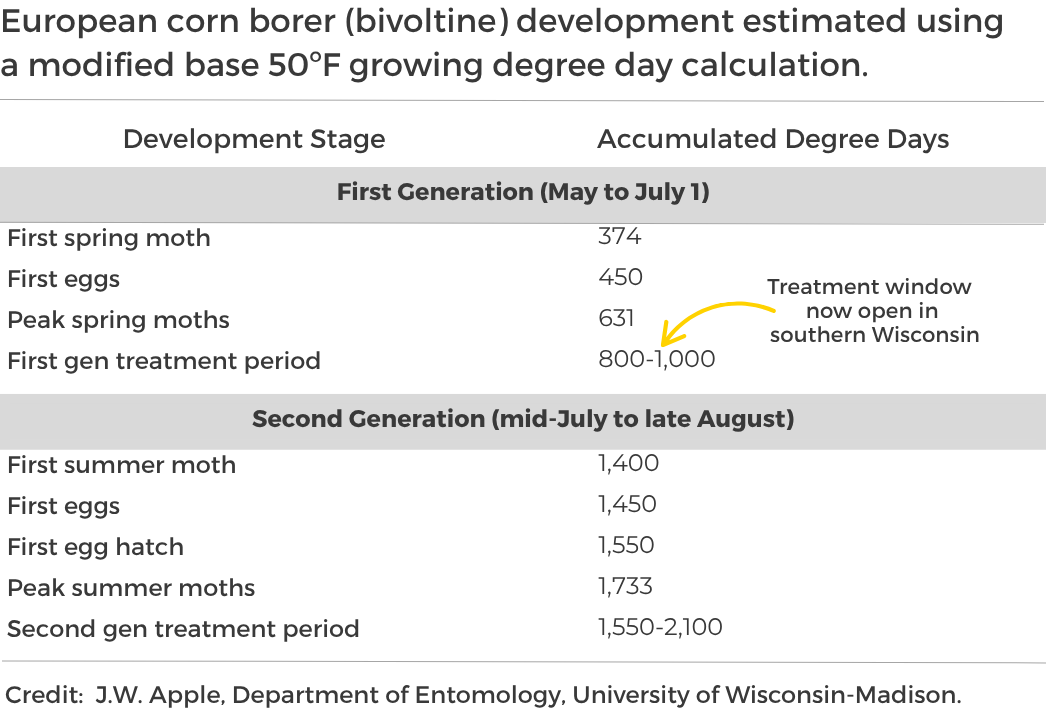
The optimal treatment period for first-generation European corn borer larvae is between 800 and 1,000 degree-days (modified base 50°F). This window has opened in the southernmost two tiers of Wisconsin counties and in the west-central region near La Crosse. Corn without Bt protection requires scouting and growers with susceptible corn hybrids now have less than 200 degree-days, or about five to nine calendar days, to check for first-generation larvae and make management decisions. The control window will close by June 30 in areas of Wisconsin south of Highway 10 and by July 7 statewide. Once larvae reach the third instar and begin boring into leaf midribs and stalks, chemical control is not effective. |
|
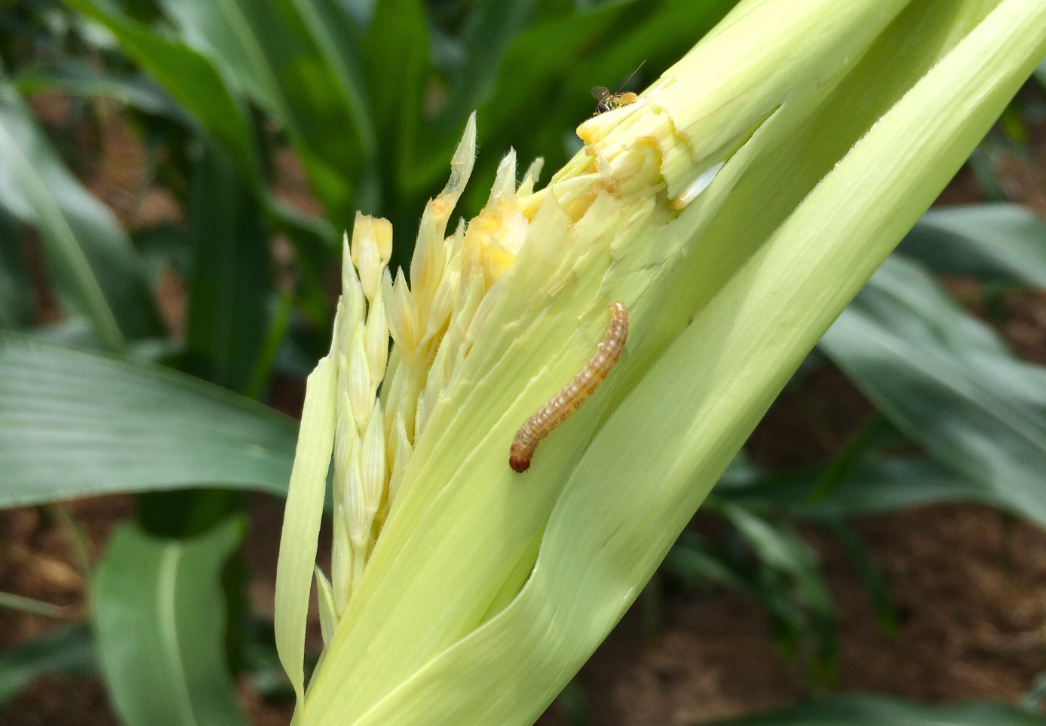 Third-instar ECB larva | K. Hamilton DATCP
|
|
Scouting for first-generation larvae should concentrate on non-Bt corn fields 18 inches or taller. Early planted corn in the 10-leaf stage is most attractive for egg laying. Check 20 consecutive plants in five areas of the field (100 plants total) for pin-holes and shot-holes in the whorl leaves. If feeding is observed, pull the whorl from two infested plants and unroll the leaves to look for small first and second-instar larvae. For multiple hybrids planted in the same field, consider each hybrid a separate field.
The traditional economic threshold for European corn borer in grain corn was reached if 50% of plants fieldwide showed signs of feeding or live larvae. Newer dynamic thresholds take into account several variables, such as counts of larvae or egg masses per plant, estimated yield loss per borer, expected corn yield and prices, and insecticide and application costs. The UW-Extension’s management worksheet for first-generation European corn borer (Pest Management in Wisconsin Field Crops A3646) can help determine if an insecticide is economical. The University of Nebraska offers a similar web-based spreadsheet to calculate threshold values. |
|
 __________________________________
|
|
|
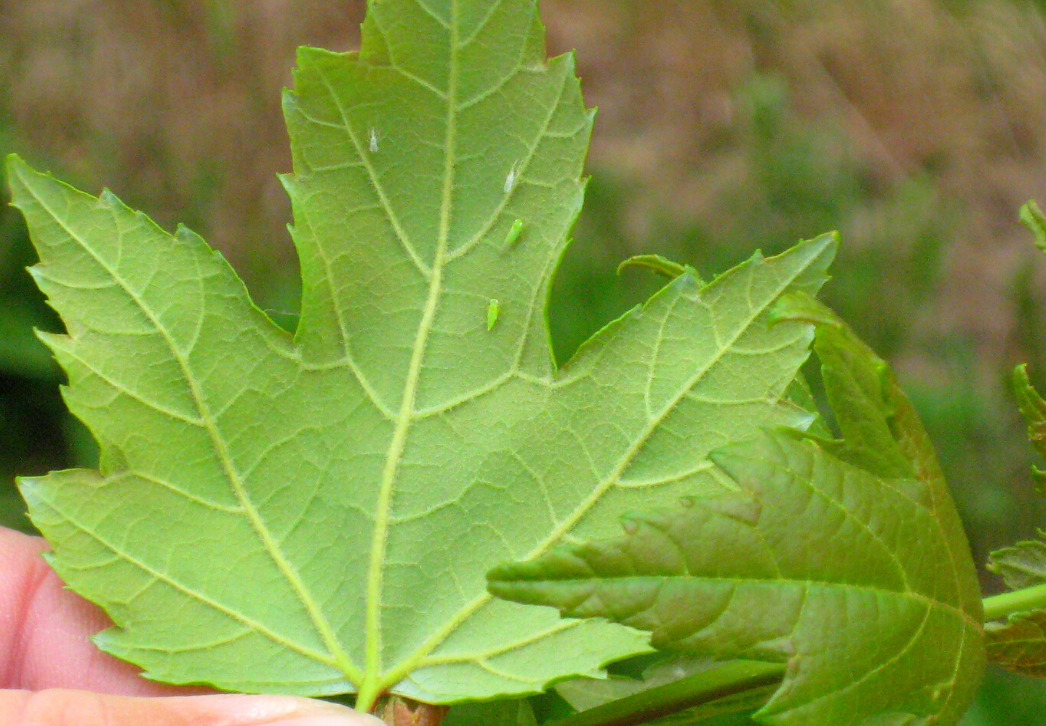
Potato leafhopper activity has increased in the last two weeks and nymphs are common in sweep net collections. In parts of central Wisconsin, leafhoppers are abundant on garden vegetables, fruit trees, at lights, and in alfalfa fields. Their general prevalence signals that more frequent scouting is in order for second-crop alfalfa, young apple trees, potatoes, and snap beans. Counts in alfalfa fields surveyed in Dane, Dodge, Fond du Lac, and Washington counties this week ranged from 0.04-0.54 per sweep and averaged 0.25 per sweep.
Home gardeners and small-scale vegetable growers can assess populations by visually inspecting the undersides of leaves on susceptible vegetables for adults and nymphs. Commercial growers may use standard 15-inch sweep nets or sticky cards around the field perimeter. In apple orchards, non-bearing, one- to two-year-old trees are most susceptible to leafhopper feeding and should be monitored for upward leaf cupping and yellowing of terminal shoots. For alfalfa fields, sweeping is required and thresholds are based on plant height.
Potato leafhopper treatment thresholds are as follows:
-
Alfalfa: 0.2 per sweep in 3-inch alfalfa, 0.5 per sweep in 6-inch alfalfa, 1.0 per sweep in 8 to 11-inch alfalfa; 2.0 per sweep on alfalfa taller than 12 inches. If alfalfa is within one week of harvest, taking an early cutting is suggested. Preemptively spraying alfalfa stubble after cutting is discouraged.
-
Potato: 2.5 nymphs per 25 leaves or 0.5-1.0 adult per two sweeps
-
Snap bean: 1.0 nymph per 10 leaves or 1.0 adult per sweep
-
Non-bearing apple trees: 1.0 nymph per leaf (when upward leaf cupping and yellowed terminal shoots is apparent)
|
|
 __________________________________
|
|
Heavy codling moth flights occurred in many Wisconsin apple orchards this week as growers waited for a rain-free window to make the first larvicide applications. Nine of 25 monitoring sites recorded above-threshold flights of five or more moths per trap and six locations captured very high counts of 15-31 moths per trap. For several orchards, this week’s counts were the highest so far this season. High codling moth pressure is indicated by a weekly count of five or more moths per trap for orchards not using mating disruption (non-MD) and two to three or more moths per trap for orchards using mating disruption (MD).
Apple growers using growing degree-days (gdds) in combination with trap counts to time spring and summer treatments are reporting accumulations of 250 or more degree days (base 50°F) since the spring codling moth biofix was set about two weeks ago (June 2-3). First larvicide applications may be applied at either 250 degree-days or 350 degree-days from the spring biofix, depending on moth catches. Spraying at the earlier 250 gdds is appropriate when high trap counts of 10-15 moths are registered in the first week after the biofix. Treatments at 350 gdds are advisable when trap counts are intermittent or initially low after the biofix, as has been as the case for most cooperating orchards this season.
As a reminder, reapplication of insecticides may be needed if heavy rainfall of two inches or more occurs shortly after treatment and trap counts remain above five moths per trap per week. Orchards that set a biofix June 2-3 and recorded another large flight June 13-19 will likely need to plan for a second application during the last week of June or first week of July to control the latest round of moths. |
|
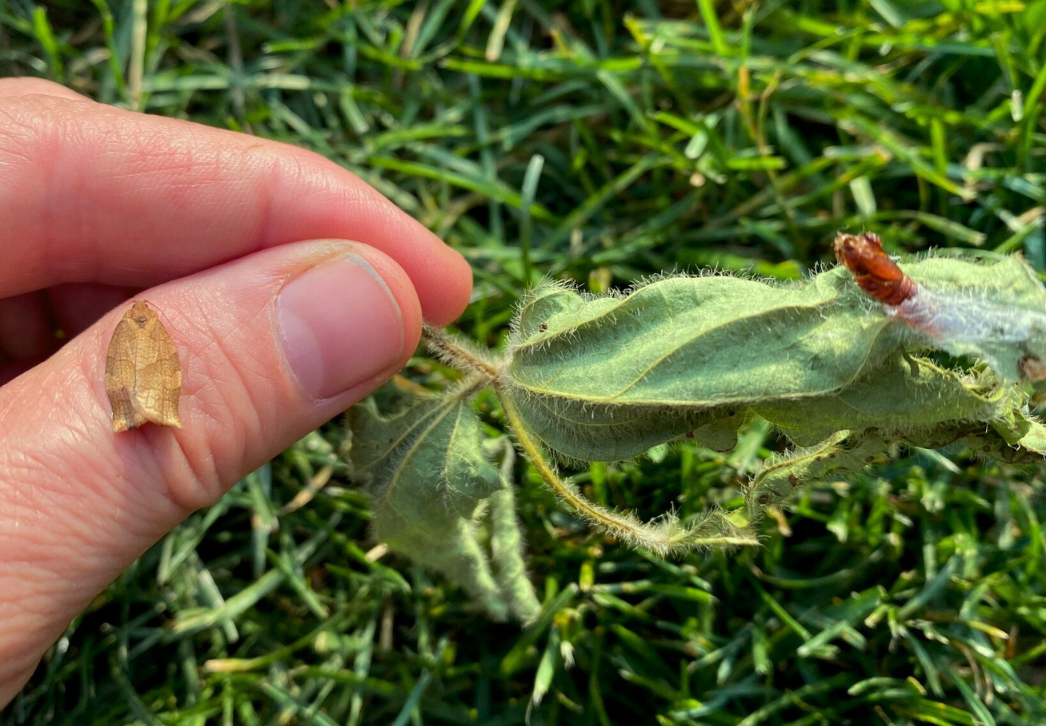 Obliquebanded leafroller moth and pupal case | K. Hamilton DATCP
In addition to the increase in codling moth activity, the spring obliquebanded leafroller flight continued for the third week. Captures of moths were recorded at 18 of 25 cooperator sites and the orchards in Green and Racine counties registered very high counts of 59 and 52 moths per trap, respectively.
Monitoring terminals over the next two to three weeks for larvae will help to determine the potential for obliquebanded leafroller problems later this season. Although there is no direct correlation between trap counts and larval populations, scouting is important since orchards that register even low counts (< five moths per trap) can develop significant larval problems a few weeks after a flight has occurred. Control is warranted for populations averaging three or more larvae per tree.
|
|
 __________________________________
|
|
Light infestations of true armyworm larvae are appearing in corn and wheat fields. Surveys of wheat in the east-central region last week found low counts of one to two larvae per 100 sweeps in about seven, or 14%, of the 50 sites sampled. The levels noted were well below the economic threshold of three larvae per square foot for small grains.
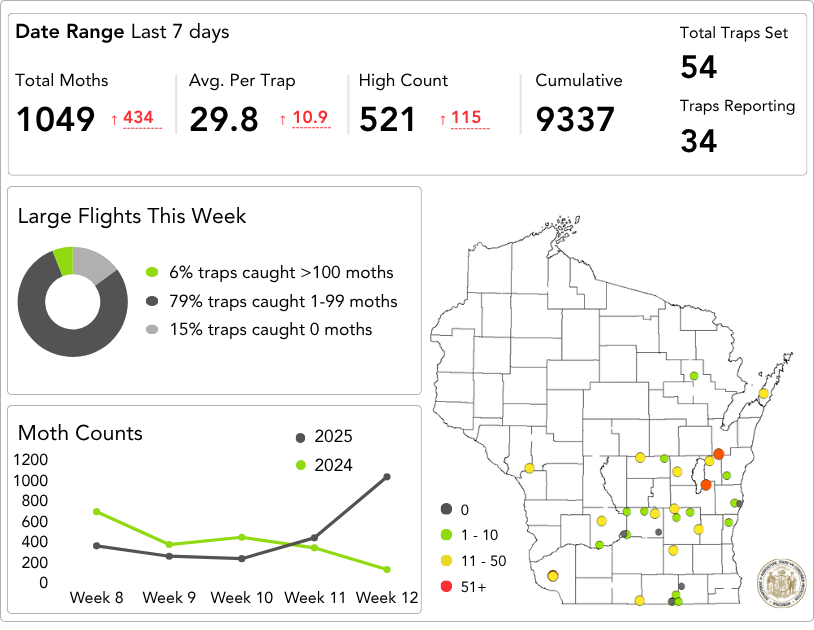
Armyworm larvae are also feeding in the perimeter rows of corn, although no significant infestations have been observed as of June 19. Counts must reach two or more armyworms (3/4 to 1 inch or smaller) per corn plant on 25% of the plants, or one worm per corn plant on 75% of the plants to qualify for treatment. Continued scouting is recommended since locally heavy spring moth flights (250-700 moths) have been recorded over the past several weeks and wet weather favors outbreaks. DATCP’s True Armyworm Network captured another 1,049 moths June 13-19, bringing the cumulative 12-week total to 9,337 moths in 54 traps. |
|
 __________________________________
|
|
|
|
|