 |
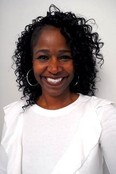
Addressing disproportionality is a complex process…however, the complexity of this work should not deter us from having courageous conversations about our systems.
By Ruthie Payno-Simmons, PhD
I have always engaged in equity work as an educator. I recall my early teaching days. I participated in ongoing action research around what it meant to teach for social justice. I used the research findings to provide learning spaces for students in ways that centered their voices, lived experiences, learning interests, and identities.[1] Everyone has a story about what led them to go into education. These are three of my experiences that influenced my approach and focus as an equity-oriented educator.
As an African American student, most of my teachers did not reflect my racial identity. My textbooks focused on the contributions of the dominant culture. History books portrayed people representative of my race in ways that reinforced negative or deficit stereotypes. During Black History month, we always saw images of and learned about the same two or three individuals: Martin Luther King, Rosa Parks, and Frederick Douglass. While these three incredible people contributed to making our world more just, I spent most of my K-12 years learning about a history that did not reflect my culture or contributions from people who looked like me. I experienced the pressure to conform to dominant cultural expectations, what scholars call assimilation that occurs in schools.[2] These experiences led to negative racial and gender identities, and the following set of questions that I wrestled with during my K-12 experience:
- Why don't prominent historical figures look like me?
- Did only a few people who look like me make important contributions to society?
- What is wrong with Black people?
- What is wrong with me?
- I want to become a doctor. Will I be able to go to college?
- Will I graduate from high school?
- Will I be a successful adult?
Then, in high school, something extraordinary happened. I met Mrs. Cunningham, an African American female who became my 9th grade English teacher. I intentionally took drama for four years because she captured my imagination about what a professional woman of color could be. She made me feel better about being a brown girl. She gave me hope that I could be successful. She engaged in my life actively and showed genuine care and concern. Read the entire article here…
|

Scottie Nash, Director of Education
ADL Pacific Northwest
I wrote much of what follows a year ago, and while I hoped I would need to edit quite a bit when thinking about creating a school climate of belonging for all individuals, I find less has changed than I would have hoped.
A year ago, the health crisis of COVID-19 highlighted again the racial disparities across the country. The racial violence embodied in the murders of Ahmaud Arbery, Breonna Taylor, Tony McDade and George Floyd re-ignited our understanding of the systemic racism that plagues our nation. We can’t deny the staggering statistics that point to inequities from the impact of COVID, images that illustrate continued violence by the police, and a corresponding significant momentum around the Black Lives Matter movement. While schools will conduct learning in many different ways, all educators will need to consider how to start the year differently than in the past. School communities will need to address the layered impact from the loss of learning, loss of relationships, and loss of life for some as well as persistent evidence of systemic racism. They will need to do so while managing the complexity of new teaching and learning methods.
Today, educators are caught in the middle with the political debates about “teaching CRT” and mask and vaccine mandates. According to the FBI hate crimes report, the violence against Black people, Asian people and Jewish people has continued; in fact, 2020 marked the highest level [of hate crimes] in 12 years and represents a 6% increase from 2019. As part of a welcoming school climate, we need to continue to create spaces where students and adults feel safe to report hate crimes and show up as allies to folks who are being targeted. We need to advocate for teaching about systemic oppression and learning about the histories of all people. Educators need to help students make sense of disparities and use anti-bias education to guide their work.
In other words, now more than ever, we need to build the capacity for empathy and compassion with our students and across our school communities. Continue reading this article…
|
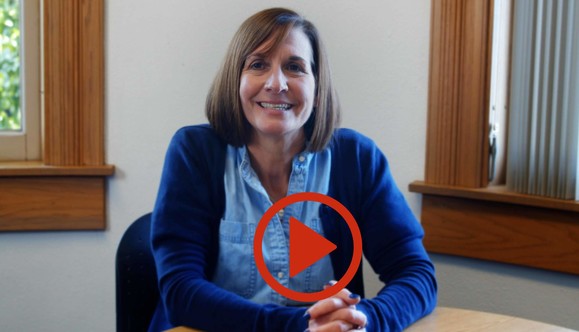
(Scottie Nash and OSPI's Akiva Erezim are past presenters for GATE Equity Webinar: How to Improve School Climate through Cultural Inclusion? Watch the video on OSPI's YouTube Channel)
Culturally Responsive Behavior Interventions & Supports Top Three Resources:
- Explore Topic Summaries from the CSS
-
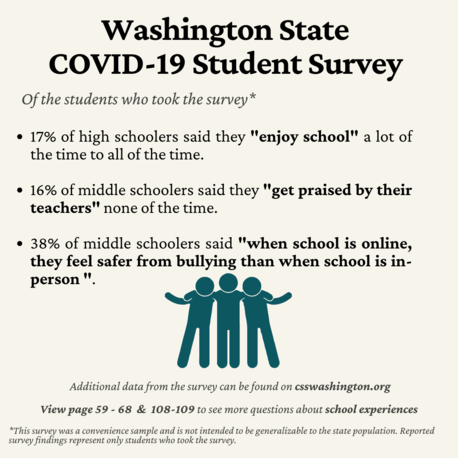
Visit the COVID Student Survey website and access topic summaries documents by scrolling down the page. What student groups are experiencing disparities? What trends in the data are you noticing, especially as it relates to school climate?
- PBIS Cultural Responsiveness Field Guide
-
Centering Equity in School Discipline: The Michigan PBIS Equity Pilot "Positive Behavioral Interventions and Supports (PBIS) are effective when schools address perceived obstacles for teachers, engage in the problem-solving process using disaggregated behavior data, and routinely use reliable measurement tools to evaluate its level of implementation." Dr. Ruthie Payno-Simmons
 |
Activity for your school or district team...
PBIS Interview with Rhonda Nese
Ask Yourself
- How are current disciplinary practices working for us? Are they achieving the goals we want?
- In what ways can we bring restorative justice practices into the system?
|
____________________________________
____________________________________
Creating Gender-Inclusive Schools by OSPI
Online/Free/Clock Hours available/October 6
Creating Gender-Inclusive Schools (pdenroller.org)
October 6 12:00-2:00 p.m.
____________________________________
The Way to Staff Well-being in Schools: Creating a Workforce Wellness Committee
Presented by: Kaiser Foundation Health Plan of Washington
Online/Free/Clock Hours available/October 12, 2021
at 4:00 pm – 5:00 p.m.
The Way to Staff Well-being in Schools: Creating a Workforce Wellness Committee (pdenroller.org)
Most LEAs are eligible to receive an annual formula allocation under the Student Support and Academic Enrichment (Title IV, Part A) program. LEAs may choose to utilize these funds to support school climate initiatives. Title IV, Part A funds can be used for programs and activities that foster safe, healthy, supportive, and drug-free school environments because when students are healthy and feel safe and supported, they are more likely to succeed in school.
Applications are submitted by the LEA through iGrants. School staff, students, or other community stakeholders who are interested in how to access Title IV, Part A for school climate initiatives should begin by contacting the individual in the LEA with responsibility for administering federal programs. For general questions and information about the grants, please contact Cara Patrick at cara.patrick@k12.wa.us.
|

New OSPI Guidance when Students are Quarantined or School Facilities Close due to COVID
OSPI published guidance on September 24, 2021 that addresses instruction, attendance & funding when students are quarantined or when school facilities are closed due to COVID.
|
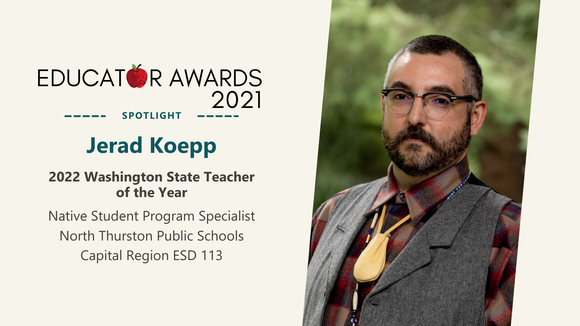
Teacher of the Year Jared Koepp Talks Tribal Consultation
Congratulations Jerad Koepp Washington
Teacher of the Year!
We had the honor of working with Jerad and two local Native Tribes on a GATE Equity Webinar in November 2020. Jared laid the foundation for a panel from the Nisqually Tribe to discuss Government to Government Partnerships and how the North Thurston School District entered tribal consultation with the Nisqually Tribe. Jerad is NTSD Native Student Program Specialist where he supports Native students and co- teaches in the district’s Native studies program. Jerad’s commitment to his students and community is to be commended.
The November 2020 GATE Equity webinar featured administrators from the Muckleshoot Tribal School, Jerad Koepp, and members of the Nisqually Tribal Council who shared Promising Practices in Native Education. You can watch the presentation on OSPI’s YouTube Channel at (10) Engagement 201: Promising Practices in Native Education | GATE EQUITY WEBINAR 201 - YouTube
____________________________________
____________________________________
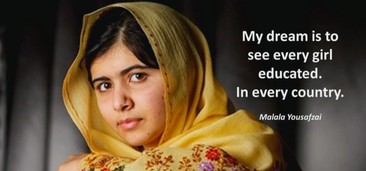
October 11, 2021 International Day of the Girl Child is an international observance day declared by the United Nations; it is also called the Day of Girls and the International Day of the Girl. October 11, 2012, was the first Day of the Girl Child. The observation supports more opportunity for girls and increases awareness of gender inequality faced by girls worldwide based upon their gender. This inequality includes areas such as access to education, nutrition, legal rights, medical care, and protection from discrimination, violence against women and forced child marriage. The celebration of the day also "reflects the successful emergence of girls and young women as a distinct cohort in development policy, programming, campaigning and research."
____________________________________
|
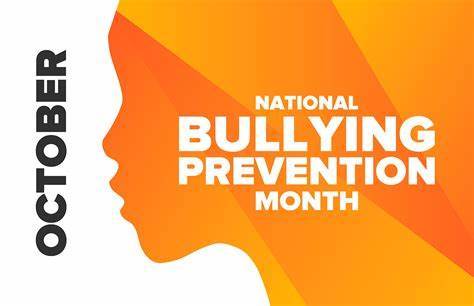
October is National Bullying Prevention Month™!
A month-long event to prevent childhood bullying and promote kindness, acceptance, and inclusion.
Everyone can do something to help prevent bullying; individuals, schools, and communities each have an important role. Learn what you can do.
|
|