|
If your email program has trouble displaying this email or images, view as a webpage.
|
|
|
Back to TOP
 FDA Designated as a WHO-Listed Authority for Regulatory Standards
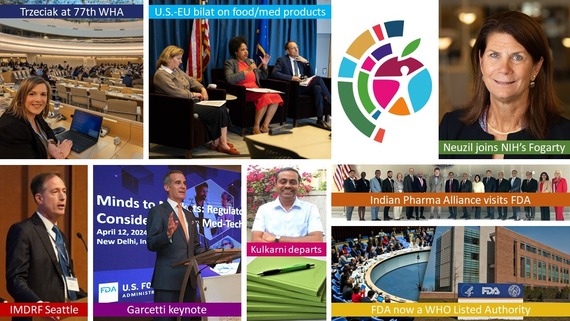
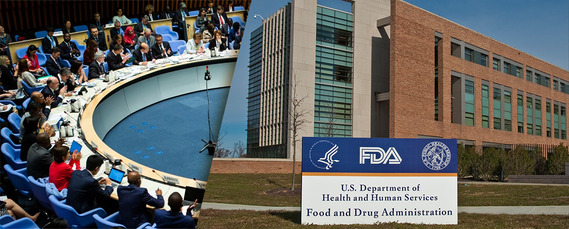
The World Health Organization (WHO) announced on May 20 that it has named the U.S. Food and Drug Administration as a WHO-Listed Authority (WLA) that can be relied on for fulfilling the highest level of regulatory standards and practices for quality, safety, and efficacy of medicines and vaccines as determined by the WHO. The old designation of “stringent regulatory authority” was replaced by the WHO in March 2022 after moving to the WLA approach, which provides a transparent, evidence-based pathway for regulatory authorities seeking to demonstrate that they operate at an advanced, globally recognized level of performance. The FDA’s participation and collaboration in the new designation system supports this paradigm and its capacity to further international regulatory harmonization and reliance by providing a means to measure regulatory programs against common metrics.
“The FDA is delighted to be named a WHO-Listed Authority,” said FDA Deputy Commissioner for Policy, Legislation, and International Affairs Kim Trzeciak. “We have fully supported the WHO’s decision to transition to a new designation that lists those regulatory authorities operating at an advanced level of performance. The FDA began the evaluation process with the WHO last year to obtain the WLA designation, and we encourage other regulatory authorities of appropriate maturity level to do the same.”
 |
The decision to approve the 2024 designations was based on the recommendation by the WHO technical advisory group on WHO-Listed Authorities following WHO performance evaluations confirming consistency of advanced performance by these authorities in line with international standards and best regulatory practices for ensuring the quality, safety, and efficacy of medicines and vaccines. Attaining WLA status signifies not only compliance with these standards but also a commitment to continuous improvement and excellence in regulatory oversight – a commitment consistently demonstrated by the FDA and other WLAs.
In addition to the FDA, the other newly approved WLAs include the European Medicines Regulatory Network (EMRN), which comprises the European Commission, the European Medicines Agency, and the regulatory authorities of the following 30 countries: Austria, Belgium, Bulgaria, Croatia, Cyprus, Czechia, Denmark, Estonia, Finland, France, Germany, Greece, Hungary, Iceland, Ireland, Italy, Latvia, Liechtenstein, Lithuania, Luxembourg, Malta, the Netherlands, Norway, Poland, Portugal, Romania, Slovakia, Slovenia, Spain, and Sweden. The WHO approval for both the FDA and EMRN includes all regulatory functions for the product streams of medicines – including multisource (generics) and new medicines (new chemical entities), biotherapeutics, and similar biotherapeutic products – and vaccines.
The updated list of countries or regulatory systems that are recognized makes a total of 36 regulatory authorities from 34 Member States now designated as WLAs. Three countries received the WLA designation in 2023 after completing the WHO’s evaluation and benchmarking process: the Republic of Korea, Singapore, and Switzerland.
“Today marks a significant progress in our collective efforts to improve access to safe, quality, and effective medicines and vaccines. With leading regulatory authorities joining our list, we are stronger and more united to improve access to quality, safe and effective medicines and vaccines for millions more people,” said Dr. Tedros Adhanom Ghebreyesus, WHO Director-General. “I would like to congratulate all agencies designated as WLAs for their investment and commitment to the quality and safety of medicines and vaccines. My thanks also to our experts for their diligent work to implement a transparent and evidence-based assessment throughout the evaluation process.”
FDA Preparing for Next IMDRF Meeting
After a successful meeting of the International Medical Device Regulators Forum (IMDRF) in March, the FDA is getting ready for a second in-person IMDRF session, now scheduled for September 16-20 in Seattle.
The IMDRF is a voluntary group of medical device regulators committed to advancing the harmonization of the world’s approach to the regulation of medical devices. It meets in person twice a year for a mix of both closed-door sessions for IMDRF members and public-facing sessions that publicize the importance of harmonization and provide an avenue for participation in the IMDRF’s working groups on a variety of harmonization issues.
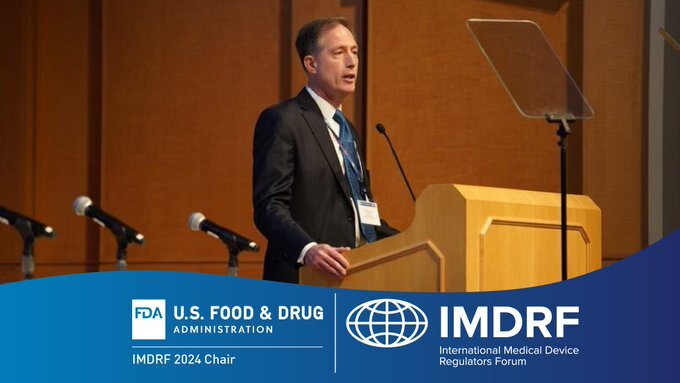
Dr. Jeff Shuren, director of the FDA’s Center for Devices and Radiological Health (CDRH), is serving as chair of the IMDRF in 2024. The forum’s 25th session, which the FDA hosted in Washington, D.C., March 11-15, attracted a record turnout during the first two days of public meetings with 400 in-person attendees and 800 virtual attendees. Taken together, they represented more than 60 countries and 550 public and private sector organizations.
 Six nations — Australia, Brazil, Canada, China, Japan, and the United States — along with the European Union established the IMDRF in 2011 with the World Health Organization. Since then, Russia, Singapore, South Korea, and the United Kingdom have joined the six nations and the EU on the Management Committee, which makes decisions regarding membership applications, the publication of technical documents, and initiation of new work. In addition, Argentina and Switzerland have been added as official observers.
During the March meeting, the Management Committee agreed to approve and post as final eight Good Regulatory Review Practice documents that were revised to use consistent terminology. The IMDRF also welcomed seven new Affiliate members — El Salvador, Ethiopia, Jordan, Kenya, Mexico, Nigeria, and Tanzania, joining current Affiliate members from Chile, Cuba, Egypt, Israel, Montenegro, South Africa, and Taiwan. Affiliates attend open meetings, use IMDRF documents in part or in whole as the basis of their own regulatory framework, and may participate in open working groups.
The public-facing portion of the March meeting featured a joint IMDRF/Industry Workshop on reliance where regulators make decisions in part by taking into account, or giving significant weight, to the findings of another institution. There was also an open stakeholder forum featuring regulatory updates from the IMDRF Management Committee and official observers and an update on the progress of the working groups.
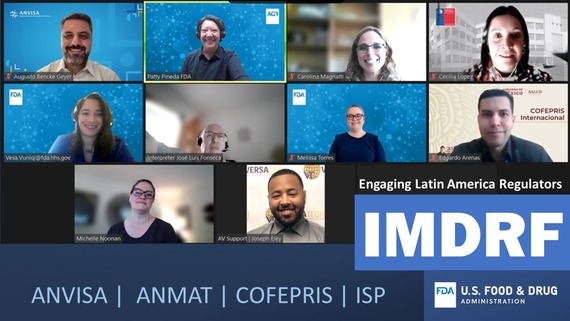 CDRH has been working to promote and increase membership in the IMDRF outside of the meeting sessions. It recently sponsored a webinar with the Office of Global Policy and Strategy’s Latin America Office to encourage IMDRF participation by regulators in Latin America. Over 110 people attended the May 3 virtual event to hear regulators in Argentina, Brazil, Chile, and Mexico discuss their IMDRF experiences. A follow-up webinar is being planned for June 11.
The IMDRF’s September meeting, the forum’s 26th session, will continue discussions from the 25th session and advance the mission of the IMDRF. No official agenda is available yet. Registration will be opening soon.
New WHO Group Established to Achieve Food Safety Goals
The World Health Organization (WHO) inaugurated an alliance of public health entities in Geneva early this month that will work together to help the WHO achieve some major components of its Global Strategy for Food Safety 2022-2030.
That strategy, adopted by Member States at the 75th Session of the World Health Assembly in May 2022, per Resolution WHA75(22), set concrete global food safety targets to be reached by 2030, focusing on five overarching strategic priorities:
- Strengthening national food control systems.
- Identifying and responding to food safety challenges resulting from global changes and food systems transformation.
- Improving the use of food chain information, scientific evidence, and risk assessment in making risk management decisions.
- Strengthening stakeholder engagement and risk communication.
- Promoting food safety as an essential component in domestic, regional, and international food trade.
The main goal of the new WHO Alliance for Food Safety is to support the implementation of the Global Strategy specifically in the area of foodborne disease surveillance, which is a foundational component of strategic priorities 2 and 3, and also informs 1 and 5.
 Among the Alliance members are WHO Collaborating Centers*; U.N. organizations working in food safety; governmental entities from many countries including the U.S. Centers for Disease Control and Prevention and the FDA; and other leading institutions. The Alliance is led by the members of the WHO Secretariat. [*The Collaborating Centers are co-located with 27 academic or national research institutions involved with food safety strategies, across 18 different countries.] Both the FDA and CDC have helped to fund the Alliance.
The May 6-8 organizational meeting drew more than 100 participants who reviewed both the terms of reference (ToR) and a draft work plan for helping countries meet the WHO target of foodborne disease surveillance by 2030, and also discussed ways to monitor and evaluate the effectiveness of Alliance activities.
During the meeting, participants gathered in multidisciplinary groups to discuss specific activities, themes, and the formation of working groups that will help implement the ToR, work plan, and overall goals of the Alliance. These discussions included mapping inputs/outputs/outcomes related to the main goal of the Alliance and were critically important as they provided perspectives from a broad range of professional disciplines, public health entities, and countries.
The FDA was represented at the meeting in Geneva by members of the agency’s Center for Food Safety and Applied Nutrition, including Stic Harris and Fazila Shakir, and virtually by Eric Stevens presenting on whole genome sequencing. Ryan Newkirk, a secondee/technical officer with the WHO and a senior advisor with OGPS’ Office of Trade and Global Partnerships, also attended in person. Starting last October, Newkirk took on a unique role for the FDA by doing a secondment at the WHO’s Department of Nutrition and Food Safety in Geneva. While seconded, he has been working with the WHO to strengthen global food safety regulatory approaches, identify emerging risks to the global food system, and implement key activities of the Global Strategy for Food Safety.
Next steps for the Alliance include the WHO Secretariat finalizing the ToR and work plan, with a virtual follow-up meeting scheduled for September.
Pilot Program Extended – Speeding Availability of Lifesaving Medicines
The FDA has agreed to extend a pilot program that helps the World Health Organization (WHO) assist resource-limited countries improve their regulatory efficiency, thus speeding the availability of new lifesaving medicines to patients.
Similar to a regulatory authority, the WHO, through its Prequalification of Medicines Program, assesses the quality, safety, and efficacy of medicines. Drugs that have been prequalified are not only used by international procurement agencies to ensure they are buying quality-assured medicines, but by many resource-limited countries that rely on the listings and the prequalification evaluation to inform their decision-making and facilitate rapid local registration of medicines.
The WHO’s prequalification assessment process usually takes around 270 days on average (excluding company time). The FDA/WHO Collaborative Registration Procedure-Lite (CRP-Lite) pilot was established in 2018 to trim that assessment time and reduce duplication of effort between the WHO and FDA. It was aimed at antiretroviral medicines submitted to the WHO’s prequalification program for the treatment of HIV/AIDS that had already been approved or tentatively approved by the FDA under the U.S. President's Emergency Plan for AIDS Relief (PEPFAR).
PEPFAR was launched in 2003 to address the global HIV/AIDS crisis by using U.S. funds to purchase, at low cost, antiretroviral therapies, including new combinations and formulations of medicines, for treatment in countries with limited resources that were hard-hit by the epidemic. Although there is no cure for HIV/AIDS, antiretroviral treatment, which usually involves a combination of three drugs, can dramatically reduce the severity of illnesses associated with HIV infection. It can also improve the duration and quality of life, as well as help reduce risk of transmission to uninfected individuals —including mother-to-child transmission, the leading cause of HIV infection in children.
With CRP-Lite, the FDA, with the sponsor’s approval, shares a minimally-redacted review of one of its approved or tentatively approved HIV drug applications. This wealth of information enables the WHO to expedite its own regulatory decision-making process and enables resource-limited countries globally to benefit from the scientific evaluation from prequalification, and the FDA to facilitate in-country registrations.
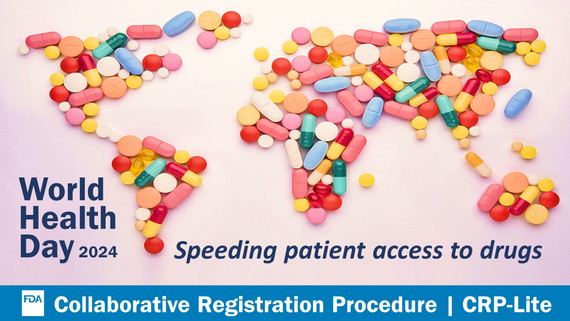 During the first FDA/WHO CRP Lite pilot, the FDA shared reviews for two products that were then prequalified by the WHO. In March 2024, Mark Abdoo, FDA Associate Commissioner for Global Policy and Strategy, approved an extension of the pilot. OGPS announced the extension on World Health Day, via a post on X (formerly Twitter).
As of April 2024, a total of 1,185 product registrations have been facilitated in countries through the Collaborative Registration Procedure, which includes medicines, vaccines, and in vitro diagnostics (also referred to as “medical products”). Currently, more than 84 companies have registered medical products, and 81 resource-limited countries use the listings. Of those countries, 39 are also PEPFAR partners.
So far, FDA/WHO CRP-Lite has been limited to HIV antiretrovirals, but if the results are encouraging, it could be expanded to become a regulatory model for other therapeutic areas.
OPLIA Representatives Attend 77th World Health Assembly in Geneva
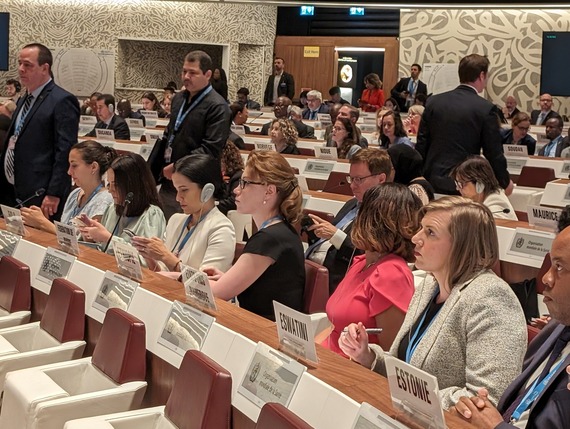
FDA Deputy Commissioner for Policy, Legislation, and International Affairs Kim Trzeciak and Office of Global Policy and Strategy Program Advisor Betsy Newcomer is representing the FDA at the Seventy-seventh World Health Assembly in Geneva on May 27-June 1. They are joining the Department of Health and Human Services delegation led by Secretary Xavier Becerra. Key areas of interest for the FDA include food safety, antimicrobial resistance, pandemic accord negotiations, negotiations to amend the International Health Regulations, and other regulatory discussions with the World Health Organization (WHO).
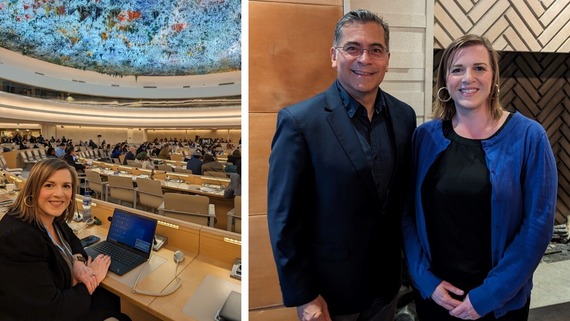 FDA Deputy Commissioner Kim Trzeciak and HHS Secretary Xavier Becerra attending the World Health Assembly.
The decision-making body of the WHO, the World Health Assembly is held annually and attended by delegations from all WHO Member States. The gathering focuses on a specific health agenda prepared by the WHO’s executive board of 34 qualified members elected for three-year terms. The main functions of the assembly are to determine the WHO’s policies, appoint the Director-General, supervise financial policies, and review and approve the proposed program budget.
A series of strategic roundtables are being held throughout this year’s assembly, giving delegates, partner agencies, representatives of civil society, and WHO experts an opportunity to discuss current and future public health issues of global importance.
|
|
Ambassador speaks at FDA-hosted medical device event
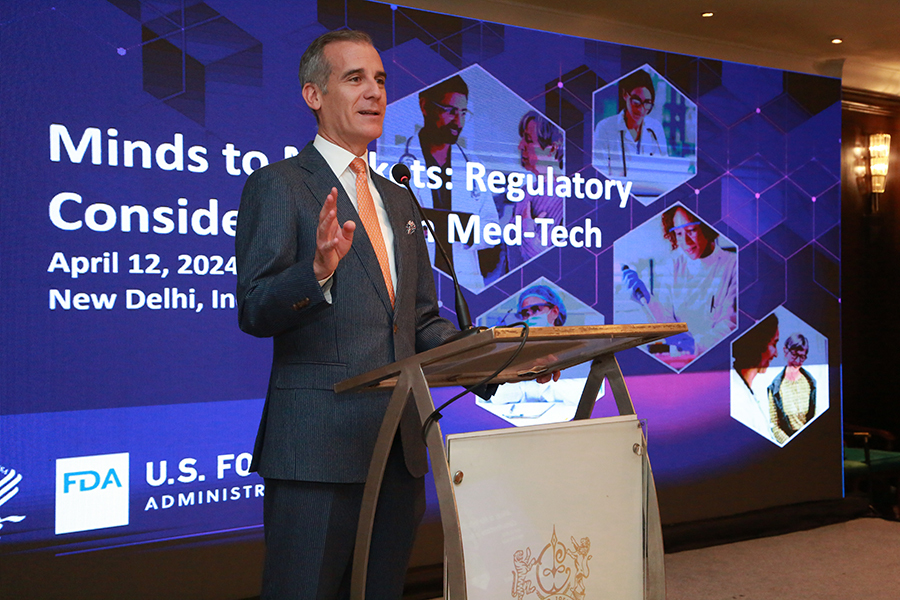 U.S. Ambassador to India Eric Garcetti gave keynote remarks on April 12 at “From Minds to Markets Regulatory Considerations in Med-Tech," an event hosted by the FDA India Office and experts from the FDA’s Center for Devices and Radiological Health. The New Delhi event targeted India’s nascent medical devices innovation industry, including innovators supported by the U.S. Agency for International Development (USAID)’s various global health technology programs and initiatives, and marked the first time the FDA and USAID collaborated in India on medical devices. Nearly 350 stakeholders from industry, innovation, academia, and the Indian government gathered both online and in person to hear about the FDA’s medical device regulatory framework, artificial intelligence and machine learning innovation, and Good Regulatory Practices, including regulatory harmonization and reliance.
FDA at WHO Pandemic Accord negotiations
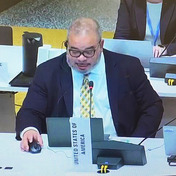
Russell Campbell, Senior International Policy Analyst, represented the FDA in Geneva at the WHO Pandemic Accord negotiations May 7.
OGPS has been leading agency efforts in developing the U.S. position on a new global pandemic agreement since 2021.
|
FDA at Mexican Food Safety Council and IFPA Mexico Conference
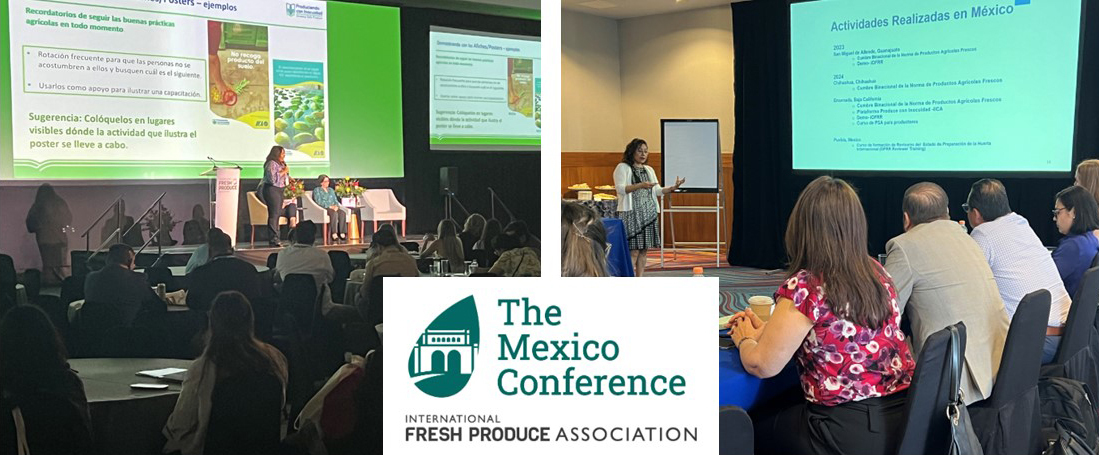 Anali Sandoval (speaker on right) of the FDA’s Latin America Office presented to the Mexican Food Safety Council on May 21, kicking off a discussion on shared priorities and potential collaborations. The FDA can leverage industry associations such as the International Fresh Produce Association (IFPA) to expand outreach, improve compliance with FDA regulations, and garner support in building a safer global food supply. The council meeting was held under the framework of the IFPA's 2024 Mexico Conference, which took place May 22-23 in Guadalajara. The following day the conference featured the FDA’s Cooperative Agreements with the Inter-American Institute for Cooperation in Agriculture (IICA) (Noemi Zuniga, speaker on left). Under these Cooperative Agreements, IICA and the FDA have partnered to implement regional produce safety training strategies and develop a mobile platform to augment produce safety training.
FDA met with Indian Pharmaceutical Alliance
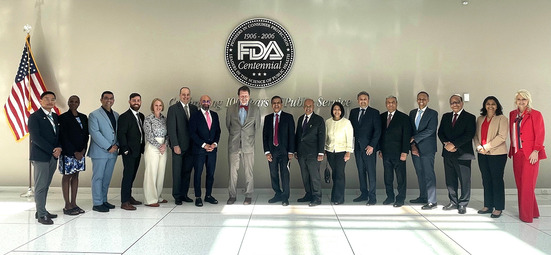 On April 29, FDA Commissioner Califf and senior staff met with the Indian Pharmaceutical Alliance (IPA) at the FDA's headquarters to discuss advancing drug quality in India. The talks built on Dr. Califf's September 2023 meeting in India with IPA and other Indian pharma leaders.
LAO webinar on clinical trial regulatory frameworks
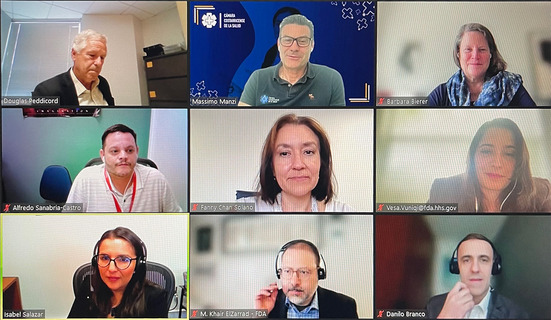 The FDA Latin America Office organized a webinar on May 28, bringing together FDA, academic, and industry experts from the United States and Costa Rica to foster collaboration and enhance understanding of each nation's regulatory frameworks for clinical trials. With over 70 participants, the event featured presentations on the latest updates and activities within Costa Rica's clinical trials sector, insights into the country's Social Security System's involvement, and an overview of the FDA's regulatory approach. Key topics included the roles of IRBs, health systems, regulatory authorities, and CROs. This initiative marks the beginning of broader cooperation and engagement to advance clinical trials and product innovation in Costa Rica.
Canada delegation visits FDA HQ
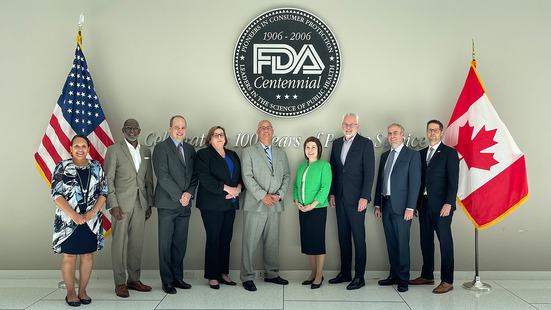 On May 28, Linsey Hollett, Assistant Deputy Minister of Health Canada’s Regulatory Operations and Enforcement Branch (ROEB), met for the first time with her counterpart Michael Rogers, FDA Associate Commissioner for the Office of Regulatory Affairs, at the FDA’s headquarters in Maryland. They shared information on such key FDA and ROEB issues as drug shortages, supply chains, and inspections.
|
|
|
Back to TOP
 FDA Kicks Off Initiative Aimed at Boosting Oncology Clinical Trial Access in India
The FDA’s Oncology Center of Excellence (OCE) held a virtual roundtable on April 30 to kick off Project Asha, an initiative in collaboration with the White House Cancer Moonshot Program to increase oncology clinical trial access in India.
The Roundtable, “Beyond Borders: Decoding India’s Oncology Clinical Trial Terrain,” brought together key stakeholders, including representatives from OCE, the FDA’s India Office, India’s Central Drugs Standard Control Organisation (India's national regulatory body for cosmetics, pharmaceuticals and medical devices), the Indian Society for Clinical Research (ISCR), clinical investigators, trial participants, and international sponsor representatives, to collaborate on advancing access and conduct of cancer clinical trials in India.
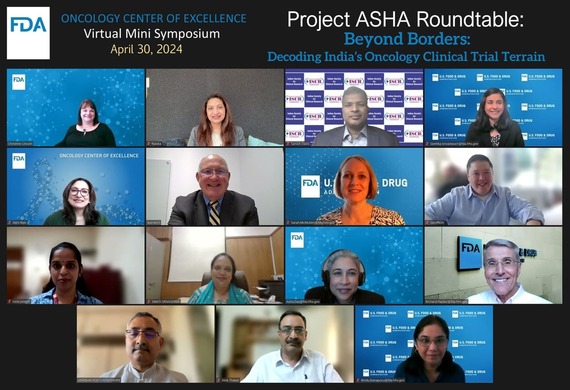 While India accounts for nearly 20% of the global population, only 1.5% of global trials are conducted in India. The fact that only a small fraction of the global clinical trials are conducted in India despite the country’s significant population indicates the need for globalization of research to benefit public health and expand treatment options, particularly for non-urban populations in India, ISCR said in a LinkedIn post about the roundtable.
In June 2023, President Biden and Prime Minister Modi reaffirmed the strong relationship between the United States and India by announcing new commitments to reduce the burden of cancer in India, including convening a U.S.-India Cancer Dialogue to advance the prevention, early detection, and treatment of cancer.
The goal of this collaboration is to identify short- and long-term opportunities for bilateral cancer cooperation that will drive greater care and improved outcomes for cancer patients.
Project Asha will focus on the area of clinical trials/research training, a proposed priority identified during the U.S.-India dialogue. This includes:
- Training for early career researchers and pragmatic, patient-centered clinical trials focused on key questions in low-resource setting enabled by Indian pharmaceutical support.
- Identifying collaborative opportunities that promote more inclusive and equitable participation in international cancer research and clinical trials; these collaborations will involve cross-border data transfer, aiming to maximize scientific cooperation while upholding stringent privacy protections.
The roundtable is the first in a series of planned discussions/dialogues with involved stakeholders to outline the current availability of interventional oncology clinical trials, understand the regulatory landscape, and identify barriers that exist to bringing intervention oncology clinical trials in India.
OCE also intends to work closely with Indian regulatory authorities as well as the Indian government on opportunities to increase access to oncology clinical trials and to share regulatory initiatives and guidance to improve global cancer care.
NIH’s Fogarty International Center Appoints Vaccine Expert as New Director
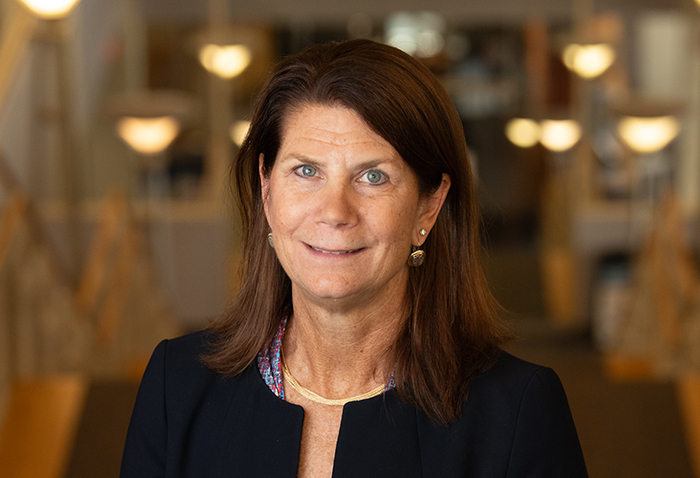
The National Institutes of Health (NIH) recently selected internationally recognized vaccinologist Dr. Kathleen Neuzil as the 13th director of the Fogarty International Center. Fogarty’s first woman director, she has also been appointed associate director for international research at the NIH.
Neuzil will lead Fogarty in supporting global health research conducted by U.S.-based and international investigators, building partnerships between health research institutions across the globe, and training scientists to address global health needs. She will oversee the center’s annual budget of approximately $95 million, the majority of which is distributed through grant programs.
With a career focused on vaccine development and vaccine introduction in low- and middle- income countries and regions, Neuzil has also contributed to mentoring the next generation of vaccine researchers. Her work in the field of vaccinology covers multiple infectious diseases, including influenza, rotavirus, human papillomavirus, Japanese encephalitis, typhoid, and COVID-19. With more than two decades of experience in vaccine policy, she has authored or co-authored more than 340 scientific publications.
Image courtesy University of Maryland.
Prior to coming to Fogarty, Neuzil served as the Myron M. Levine Professor in Vaccinology, professor of medicine and pediatrics, director of the Center for Vaccine Development and Global Health, and chief of the Division of Geographic Medicine at the University of Maryland School of Medicine. Before that, she was a clinical professor in the departments of medicine and global health at the University of Washington in Seattle.
From 2005-2015, Neuzil worked for PATH, an international, nonprofit global health organization based in Seattle. Most recently, she served on the National Institute of Allergy and Infectious Diseases’ Special Emphasis Panel and the institute’s Vaccine Research Center Scientific Advisory Panel. She is also a member of both the World Health Organization (WHO) Strategic Advisory Group of Experts on Immunization and the National Academy of Medicine.
“Dr. Neuzil has decades of experience in global health,” said NIH Director Dr. Monica M. Bertagnolli. “Combined with her many years as a vaccine policy advisor to the CDC and the WHO, and her experience establishing new partnerships and directing diverse organization teams, she is very well suited to lead Fogarty.”
Neuzil received her undergraduate degree in zoology from the University of Maryland, College Park. She earned her medical degree from Johns Hopkins University School of Medicine and completed her internship and residency at Vanderbilt University School of Medicine. While at Vanderbilt, she completed a fellowship in infectious diseases and earned a master’s in public health.
FDA-EU Bilateral Meeting
The FDA welcomed EU health authorities to its White Oak Campus in Maryland April 24-25 for an FDA-EU Bilateral meeting.
 The FDA has enjoyed a long history collaborating with the EU's Directorate for Health and Food Safety (DGSANTE) and the European Medicines Agency (EMA) on a host of subjects. They meet on a regular schedule, typically every other year, and each meeting offers a unique opportunity to hold technical discussions on emerging or high-priority topics. For the first time, the European Food Safety Agency (EFSA) participated in the bilateral, reflecting both the FDA’s and EU’s commitment to the principles of One Health, which acknowledges the interconnection of human, animal, and environmental health. EFSA is the European agency that provides independent scientific advice and communications on existing and emerging risks associated with the food chain.
Both Dr. Marco Marsella, Director for Digital, EU4Health and Health Systems Modernisation for the EU's Directorate for Health and Food Safety (DG SANTE), and Dr. Namandjé Bumpus, FDA Principal Deputy Commissioner, gave opening remarks.
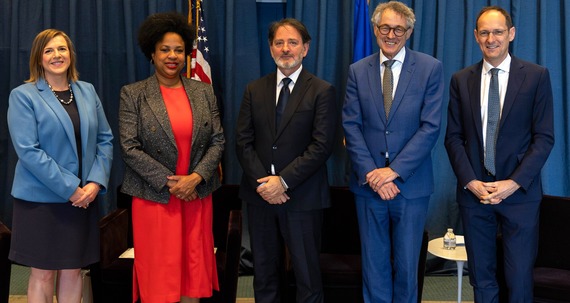 FDA and EU Leadership: (L to R) Kim Trzeciak, Namandjé Bumpus, Marco Marsella, Ivo Claassen, and Guilhem de Seze.
“These discussions provide us a unique opportunity to come together – to strengthen our relationships, our understanding, and our capacity to effect important change," said Dr. Bumpus who then moderated a "Bilateral Leadership Dialogue" on food priorities, opportunities and challenges for the next five years, potential bilateral cooperation, and how a One-Health approach impacts their work and activities. Other participants included Rebecca Buckner, Acting Deputy Director for Regulatory Policy, Nutrition, and Engagement, at the FDA's Center for Food Safety and Applied Nutrition, and Guilhem de Seze, Head of EFSA's Risk Assessment Production Department. Participating virtually were Sabine Pelsser, Head of Unit for Antimicrobial Resistance and Human Nutrition, DG SANTE, and Jonathan Briggs, an EC policy officer.
The day’s other sessions included emerging science in food; new technologies for food outbreaks, including the use of whole genome sequencing; new alternative methodologies for risk assessment; artificial intelligence; digital health; and evidence generation.
Day Two began with a Leadership Dialogue on Medical Products, moderated by FDA Deputy Commissioner Kimberlee Trzeciak with the European Medicines Agency’s (EMA) Chief Medical Officer Dr. Steffen Thirstrup. FDA Chief Medical Officer Dr. Hilary Marston and DG SANTE Director of Medical Products and Innovation Rainer Becker joined the discussion virtually. Similar to the dialogue on food, participants discussed their current priorities, their biggest opportunities and challenges for the next five years, and potential areas for bilateral cooperation, with a brief discussion on the rapidly evolving scientific area of advanced manufacturing, which was explored in greater depth later in the day. Other sessions included the U.S.-EU Mutual Recognition Agreement and strategies to support one high-quality standard in medical product manufacturing.
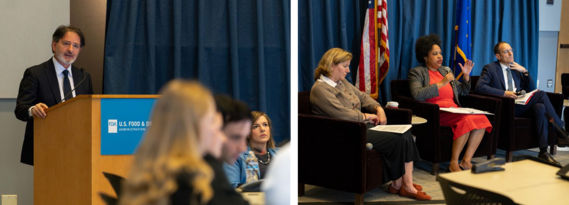 (Left image) DG SANTE’s Marco Marsella is speaking. (Right image) The FDA’s Rebecca Buckner and Namandjé Bumpus, and EFSA’s Guilhem de Seze, as part of a roundtable.
|
|
|
Back to TOP
 OGPS Hosts International Policy Discussion with the FDA’s Foreign Office Experts
The Office of Global Policy and Strategy (OGPS) hosted “FDA Policy Beyond Our Borders: A Discussion with the FDA’s International Relations Specialists” on April 23. This panel featured food and medical product policy experts from the FDA's China (CNO), Europe (EO), India (INO), and Latin America (LAO) Offices explaining their roles in supporting the FDA’s global public health mission.
In many cases, that means serving as the point of contact for the FDA's bilateral and multilateral engagements — which requires maintaining diplomatic and strategic partnerships.
“An international relations specialist (IRS) represents the FDA, OGPS, and the agency’s priorities. All of our work is centered around our priorities and strategic initiatives,” said Clinton Priestley, CNO IRS. “We monitor the geopolitical landscape and meet with like-minded foreign and other U.S. government agencies within the embassy that represent the same portfolios that we do.”
Policy staff in CNO and INO focus primarily on products from their respective countries.
In contrast, LAO focuses on products from the 44 countries of Latin America and the Caribbean with posts in Chile, Costa Rica, and Mexico. So, for policy and international relations, these locations also rely heavily on their locally employed staff (LES for short) as the bridge between FDA headquarters and the foreign government and industry.
“We know the politics, the diplomatic issues or challenges in the country. We are the ears, eyes, and obviously a face of the FDA in the countries that we work with,” said Anali Sandoval, LAO LES in Mexico. “We work together with the IRS as a repository of the relationship that the FDA has had in the countries that we work with — it is critical to have staff working in country.”
The FDA’s EO covers the European Union, as well as individual countries that are not EU members, such as the U.K., Norway, and Switzerland. The office is based in Brussels, the administrative center of the EU. As a supranational political and economic union of 27 member states, the EU has a complex structure and it’s important that policy and international relations staff understand how regulatory decisions and enforcement work in the EU.
“We work with the agencies at the EU level — they set enforcement regulations — and have a constructive relationship depending on the policy. The enforcement can be challenging as it is done at the member state level,” said Alessandro Fiorelli, EO LES. “Our work can be complicated at times navigating the EU structure, but we get positive results along the way, and that is very helpful for the FDA’s work.”
Training is an important aspect of the work done by the foreign office policy experts.
In India, if FDA investigators identify gaps or data integrity issues during inspections, policy staff will meet with government and industry sector partners to suggest ways to improve processes.
“Outreach is a way we can help teach our partners how to make corrections to their manufacturing processes and regulations. It’s important to track and flag trends to avoid Good Manufacturing Practices violations and how to avoid falsified data or products coming into the U.S.,” said Jackie Jones, INO IRS.
In 2019, INO partnered with the Food Safety Preventive Controls Alliance — an FDA training partner — to conduct preventive controls qualified individual (PCQI) training and PCQI training for the trainers.
“We have over a hundred lead instructors now in India that are internally training industry on the PCQI process and how to become PCQI-qualified,” said Pankaja Panda, INO LES. “We also do some training with the Spices Board of India on Good Agriculture Practices for farmers who grow spices and aromatic herbs, and Good Manufacturing Practices for those who process the spices and herbs that are used in Ayurveda, a traditional Indian medicine.”
Staff on the Move
The FDA India Office’s Dr. Sudheendra Kulkarni left his position as senior technical advisor for bioresearch monitoring (BIMO) and medical products in April. Considered a pillar of the India Office by his colleagues, Kulkarni joined the India Office in January 2018, moving north from a BIMO industry job in Bengaluru to work for the FDA in New Delhi. His insight and expertise in India’s pharmaceutical, medical device, and clinical research sectors will be missed, as he has witnessed their growth and changes over the last 20 years. Kulkarni was known as the “office encyclopedia” who always had an awareness of state and federal news, weather events and patterns throughout India, and places to visit when traveling throughout the country.
|
|
|
Back to TOP
 Recent communications from OGPS to our international stakeholders (list does not include weekly FDA Int'l Roundup summaries), April 29 through May 2.
|
|
|
Back to TOP

|
June 7
|
World Food Safety Day
|
|
June 16-20
|
DIA Global, San Diego
|
|
September 16-20
|
IMDRF Fall Meeting, Seattle
|
|
September 18-20
|
Global Summit on Regulatory Science, Little Rock, Arkansas
|
|
|
Read thought-provoking pieces covering international topics in
From A Global Perspective. |
|
Please follow @FDA_Global. |
|
|
Subscribe to Global Update
Don't miss out on future issues of Global Update or other international news from OGPS. To sign up, click "Manage Subscriptions" in the below footer then follow the prompts and select the "International Programs" box.
|
|
|
|
|