

More wildflowers are set to flourish across Eden thanks to additional funding to support pollinators.
Following the success of four Planting for Pollinators sites in Eden last year, Westmorland and Furness Council’s Eden Locality Board is funding a two further sites this year (2025/26).
Almost £12,000 of funding has been allocated by the Board’s Climate Action and Increasing Biodiversity Working Group to restore meadows this autumn at Hutton Roof Green and Shap Playing Field. This builds on the work at four community sites across Eden which have already benefitted from funding to plant, including Fairhill Recreation Ground (Alston), Carleton Park (Penrith), Otteriggs Field (Salkeld Dykes) and Edensyde (Kirkby Stephen).
Planting days took place earlier this month at Hutton Roof village green in Mungrisdale and at Shap playing field where over 3000 wildflowers were planted across the two sites. Many thanks to Cumbria Wildlife Trust, the local parish councils and all the volunteers who dedicated their time to planting.
|
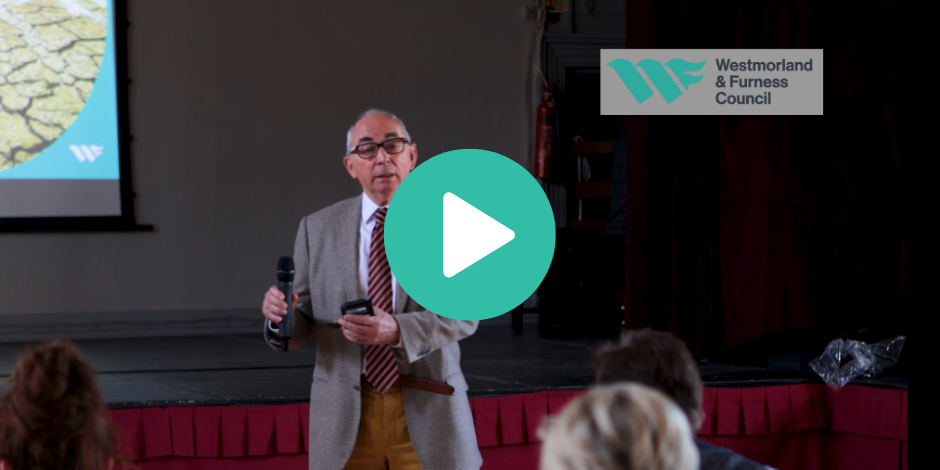 Local partnerships are leading the way in tackling climate change and restoring nature through community-powered action across Westmorland and Furness.
Watch our video to hear how at a recent workshop in Kendal, we brought together 15 local partnerships for a special Climate and Nature Partnership event, celebrating the community-driven projects tackling climate change and supporting nature recovery across the area.
The event marked the progress of the 24 partnerships awarded a share of £900,000 through the Council’s Climate and Nature Partnership Fund which supports collaborative efforts to reduce emissions, restore nature and ensure a fair transition to a low carbon future for communities.
The workshop provided an opportunity for groups to share their work, learn from one another, and explore how place-based climate and nature action can have lasting positive impacts across Westmorland and Furness.
Projects funded through the scheme range from peatland restoration and invasive species management to the creation of community wildlife gardens and low carbon travel plans.
The partnerships supported by the fund include:
- Arnside & Silverdale AONB
- Branching Out in Barrow – Raise (Community Forest Trust)
- Community Collective – Lakeland Arts
- Coniston Environment Partnership – Coniston Parish Council
- Cumbria Local Visitor Economy Partnership – Cumbria Tourism
- Cumbria Peat Partnership – Cumbria Wildlife Trust
- Cumbria Peatland Restoration Research Partnership – University of Cumbria
- Eden Catchment Partnership – Eden Rivers Trust
- Flourishing Ulverston – Mycelium Thinking
- Ford Park Community Group – People Planet Pocket CIC
- Grange to Arnside Trail – Morecambe Bay Partnership
- Land and Nature Skills Service Partnership
- Love Windermere – Freshwater Biological Association
- Love Windermere Partnership – Lake District Foundation
- Lynster Farmers Group
- Ormsgill Community Garden – BarrowFull
- Nutrient Neutrality Project Board- LDNP Authority
- People and Nature Network
- PLACE – CDEC
- Sustainability and Energy Network in Staveley
- The Life of the Park – Full of Noises
- Wild Walney – Art Gene
- Windermere Science Festivals CIC
- Zero Carbon Cumbria Partnership
 Residents and businesses in Westmorland and Furness can find out more about electric vehicles (EV) next month with the area’s first EV open day event.
Organised by Westmorland and Furness Council, ‘GO EV!’ – short for ‘Get Onboard with Electric Vehicles’ – will take place on Saturday 18 October, from 10am-2pm at Kendal Leisure Centre.
The FREE event will showcase the growing range of EVs, both cars and vans, that are now available and allow people from across the area to explore some of the benefits of EV adoption.
Book your place now!
Visitors will have the opportunity to test drive a range of exciting new electric cars and vans, speak to dealers, ask questions and learn from industry experts about the latest advancements in EV technology including charging infrastructure whether for home or work.
A range of electric vehicles will be on display from local dealerships with test drives available throughout the event.
Kendal Leisure Centre offers ample free car and cycle parking as well as regular bus services to and from Kendal and Oxenholme.

Community-led climate action flourished across Westmorland and Furness in June thanks to Locality Board funding for Great Big Green Week.
During this year's Great Big Green Week, over 1,800 residents directly participated in 23 funded local events made possible through generous Locality Board grants.
This year’s theme, ‘Swap Together for Good’, inspired an incredible variety of grassroots activities that empowered communities to tackle climate change, strengthen social connections and promote sustainability.
The council’s three Locality Boards awarded £5,000 in total to support projects across the Eden, South Lakeland and Furness areas, helping to make 2025 the most vibrant Great Big Green Week yet.
From clothes swaps and wellbeing walks to composting workshops and community food growing projects, the funded events were attended by 1,816 people across the area. Even more were reached through CandoFM Radio’s dedicated ‘Green Week of Broadcasting’ which engaged an estimated 8,000 listeners. Additionally, 117 new volunteers were recruited through these funded events, adding to the fantastic group of people across the area who are willing to donate their time to raising awareness of the climate crisis and/or get involved in practical projects which will help reduce carbon emissions.
Libraries across Westmorland and Furness also actively took part, hosting their own events and highlighting their ongoing contribution to sustainability through the core principle of reuse - lending books and other resources to their communities.
The success of the week was further supported by the vital input and promotion from the Zero Carbon Cumbria Partnership and Futureproof Cumbria whose ongoing commitment to community-led climate action helped to amplify awareness and engagement across the area. Additional funding was also provided by the National Lottery Community Fund and the ‘Place to Plate’ project as part of Innovate UK Pathfinder Places.
|

In August, the Council took a major step forward by submitting the revised Local Nature Recovery Strategy (LNRS) to its Supporting Authorities. This submission marked a key milestone, initiating a crucial 28-day pre-publication review period.
The Supporting Authorities (Cumberland Council, Lake District National Park Authority, Yorkshire Dales National Park Authority, and Natural England) have been conducting a final review of the document following changes made following a public consultation.
Once Supporting Authority approvals are received it will allow Westmorland and Furness Council to issue an "Intention to Publish" date to Defra (Department for Environment, Food & Rural Affairs), bringing the strategy one step closer to publication.
You can read more about the consultation process and see the response on the LNRS website.
|
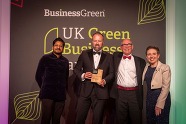
The Council was confirmed as winners in two popular categories at this year’s UK Green Business Awards for major projects and strategies associated with their approach to decarbonisation for the area.
The Council was shortlisted for three awards and were voted as winners for their submissions for the ‘Green Building Project of the Year’ for the retrofit of Voreda House, the UK’s first council office building to achieve Passivhaus EnerPHit accreditation and ‘Net Zero Strategy of the Year’ for the progress made during 2024, the first year in the council’s five-year plan to become net zero by 2037.
This year's awards received nearly 500 entries, including submissions from many of the UK's most successful and high-profile businesses. Finalists were selected based on their commitment to sustainability and innovation in the green economy.
|
Earlier this year, the Council commissioned a £84,000 heat network zoning and feasibility study to pinpoint the most cost‑effective areas for low‑carbon district heating and to produce investable designs for the highest‑priority zone.
Funded by Heat Network Delivery Unit (HNDU), the piece of work will be led by consultants Sustainable Energy Ltd and Centre for Sustainable Energy and will run until December 2025. It will look to:
- Map and refine heat‑network zones across the whole council area
- Provide technical and economic feasibility and an investor prospectus for the top zone, positioning the Council for upcoming Heat Network Zoning legislation and helping deliver its ambition to support Westmorland and Furness to be Net Zero by 2037.
We look forward to updating you on the progress of this project in the next edition of our newsletter.

Our One Tree Per Resident initiative is about to sprout exciting opportunities with free trees and hedge packs soon to be available to residents, businesses, community groups, landowners, schools, parish and town councils across Westmorland and Furness.
Keep an eye on our website for details coming soon on how to claim your free trees or hedge packs.
We can’t wait to see them take root across our area!
|
 In the past month, CiFR has agreed grants as follows for works in some of the project areas:
-
Eden Rivers Trust: £282,000 for natural flood management works around the village of Warcop.
-
West Cumbria Rivers Trust: £265,000 for natural flood management works in the Bitter Beck and Tom Rudd Beck catchments upstream of Cockermouth.
-
Cumbria Wildlife Trust: up to £230,000 for 151 hectares of peat restoration work at Wythop Moss, which is also in the Bitter Beck catchment above Cockermouth.
Who and how
CiFR is a Cumbria-wide innovation programme funded by Defra and hosted by Westmorland and Furness Council. The programme has chosen four small rural communities in Cumbria that have suffered repeated flooding. They have been selected for their different geography and land use in order to explore ways to reduce flood risk using different nature based solutions, alongside building community resilience to enable communities to prepare effectively for emergencies and recover more quickly when flood events happen.
The Wildlife Trust and Rivers Trusts are well placed to manage these works and will work with local contractors to deliver them, benefiting the local rural economy.
Where
Warcop is in the Eden valley in Westmorland and Furness, while Wythop Moss, Bitter Beck and Tom Rudd Beck are above Cockermouth in Cumberland.
What
Natural flood management restores or mimics the natural functions of rivers, flood plains and catchments by intercepting rainfall, increasing soil infiltration, storing water and slowing the flow of water into rivers, reducing and delaying flood peaks. The planned works include tree planting, kested hedges (hedges planted on earth bunds) and leaky wooden dams.
Peat restoration works include blocking and reprofiling drainage channels to rewet the peat, trapping sediment and revegetating areas of bare peat. Healthy peatlands can sequester carbon in the atmosphere while damaged peatlands no longer sequester carbon and instead return oxidised carbon back into the atmosphere, increasing greenhouse gas emissions.
Restoring the peatland will also reduce flood risk by storing water and delaying its flow into streams and rivers, improve water quality downstream and provide important blanket bog habitat for wildlife. The restoration will also protect archaeological records under the peat which could be destroyed if the peat were left to erode. By being wetter, the peatland is also less at risk of wildfire.
When
Grants were awarded this summer with works set to begin later this year and continue throughout 2026.
Why
Small rural communities are at increasing risk of flooding due to the changing climate and often do not have the property numbers to qualify for funding for hard flood defences.
Find out more about NFM
Download and read this CiFR leaflet.
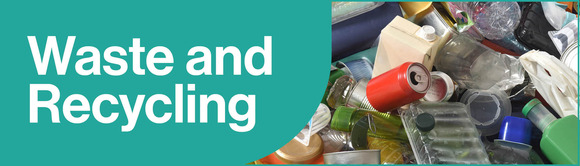

Plans to harmonise Westmorland and Furness Council’s waste and recycling services have taken a step forward.
At a meeting of the council’s Cabinet (9 September), councillors agreed a series of recommendations to support a new harmonised waste and recycling service for the area:
- The roll-out of an in-house waste and recycling collection service
- Adoption of alternate weekly residual waste collections using a 240-litre wheeled bin
- Adoption of an alternate weekly recycling kerbside collection service using 2 x 180-litre wheeled bins
- Provision of bespoke service arrangements for residents that cannot adopt wheeled bins
- Agreed to harmonising charges for garden waste for the 2026/27 financial year as part of the Council’s annual budget setting process. Any proposed changes to fees and charges will be presented for approval, as part of the budget report, to Full Council.
The recommendations agreed at the meeting were drawn up to reflect the feedback from extensive community engagement and consultation over the past year, with almost 3,000 people sharing their experiences of the current collection service at the end of last year, and more than 4,300 residents across the area sharing their views in a more recent consultation over summer.
Alongside this, the council also ran pilot trials of different collection methods in Ulverston and using wheelie bins instead of bags for general waste in Penrith, giving residents in the trial areas the opportunity to try out changes and share their experiences.
The new arrangements will be phased in over a period of time in different areas, and details about how that will be done, when and what will happen to existing containers will be communicated with residents when their area is ready for the roll-out.
It won’t be right away and will be a phased roll-out, taking several months, even years, to fully complete. We deliver 7.5 million collections a year to 117,000 households across Westmorland and Furness, so it’s a complex undertaking and is going to require lots of conversations with communities and, if necessary, looking at bespoke collection arrangements in areas with particular access issues.
Read the full article on the council's website.
|

During this year's Recycle Week, we launched a four-week campaign to help you 'foil in love' with recycling.
Recycling your foil is easy and it makes a big difference!
Did you know that aluminium foil is endlessly recyclable? That means every piece you recycle can come back again as something new – from bikes to drinks cans – saving energy and resources along the way.
Which foil or aluminium items can be recycled?
- Foil food trays and takeaway containers
- Kitchen foil, aluminium pot lids and wrappers
- Drinks cans
- Screw top lids from wine bottles
How to recycle foil
- Wipe or dip foil trays in washing up water to remove any crumbs or food residue.
- Scrunch kitchen foil, aluminium pot lids and wrappers together to form a ball - the bigger the better is easier to recycle.
- Leave aluminium screw top lids on jars and wine bottles.
Do the scrunch test!
- Scrunch your foil into a ball.
- If it stays scrunched, it can be recycled!
- If it springs back, pop it in the bin.
To check which container you can use to recycle your foil, visit our website.
For more information on what items can and can’t be recycled and where, visit recyclenow.com.
|

A host of brilliant Repair Cafes are now open all over Cumbria, fighting waste with practical skills and local knowledge.
From clothes and small electricals, to furniture, books, toys and jewllery, repair cafes can help give your items a new lease of life - saving you money, reducing landfill and helping the environment.
Find your nearest one and tips to save you money.
|
International e-Waste Day

Almost all of us have unwanted, broken cables clogging up our drawers - as well as unused, forgotten about electrical appliances in our cupboards such as toasters, kettles and hairdryers.
That’s millions of unwanted cables and thousands of kilograms of copper going to waste, that could be repurposed and recycled.
Why not be a part of The Great Cable Challenge – a UK-wide challenge to recycle 1 million cables in the run up to International e-Waste Day on 14 October.
Find your nearest local household waste recycling centre to recycle them.
|
international Repair Day

Whether you're a fixer, tinkerer, maker, or a fan of repair, why not see what difference you can make to reduce our impact on the planet, learn new skills and bring people together.
A host of brilliant Repair Cafes are now open all over Cumbria, fighting waste with practical skills and local knowledge.
Find your nearest one and tips to save you money.
|

 |
|
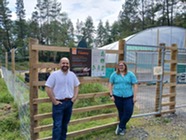
In August, officers from the Council were invited to visit the new tree nursery set up at Growing Well’s Tebay site and were taken for a tour of the site by Paul Cambre, Head of Horticulture at Growing Well.
|
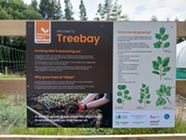
Growing Well is a local charity that is set up to improve the health of the landscape and the population here in Westmorland and Furness. They have branched out to not only provide horticultural goods but now at their Tebay site to include a new tree nursery. The site will cultivate up to 20,000 native Cumbrian sourced broadleaf trees each year as part of their mental health recovery programme.
|
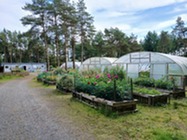
The nursery that opened in Spring 2025 has the ability to:
- Source local seeds and cuttings of tree species which are native to Cumbria
- Propagate from these seeds to help the seed grow into a sapling, this is done in their polytunnels allowing for over 20,000 trees to develop and are available to purchase wholesale.
- Sell the whips with all proceeds being reinvested in Growing Well’s Social Enterprise charity to support the long-term sustainability of its mental health service.
- Aid with planting of the whips which will support the Council’s ambition to plant one tree per resident.
|
In response to the climate and biodiversity crises, Westmorland and Furness Council wants to help its communities to plant one tree, or one metre of hedgerow equivalent, for every resident. This means planting a quarter of a million trees over a five-year period.
The Tebay Growing Well site welcomes volunteers on a Friday to help with their process of getting the trees ready for planting – so if you would interested in getting involved, please visit their website - Get Involved - Growing Well.

A new pilot project is underway connecting local schools with local farmers - through carrots.
This Autumn term, primary schools in the county will be tucking into Cumbrian-grown carrots and discovering the benefits of local food through an exciting pilot scheme.
Food and drink make up a quarter of the average Cumbria residents’ carbon footprint. Getting low-carbon food into schools and inspiring the next generation to eat sustainably are important steps towards a zero carbon county.
Carrots can be grown in Cumbria in natural conditions almost all year round, meaning associated emissions are low. As well as their low-carbon credentials, carrots are healthy, familiar and affordable, making them perfect for a children’s food programme.
Read more about this exciting initiative.
|

We have welcomed the recent findings and recommendations from the recent Cumbria Climate Assembly.
The assembly, which met between March and June, brought together 40 people from across Cumbria to explore the question: “Many people in Cumbria feel unheard and unable to influence those who make decisions on climate change action. What can be done about this?”. It was commissioned by the Zero Carbon Cumbria Partnership (ZCCP) and independently facilitated.
Following over 30 hours of evidence, discussions and deliberations, the assembly developed 17 clear recommendations and a set of guiding principles for good engagement. On 22 July, assembly members presented their reflections and findings to councillors and officers from Westmorland and Furness Council who were there to listen, learn and commit to next steps.
With support from the Council’s Community Power and Climate and Nature teams, the assembly’s work is now helping to shape local climate priorities including the upcoming review of the Climate Change Action Plan and will feed into strategies on biodiversity and adaptation.
The Council is also developing a new Consultation and Engagement Framework to strengthen early, transparent and inclusive dialogue with residents. The assembly also underlined the importance of broader participation in local democracy and the Council remains committed to amplifying youth voices and supporting the idea of future assemblies on key topics and themes.
|
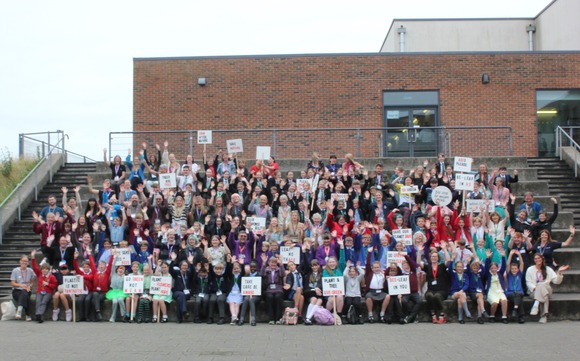 Students from more than 20 schools attended another successful Cumbria Youth Climate Summit at Furness Academy in Barrow.
In total, 115 students from 23 primary and secondary schools from across Cumbria took part in the event, organised by Cumbria Development Education Centre (CDEC) with support from the wider Zero Carbon Cumbria Partnership members including Westmorland and Furness Council.
This year’s summit was the biggest yet and built on the success of last year’s event at Whitehaven Academy.
The summit provides young people with easy access to a current, real-world conversation on climate issues and the theme of this year’s event - ‘Act Local, Think Global’ - reflected the growing awareness among young people of how local action can contribute to global change.
The keynote speech was given by Jenny Williams (Students Organising Sustainability (SOS)) and the programme for the day was shaped with the help of students themselves and included:
- A marketplace of ideas, featuring stalls from organisations such as Futureproof Cumbria, Cumbria Clothing Collective, and Cumbria Wildlife Trust.
- An inspiring photo gallery showcasing charities across Cumbria using sustainable practice and an exhibition where schools showcased their work, including on sustainable fashion and increasing biodiversity in their school grounds and the 'Sing Up for Climate Justice' project involving choirs and training for teachers.
- Nine workshops and interactive sessions.
- A ‘Speakers’ Corner’ where students were able to share their ideas and passions.
- The day closed with a unique fashion show where schools showcased their designs made from pre-loved clothes.

We had the driest start to the year since the 1950s, followed by the warmest spring on record and several hot spells over the summer. While the recent rainfall has helped improve soil, rivers, and reservoirs - Haweswater alone rose by 3% in a week (around 240 million litres!) - some areas, especially across the Pennines, remain below average.
The average person uses 140 litres a day. To check your usage, visit the Consumer Council for Water’s website.
Simple ways to save water
In the home:
-
Turn off taps when brushing teeth or washing - this can save over 20 litres a day.
-
Shorten showers to 4 minutes and catch warm-up water to reuse in the garden.
-
Fix leaks - a dripping tap or running toilet can waste up to 400 litres daily.
-
Use appliances efficiently - only run dishwashers and washing machines with full loads.
In the garden:
-
Collect rainwater in a water butt - great for plants and saves up to 200 litres.
Other tips:
For more tips, visit unitedutilities.com/savewater.
|
 Westmorland and Furness Council is one of nine partners in the Love Windermere Partnership which is working to bring about a healthier future for England's longest lake and the surrounding area, balancing the needs of nature, the community and the local economy.
Love Windermere's latest newsletter is out now!
- Read about the success of RoWindermere 2025
-
Learn how Natural Flood Management is helping to improve habitats and reduce downstream flood risk in Windermere
- Read about the installation of a new eel pass as Newby Bridge
Read the latest newsletter.
Sign up for future updates.

How we talk about climate change can inspire and motivate people to act, or make it feel more overwhelming and confusing than it needs to be.
By understanding the issues, we can help explain to others why it's important to act on climate change, the scale of that action and how to be part of that change on an individual and community level.
To help, we'll be sharing useful links and highlighting some great resources that help explain the main issues.
FREE climate card game
Climate Stewards' Carbon Footprint Game is a fun and engaging way to help people understand more about the carbon footprint of different activities, and think about ways to cut their footprint.
You can download the cards to print at home. Choose full colour or black and white. Black and white is best if you would like to save ink! Don’t forget to download the instructions too.
Catch up on FREE webinars from Futureproof Cumbria
Futureproof Cumbria have been hosting a series of free webinars over the last few months where you can learn skills and gain knowledge to help yourself and your community. Why not take a look at one of the below?

Unpacked: Recycling at home
In this free webinar, discover why it really does matter what you throw away, which bins you use and the condition of your rubbish. Learn how recycling your waste correctly saves money, saves precious resources and reduces greenhouse gas emissions.
We will look at the things we can all do to help recycle at home, how you can help the recycling process and what the knock-on effects can be of not doing this. We will share top tips on how you can recycle in a way that means more of your waste can be processed and you won’t shut the recycling plant down!
Watch now.
|

Behind the seams: the hidden cost of cheap clothing
Cumbria's councils handle around 350 tonnes of clothing waste every year - and that doesn’t include what’s donated to charity shops!
Watch an eye-opening talk by Gail Gravett, founding Director of the Cumbria Clothing Collective, as she explores the hidden costs of fast fashion. From the rise of synthetic fibres to the environmental toll of discarded clothes, Gail will unpack the full story behind what we wear - and what we throw away.
You'll leave with a fresh perspective on your wardrobe: how to care for your clothes, make more conscious choices, and keep them in use for longer.
Watch now.
|
The average family could save £83 per month - nearly £1,000 per year! - by saving food from going in the bin.
In this webinar, this statistic will be unpacked further so you know what you can start doing differently.
The session outlines ways you can reduce the amount of food wasted, which will reduce the amount of money you spend. Everyone will learn something new about reducing wasting food!
Watch now.
|
|