|
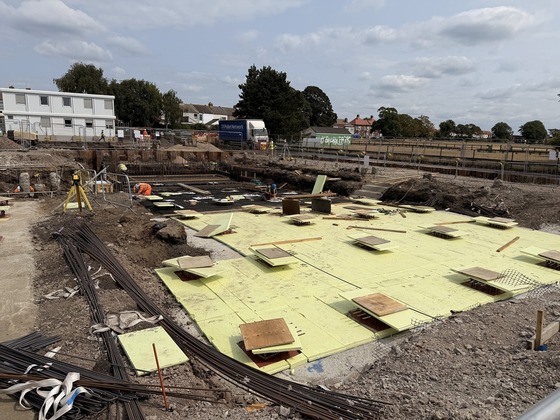
This is the main pool... it's still not quite ready for swimming as you can see, but it's definitely coming along!
Underneath the green insulation layer, the whole area has been blinded. This means a layer of concrete has been poured over the prepared ground to create a smooth, level surface to build from.
The insulation is then laid around the pile cages, before a damp-proof membrane (the black sheet) is installed over the top. This helps protect the structure from moisture and prepares the area for the next stages of construction.
Once this work is complete, we can move on to the next section... more on that below!
PS - we're taking a summer holiday so will bring you the next update on Friday 21 August
|
|
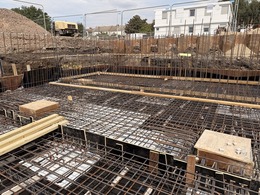
This is the deep end of the pool. The black waterproof membrane is now in place, and work is underway to install the steel rebar that will reinforce the structure. The large steel frame connects the deep foundation piles to the main steel framework above. Once this stage is complete, concrete will be poured over the top. Together, the steel and concrete will form a strong, durable structure that is securely anchored to the piles deep below ground.
|
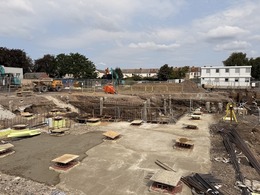
And here we have the learner pool. As you can see, this section isn't quite as far along as the main pool. The team are currently working on the blinding layer here. At the back of the photo, you can see the deeper excavation for the plant room and balance tank, which we mentioned in last week's update (you can catch up on that edition here). The plant room is essentially the control centre for the pool, housing the pumps, filters and pipework that keep the water clean, heated and circulating properly.
|
|
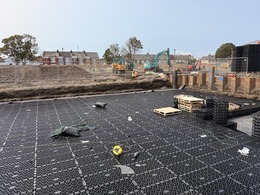
This section in front of the site office might look like it's covered in giant plastic crates, but it's actually an attenuation tank, designed to help manage rainwater and future-proof the site. If we get a period of very heavy rainfall, water will flow into these crates and be stored temporarily underground instead of overwhelming the drainage system. The water is then released slowly into the drainage network over time helping reduce the risk of flooding during storms. This area will be covered over with soil, and you'd never know it was there!
|
|
|
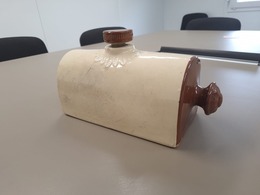
And we just love sharing the interesting things we find with you, but this has to be our favourite so far. This is a ceramic hot water bottle. From a little internet research, we've discovered it likely dates from somewhere between the 1900s and 1930s, long before the rubber hot water bottles we know today became common. What makes this find even more special is that the main part was uncovered a few weeks ago, and the stopper was found several days later. Somehow, after potentially spending decades underground, the two pieces have now been reunited!
|
|
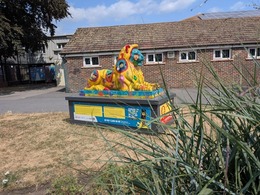
Have you heard about the new Portsmouth 100 lion trail? There is a lovely one at Bransbury Park, but there are lots of lions spread out across the city in streets, parks and public spaces. Each one has been designed by an artist, celebrating Portsmouth’s people, places and character. Open to everyone, the trail is a fun way to explore the city, enjoy creativity, and spend time outdoors.
|

And this summer, children can dive into an active adventure with Stomp for Stamps - our FREE fun-packed treasure hunt, which helps children stay active and explore the great outdoors. Pick up a map book, pencils and paper from any Portsmouth library from Friday 24 July. Walk, wheel or cycle the routes, collect rubbings, swap them for stickers and earn a unique Portsmouth 100 baseball cap!
|
|
|
Receive this email from a friend?
Sign up here and get every edition of the Bransbury park bulletin in your own inbox.
|
|
|
|