|
 |
Climate newsletter |
|
|
Issue 100 | 8 October 2025 |
|
|
On 13 July 2021, we published the first Met Office Climate Newsletter as the UK looked ahead to hosting the UN Climate Conference, COP26, later that year. As was stated in our welcome message, “Our climate is changing rapidly and will continue to change this century and beyond. Climate science is essential to help understand the challenges ahead and guide decisions to build the resilience we need to face the challenges of the future.” The Climate Newsletter provided a new way for us to reach the public with regular updates on Met Office and wider climate science in order to raise awareness and encourage action.
 Stories that resonate
Over the last four-plus years, we have kept you up to date with the latest research from the Met Office as well as UK and global news on climate change. News such as the publication of our State of the UK Climate Report each summer, and the World Meteorological Organization’s annual State of the Global Climate Report always seem to be of interest to our readers, but you have also been interested in stories of adaptation, articles relating to nature and information on climate action.
A rise in climate misinformation
In the time since we first published the Climate Newsletter, we have seen a sharp rise in the amount of misinformation around climate change which we explored in Issue 90. The Climate Newsletter is one way in which we will continue to share robust, evidence-based science to help tackle this problem, and we hope that it is at times helpful to our readers in providing the latest science for potential conversations with others.
A new look!
Today, the newsletter has over 26,000 subscribers and long-term recipients may have noticed the new look for issue 100 and beyond! We want to continue to improve the Climate Newsletter and welcome your input, so would be grateful if you could take a few minutes to let us know your thoughts.
|
|
|
Yesterday, global energy think tank Ember shared their latest insights, indicating that renewable energy overtook coal’s share in the global electricity mix for the first time in the first half of 2025.
Małgorzata Wiatros-Motyka, Senior Electricity Analyst at Ember, said, “We are seeing the first signs of a crucial turning point. Solar and wind are now growing fast enough to meet the world’s growing appetite for electricity. This marks the beginning of a shift where clean power is keeping pace with demand growth. As costs of technologies continue to fall, now is the perfect moment to embrace the economic, social and health benefits that come with increased solar, wind and batteries.”
|
|
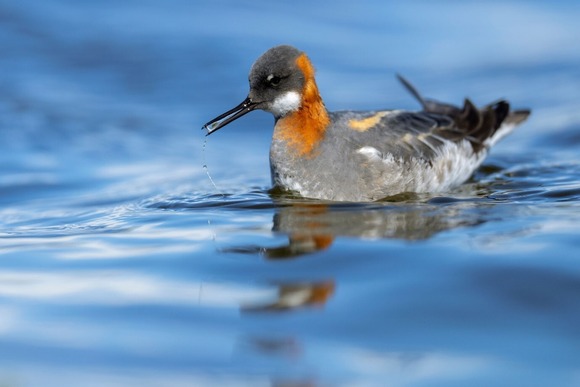 Last week, NatureScot published a podcast exploring how Scotland's changing climate is reshaping our landscapes and wildlife. Some of Scotland’s most iconic species are facing challenges from climate change: for example, the red-necked phalarope is already on the southern edge of its global range here. Met Office climate spokesman Grahame Madge discusses the impacts of climate change on Scotland’s wildlife and explores how nature serves as both victim and potential saviour of climate change. Scotland's peatlands and forests provide crucial carbon storage, while natural coastal defences help communities adapt to rising seas. These nature-based solutions show why protecting our natural world supports both biodiversity and human resilience.
|
|
|
On 26 September, new research was published in Nature Communications indicating that climate change may lead to less frequent but bigger and more devastating hail storms. The research, undertaken by the Met Office, Newcastle University and the University of Bristol, found that future warm seasons feature a warmer thunderstorm type similar to hail-producing storms found in the tropics, where the largest hailstones can still reach the surface. The findings suggest that, in the future, these storms will become most frequent over southern Europe, leading to regional increases in severe hail frequency.
|
|
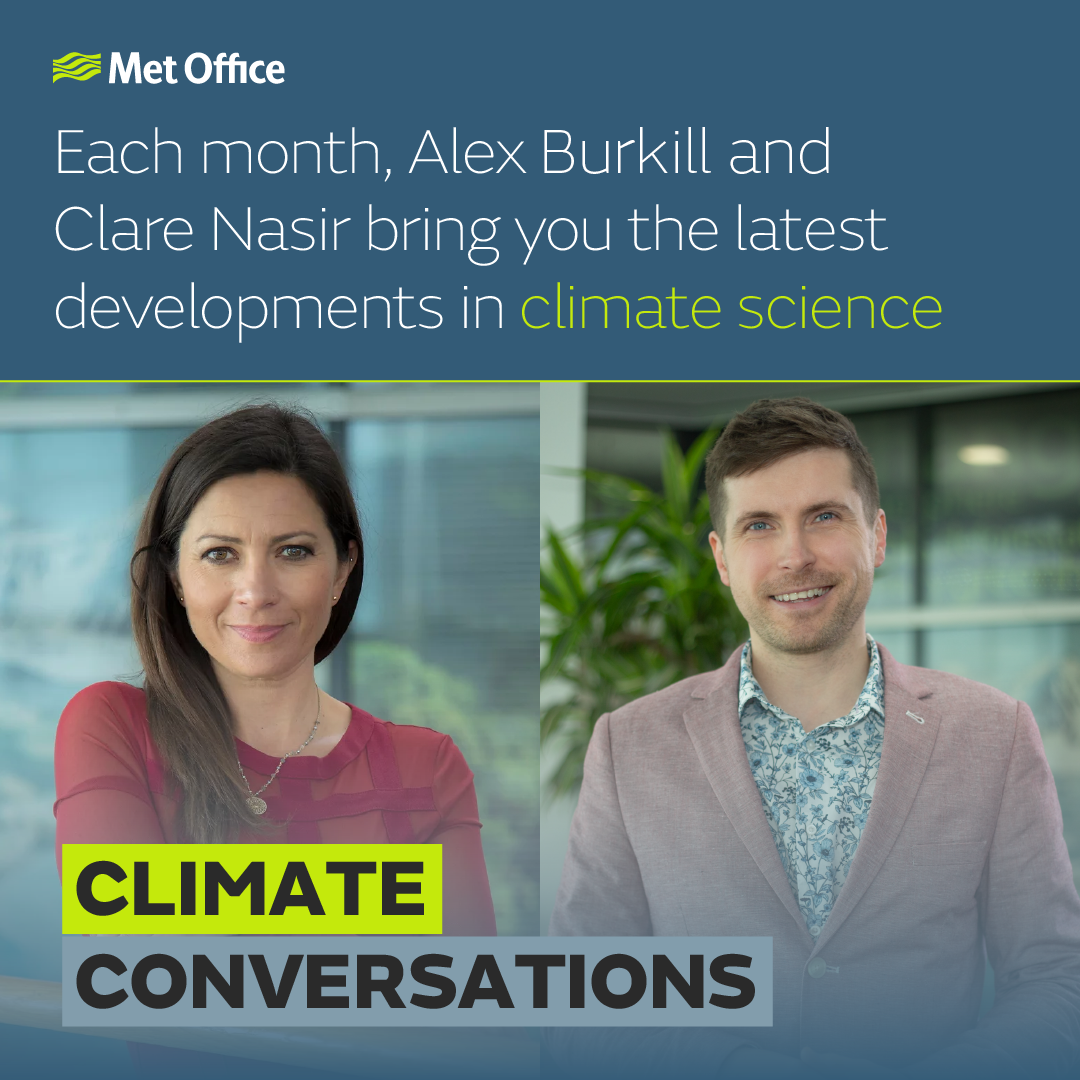 Our Climate Conversations series covers the latest research and real-world impacts of climate change. Topics have included record-breaking marine heatwaves, the future of UK sporting events and sustainable education. Stay tuned, as there are more episodes coming up. You can watch all previous episodes on our playlist and subscribe to our YouTube channel to keep up to date.
|
|
|
Alongside our academic partners, we are supporting the UK’s clean energy mission by bringing multi-disciplinary expertise to help us deliver trusted data and intelligence with greater efficiency and relevance.
As part of our focus on critical aspects of the energy-climate interaction, we’re co-convening the Climate and Finance Conference, held by University of Reading Henley Business School, to include a focus on energy.
The event will complement and inform our ongoing work focused on the finance sector to help improve climate data and knowledge in this sector.
If you want to upskill in this critical area, have relevant research to share, or see the value of enhancing your network in this field, see the registration details below.
|
|
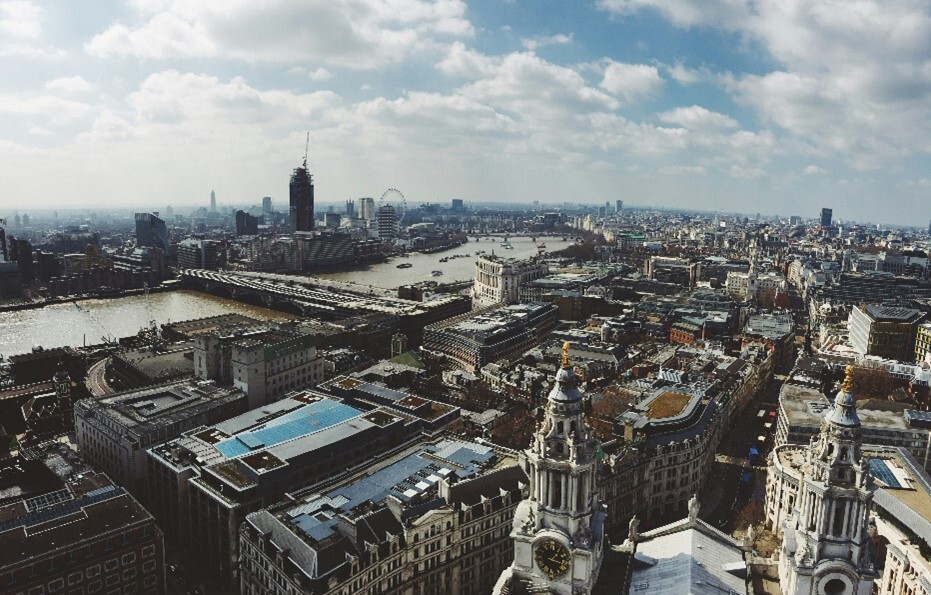 Our next UK Climate Projections (UKCP18) webinar will be on Thursday 23 October from 12-1pm. Laura Dawkins from the Met Office will give a talk titled ‘Integrating UKCP with Spatial Risk Frameworks to Inform Government Policy on Climate Resilience’. The following webinar on 20 November will focus on how UKCP is helping Network Rail adapt for the future. Then there will be a break for Christmas, and the webinars will resume in the New Year.
The webinars are recorded and published on YouTube afterwards, so you can catch-up later if you can’t attend.
If you would like to be added to our UKCP webinars mailing list, please email: ukcp.usernetwork@metoffice.gov.uk
|
|
|
Follow us on our social media channels to join the conversation. Look out for our hashtag - #GetClimateReady - on X (formerly Twitter), and follow our climate channels on TikTok and Instagram.
You might also be interested in our new Government and Industry Newsletters. Subscribe here.
|
|
|
To subscribe or unsubscribe please visit our email updates page to access your preferences.
The Met Office is not responsible for the content of external internet sites.
|
|
|
|
|