|
 |
Climate newsletter |
|
|
|
Despite the evidence and public concern about climate change – 80% of people in the UK are at least fairly concerned with 37% very concerned according to a recent survey by the Department for Energy Security and Net Zero – there is a proliferation of climate dis-, mis- and mal-information (DMMI) especially on social media. This can spread quickly and, at times, seem quite compelling.
DMMI – a definition
-
Disinformation is the deliberate creation and/or sharing of false information with the intention to deceive and mislead audiences.
- The inadvertent sharing of false information is referred to as misinformation.
-
Malinformation deliberately misleads by twisting the meaning of truthful information.
As it is not always possible to be certain of the intent behind information we see or hear, we often use the term misinformation as shorthand.
Evidence-based information
At the Met Office we have put together a toolkit of information to help clarify some of the climate misinformation we see regularly.

|
|
|
On 25 April, the World Health Organization (WHO) published an article written by three Met Office scientists in which they explain some of the challenges they face around climate change DMMI. This sits alongside the anxiety many scientists feel about the challenges ahead.
 Mindful of the impact that misinformation can have on individuals, earlier this year the Met Office and the Royal Meteorological Society published a toolkit the help equip scientists with the knowledge and strategies needed to effectively navigate the opportunities and challenges of public engagement while sharing their research confidently. ‘Science Communication - Opportunities and Challenges: A Toolkit for Scientists’ dives into strategies, tips and support for effective public engagement.
|
|
 By critically engaging with potential misinformation, we can all help to curb its spread. Based on advice from UN Verify, we have put together some tips which apply not just to weather and climate misinformation, but other topics around which misinformation might spread.
|
|
|
On 30 April, the Climate Change Committee (CCC) published their latest report reviewing progress on adapting the UK to a changing climate. In the report, CCC recommended four key areas of action to drive a more effective response.
|
|
|
On 30 April, we published provisional figures on the meteorological conditions for the month, reporting that it was the sunniest April on record in the UK. The mean temperature was also the third warmest since records began in 1884.
Met Office Scientist Emily Carlisle said: “It is quite unusual for temperatures to hit 25°C fairly widely in April. The last time was in April 2018, and before that was April 2011.
“Met Office UK Climate Projections indicate that hot spells will become more frequent in our future climate, particularly over the southeast of the UK, with temperatures projected to rise in all seasons.”
|
|
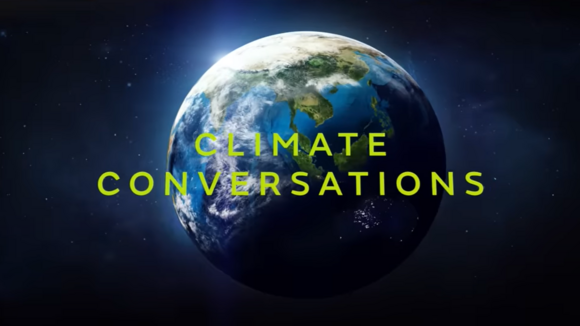 Climate Conversations is our monthly show that takes an in depth look at the trends and impacts of climate change by chatting to experts about their latest research and insights.
In our latest episode, we look at how our changing climate is impacting the ability to produce certain food types. As well as discussing the ongoing concerns we look at ways we can adapt to the changes and how we can reduce the impacts. Clare Nasir goes through some of the developments whilst Alex Burkill catches up with Thomas Crocker, Science Manager for the Met Office Climate Security Team to learn how the work we do is helping organisations prepare for the future.
|
|
|
We’re revamping the look and feel of our Met Office weather app, so you can get our latest weather forecast more quickly and easily. We’d love you to get the test version and let us know what you think.
|
|
 The UK National Climate Science Partnership (UKNCSP) has been formed to draw together climate research capability from six Natural Environment Research Council (NERC)-supported Research Centres and the Met Office. The Partnership will enable world-class climate science to optimally inform key decisions. Sign up to learn more.
UKNCSP recently held the first in a series of webinars on the UK’s contributions to CMIP7 modelling. Don’t worry if you missed it, you can catch up here. The next interactive webinar is on Data to Impact on 22 May, 15:30-16:15. This session will introduce the UKNCSP Provision of Climate Observations Working Group, explain how you can get involved, and ensure you have the observations you need for your work. Whether you're already engaged in climate observational work, use observations in your work or simply want to learn more, this is a great chance to connect, contribute, and help shape our shared understanding of observational needs and gaps across the UK.
|
|
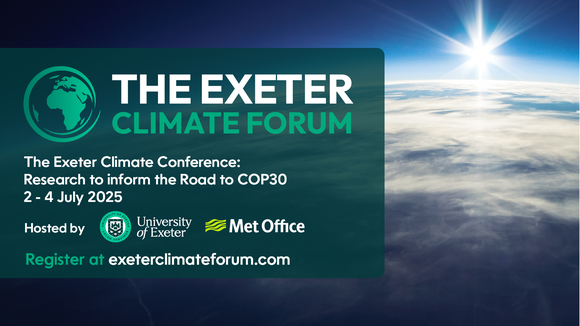 The Exeter Climate Forum takes place between Monday 30 June – Friday 4 July, bringing together world-leading climate researchers, businesses, policymakers, and young people to shape and engage with the priorities for COP30 and beyond.
As part of the Forum, the University of Exeter and the Met Office will jointly host the The Exeter Climate Conference. The conference will provide the opportunity to hear the latest research on the impacts of climate change and discuss innovative solutions to mitigate and adapt to the impacts of our changing climate and steer a path to a liveable, resilient and sustainable future.
|
|
 The Fourth UK Climate Change Risk Assessment (CCRA4) is due to be laid in Parliament by the UK Government in January 2027.
The Call for Evidence Round 2 deadline for The Fourth UK Climate Change Risk Assessment (CCRA4) is open until 31 May 2025.
Through this Call for Evidence, the Climate Change Committee is seeking cross-sectoral evidence related to four key areas: ambition, action, enablers, monitoring.
The most useful evidence is that which is based on high-quality data and robust analytical techniques, with a preference for peer-reviewed literature. However, additional information from the grey literature e.g. a PhD or Masters thesis, conference proceedings, project reports, webinars, internal presentations or reports, blogs etc. is also be welcomed. This Call for Evidence can be used to submit evidence relevant for the whole of the UK, individual nations or more local regions.
Want to be part of the process submitting more targeted information to inform the Technical Report?
|
|
|
Follow us on our social media channels to join the conversation. Look out for our hashtag - #GetClimateReady - on X (formerly Twitter), and follow our climate channels on TikTok and Instagram.
You might also be interested in our new Government and Industry Newsletters. Subscribe here.
|
|
|
To subscribe or unsubscribe please visit our email updates page to access your preferences.
The Met Office is not responsible for the content of external internet sites.
|
|
|
|
|