February 2025
Getting into gear

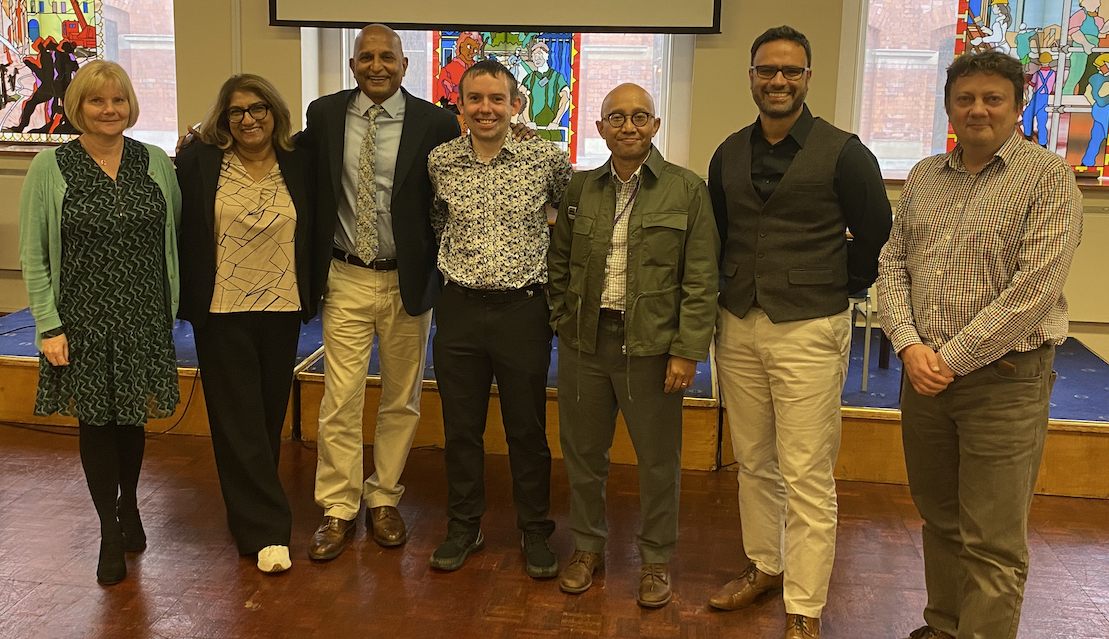
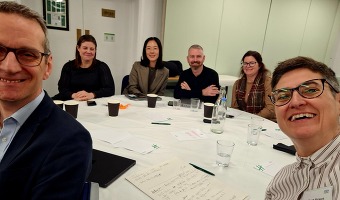
Pictured above: clinicians from the Diabetes Network at an event in autumn 2024.
It feels like 2025 is really sliding into gear this month, not only with the slightly brighter, fairer weather, but also with news of four events we have planned over the coming weeks.
Our Children and Young People Stakeholder Forum has been responsible for helping to drive improvements in Greater Manchester for the younger generation, which has been a key theme of the city region’s ambitions since devolution in 2016.
It meets next month to discuss Lord Darzi’s review of the NHS and the Joint Forward Plan for Greater Manchester.
Our Maternity Network events have played an important role in raising standards over recent years, bringing together teams from across the city region to discuss best practice.
And the Diabetes Network events are becoming important dates in the calendars of health and social care professionals involved in supporting or treating patients, giving them the opportunity to share insights, discuss best practice and collaborate – all important functions for a network making a difference.
Also, in this newsletter, you will find the following stories:
Diabetes: Webinars and new primary care protocol for HbA1c results
Children and Young People: Q&A with our asthma clinical advisors
Maternity: Manchester midwife wins nursing award. Success shared on social media
Neurorehabilitation and Stroke: Network shares transformation at national event
Cardiovascular: Successful event discusses new pathway
Thank you for your continued interest in our work.
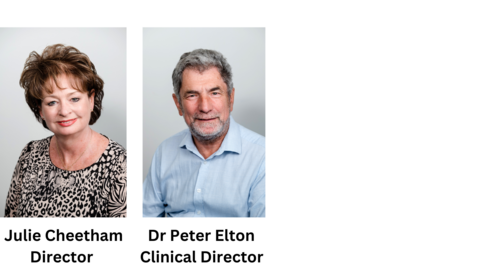
Best wishes

Sign-up for spring event!
Health and social care professionals involved in diabetes care or management are invited to the next Diabetes Network event.
The afternoon session aims to look at ways of improving care and services for people living with the condition by sharing insights, discussing best practice and future collaboration.
In particular, clinicians will be focusing on:
- System approach to long-term condition prevention and management
- Pathways and models of care
- Medicine management and optimisation
- Type 2 diabetes structured education consultation and initial findings
- Technology and self-management.
Anybody involved in diabetes care or service management is welcome to attend, including nurses, pharmacists, GPs, consultants, podiatrists, healthcare professionals, commissioning teams and voluntary sector stakeholders.
The event is an opportunity to engage with colleagues and clinicians from the Greater Manchester system, hear the latest news and network with people from across the city region.
It is being held on Thursday, May 1, 1pm-5pm. The venue is to be confirmed, but will be city centre-based with good links to public transport.
More details and a full agenda will follow soon.
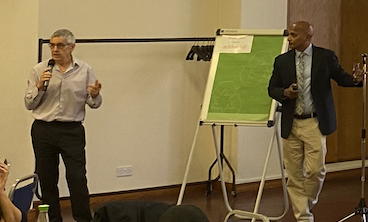
Pictured above, left to right: Diabetes Network programme manager Ewan Jones and clinical lead Prof Naresh Kanumilli.
|
Discover more about adult diabetes programme
Healthcare professionals supporting people living with type 2 diabetes are invited to join webinars on how to refer into the Healthy Living programme.
Anyone over 18 with the condition, their family and carers can access the programme through the easy online self-referral form.
It will give them the knowledge and tools they need to manage their diabetes effectively.
By attending the webinar attendees will discover:
- How to streamline referrals to the programme with a simple batch messaging process
- Why Healthy Living is a valuable tool for patients and can support improved treatment targets
- How to access a referral toolkit and communications resources to promote the programme at a practice.
The webinars will be held on Wednesday, March 12, 4pm-4.30pm and Wednesday, April 2, 1pm-1.30pm, both via Microsoft Teams.
Please contact Michelle Davies for webinar log-in details and calendar invite.
|
New primary care system protocol launched
A new primary care system protocol has been developed by Greater Manchester Shared Services (GMSS) Data Quality team to support primary care clinicians when reviewing HbA1c results.
The protocol identifies whether the person has a recorded diagnosis and is listed in the diabetes, non-diabetic hyperglycaemia, or gestational diabetes registers.
Based on their register status and their most recent HbA1c result, the tool initiates several actions to support practice staff including:
- Adding necessary diagnostic codes to the patient record
- Prompting the user to refer eligible people to the Healthier You diabetes prevention programme
- Creating diary entries to schedule follow-ups and annual reviews
- Alerting the practitioner to forward the person for review by the practice diabetes lead, when necessary.
Dr James Hider, Diabetes Network prevention lead, said: “The protocol supports practices in managing patient records and streamlining clinical tasks.
“Its prompts regarding HbA1c results reduce the likelihood of missed diagnoses, ensure more accurate coding of patient records, and prevents critical actions from being overlooked, such as referring eligible individuals to the diabetes prevention programme.”
See guidance on how to access and use the protocol.
If you require additional support you can contact the Data Quality team.

Q&A with asthma clinical advisors
The Network is increasingly focusing on supporting improvements in asthma, diabetes and epilepsy services for children and young people.
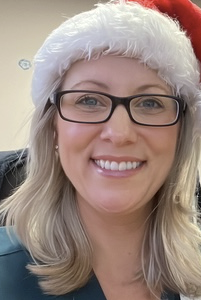
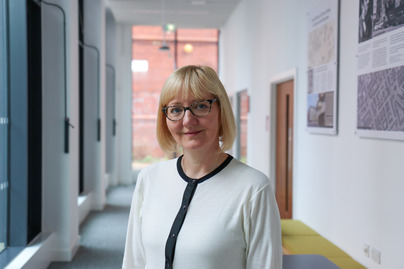
In this Q&A, our asthma clinical advisors, Alison Senior (pictured right) and Clare Murray (pictured below left), talk about care and treatment in Greater Manchester and what improvements they would like to see take place.
Q: What is your health or social care background and what is your job title at the moment?
Alison: I worked on the Paediatric Intensive Care at Alder Hey, Liverpool, for 12 years; within that time, I also was a university lecturer at UCLAN and completed my MSc in Advanced Paediatric Critical Care.
I changed my working environment to work in primary care over 10 years ago in my job role as an Advanced Paediatric Nurse Practitioner (APNP)
Whilst continuing to work as an APNP in primary care, I became part of the GM Children and Young People (CYP) asthma network over a year ago to drive quality improvement in primary care and undertook the shared clinical advisor role for CYP Asthma Greater Manchester alongside Clare Murray.
Clare: I am professor of paediatric respiratory medicine at Manchester University and work as a consultant in respiratory paediatrics at Manchester children’s hospital.
I have been working as a paediatrician for 30 years and been a respiratory consultant for 20 years.
Q: Why did you decide to become involved with the work of the Strategic Clinical Network (SCN)?
Clare: I know that due to multiple reasons children with asthma across Greater Manchester don’t always get the best care and the rates of hospital admission with acute asthma are higher than many other regions. I look after many children with asthma, mostly very severe asthma and know that we can do better. Being part of the SCN can be a way of sharing best practice, implementing standards and driving the improvement of care of children who have asthma across our community.
Q: Why do you think the work of the SCN is so important?
Alison: The work of the SCN plays a pivotal role in enhancing healthcare across the region focusing on improving quality, health outcomes, and addressing unwarranted variations in health and care services.
The collaborative approach of the SCN brings together commissioners, providers, and voluntary organisations to develop new pathways, technologies, frameworks, and strategies. This collective effort drives improvements and reduces variations in service standards across localities, making a tangible difference to the health and well-being of thousands of children and young people.
|
Q: How would you describe the current standard of provision of asthma services for children and young people in Greater Manchester and how does this compare nationally?
Clare: We are still failing children in our region with asthma and asthma symptoms. Availability of diagnostic services is very low and patchy. Without a firm diagnosis, health care professionals are less likely to adhere to national standards and guidelines, leading to lower rates of annual reviews for our children with asthma. This in turn results in poorer asthma control and an increase in acute attacks, which is reflected by our very high levels of hospital admission (some of the highest in the country).
Q: What area do you think Greater Manchester is doing really well on with children's asthma services?
Alison: I think there are localities across GM that are doing well, for example Salford in offering the diagnostic hub for CYP which addresses early and accurate diagnosis. Hayley Savvides in Salford has also worked very hard in providing extended hours service to ensure children in primary have had an annual asthma review and we have provided training on how to undertake high quality asthma reviews, alongside reiterating the importance of reduction in over prescribing of SABAs.
Q: Which service in particular would you like to see improved?
Clare: Getting the basics right – inhaler technique, personal asthma action plans, asthma education – all of which should be covered in an annual review. If patients understand these basics, they would understand when they need to seek help and hopefully avoid unnecessary severe attacks and hospital admissions.
Q: What do you think is the biggest challenge in improving services in Greater Manchester?
Alison: Greater Manchester faces several significant challenges with financial burden on the NHS with high rates of paediatric hospital admissions/attendances; the lack of funding for diagnostics in primary care which challenges timely and accurate asthma diagnosis, coupled with inconsistent care quality.
I would say that the biggest challenge is the amount of children living in poverty in deprived areas who are disproportionately affected by asthma, leading to worse outcomes. Children living in cold, damp, mouldy homes also having a detrimental impact on their health, illness, affecting school attendance and poor mental health.
|

Forum to shape 10-year-plan response
The Greater Manchester Children and Young People's Stakeholder Forum takes place next month.
The event will focus on asthma, diabetes and epilepsy, with health and social care professionals and young people invited to give their views.
The afternoon session on Friday, March 21, will also consider the city region’s response to:
A report will be produced after the event which captures proceedings and actions.
The full draft programme will be shared shortly, together with the venue, which will be located in the city centre and within walking distance of public transport.
|

Sharing information with families
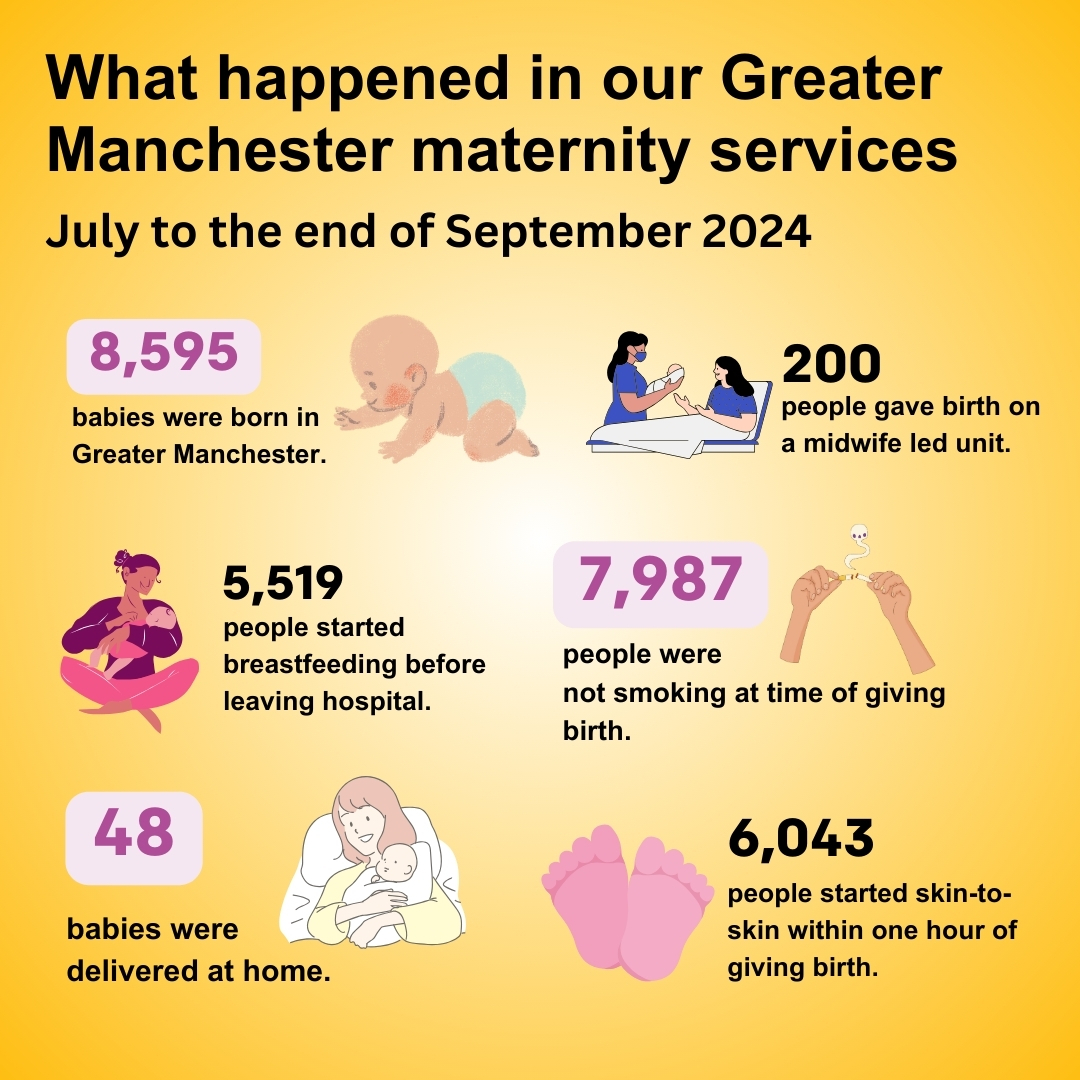
The Network has been involved in producing a graphic which shows what has been happening in maternity units across Greater Manchester.
The design – see above – shows families, and other stakeholders, statistics such as how many babies have been born, how many were breastfeeding before leaving hospital and the number who started skin to skin contact within one hour of giving birth.
The graphic is part of a commitment from Greater Manchester and Eastern Cheshire Local Maternity and Neonatal System to give regular updates on what is happening in maternity services.

Follow in Waheeda's footsteps
Entries are now being invited for the 2025 Nursing Times Awards – giving people the chance to follow in the footsteps of Waheeda Abbas, who won Midwife of the Year at last year’s awards.
Waheeda, who is a midwifery lead at Manchester University NHS Foundation Trust, has made a real difference to reducing inequalities by introducing a multilingual device for patients to access.
Her ‘padlet’ – software which allows people to make and share content - supports under-served communities in maternity care by providing essential information, resources and support in languages that are accessible and culturally relevant to them.
The device helps black and South Asian women to have equitable access to maternity care resources and support, regardless of their language proficiency.
It empowers them to advocate for their needs, navigate the system more effectively, and actively participate in their prenatal, childbirth and postpartum experiences.
Many trusts have now embedded her multilingual tablet within their maternity units and found it a valuable resource, reducing the need for interpreters to explain leaflets. This innovation is about creating a more inclusive and accessible healthcare system for all.
Congratulations to Waheeda from everyone at the SCNs!
Nominations across 25 categories are now being accepted for the 2025 awards, with a deadline of Friday, May 9.
Pictured above: Waheeda picking up her award at the JW Marriott Grosvenor House Hotel, on Park Lane.
|
Prevention and equality of care key themes at maternity shared learning sessions
A day of maternity events are being held in March featuring speakers from across the North West.
Both the third annual preterm birth meeting and the 11th annual perinatal loss study day are being held in Manchester city centre on Friday, March 7, bringing together obstetricians, midwives, pathologists, ultra-sonographers, gynaecology nurses and all maternity service support professionals involved in the care of women and their families.
The pre-term birth meeting, in the morning, features clinical lead Dr Ghazia Saleemi and midwifery clinical lead Eileen Stringer speaking about prevention, as well as presentations from Dr Stephy Mathen, consultant obstetrician, Northern Care Alliance NHS Foundation Trust and Dr Angharad Care, NIHR academic clinical lecturer, Liverpool Women’s NHS Foundation Trust.
This session is led by the Greater Manchester and Eastern Cheshire Local Maternity and Neonatal System – this is solely developed and delivered by the Network.
The afternoon session on perinatal loss, led by the SCNs, features speakers Dr Elaine Church, consultant obstetrician, Saint Mary's Hospital, Wythenshawe, and Zoyah Sheikh, PhD student in health psychology, University of Manchester.
The venue is yet to be confirmed, but will take place in Manchester city centre with good links to public transport.

Sharing pioneering transformation of services
The event, hosted by the Neurology Academy, brought together healthcare professionals to discuss key developments in neurology care.
The event placed a strong emphasis on patient experience, with presentations capturing the lived experiences of people with neurological conditions.
These sessions reinforced the importance of shaping services around patients’ needs and Georgina Carr, chief executive of The Neurological Alliance highlighted the role of the voluntary sector in supporting the NHS, with health inequalities also covered.
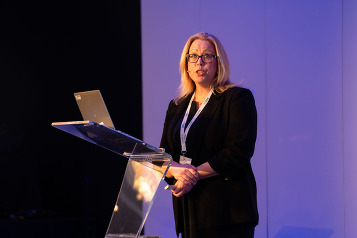
Community clinical lead, Christine Hyde (pictured above), presented the pioneering work transforming community neurorehabilitation services in Greater Manchester. She shared the service model, outcome measure framework, and long-term support model, whilst highlighting the role of the Network in driving forward service improvement locally.
The team took along a number of posters showcasing some of its collaborative quality improvement projects. These included work on the Motor Neurone Disease pathway, development of a functional neurological disorder toolkit, a vocational rehabilitation community of practice, the community service model, as well as the patient and public involvement toolkit.
The event was a fantastic opportunity to network with colleagues from across the UK, learn about similar service development work, and share experiences in Greater Manchester.
|
North West thrombectomy quality improvement
Thrombectomy is a life-saving and changing procedure after a stroke where a clot is mechanically extracted by specialist teams in neuroscience centres.
Currently, only around half of people potentially eligible are able to access services, although 2/3 of the North West’s sub regions offer it 24/7 – with it available since 2022 in Greater Manchester.
In late January, the Network attended a quality improvement meeting with its counterparts from Cheshire and Mersey, and also Lancashire and South Cumbria, as well as neuroscience centre and ambulance senior leaders (pictured above).
The event was led by NHS England and included members of the national stroke programme who supported conversations on greater collaborative working and improvements in access, especially for residents to the north of Greater Manchester.
Conversations will continue on the use of video triage and closer links with NWAS in the pre-hospital phase of the pathway.
|
 Successful event to design pathway
The Network supported a very successful event to discuss improving transcatheter mitral valve intervention services in the city region.
Around 70 health professionals attended the evening session at the Marriott Country Club, in Worsley, where discussions centred on developing an effective pathway in Greater Manchester for all patients with the disease.
The current multi-disciplinary team approach at University of Manchester NHS Foundation Trust was also showcased and there was an update on latest guidance and referral criteria.
The event was led by Dr Mamta H Buch, lead for structural heart intervention at Manchester University NHS Foundation Trust.
|