|
January 2026
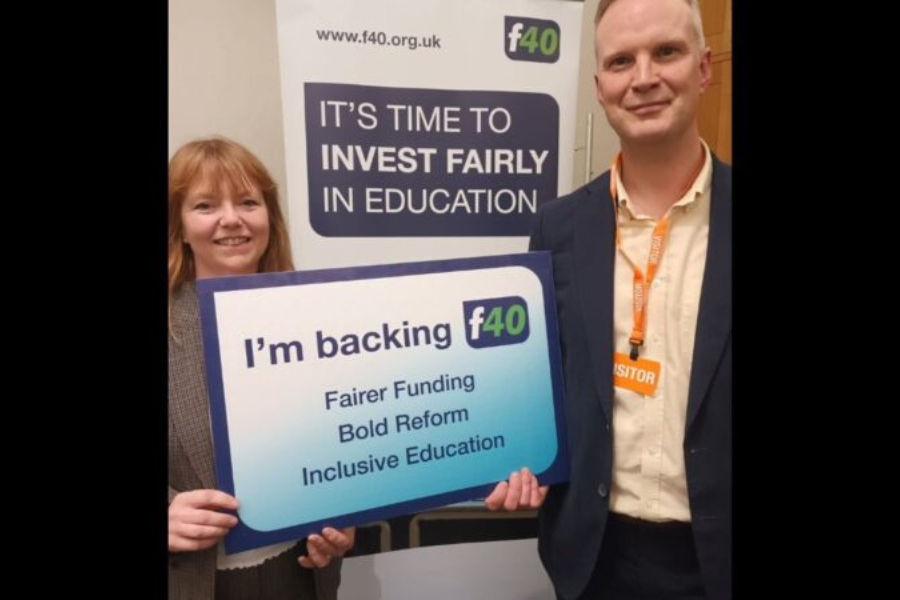
Councillors from Devon County Council were in London this month as part of a national campaign highlighting differences in education funding across the country. Devon schools currently receive just under £5,000 less per mainstream pupil through the Dedicated Schools Grant compared with some other areas, and Devon’s SEND funding is around 60% lower than that of the highest‑funded local authorities.
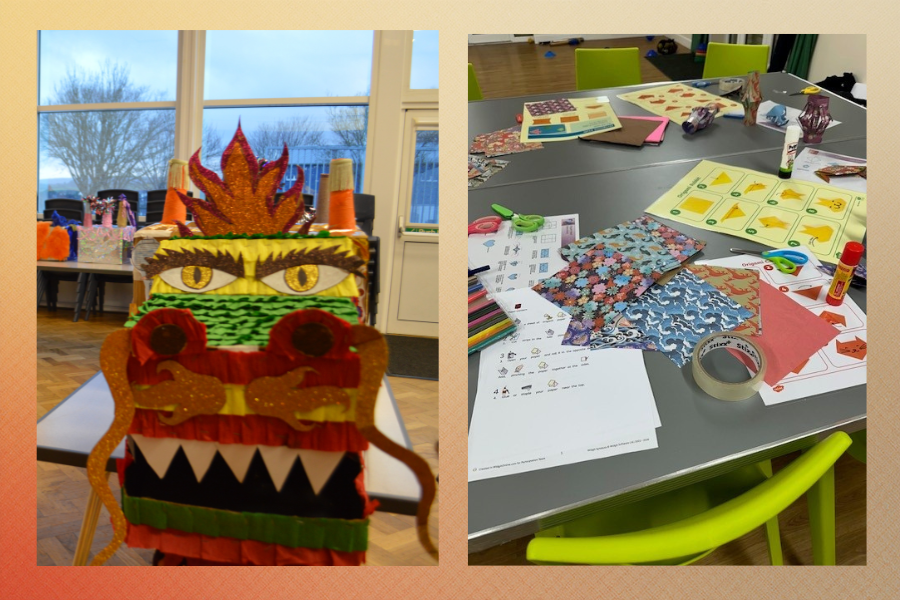
Family Fun Days have been designed around what families shared during early engagement - and feedback shows they work. The January Japanese‑themed days created inclusive, low‑pressure spaces where children could choose activities and take part at their own pace.
These events reflect the Four Cornerstones approach in action, helping to improve the way partners welcome and care, value and include, communicate, and work in partnership with children, young people and families.
“Everyone was very kind and addressed my child directly, which meant they were able to decide what activities to join in.”
— parent carer
“There was no fuss - we could step out when it became too much, and my child wasn’t made to feel different.”
— parent carer
More events are coming up, including SEND Dartmoor Days and a SEND Family Day at RUDA Holiday Park.

Dr André Imich OBE has been appointed Independent Chair of the Devon SEND Strategic Partnership Board, marking a pivotal step in the county’s commitment to improving outcomes for children and young people with special educational needs and disabilities (SEND).

Parliament is offering Quiet Day visits specially designed for groups of children with Special Educational Needs and Disabilities (SEND), held during its calmest times to create a relaxed, sensory‑friendly environment. Families can explore Parliament on an accessible tour, learn how laws are made, and take part in fun activities such as dressing up or designing your own law.

Children and Family Health Devon (CFHD) have launched a new Occupational Therapy telephone advice line, offering quick guidance on helping children and young people develop everyday skills. It’s open to families, young people and professionals, with no referral needed.
You will speak directly to a Children’s Occupational Therapist, who can offer practical tips and signpost to further support.

Parents and carers of children with Special Educational Needs and Disabilities (SEND) recently took part in a virtual listening session with Devon County Council councillors. Families spoke openly about delays in the EHCP process, inconsistent communication and the emotional strain this can place on family life. They also shared suggestions for improvement, including clearer guidance, named contacts, more consistent plans and better explanations behind decisions.
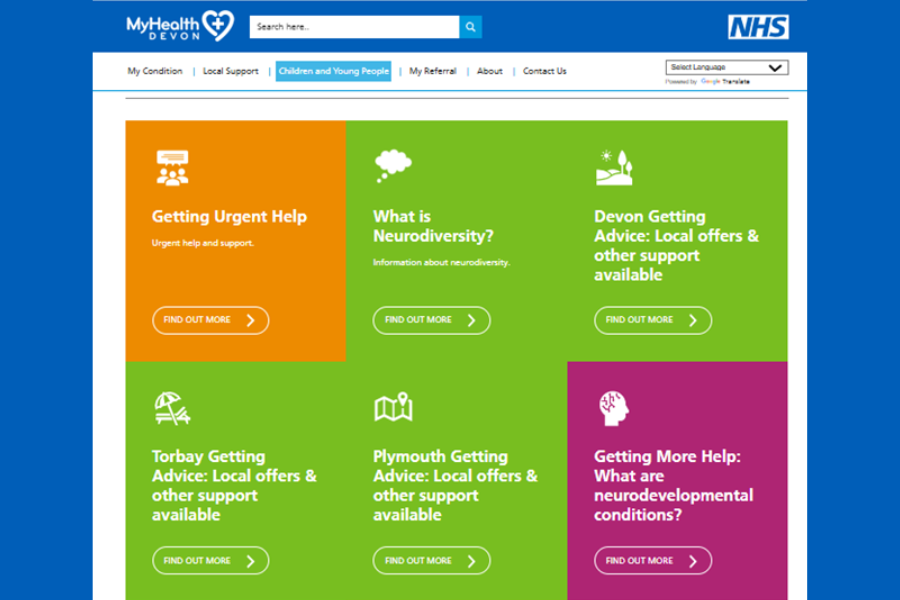
Families of children and young people with Special Educational Needs and Disabilities (SEND) may find the MyHealth Devon neurodiversity web pages a helpful place to access trusted information, advice and support.
Developed with clinicians, parent carers and young people, the pages are designed as a simple “one‑stop shop” for neurodiversity information, including local services, national guidance, helpful resources and videos.

Family Hubs are local centres offering help, advice, and information for families. They bring together services for children and young people, including support for those with special educational needs and disabilities (SEND).
If you’d like to keep up to date with their news and resources, take a look at the latest Family Hub newsletter.
This newsletter is here to share updates that matter to you and highlight support available across Devon.
If you’ve found it useful, please share it with others in your network so more families can benefit.
Do you have ideas, questions or examples of best practice to share?
We’d love to hear from you. Email us with your feedback, thoughts and help us showcase great practice across Devon.
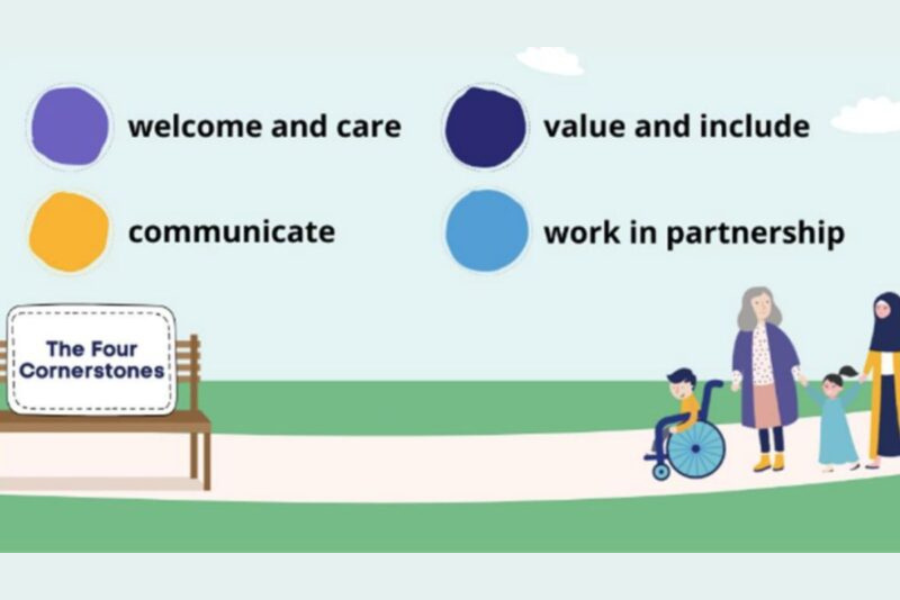
In the last newsletter, we told you about the Four Cornerstones and how we want to use these principles to make sure you feel respected, listened to and involved.
Only you can help us get it right. If at any point you don’t feel welcome, valued, included or well communicated with, we would like you to tell us. And when things do go well, we want to understand what made the difference so we can do more of it.
The Four Cornerstones are a way for you to measure us. To help you do this, we have created a short survey that you can complete after every interaction with a SEND service. You can fill it in as often as you’d like, and your feedback after each individual experience helps us understand what worked well and what could be improved.
Improving services takes time - it’s a journey, not an overnight change. But your feedback helps us move forward, and we really want you to be part of that.

Autism and Us is a free online programme for parents and carers in Devon with children aged five to sixteen who are on the neurodiversity assessment pathway or have an autism diagnosis.
The programme helps families build understanding of autism and explore practical strategies to support their child. The next programme runs across March, with sessions delivered online by Devon County Council’s Inclusion and Learning Service.
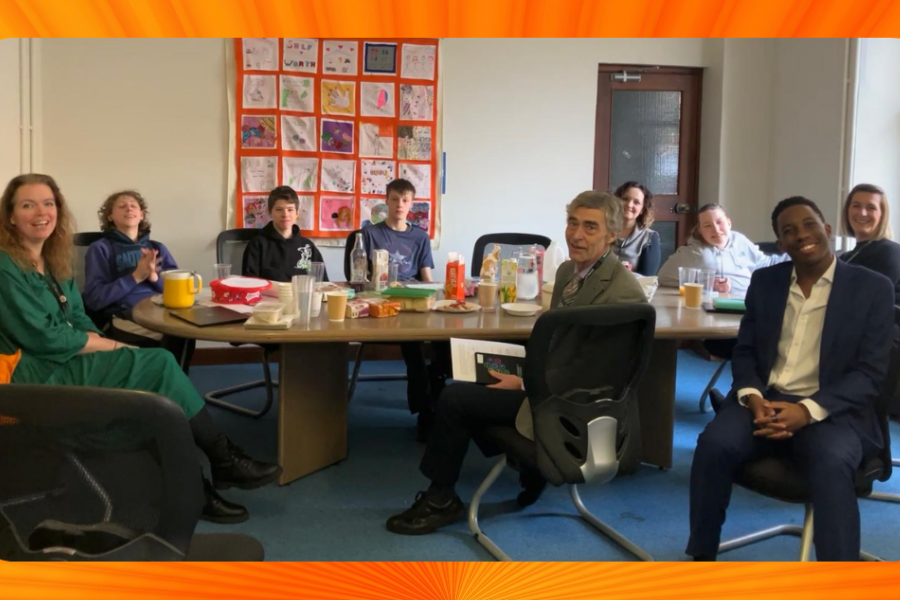
The Network for Change is a council of young people with Special Educational Needs and Disabilities (SEND) who work to help shape and improve SEND services in Devon.
Young people in the network are now sharing their experiences directly with the SEND Strategic Partnership Board, ensuring their voices inform decisions and drive improvements.
Recently, members of the group met with Dr André Imich, the new independent chair of the Board, to talk about their experiences in education and with SEND services.

“Good practical help and very clear and concise. It was great to be talked to, not at.” - training attendee
If you are a parent carer of a child or young person with SEND this training is for you (and it’s free!). It’s based on the questions commonly asked on the DIAS enquiry line. The aim is to help parent carers understand important information and develop useful skills needed when supporting a child with SEND.
-
Making Sense of SEND covers information about special educational needs, SEN support and how the SEND system works. It helps parents to feel more confident speaking up for their child and working with professionals. Sessions run online and in-person training every term.
-
Making Sense of EHC plans helps parent carers understand their child’s EHC plan, what is means, how it is used and how to take part in the review process. Online sessions take place every term.
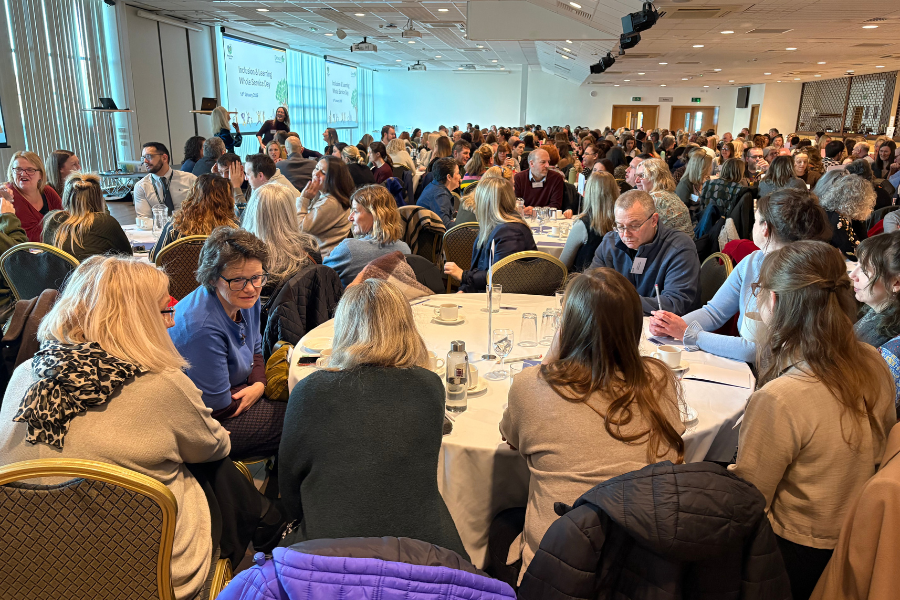
On Wednesday 14 January, over 350 colleagues from Devon County Council’s Inclusion and Learning Service gathered at Sandy Park, Exeter, for a day dedicated to strengthening inclusion in Devon. The purpose was clear: to work together to improve outcomes for children and young people, and to make the experience of getting help easier and more consistent for families and schools.

Devon County Council has shared an update on its Building Inclusive Learning Communities work, part of the wider SEND Transformation Programme.
The programme focuses on helping children get the right support earlier, improving how education, health and care services work together, and help more children to have their needs met in local mainstream schools. Councillors reported progress while recognising ongoing pressures, and reaffirmed their commitment to improving SEND support close to home for children and families across Devon.

We understand how difficult waiting for an autism assessment can be. Children and Family Health Devon (CFHD) is taking further steps to reduce waiting times, including working with NHS‑approved private providers to increase capacity. Devon County Council has confirmed it will accept private autism diagnoses for children living in its area, so families won’t need to repeat an NHS assessment.
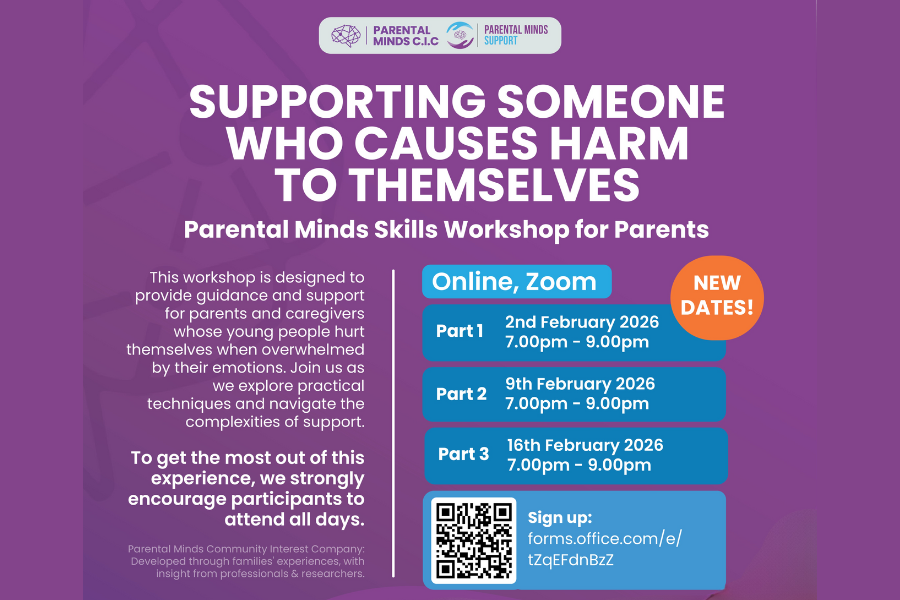
Parental Minds is running a free, online skills workshop for parents and carers whose children or young people hurt themselves when they feel overwhelmed by their emotions.
Workshops take place online via Zoom:
- Monday 2 February 2026, 7.00pm – 9.00pm
- Monday 9 February 2026, 7.00pm – 9.00pm
- Monday 16 February 2026, 7.00pm – 9.00pm
This supportive workshop, funded by Devon County Council, takes place over three sessions and offers practical guidance to help parent carers better understand self‑harm, respond with confidence, and support their young person through difficult moments.
|