January 2026
 Planning ahead doesn't make you a pessimist. It just means you're more ready for it
Emergencies happen every day. Often they're unforeseen but sometimes there's more risk of something happening, for example heavy rain or severe winter weather. At best, it's an inconvenience, but at worst, it could put you and your family at risk of harm.
Some emergencies happen instantly or very quickly, and other times there might be a gradual escalating of a situation allowing some notice of what might happen, for example lots of rainfall, swollen rivers, leading to localised flooding.
The Government publishes information online about emergencies, which includes a few simple and effective steps that you should consider to prepare for them and the disruption they cause.
Many of these activities can be helpful across a range of different types of emergency. You might not be able to undertake all of the steps, but there are lots of suggestions that won't cost anything and just take a few minutes to do.
Taking some time to plan ahead will give you some confidence that if an emergency does happen, you'd know what you would do, where you would go, or who you would call for help, making it easier to manage and recover faster. It might mean you are better able to help others who need additional support too.
This newsletter doesn't cover all emergency eventualities, but there are some here that you might want to remember or share with others.
Remember to call 999 if you or someone else is in immediate danger.
 Power cuts
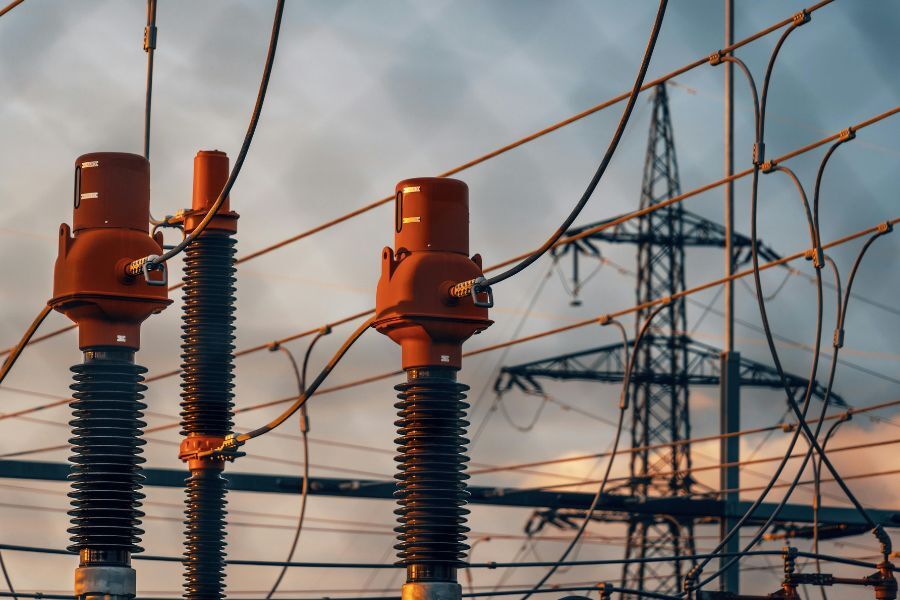
We take power for granted in all aspects of our daily lives and over the years it has become increasingly rare to experience an outage. But power cuts can and do still happen, especially if cables and equipment become damaged during storms. That’s why it’s important to make a plan and know what to do if you experience a power cut.
- Report a power cut 24 hours a day, 7 days a week by dialling 800 6783 105 or 105. If you're hard of hearing or deaf, dial 18001 before each number and a Text Relay Operator will join the call.
-
Check in with people who might need extra support. Help them sign up to the free Priority Services Register. Make sure they know what to do if there's a power cut
- Before the onset of severe weather it is important to charge phones, power banks, and any medical equipment. Have backup power sources, like a battery-powered torch and a windup radio.
For further advice on how to prepare and to check for power outages in your area visit the National Grid website.
 Water outages
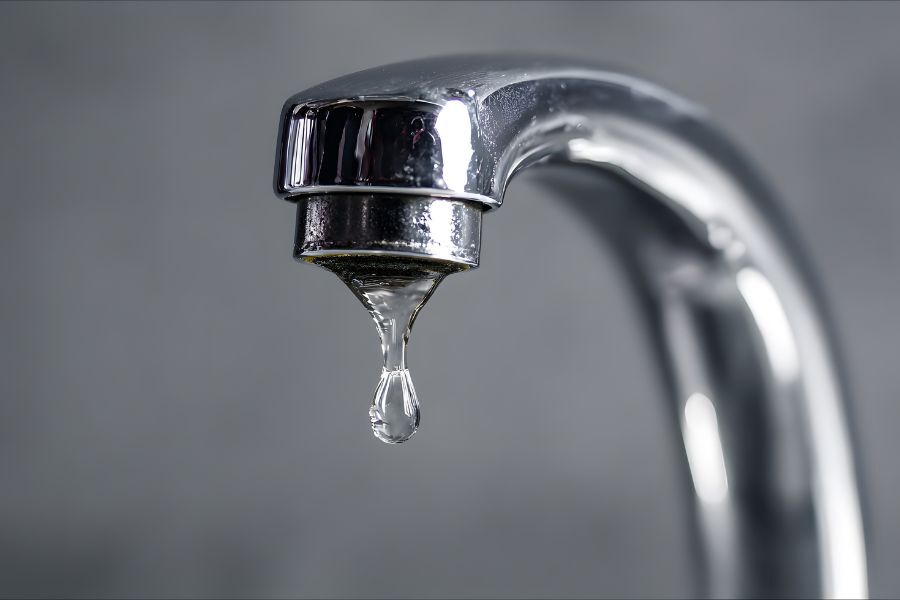
We rely on water for so many things that we take it for granted. Interruptions to your water supply can occur for various reasons, but winter weather can lead to an increase in burst water pipes both around the home and on the supply network.
To report a leak or water outage contact South West Water Emergency number 0344 346 2020 or visit their website.
- Speak to them about being added to their Priority Services Register if you are eligible
- Store essentials at home like bottled water, canned food, and basic medical supplies.
-
Visit their website for adviceabout preparing your home for cold weather. Prepare you home for cold weather.
The Priority Services Register (PSR) is free to join. It helps utility companies, including energy suppliers, electricity, gas and water networks to look after customers who have extra communication, access or safety needs. It helps them tailor their services to support households who need extra help with everyday energy matters like bills, and also in the unlikely event of a power cut, gas or water supply interruption.
You can find out if you're eligible to join the Priority Services Register, by checking online.
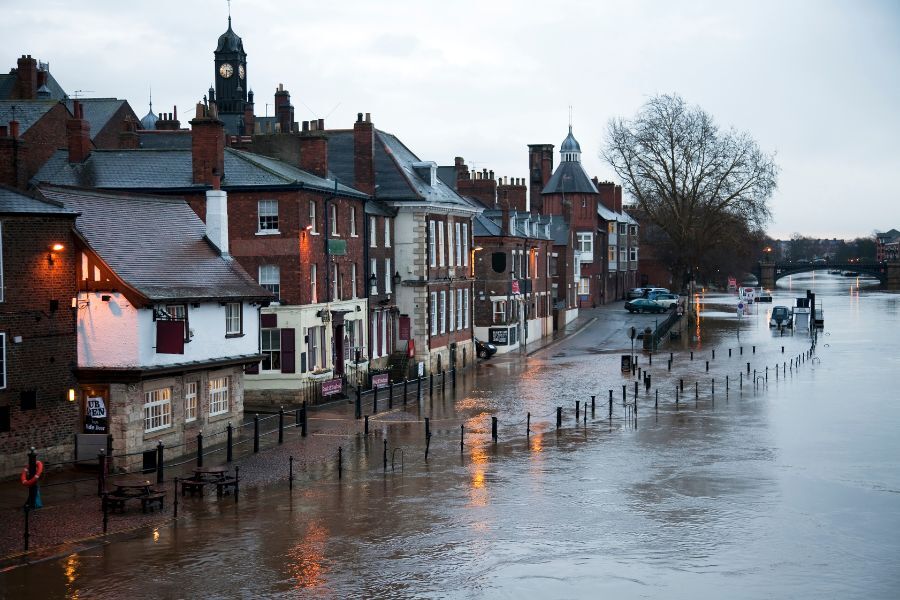
The onset of flooding can be rapid and unexpected and can have a devastating and long-term impact to your home, business or everyday life. Whilst flooding is most likely to occur in areas close to rivers and/or the sea, surface water can affect almost anywhere especially when drainage systems are unable to cope with a sudden downpour.
-
Check the Met Office weather forecast and set local alerts. Pay particular attention to any National Severe Weather Warnings covering your area, and act on any advice issued.
- Check your flood risk, and sign up to receive free flood warnings by phone text or email, you can sign up by calling Floodline on 0345 988 1188 or by visiting the government's website.
- Check you have adequate household and/or business insurance and that your policy covers you for flooding.
- Make sure any drains, rivers or streams on your property are flowing and where it is safe to do so remove debris or report blockages.
For further information on what to do before, during and after flooding read the Environment Agency’s flood advice booklet and visit our website.
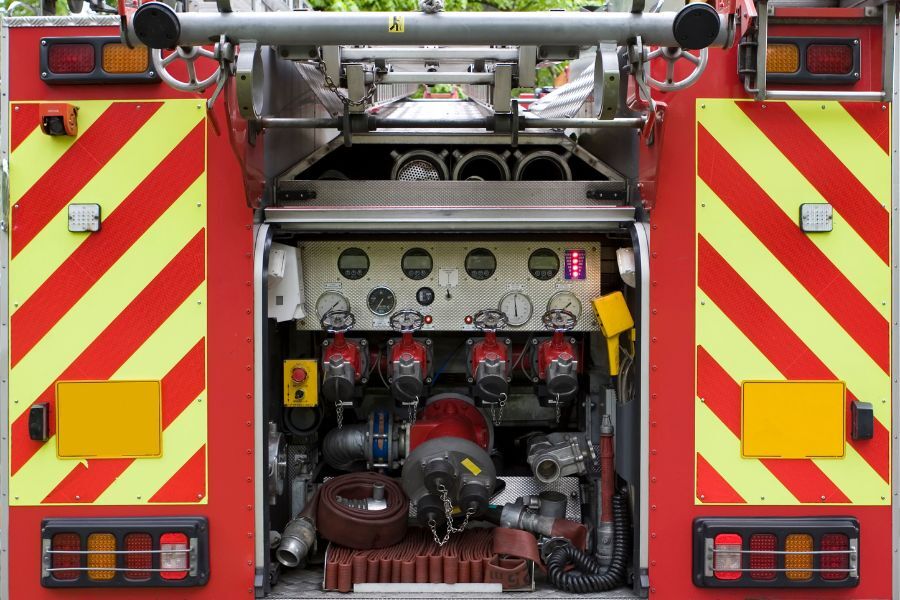
During colder months, when we spend more time indoors, it's really important to take simple steps to minimise the risk of a fire starting in your home.
For further fire safety advice visit the Devon and Somerset Fire and Rescue Service website.

In winter, periods of low temperatures, freezing conditions, sleet and heavy snow can all cause disruption on our roads and transport networks.
Cold weather can also affect our health and some people may face higher risk from the cold. Those most at risk during the winter include older adults, people with long-term health conditions, pregnant people, babies and young children.
School Closures
Burst pipes, faulty heating systems, or heavy snow can sometimes lead to schools having to temporarily close. In addition to following updates directly from your child’s school, residents can get updates on any temporary school closures and school transport disruption on our website.

Thinking ahead and preparing for what the weather may bring can make a real difference. There are some simple steps you can take to stay safe and healthy at this time of year – from preparing your home or business to taking care of yourself, your family and neighbours.
The Met Office provide up-to-date, expert seasonal advice from carefully selected organisations to help you prepare for and respond to the weather, to stay safe and protect yourself, your homes and businesses.
It includes:
- Top tips to be weather ready
- Tips for staying safe in icy conditions
- Tips for staying safe in snowy conditions
- Prepare a winter kit for your car
- Keeping your home warm this winter
- Vehicle checks to make before long journeys
- Things you should do to prepare for cold weather
- Winter health hacks
- How to get your home and property winter weather ready
- How cold weather affects your health
- Protecting property from flooding
- Looking after your pets during colder weather
- Tips for getting out and about this winter
- Looking after your mental health through the winter
- What do to if you have a frozen or burst pipe
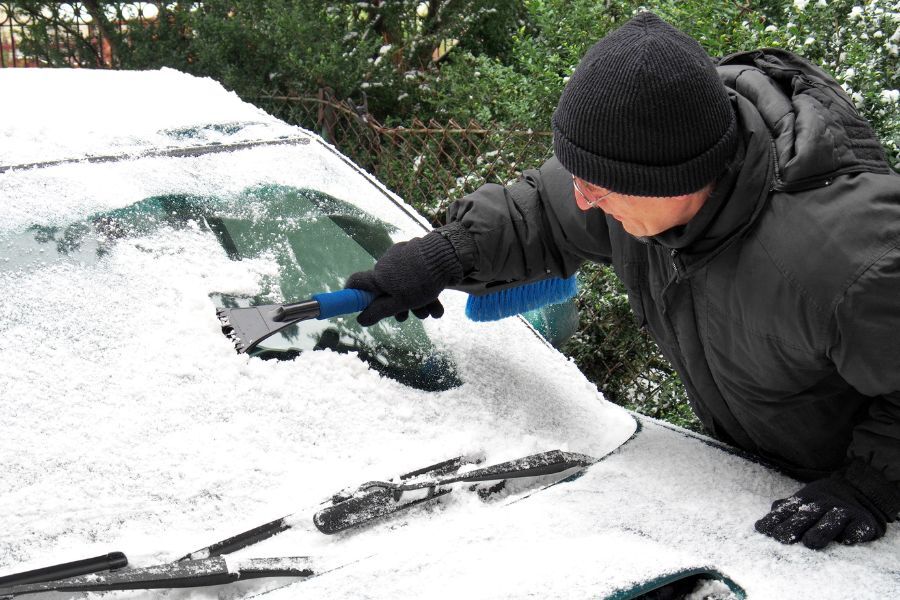
During severe weather, roads can become blocked and there may be delays or cancellations to public transport.
When severe weather is forecast limit travel as much as you can. If you need to make a journey, allow extra time and check for the latest advice from your travel operator ahead of time, and adhere to any ‘Do Not Travel’ notices.
Be prepared for long delays and pack extra warm clothing, food, medication and water before setting off.
When driving be mindful of other road users. Vehicles can take up to ten times longer to stop on wet slippery road surfaces. Visit the National Highways website for more information about travelling when it's raining.
1. Advice on Keeping Homes Warm Safely
-
GOV.UK – Keeping Warm and Well Guidance on safe heating, recommended indoor temperatures (at least 18°C), reducing draughts, and financial support for heating costs. Read the official advice.
-
Met Office – Keeping Your Home Warm Tips on insulation, draught-proofing, and energy efficiency measures to keep homes warm and reduce bills. Visit the Met Office website.
-
British Gas – Winter Heating Tips Practical steps like bleeding radiators, using foil behind radiators, and pipe lagging to improve heating efficiency. Explore British Gas tips.
2. Information on Energy-Saving Measures and Grants
-
Energy Saving Trust Details on grants, loans, and schemes to improve energy efficiency and install renewable technologies. For information, visit Energy Saving Trust – Grants & Support.
-
Centre for Sustainable Energy For advice on eligibility for grants for insulation, heating upgrades, and low-carbon systems, visit CSE Grants & Funding.
Government Help to Heat & ECO4 Scheme Government-backed schemes like ECO4 and Boiler Upgrade Scheme (up to £7,500 for heat pumps). Find ways to save energy.
The Devon Oil Collective is a simple-to-use oil purchasing scheme for Devon residents and businesses. As a member of the Devon Oil Collective you have consistent access to competitively priced oil
The Cost of living pages on our website contains further information on support including the Devon Household Support Fund which is a government-funded scheme which runs until 31 March 2026 and is administered by us, at Devon County Council. The funding is to support households in most need that are struggling to pay for food, energy, water bills and other related essentials. For more information visit our Household Support Fund - Cost of living website.
3. Carbon Monoxide Safety Reminders
-
UK Health Security Agency Explains CO risks, symptoms (headache, dizziness, nausea), and prevention tips like installing CO alarms. Read UKHSA advice.
-
Gas Safety Charity – Think CO Programme Free resources and training for CO awareness, especially for those supporting vulnerable people. Learn more about Think CO.
-
GOV.UK – Carbon Monoxide Guidance Official advice on prevention, diagnosis, and treatment of CO poisoning. View GOV.UK CO guidance.

Our series of ‘Winter Support and Wellbeing’ newsletters share practical advice and local resources to help you and your family stay healthy, warm, and safe this season.
|