December 2025
Our series of ‘Winter Support and Wellbeing’ newsletters share practical advice and local resources to help you and your family stay healthy, warm, and safe this season.
This edition is about looking after your physical and mental health during the colder months.
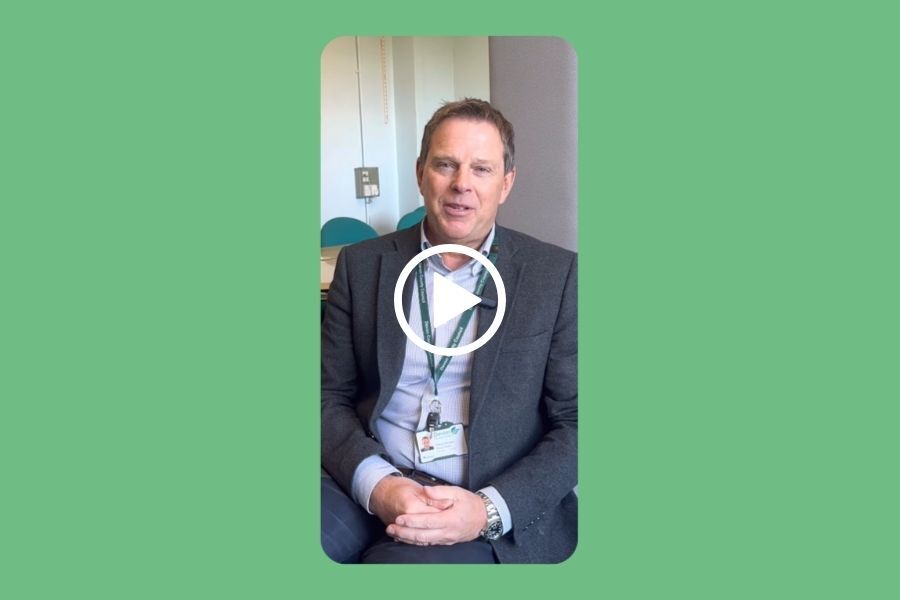
Our Director of Public Health and Communities, Steve Brown, shares some top tips to help keep you and your family well this winter.
 Keeping warm and well
Staying warm in winter is one of the best ways to protect your health, helping prevent colds, flu, and serious conditions like heart attacks, strokes, and pneumonia. Here are some simple steps:
-
Heat your home safely: Keep main rooms at 18°C, close bedroom windows at night, fit smoke alarms on every level and a carbon monoxide alarm where fuel is burned. Use oil-filled heaters instead of exposed-element heaters, and have chimneys professionally swept.
-
Dress in layers: Several thin layers keep you warmer than one thick layer.
-
Stay active indoors: Move around or stretch regularly to maintain body heat.
-
Plan ahead: Stock up on food and medication before bad weather hits.
-
Look out for others: Check in on neighbours or relatives who may need extra support.
If you’re struggling to afford heating, government grants, benefits, and cost-of-living support are available to help with bills and improve energy efficiency.
Visit the UK Health Security Agency’s website for more cold weather guidance and Devon & Somerset Fire and Rescue Service for tips on heating your home safely.
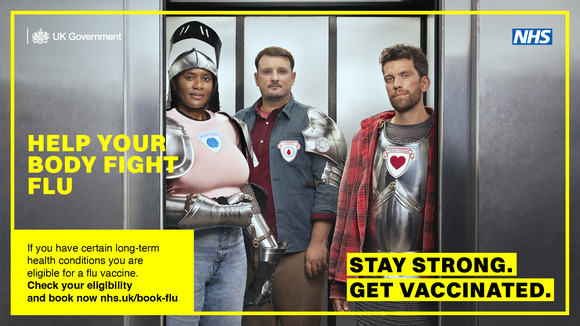
Seasonal viruses like flu spread more during winter and can make people very ill. This year, flu is already circulating in our communities earlier than usual. When we spend more time indoors and mix with friends and family, we can pass infections on without realising.
Vaccines are available for people most at risk of serious illness from flu, Covid-19, RSV and pneumococcal infections. Last year in England, the flu vaccine alone is estimated to have prevented around 100,000 hospital admissions. That’s why it’s important to get your NHS vaccination as soon as possible each year. It gives you the best protection because immunity fades over time and these viruses change every year.
Visit the NHS website to find out more about who is eligible for the different vaccinations and how to get them.
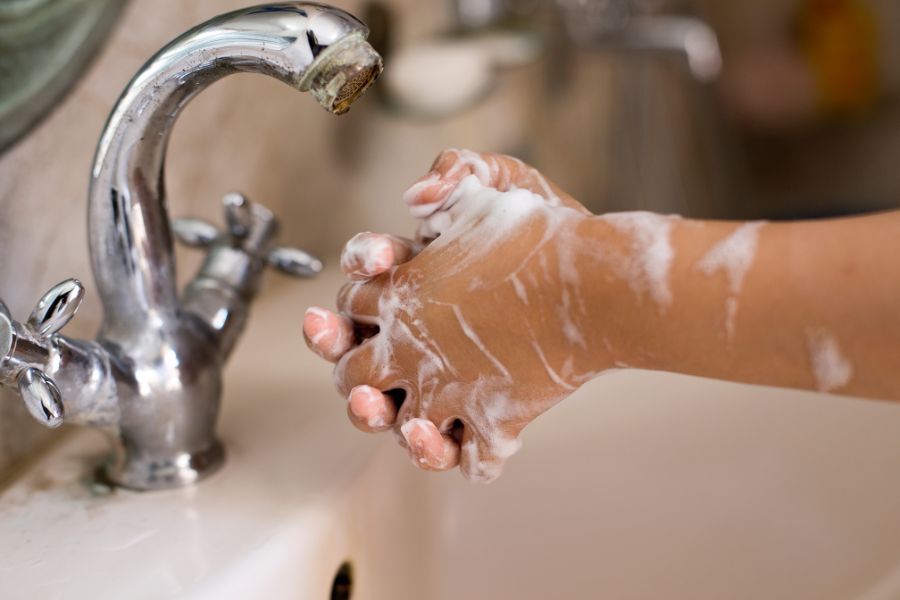
There are small things we can all do to protect ourselves, our families and others from illnesses that can spread in our communities.
Practice good hygiene
Good hygiene is one of the most effective ways to stop germs. Wash your hands thoroughly with soap and water for at least 20 seconds, especially before eating or preparing food, after using the toilet, and after coughing, sneezing, or blowing your nose. Hand gels don’t kill all germs, including norovirus, so they’re not a substitute for proper handwashing.
Regularly clean frequently touched surfaces such as door handles, phones, and kitchen counters to prevent germs from spreading. When you cough or sneeze, cover your mouth and nose with a tissue or your elbow, dispose of tissues immediately, and wash your hands.
Stay home when you’re unwell
If you feel unwell, stay at home where possible and avoid work, school, nursery, and social gatherings. A fever can indicate infection, so remain at home until it has gone. If you have diarrhoea or sickness, stay home for 48 hours after your last symptoms. This can really help stop germs from spreading to others.
Keep vaccinations up to date
Vaccines protect you and those around you from serious illnesses and are offered throughout life. If you’re unsure whether you or your family have missed any, check the NHS website, look in your child’s red book, or speak to your GP.

It’s usually fine for children to attend school or nursery with minor coughs or colds if they feel well and have no fever. However, if they are unwell, keeping them at home helps prevent infections spreading.
-
Fever: should stay home until it has passed and they feel better.
-
Diarrhoea or vomiting: should stay at home for at least 48 hours after symptoms stop
-
For other infectious illnesses: check the NHS guidance
The Government's Department for Education has also shared tips for keeping children healthy at school.
This term, the school-aged immunisation teams will continue to visit schools to offer flu vaccines. Please provide consent via your school’s link. If you need more information, or your child missed their vaccine or is aged 4 years old or over but not in school, please contact the the service. Flu vaccines for two and three-year-olds are available through GP practices or some pharmacies.
 Get advice if you feel unwell
If you feel unwell, there are quick ways to get advice and treatment.
Think Pharmacy First
Most pharmacies in Devon offer consultations, treatment, and prescriptions for common conditions like sore throat, earache, sinusitis, UTIs, shingles, impetigo, and infected insect bites. If you’re outside the age ranges for these services, pharmacists can still advise on self-care and over-the-counter medicines. Find your nearest pharmacy on the NHS website.
NHS 111
For urgent help, use NHS 111 online, via the app, or by phone. It can assess your symptoms, direct you to the right service, and even arrange a call back from a nurse, doctor, or paramedic. This helps avoid unnecessary A&E visits. Support is available for other languages, BSL users, and text relay.
NHS app
Download the NHS app to manage your health easily. You can order repeat prescriptions, book GP appointments, view your health record, manage vaccinations, and access other services without waiting for surgery hours. The app is free for anyone aged 13+ years old registered with an NHS GP. For advice on children’s illnesses, download the HANDi app.
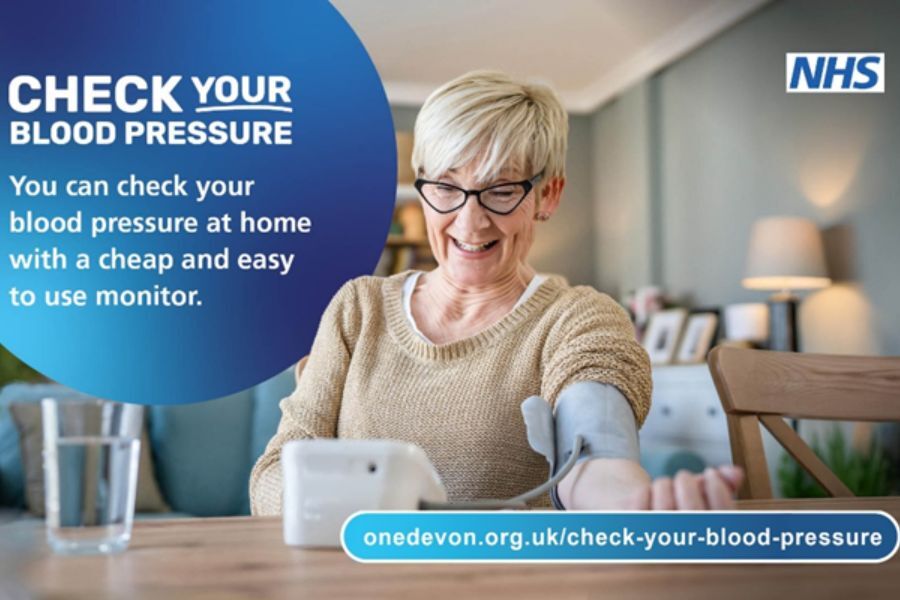 Check your blood pressure
High blood pressure often has no symptoms, yet one in three UK adults has it, increasing the risk of heart problems. The only way to know is to check. It’s quick and easy. Your local pharmacy can do it, or you can use a home monitor. Monitors are available to borrow for free from over 50 libraries across Devon.
Once you’ve checked, use the NHS online blood pressure checker tool for advice on what your results mean and next steps.
Find your nearest pharmacy on the NHS website visit NHS Devon’s website to learn more about checking your blood pressure, including where to borrow a monitor.
 Be prepared
Severe weather and holiday closures over winter can make everyday essentials harder to access. A little planning goes a long way:
-
Priority Services Register: If you or someone you know is vulnerable due to age, health, or disability, sign up for this free service for extra support during power or water outages. Find out more and sign up.
-
Power Cuts: Charge phones, power banks, and medical equipment before severe weather. Keep a torch, batteries, and a wind-up radio handy. Visit National Grid for more guidance.
-
Water Supply: Store bottled water and basic supplies in case of burst pipes. Visit South West Water for more guidance.
-
Medicines: Order repeat prescriptions early, check pharmacy holiday hours, and keep essential medicines stocked for a few days.
-
Urgent Help: If your GP or pharmacy is closed, use NHS 111 online, via the app, or by phone for advice and to be directed to the right care.

A healthy diet is important year-round, but in winter it helps boost immunity against colds and flu.
For families struggling with food costs, support is available to ensure no child goes hungry. Children eligible for free school meals can receive supermarket vouchers, and if you’re over 10 weeks pregnant or have a child under four, you may qualify for a Healthy Start card.
School holidays can be challenging for families, especially those on low incomes. Our Holiday Activities and Food (HAF) Programme offers free activities and healthy meals for children aged five to 16 years old who receive benefit-related free school meals. Visit our website to find an activity and reserve a place.
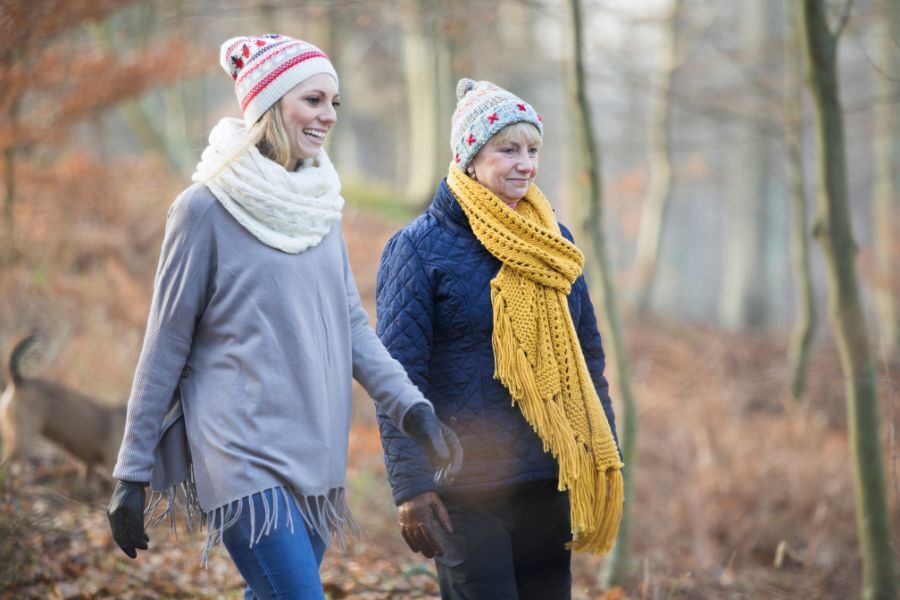
Cold, darker days don’t have to affect your wellbeing. Keep up the five ways to wellbeing and explore what Devon offers this season.
Devon Connect helps you find local activities and projects and Active Devon’s GLOW (Grab Life Outdoors this Winter) campaign encourages getting outdoors for a mood boost.
Longer nights are a great time to learn about Devon’s dark skies on the Local Nature Partnership website.
Get out and discover new places with Explore Devon, or use time indoors to declutter and donate through Community Action Groups.
Visit our website to find out more about mental health support in Devon.
More from our winter support and wellbeing series
The next edition in our 'winter support and wellbeing' series, is about preparing for emergencies and severe weather, including travelling safely around the county when there is a risk of ice, snow, floods and fallen trees. Look out for it in your inbox soon!
|