|
August 2025

A warm welcome is being extended to the very first intake of pupils next month at Castlebridge School, Tavistock. The brand-new special school, which sits over two sites, is for pupils aged between seven and 16 years old with Autistic Spectrum Condition.
It’s main site in Ivybridge is being built by the Department for Education and is due to open in 2027, while its Tavistock hub, opening next month, is being refurbished and repurposed by Devon County Council.
Across the two sites, the school will have capacity for 150 pupils in total, with the Tavistock facility – the smaller of the two – able to take up to 30 pupils who are unable to access mainstream schools because of physical, medical or sensory needs or difficulties with communication, anxiety, attachment, relationships and behaviour.

We've introduced a new way of working in our SEND Operations team to improve the timeliness of finalising EHCPs, and to reduce the number of plans that are outside of the statutory timescale.
Since the end of June, we've focused part of the team on improving timeliness, and the other part of the team on addressing the late EHCPs.
The task approach is showing some early signs of success with our Assessment teams finalising 127 plans in the first month.
Decisions to Assess are also being made earlier, and the Decision to Assess panel is trialling new ways of working that will strengthen decision making. Feedback from the multi-agency partners on the panel is positive.
We know that we've a long way to go until most parents feel the changes and improvements, but we see these changes as a good thing that are starting to show positive improvements.

We know that the timeliness of finalising Education Health and Care Plans is important, but so too is making sure that the plans themselves are right and that they meet the needs of the young person.
That's why, as well as working to improve timeliness, we've also reviewed our quality assurance framework, to ensure plans are right for the young person.
Every month, a selection of EHCP’s are chosen and shared with representatives from health, schools, children's services and other partners – services that work with that child - to each review the section of the EHCP for which their organisation is responsible.
They're asked to check that the plan, from their different perspectives, is accurate and correct, and that they agree the appropriateness of that plan.
This multi-agency team comes together monthly to discuss what they've learned from each review in order to improve the way they work, and how EHCPs are developed and could be improved in future.

In last month's SEND Partnership newsletter we explained that Devon County Council is reviewing the way that funding is allocated to children and young people with Education, Health and Care Plans.
It's because the current system for deciding how much funding a child receives does not always work as well as it should. Families and schools have said that the current system is inconsistent and that it's hard to understand why one child gets one level of funding and another doesn't.
The council has appointed experts to help review the current system. They'd like parents and carers of children with EHCPs to help it come up with a better framework.
Parents and carers are invited to an online workshop, on Monday 22 September, 10am to 12pm; or Tuesday 23 September, 7pm to 9pm.
If neither of the dates for these online workshops is convenient for you, but you would like to share your views, you can complete a short online survey instead. It takes about five minutes, and it gives you the opportunity to have your voice heard.
This the first phase of this work, and there will be more workshops to follow in October.

Devon Information Advice and Support (DiAS) offers a series of free training sessions designed to empower parents and carers of children and young people with Special Educational Needs and Disabilities (SEND) with the knowledge and confidence.
Whether you're new to SEND or looking to deepen your understanding, DiAS’s Making Sense of SEND training is a great place to start. These sessions cover the essentials of the SEND system, including how support works in schools and how to communicate effectively with professionals. You can choose between online sessions or attend in person, with both formats offering practical advice and a welcoming space to learn.
For those with children who have an Education, Health and Care (EHC) plan, DiAS also runs Making Sense of EHC Plans and Reviews. These sessions help parents understand what should be included in an EHC plan, how it’s used, and how to take part in the review process.
All sessions are free and open to parent carers in Devon. They’re repeated each term, so if you miss one, you’ll have another chance to join. To explore the full list of upcoming events and book your place, visit the DiAS website.
 Image courtesy of Young Devon
Young Devon is pleased to announce the launch of a new Emotional Health and Wellbeing Service, funded by NHS Devon and delivered by a trusted partnership of local organisations, including Young Devon, Kooth, Space Youth Services, Encompass Southwest, and Plymouth City Council Youth Service.
The service is designed to help make sure young people have more choice and easier access to support, right in their own communities. It's free, and available to children and young people aged 11 to 17 years old in Devon, Plymouth and Torbay to build their confidence, resilience, and a positive sense of wellbeing. Young people can ask for help themselves, or a parent, carer, teacher, or anyone else can do it on their behalf.
Over the summer, the team have been working with young people and families to choose a name for the service and co-design digital tools to make getting support even easier and more engaging.

Returning to school after the long summer break can be tough, moving year groups or starting somewhere new.
For children with Special Educational Needs and Disabilities (SEND), the experience can be even more challenging, with unfamiliar routines and environments, or uncertainty about friendships and connections.
We have published a special edition of the Devon SEND newsletter, with practical advice and guidance to help make the start of this academic year as smooth as possible for your child.
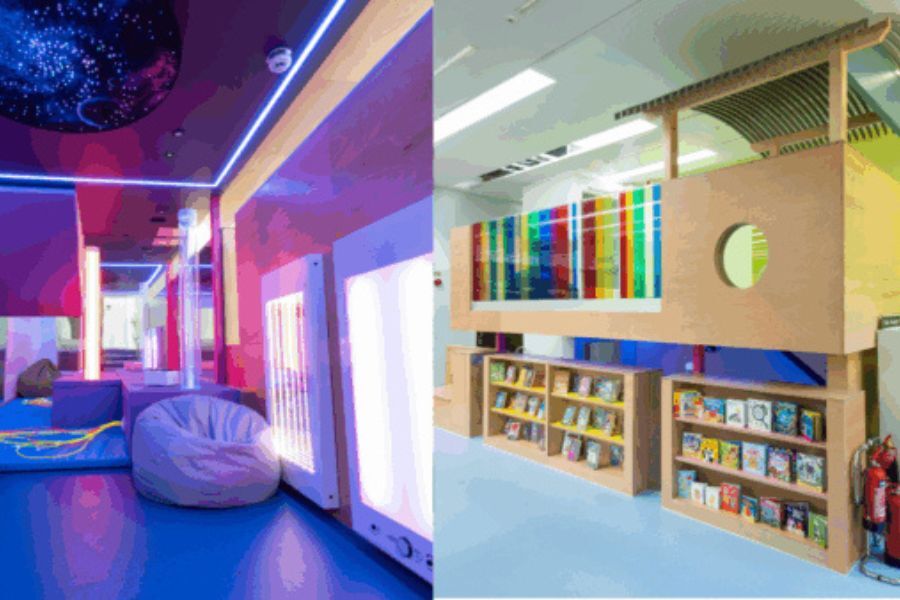
Exeter’s new children’s library opened to the public this week and it includes a new dedicated sensory space to support children with ADHD, autism, and sensory processing disorders.
The Clore Children’s Library, unveiled by Libraries Unlimited who run Devon’s libraries on our behalf, has been designed to be a welcoming and accessible space for all children and families.
The sensory space, which includes a floating mezzanine and activities for older children, was created in collaboration with specialists Aurora.
It includes a lift to ensure all children and their carers can fully experience the benefits of all the zones.
 Image courtesy of CFHD
From September, Children and Family Health Devon (CFHD) is launching a new Occupational Therapy advice line to support children and young people to develop the everyday skills they need to grow in confidence and independence.
This free service is open to anyone, including parents, carers, teachers, social workers and the young people themselves, and is designed to offer expert advice and guidance in a simple, accessible way. No referral is needed, and no personal details are taken.
When you call, you’ll speak directly with a Children’s Occupational Therapist who understands how to help children build independence in daily activities like dressing, toileting, and using cutlery.
They can offer practical tips, creative strategies, and guidance on how to support your child’s next steps. They can also point you toward further support, either within CFHD or through other helpful services.

We’re reviewing how we purchase education placements for pupils with Education Health and Care Plans in independent and non-maintained special schools, post-16 settings, and alternative learning packages.
It's to ensure that services meet young people’s needs.
We’ve engaged with families through workshops, calls, meetings, and surveys.
Thank you to everyone who contributed. Your feedback is shaping future contracts, which will include better communication, more staff training, clearer expectations for provider-family relationships, and improved feedback processes.
We aim to implement the new approach by 1st February 2026 and will keep families updated throughout the transition.

Whether your child is starting school, moving settings, or continuing their journey, support is available.
Devon Information Advice and Support (DiAS) offers free, confidential guidance for parents and carers. Their Tools to Help You webpage includes practical resources for talking with schools, preparing for meetings, and understanding your child’s rights.
For more detail on how SEND support works in Devon, DiAS explains SEN Support, reasonable adjustments, and how to access specialist help.
Devon County Council’s Ordinarily Available Inclusive Provision outlines the inclusive support all schools should provide. Their Targeted Support Framework helps schools plan additional support for children with more specific needs, aligned with the SEND Code of Practice.
Devon’s network of Employment Hubs and Youth Hubs offers free, friendly support to anyone aged 16 years old and over who is exploring options for work, training, or further education. They offer one-to-one guidance on CV writing, interview preparation, career planning, and accessing apprenticeships or training. Advisors work at each person’s pace and offer ongoing support tailored to individual needs.
 Image courtesy of CFHD
Children and Family Health Devon (CFHD) is holding an event to help people learn more about the specialist services they provide for children and young people across Devon and Torbay.
Taking place on Wednesday 24 September 2025, from 10am to 1pm at Oaklands Court in Tiverton, the event offers a valuable opportunity to meet their expert teams, ask questions, and share your feedback.
|