|
March 2025
Welcome to March's edition of the Devon Local Area SEND Partnership newsletter!
If you enjoy it please forward it to your family and friends and encourage them to sign up. If there is anything you would like to see in future editions, or if you have any other feedback about this newsletter, please
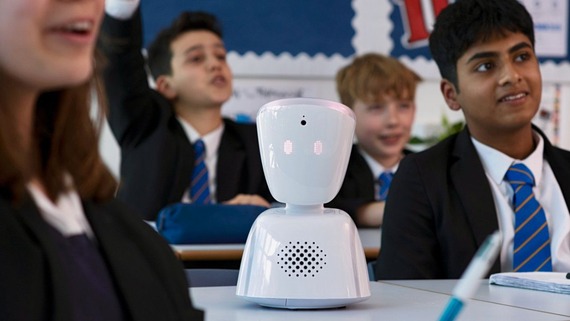 Image credit: www.noisolation.com
We’ve launched a pilot project using robots to help us understand how best to support young people who struggle to attend school because of feelings of worry, anxiety and overwhelm. As part of our commitment to think beyond barriers to support the aspirations of children and young people, we’ve invested in 16 AV1 robots to help pupils who don’t feel able to be physically present in the classroom.

We've had lots of responses to our request to tell us about your experience of our health, care and education services. We really appreciate you taking the time to do this, thank you!
Your voice is valuable in helping us ensure we're making the right changes to rebuild trust and positive relationships with children and young people with SEND and their families in Devon.
If you haven't taken part yet, there's still time. Share with us any comments or examples of what went well and what needed to be better using this form.

An award-winning mental health support programme is being rolled out to all schools and colleges across Devon within the next four years. By 2029, primary, secondary and colleges across the county will be equipped with dedicated mental health practitioners on site in all schools.

One hundred per cent of families of children with Education Health and Care Plans (EHCPs) have been allocated places in their first-choice mainstream school from September. Families sometimes request that we consider specialist education alongside mainstream provision, and where specialist provision was requested by families, 87 per cent have been allocated places suitable to their child's special educational and disability needs.

LINKS is part of our Early Help and Partnerships service. They work to increase the safety of children and young people and reduce their risk of harm, including those who have gone missing from home, are involved with anti-social behaviour and offending or are exposed to youth violence.

We've launched our new ‘Ordinarily Available Targeted Support Framework’. It is structured around the four areas of need in the SEND Code of Practice and is designed to support staff at all Devon schools, early years, and post-16 settings to consider and identify the needs and barriers to learning a child and young person may have and plan and deliver effective support, within their own resources.
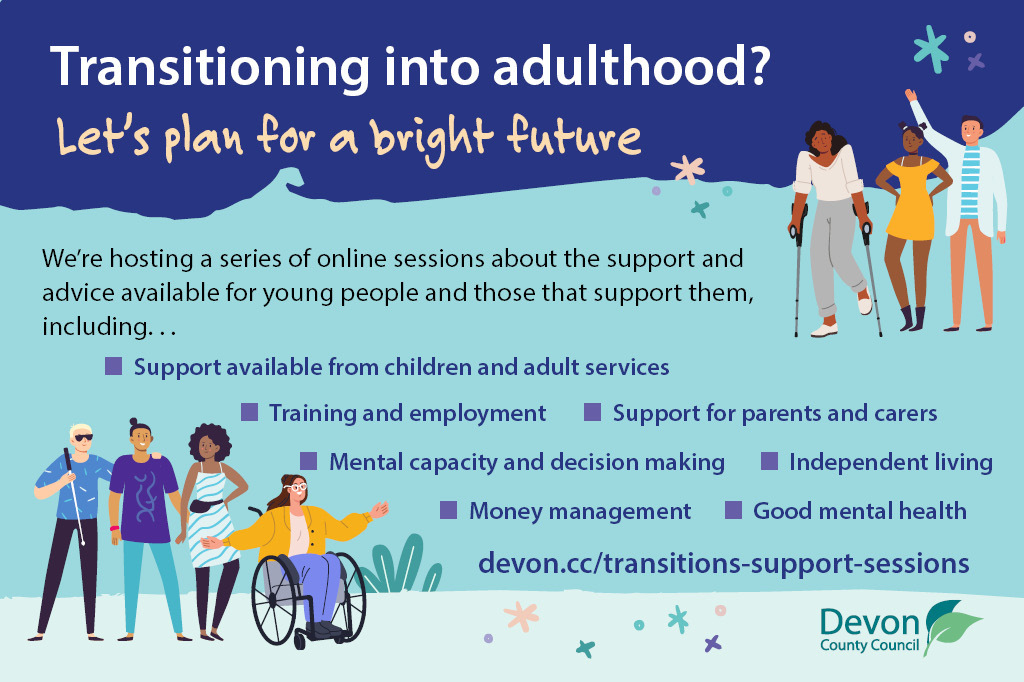
Thank you to everyone who joined us so far for our preparing for adulthood webinars. For those who missed the first session on the differences between Children’s and Adult’s Services is available to watch back now. The next session will be taking place in April and focuses on independent living and housing options. Book your place on our website.

Parents, young people and providers were among those celebrating supported internships at a recent Exeter Future Skills Centre event. In the last three years, more than 300 young people in Devon with Education, Health and Care Plans (EHCPs) have gained qualifications and work experience through government-funded supported internships, often leading to paid employment.

Earlier this month we marked 'Neurodiversity Celebration Week' with a special edition of our newsletter.
It contained news about how we're working together for better inclusion of neurodivergence in Devon’s schools; an update on our autism assessment waiting list project; advice about what sort of support you should expect from school and information about where to get help if you need it.

We know how important it is for parents to have a clear understanding of typical waiting times for services. Children and Family Health Devon (CFHD) is now publishing waiting times for their services on their website, and they'll refresh them every quarter to give you the latest information.
|