|
March 2025

Every person’s brain is unique. No two people are the same. We all think, learn and act differently. The term ‘neurodiversity’ is used to explain the concept that our brains all naturally work in different ways, and that's ok.
For some, these differences might make certain daily tasks harder, like focusing or socialising, but they also come with strengths, like being really creative or noticing details others might miss.
Instead of seeing these differences as problems, neurodiversity recognises that having a variety of ways that different people’s brains function adds value to society, and these differences should be respected and celebrated.
People with conditions such as autism, attention deficit hyperactivity disorder (ADHD), dyslexia, dyspraxia, anxiety and Tourette’s syndrome are sometimes referred to as neurodivergent people, whether diagnosed or as yet undiagnosed. The term neurodivergent simply means that your brain works differently to what may be considered ‘typical’.
It’s thought that around 15 per cent of children and young people in Devon have a neurodivergent diagnosis, or neurodivergent needs as yet undiagnosed, equating to at least 30,000 children and young people across Devon, Plymouth and Torbay.
Neurodiversity Celebration Week is about challenging stereotypes and misconceptions about neurological differences and helping the world to understand, value and celebrate the talents of neurodiverse minds.
It aims to transform how neurodivergent people are perceived and supported and recognise the many skills and talents of neurodivergent people, while creating more inclusive and equitable cultures that celebrate differences and empower every individual.

The range of support for children and young people who have a neurodiverse diagnosis (or who have yet undiagnosed additional needs associated with neurodiverse conditions) is often seen by families as a complex network of health, education, social care, community, and voluntary services.
In January this year, Children and Family Health Devon (CFHD) and Livewell introduced the role of Neurodiversity Navigators for the whole Devon to provide support and guidance to families and young people that are on waiting lists for a neurodevelopmental diagnosis or those presenting with neurodivergent needs.
They can provide some general information, guidance and support to access services that are already available and, if needed, they can provide practical support for people to complete forms and attend workshops. For those unable to access these resources, the Navigators are adaptable to provide individual advice and guidance around their presenting needs, for example issues with sleep, school difficulties, low level anxieties, and promote positive behaviour strategies.
For more information about Neurodiversity Navigators, please contact livewell.devonndnavigators@nhs.net

Forty primary schools across Devon including Plymouth and Torbay have been selected to work more closely with local education authorities, NHS Devon and Parent Carer Forums to improve the way that young neurodivergent pupils are included in school.
The NHS England and Department for Education-funded PINS project (Partnership for Inclusion of Neurodivergence in Schools) aims to help schools identify children with additional needs, with or without a formal diagnosis, at the earliest opportunity in their education, and to provide the right support to help them engage with education and to achieve.
It’s come about following feedback from some parents who felt their children with SEND were not feeling included in their school communities or supported by way of reasonable adjustments by the school.
Find out more on the news page of the Devon SEND Local Offer website.

NHS Devon and local health providers are working together to ensure that children and young people who are waiting for an autism assessment, receive this as soon as possible.
They've increased the number of clinics and appointments available, including holding out of hours clinics, and additional staff members have been brought in to support this. Services are also working together to do joint assessments, and where children are known to more than one service, providers are collating relevant information and identifying where further consultation or assessments are required to make a diagnostic decision.
Where there are several children in the same school waiting for an assessment, they're trialling working with the SENCO to start the diagnostic process at the same time so that observations and reviews can be undertaken for many children in one location in the same day.
Those who have been waiting for an autism assessment longer than 12 months, as of the end of March 2025, have been sent a letter asking their parents if they have any reports, letters or assessments from either NHS or private providers, about their child, that they’ve not already shared with their local health provider, because it may help them complete their child’s assessment sooner. For example, reports from Occupational Therapists, Speech and Language Therapists, Psychologists, Mental Health services, or Education Psychologists. Thank you to everyone who has already sent this information.
Please visit the Children and Family Health Devon website for answers to Frequently Asked Questions and updates about this project.

Children and Family Health Devon's Autism Assessment Team has developed some video resources to help families understand the process of being on their autism assessment waiting list and what happens following a diagnosis.
They have also developed some 'One Minute Guides' on specific topics related to autism and neurodiversity. These include things such as behaviour, masking, sensory differences and sibling relationships.
Working with their participation groups and the Parent Carer Forum, they have put together a list of resources that you may find helpful while waiting for an autism assessment. They are divided into resources for children and young people and resources for parents and carers.

We’ve been working with parents, children, young people and schools to develop a new resource to help school staff give consistent and inclusive support. It’s called the Ordinarily Available Inclusive Provision Framework, and you can find it on the Devon SEND Local Offer website.
It brings together in one place simple, every day and low-cost things that schools can do to support children. And that includes children and young people with special educational needs and disabilities (SEND). It has ideas for simple adjustments that teachers can make to their classrooms, to remove the barriers that make learning harder for some.
It’s based on the teaching standards and guidance from the Department for Education. and the key principles have come from children, parents and school staff. They told us what good inclusive support looks like, the impact this had on them and what some of the barriers were.
We are asking schools to review and reflect on their own practices, to see where they might be able to improve the way they support pupils. There is a lot of very good work being done in schools across Devon to support pupils, and this framework, or guidance, is to help build on that good work.
If you have any questions about the impact that the framework will have at your school, please contact your school directly.
Devon County Council's popular Autism and Us programme is delivered each term of the academic year by members of the SEND Communication and Interaction Team.
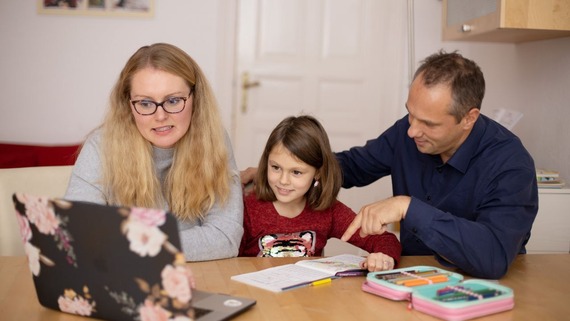
It offers support for families of children and young people who are either on the neurodiversity assessment waiting list or who have received a diagnosis of autism. Parents and carers have opportunity to develop their understanding of autism and look at practical solutions to managing and supporting their child’s presenting needs, whilst also connecting with other parents or carers.
The free four week ‘live online’ programme involves weekly two hour sessions on Microsoft Teams, each focussing on a different topic starting with an overview of autism, then communications needs, understanding and supporting behaviour and sensory needs.
There’s also popular themed or topic based workshops, which lead on from the course, covering things like managing stress and anxiety, vulnerability and online safety and demand avoidance.
Full details, including course dates and how to secure your place, are available on the Devon SEND Local Offer website.
The NHS 'My Health Devon' website has a guide to help find support, information and resources for children, young people and families.
The information has been suggested by professionals working across Devon, Plymouth and Torbay and Parent Carer Forums. They include links to resources; relevant websites and support on offer in the area. Some of these services are free to families, some local charities or community groups may ask for a donation or charge for their services.
You don’t need a clinical diagnosis to be able to access support.
To find out more, please visit the NHS My Health Devon website.
|