24th April 2026
Welcome to the April edition of the CSAB Newsletter
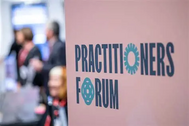
CSAB held their 4th Practitioner Forum event online on the 16th April 2026. The event included practitioners from various agencies across Cumbria and included a short presentation with reminders of the MCA Principles, Functional Test, Recording, Executive Functionning and fluctuating capacity. There was further opportunity for learning through group discussion and use of case studies. Some of the feedback received from attendees included:
- "Structure of sessions is good and resources really helpful"
- "Great opportunity to engage and learn from others"
- "Case discussion good to apply knowledge and get different perspectives"
- "Comprehensive refresh about MCA principles and assessment"
CSAB have developed a resource pack with slides and case studies which we would encourage is used to further support learning or safeguarding supervision in team meetings. You will find the resource pack under the MCA section of the website by clicking here.
Thanks to Jo Hubbald, Advanced Practice Lead Cumberland Council for an informative and engaging session.
|
Managers & practitioners across the system are invited to attend this Lunch & Learn session focused on learning and good practice from Samatha's experience.
Samantha was aged 33 when she sadly died. A joint Safeguarding Adult Review (SAR) and Domestic Abuse Related Death (DARDR) was commissioned to identify learning, particularly in the context of domestic abuse, substance misuse, coercive control, and informal caring arrangements.
The lunch and learn session will be held on Thursday 4th June 2026 from 1-2:30pm via MSteams. To book your place click here
|

CSAB encourage all partners and practitioners working with adults at risk of abuse to familiarise themselves with this framework . It is not intended to prescribe exactly what must be done but is offered as support to improve practice. It is written in the spirit of empowering practitioners working in all organisations. It is intended to support consistent decision-making about safeguarding concerns and confidence in the rationale for these, which are rooted in the legal framework and statutory guidance. That confidence and consistency will also support individuals and communities to understand what kinds of concerns might need to be discussed and reported.
|
The DHR / DARDR for Pamela who died in 2021 has now been published. You are invited to join a learning event delivered by Independent Chair, Dr Liza Thompson, to share the learning from the review.
Pamela died following neglect by family members. The session will also reflect on similar themes emerging from other recent DARDRs and SARs, giving attendees opportunity to reflect on neglect, self-neglect, mental capacity and the invisibility of older women - particularly when they are being cared for my family members.
The learning event will be held online on Wednesday 6th May 2026 from 10am -11am To book your place please email: Nell.Johnston@cumberland.gov.uk
Independent Chair, Dr Liza Thompson, will lead the session to share learning. Celia died by suicide and had been living with domestic abuse and alcohol misuse. The session will give attendees the opportunity to reflect on the links between domestic abuse and suicide, workplace responses to domestic abuse, and suicide prevention
The learning event will be held online on: Tuesday 9th June from 10am to 11am.
To book your place please email: Nell.Johnston@cumberland.gov.uk

Cumbria Safeguarding Adults Board (CSAB) is committed to a culture of learning and improvement. Central to effective adult safeguarding is a competent workforce and we recognise that learning can take many forms. The Learning Zone is a dedicated area for organisations and practitioners designed to enhance best practice for training and ensure staff access training relevant to their role in safeguarding adults at risk of abuse or neglect.
|
SCIE has produced a report following hosting a set of advisory groups, highlighting immediate reactions from a broad range of social care stakeholders and detailing the types of support required. These findings are shaping SCIE’s development of practical, evidence-informed support to help organisations implement the Act safely and meaningfully.
|

Adults across Westmorland and Furness can access free, anonymous and confidential mental health support 24 hours a day, 365 days a year from 1 April 2026.
Qwell is an interactive digital mental health platform, where users can access a range of support online including; connecting online with qualified professionals, moderated Community support - talking to someone with similar experiences and self guided resources.
The service is free to use with no waiting lists, no referrals and no thresholds, providing immediate access whenever it is needed.
Mental Health support for those under the age of 18 is available via the Kooth digital platform.
For more information and to sign up visit:
Residents without digital access can access support by phone.
- Samaritans Tel: 116 123
- or can call NHS 111 option 2 for a mental health crisis
|
 |
|
Cumbria Police - Fraud Prevention Newsletter - March 2026 covers three main topics this month including phone fraud targeting vulnerable people; one that is a reasonably new emerging trend, where people are exploiting QR codes to con motorists; and one that has always been an issue - pressured selling at doorsteps. |

Clouds End are offering a Free Taster Session which aims to provide a brief overview of how understanding behaviour through a trauma-informed and nervous system lens can transform safeguarding practice, from reactive responses to calmer, more relational approaches.
The session ia aimed at professionals in health, social care, safeguarding and education who want a clearer insight into the training before booking. Click the link above for more details and booking instructions.
|

This course is designed for professionals who work with, or may encounter, people who use alcohol and other drugs - whether in health, social care, education, criminal justice, or community settings. It focuses on how stigma shows up in our work, how it affects the people we support, and what we can do to challenge it.
You can access the course via the AntiStigma Network website here.
|
|