Type 2-targeted Biologics for Asthma
Type 2 inflammation is a systemic allergic response potentially resulting in increased asthma exacerbation and decreased lung function.1 Cytokines like IL-5 and IL-4R as well as biomarkers such as IgE are involved in driving type 2 inflammation. This inflammation in the airways can be detected by a specific epithelial cell mRNA gene expression, which is clinically associated with eosinophilia, high FeNO, and atopy.2 Currently, there are five biologics approved for allergic or eosinophilic asthma: Xolair, Nucala, Fasenra, Cinquair, and Dupixent.
Indication for biologic therapy3:
- Patients who have poor control with high-dose ICS+LABA or exacerbations in the last year
AND
- Have eosinophilic or allergic biomarkers or need oral corticosteroids (OCS)
Other considerations4:
- Immunotherapy should not be given when patients have acute exacerbations.
- To reduce risks associated with immunotherapy, asthma control should be optimized as best as possible before starting biologics.
- Immunotherapy should be administered in the office/clinic. Clinicians should provide supervision due to risk of reactions, including anaphylaxis and other systemic symptoms including but not limited to cardiovascular symptoms. Equipment to treat anaphylaxis should be available at the site.
Choosing the appropriate biologic4,5:
|
Drug
|
Indication
|
Warnings/precautions
|
|
Anti-IgE
|
Allergic Asthma –
6 years of age and older, positive skin test, and body weight + IgE levels in range
|
Black Box Warning –Anaphylaxis
(0.1% in premarketing clinical trials, 0.2% in postmarketing spontaneous reports)
|
|
Xolair (omalizumab)6
|
|
Anti-IL5
|
Eosinophilic Asthma
|
|
|
Nucala (mepolizumab)7
|
12 years of age and older, AEC* ≥150-300
|
Possible hypersensitivity reactions, opportunistic herpes zoster infection
|
|
Fasenra (benralizumab)8
|
12 years of age and older, AEC* ≥300 cells/µl
|
Hypersensitivity, parasitic (helminth) infections
|
|
Cinqair (reslizumab)9
|
18 years of age and older, AEC* ≥400 cells/µl
|
Black Box Warning – Anaphylaxis
(0.3% in placebo-controlled trials)
|
|
Anti-IL4R
|
Eosinophilic Asthma –
6 years of age and older, AEC* ≥150 cells/µl or FeNO ≥25 ppb
|
Injection site reactions, hypereosinophilia
|
|
Dupixent (dupilumab)10
|
*Absolute Eosinophil Count
How can pharmacists help?

- Assess adherence and inhaler technique on a patient’s current asthma regimen.
- Assess that the patient’s asthma medications are optimized.
- Recommend the patient see an asthma specialist (allergist or pulmonologist) if they are not already.
|
Author: Stephanie Park, Pharm D Candidate. Reviewed by Rachael Zins, PharmD, AE-C
Home Blood Pressure Measurement
Why is this important?
Hypertension is a major risk factor for atherosclerotic cardiovascular disease and microvascular complications in people with diabetes. The American Diabetes Association Standards of Medical Care in Diabetes-2022 recommends that “all hypertensive patients with diabetes should monitor their blood pressure at home”.
The Problem
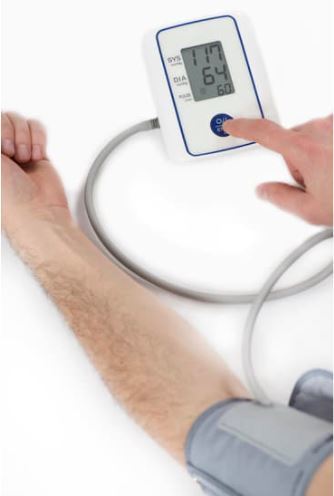
The three common types of blood pressure measurement are: Office/clinic (OBPM), home (HBPM), and ambulatory (ABPM). Office measurements can be affected by white coat hypertension or masked hypertension. Home and ambulatory measurements may negate this effect and are recommended as a method of verifying the diagnosis of hypertension or assessing the effects of medication and/or lifestyle changes. ABPM is the gold standard for out of office measurement, but it is underutilized for reasons such as cost, clinician’s unfamiliarity with the concept, and inconvenience to the patient. HBPM is therefore the most practical way for clinicians and patients to track patient progress toward goals.
|
The only way these recommendations produce meaningful information is if people get accurate results, made possible by using a validated device and correct technique.
HBPM should be done with a validated fully automatic device, preferably with a memory capacity of at least 30 readings, and ideally with blue tooth connectivity to allow sharing with the clinician. Here lies the glaring problem: the assumption that the patient purchases a validated device and knows how to use it.
Be part of the solution
A recent study of 3411 automated home blood pressure devices marketed globally indicated that 76% of them had no evidence of validation. Since it is imperative that patients start with a validated monitor, pharmacists in a retail setting can examine their stock and determine which devices to recommend based on the currently updated website Validated Devices. This listing contains home, office, and ambulatory devices and is periodically updated.
The 3-Minute extra Mile
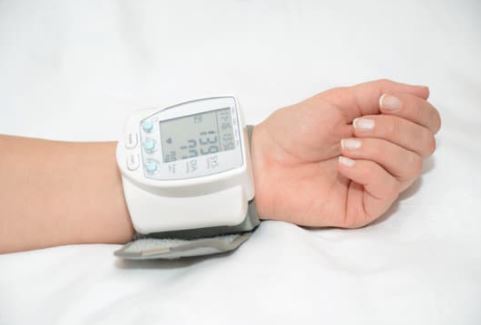
Take the time to evaluate the devices in your pharmacy, or those for sale elsewhere, so that you have several good choices to recommend based on the patient’s needs and budget. Make sure the cuff size is correct for the patient’s arm size. For very large arms a validated wrist device can be used, but special instructions are needed and available at Wrist cuff instructions. Train yourself and staff on the use of your preferred devices and furnish a patient handout. Here is an example of a customizable handout to get you started.
|
James Bennett BsPharm, CDCES, BCGP
Bozeman MT 59715
Please share with colleagues and encourage them to Click to subscribe
References
|