|
October 14, 2026
October is Firewood Month - Help Stop the Spread of Harmful Pests
Look for the MDA certified logo.
Firewood can carry harmful pests that threaten Minnesota’s trees. Invasive species like emerald ash borer, spongy moth, and Asian longhorned beetle have destroyed millions of trees across the United States. Even native pests, such as carpenter ants and bark beetles, can hitch a ride on firewood and cause problems for homeowners.
Take these simple steps to protect Minnesota’s trees:
Visit the MDA's Buying and Moving Firewood in Minnesota webpage for more information.
New Smarty Plants Episode - A Safe Food Supply is Common Ground
Smarty Plants is a podcast exploring invasive insects and noxious weeds that threaten Minnesota’s natural and agricultural resources.
Farmers have a great responsibility of feeding the world. A big part of ensuring the health and safety of our food supply is pest management on farms. Two farmers, Erin Stackhouse and Hannah Hernke from the organization CommonGround Minnesota, join us on this episode of Smarty Plants. They discuss the importance of pest management, the ways they manage pests, and the massive amount of work and planning that goes into it all.
Subscribe to Smarty Plants today so you don’t miss an episode!
We Want to Hear From You!
Do you have a question about plant health, pests, diseases, invasive species, or another plant-related topic? We’d love to hear from you!
Submit your questions and topic ideas. The form takes just a few minutes to complete, and your suggestion could help shape a future Plant Pest Insider article or Smarty Plants podcast episode.
In the Field: Searching High Tunnels for Invasive Vegetable Diseases
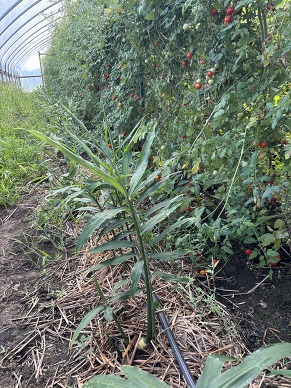
Ginger and tomato plants grown in high tunnels.
High tunnels are simple structures consisting of a plastic sheet over metal hoops, vents on the sides, and plants grown directly in the ground. Vegetable growers use high tunnels to protect sensitive crops from temperature and weather extremes. Inside the shelter of a high tunnel, growers can extend the season of cold sensitive crops like tomatoes, peppers, cucumbers, and melons. They can even add tropical crops such as ginger and turmeric to their production.
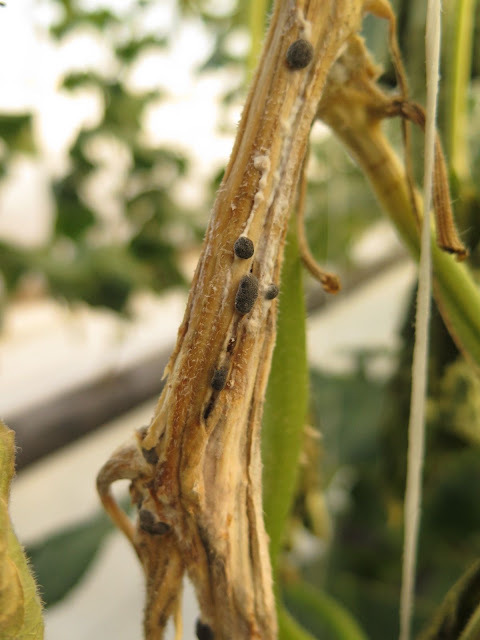
Two invasive plant pathogens have been found in Minnesota high tunnel vegetables in recent years. Ginger wilt is caused by the bacterial plant pathogen Ralstonia pseudosolanacearum. It was first found in Minnesota in 2023 and has since been found in five counties. Ginger wilt causes yellowing, wilting, and death in ginger and turmeric. The bacteria were able to infect and wilt tomato plants in a laboratory experiment, but tomato infection has not been observed on farms.
Tomato Brown Rugose Fruit Virus (ToBRFV) is an invasive plant virus that causes disease in tomatoes and peppers. It was identified in three Minnesota counties in 2023 and 2024. Both invasive plant pathogens can be brought onto a farm in infected seed that looks healthy. Once disease develops, the pathogens can spread easily on hands and tools. In one case, ToBRFV spread to 80% of a tomato crop, reducing the number of tomatoes produced and making the remaining tomatoes unmarketable.
During the 2026 high tunnel survey, the MDA visited 15 high tunnel farms in 11 counties. The ginger wilt bacteria were found on one farm. ToBRFV was not identified at any of the farms surveyed. Whenever an invasive plant pathogen is found, the MDA works with the affected growers to confirm the identity of the plant pathogen and identify management steps that can help prevent its spread and survival.
October Weed of the Month: Autumn Olive
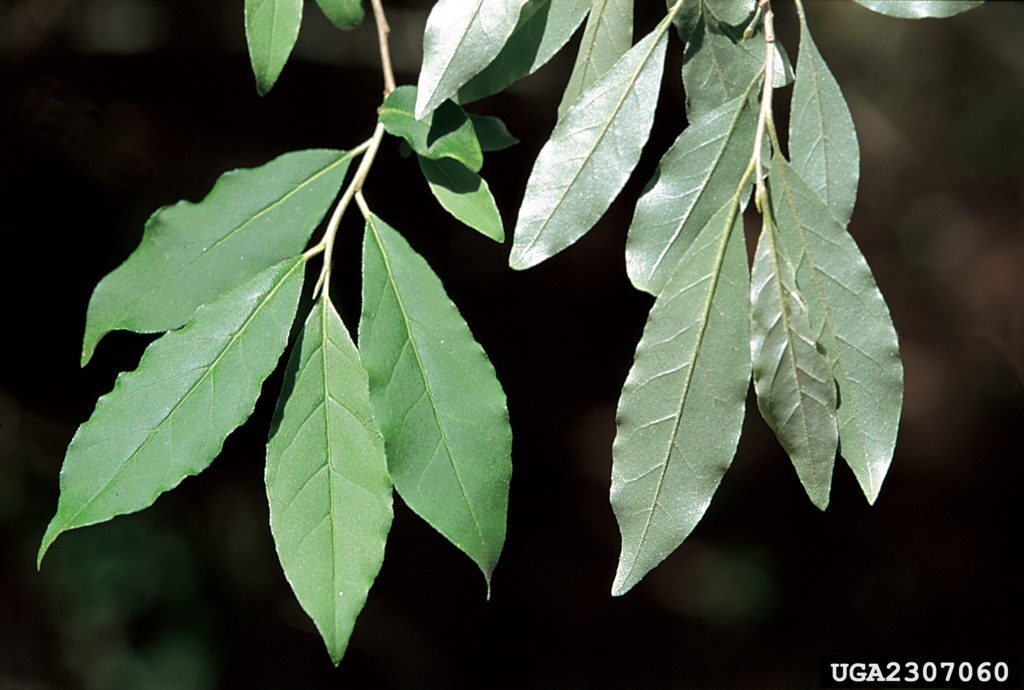 Autumn olive leaves are a grayish-green on top with silvery scales underneath. Photo by James Miller, USDA Forest Service, via bugwood.org.
A single autumn olive plant can produce 60,000 fruits each year
By Julia Dellick, Minnesota Department of Agriculture: Autumn olive (Elaeagnus umbellata) is a large, fast-growing, invasive, deciduous shrub. It was introduced to the United States in the 1800s and became a popular ornamental plant due to its attractive foliage and showy flowers. The plant was then used for windbreaks, erosion control, wildlife habitats, and forest restoration as it grows quickly and can tolerate poor quality soils. Unfortunately, since autumn olive easily spreads and invades fields, forest edges, roadsides, and other disturbed areas, it is no longer recommended for these purposes. Read more
Explore the Minnesota Grown Directory
Autumn is here and it’s the perfect time to enjoy locally grown sweet corn, pumpkins, and other seasonal favorites. The Minnesota Grown Directory connects you with farmers markets, farm stands, orchards, pumpkin patches, and other local producers throughout the state.
Find fresh, locally grown products while supporting Minnesota farmers and growers. Visit MinnesotaGrown.com to explore the directory and find Minnesota-grown favorites for your fall season.
|