|
Welcome to the first week of the Stop Food Waste Challenge! This week we will focus on understanding our own habits and planning ahead to prevent wasted food. First steps to reducing food waste include knowing what food went to waste and why and using that information to change how you plan meals and shop for groceries.
Nearly 40% of food in the U.S. is wasted. It’s not just a problem for farmers, stores or restaurants, about half of all food waste happens at home. For a family of four, that can add up to more than $2,500 in wasted food every year!
It’s not just a waste of money. Wasting food also wastes the water, fertilizer, land, and labor needed to get that food from the fields to your table.
Get to know what you throw
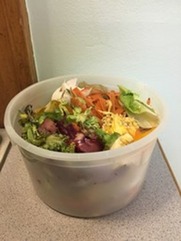
While no one likes wasting food, we often don’t realize how much uneaten leftovers or spoiled fruit adds up. That’s why simply tracking what food goes to waste and why can have the greatest impact on your kitchen habits. Knowledge is power!
Throughout the challenge – or at least for this week – track the food you could have eaten but did not.
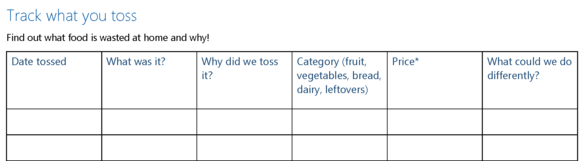
Every time you throw out half an apple, leftovers, plate scrapings, spoiled produce, or other food, jot it down on your food waste tracking worksheet (DOCX) and reflect on how you could avoid wasting food in the future.
|
 To get a complete understanding of food waste in your household, we also recommend conducting a fridge, freezer, and pantry cleanout to assess what food you have in your home that you are unlikely to eat.
Discover the root cause of wasted food
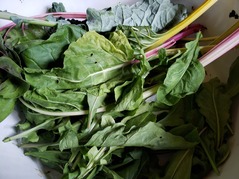
Make sure to think carefully about the reason your food went to waste.
For example, it’s probably not just that the food spoiled. Did it spoil because:
- You purchased too much of it?
- It got lost and forgotten in your fridge?
- You bought something you "should" eat, but never found yourself reaching for it?
The more you dig into the root cause of why the food was wasted, the better you’ll be able to come up with effective solutions.
Calculate the cost
Wasted food is wasted money. You’ll likely be amazed at how the cost of food waste here and there adds up over time.
Keep the receipts from your grocery trips and restaurant meals to help calculate the cost of the food that goes to waste. When you add items to your food waste tracking spreadsheet, check your receipts and estimate how much that wasted food cost.
Report your findings and be entered into a prize raffle
Once you’ve spent some time tracking and assessing food waste in your household, submit your findings by completing the food waste tracking survey.
Everyone who submits their data and a reflection on what they could do differently to reduce food waste by Friday, August 9 will be entered into a drawing to win a prize*!
|
Take action
Ready to find out why food goes to waste in your household? Choose the action: Track my wasted food in the planning category.
Stop Food Waste Challenge tips
Throughout the challenge, we'll provide you tips for how to use the EcoChallenge web platform, which powers the Stop Food Waste Challenge, to help you make the most of your experience.
To make it easier to access the challenge webpage for reporting and sharing:
- Bookmark the page or add it to the home screen on your phone - see Add to Home Tutorial (PDF) for instructions
- Save your password so you don’t need to remember it each time
*Ramsey County and Washington County employees and their immediate relatives are not eligible to receive a prize.
Wednesday, July 31: Tips for getting started with the challenge
Thursday, August 1: The challenge starts today!
|





