|
Aug. 22, 2025
Elk, also called wapiti in Shawnee and Cree, heȟáka in Lakota, and omashkooz in Ojibwe, roam in three herds in Minnesota. This newsletter is all about Minnesota elk!
Testing out new tech to locate elk
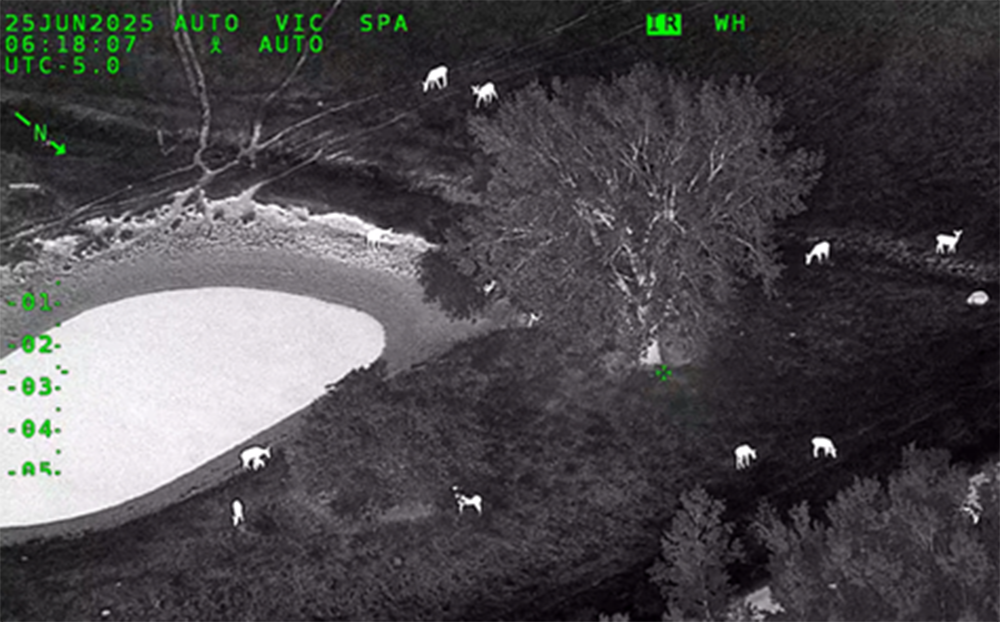 The Minnesota DNR recently acquired a Cessna 206 equipped with a high-tech camera that will be utilized for search and rescues, fire detection, enforcement activities and wildlife surveys.
The camera has multiple lenses allowing for both color and infrared viewing of the landscape. Additionally, mapping and mission software allows for real-time mapping of wildfire perimeters, recording animal locations, delineating habitat project boundaries, and many other things.
DNR staff have been busy testing out the capabilities of the camera and learning how to apply it to future wildlife surveys and research, including flying elk transects and locating cow moose with calves.
So far, the camera’s infrared capabilities have proven to be a powerful tool in locating and identifying wildlife. The plan this winter is to use the Cessna 206 and new camera in conjunction with the standardized aerial elk surveys to compare methods, with the ultimate goal of improving the aerial survey and elk population estimates.
|
Ways to manage elk habitat
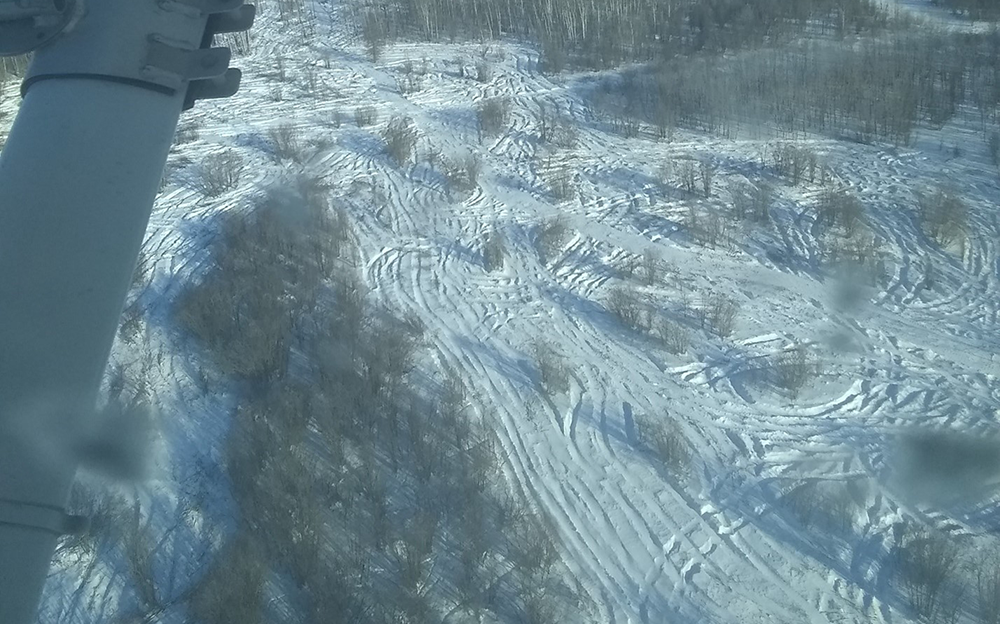 Above, the area after mowing showing how clumps of brush were left behind to provide areas of wildlife cover; below, the area showing growth after a year.
Much of elk range in northwest Minnesota is composed of tallgrass aspen parklands, a habitat type that is accustomed to frequent disturbances such as wildfire, which keeps the plant community in an early successional state. Since wildfires are now much less frequent, brush encroachment and, in some cases, invasive species have replaced the prairie-like components of the ecosystem.
One tool that the DNR uses to create and maintain early successional states is brush mowing. This consists of mowing areas dominated by large, dense stands of willow to expose the ground to sunlight. This results in a flush of forbs, grasses and young willows which provides a year-round food source to not only elk, but numerous other species of wildlife that occur in northwest Minnesota.
The DNR and many partners work together to manage 750-plus acres of brush each year throughout elk range to keep the habitats and wildlife healthy.
|
Check the elk hunt lottery results
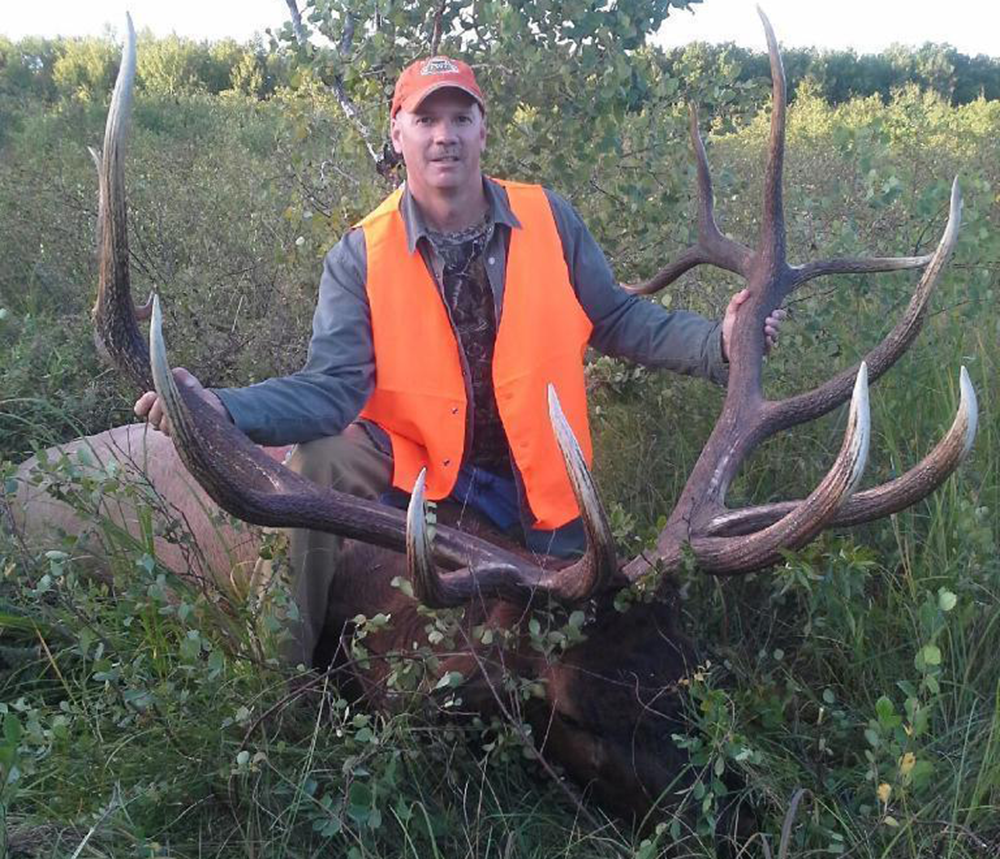 Did you apply for an elk hunting license? If so, you can check if you were selected for a license on the DNR website.
There were four elk licenses offered this year by the Minnesota DNR. This is a once-in-a-lifetime hunt for Minnesota residents. Given the reduction in available state permits this year, no tags will be available for the 10-year application history pool or for eligible agricultural landowners who reside within elk range.
There are currently three recognized herds in northwest Minnesota: Grygla, Kittson Central and Caribou-Vita. The Grygla area zone remains closed to state-licensed elk hunters, and this year the Kittson Central zone will also be closed to state-licensed hunters.
The Minnesota DNR reduced opportunities for elk harvest this year to make sure Minnesota’s elk populations continue to thrive, as we discussed in the prior edition of Elk Notes. The number of permits available is based on the lower-than-expected number of elk counted during the 2025 aerial flights and recent trends in population growth. More details about elk hunting are available on the DNR website.
Elk facts: calves losing their spots
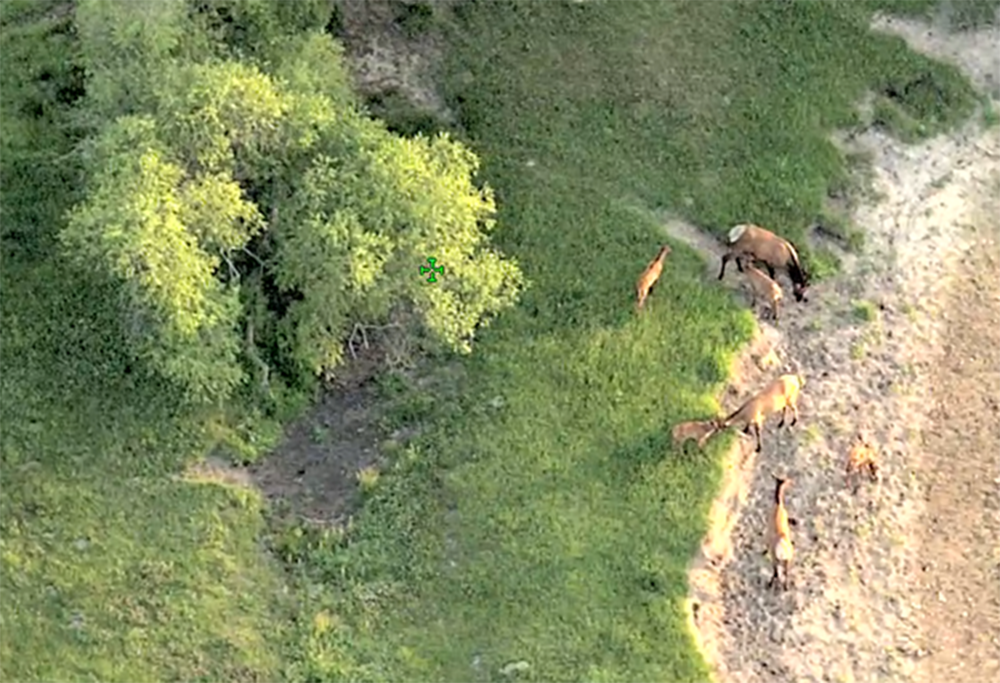 Elk calves are born each year from late May into early June. These calves will live with their mother in groups (herds) with other cows and calves, as this offers some protection against predators. During spring and summer, herds of cows and calves usually stay separate from the bulls. Calves will typically form small groups (nurseries), with other calves and engage in in playful behavior, such as running, jumping and sparring. Their spotted coats are now starting to fade, which happens each year when they’re around 2 to 3 months of age. They will continue to rapidly gain weight and increase significantly in size.
|