Is it raining where you are? If so, it may be cause for celebration. Yes, really. As discussed in the latest Browntail Moth Update, and in the Press Herald article below, cold rainy days this time of year means the potential for fewer browntail moths this summer! If you are seeing BTM larvae in your area that are diseased or dead, you can report those findings on our website. Here's to an itch-free summer! (It’s also perfect tree planting weather - hint, hint!)
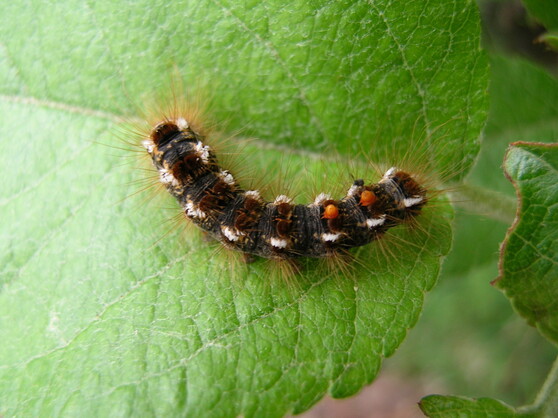 Press Herald - The cold, damp and rainy start to June could mean fewer itchy rashes in the weeks to come.
Such weather is ideal for the proliferation of a fungus that can knock back browntail moth caterpillar populations.
Thomas Schmeelk, an entomologist with the Maine Forest Service, said he saw many caterpillars that had been killed by the fungus Monday as he was observing conditions at Eagle Island off Harpswell.
And while islands have micro-climates that may not be replicated on the mainland, the three days of steady rain that started Friday may have produced the right conditions to curtail populations of the pesky caterpillars, whose near-microscopic hairs cause an itchy rash when they contact human skin. Read more...
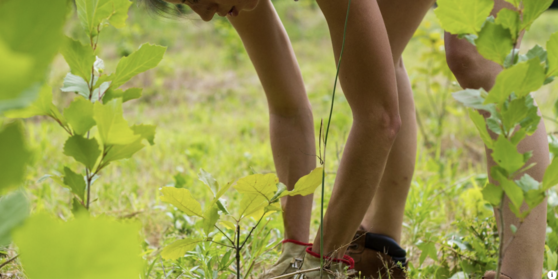 Nature.org - Planting forests with diverse species can help ensure their success, according to a new study published May 18 from the Smithsonian Environmental Research Center (SERC) and The Nature Conservancy. The study is the result of a decade of research from BiodiversiTREE, a large-scale reforestation project at SERC designed to run 100 years, testing the effects of different tree planting strategies on sapling survival and other ecosystem functions.
Forests are naturally diverse, and this diversity of plant species brings an array of benefits: pest and disease resistance, resilience to climate change and increased wildlife habitat. However, nearly all forest plantations, and some restoration projects, are planted as monocultures—where a single plant species is grown on the land. This practice leaves both managed and unmanaged forests ecologically and economically vulnerable to changing conditions. Another disadvantage of monocultures is the risk of planting failure—where a sapling fails to thrive—and early mortality.
Hundreds of scientific studies have shown that biodiversity enhances ecosystem function, suggesting that diversity in tree plantings could improve their survival outcomes. Yet there have been few tests of this hypothesis on trees. Scientists designed BiodiversiTREE to test whether tree diversity impacts ecosystem function—the largest experiment of its kind in North America. Read more...
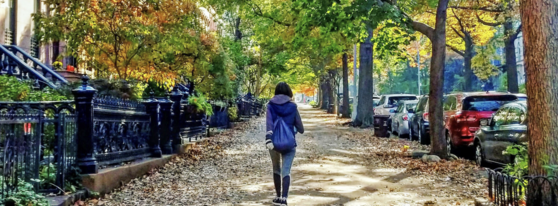 Mongabay - Urban green spaces — parks, gardens and other green areas where people can go to enjoy some fresh air — are more than just pretty places to relax. New research shows they have a significant role in the fight against climate change through the sequestration of carbon.
The study, published in March in the journal Nature Climate Change, highlights the importance of parks in the context of climate change by showing that urban parks and green spaces throughout the world store similar amounts of carbon in their soil to natural regions close to cities. Even though, globally, the total area of urban green spaces is much smaller than that of natural ecosystems, the role of urban green spaces in carbon storage could help support the efforts of cities to mitigate their carbon footprint through natural climate solutions. Read more...
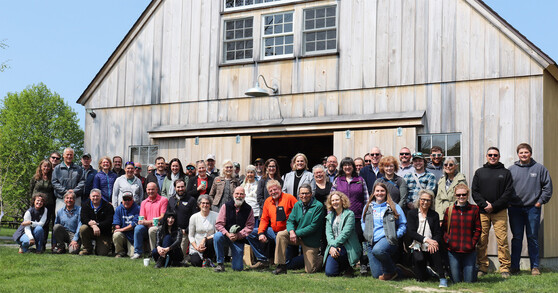 Augusta, Maine – Last month, the annual Arbor Week Awards Ceremony occurred at Viles Arboretum in Augusta. This event, coordinated by the Department of Agriculture, Conservation and Forestry's (DACF) Project Canopy, Maine's Urban and Community Forestry Program led by the Maine Forest Service (MFS), recognizes and honors outstanding contributions to tree conservation and sustainable forestry practices throughout the state.
DACF Commissioner Amanda Beal expressed her gratitude and admiration for the outstanding efforts of urban forestry stewards during her remarks at the event. Commissioner Beal acknowledged their incredible work, emphasizing the group's unwavering dedication and expertise in preserving and nurturing green spaces. Read more...
Bark Bits
UNE receives second Project Canopy grant to develop arboricultural management plan
Combat the Invasive Spotted Lanternfly
The D.C. Region’s Ash Trees Are Dying Off. This Project Is Documenting The Few Groves Still Living
June 8 - 2023 Summer Tree Summit, UMass
June 15-17 - Forest Health and Pest Workshop with Maine Forest Service Entomologists
June 18 - Maine Resident Day - Maine State Parks and Historic Sites
June 22 - Chop and Drop Fisheries Habitat Enhancement Training - Houlton
|