|

Open Enrollment Begins October 1
All rates and plan design decisions are made annually by the State Employees Health Care Commission (HCC). At the June meeting, the HCC voted to implement the following changes for Plan Year 2027.
Plan Changes
PLAN A
- Plan A Calendar Year Deductible will increase from $1,000 Individual/$2,000 Family to $1,250 Individual/ $2,500 Family.
- Plan A Calendar Year Out-of-Pocket Maximums will increase from $5,250 Individual/$10,200 Family to $5,500 Individual/$11,000 Family.
- Eliminate the Special Case Pharmacy Tier.
PLAN C
- Plan C Calendar Year Single Coverage Deductible will increase from $2,750 Individual to $2,900 Individual.
- Plan C Calendar Year Deductible for member plus dependent coverage will increase from $3,400 Individual/$5,500 Family to $3,500 Individual/$5,700 Family.
- Plan C Calendar Year Out-of-Pocket Maximums will increase from $4,500 Individual/$9,000 Family to $4,750 Individual/$9,500 Family.
PLAN N
- Plan N Calendar Year Single Coverage Deductible will increase from $2,750 Individual to $2,900 Individual.
- Plan N Calendar Year Deductible for member plus dependent coverage will increase from $3,400 Individual/$5,500 Family to $3,500 Individual/$5,700 Family.
- Plan N Calendar Year Out-of-Pocket Maximums will increase from $6,550 Individual/$13,300 Family to $6,900 Individual/$13,800 Family.
PLAN J
- Plan J Calendar Year Out-of-Pocket Maximums will increase from $7,350 Individual/ $14,700 Family to $7,600 Individual/$15,200 Family.
Differential Medical Rates Are Returning
The HCC voted to implement differential medical rates after reviewing the bid received from Blue Cross Blue Shield of Kansas (BCBSKS), which was higher than Aetna’s bid.
Aetna members will see no change to their employee payroll deductions in 2027.
BCBSKS members will see a 10% increase in employee payroll deductions in 2027.
Note: All SEHP Plans cover the same services, regardless of whether you select Aetna or BCBSKS.
Dental Rate
Employee only dental rate remains covered in full by the employer. The dependent portion of the dental rates will increase by 3.3%.
|
|
 Request a Printed Open Enrollment Guide
Once again, the SEHP will be producing a pdf of the 2027 Open Enrollment guide for all members. This file will be available on the SEHP website by mid September.
Should members want a printed copy mailed to them, they will need to request a copy by completing this web form by July 31, 2026. All members will receive an email the second week of July with the request link.
|
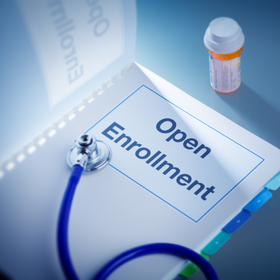 Plan Year 2027 Open Enrollment Approaching
Open Enrollment is just around the corner, and now is the time to start reviewing your benefit options and considering any changes for the upcoming plan year.
Take time to learn about plan updates, compare available benefits, and gather any information you may need before enrollment begins. Being prepared can help you make informed decisions and ensure your coverage meets your needs for the year ahead.
|
|

Emergency room visits for tick bites are increasing across the Midwest, with CDC data showing the highest rates for this time of year since 2017. Health experts warn that ticks can spread serious illnesses, including Lyme disease, Rocky Mountain spotted fever, and alpha-gal syndrome, a condition that can cause a red meat allergy.
Contact your healthcare provider if you develop a rash, fever, body aches, or other flu-like symptoms after a tick bite. Early treatment can help prevent complications from tick-borne illnesses such as Lyme disease and Rocky Mountain spotted fever.
When spending time outdoors, use insect repellent, wear long sleeves and pants when possible, perform tick checks after being outside, and remove attached ticks promptly. Read CDC Tick Bite Prevention Guidance to learn what you can do to stay protected.
|
|
 Don't Leave Money on the Table: Check Your FSA Balance
We're halfway through the year, making it a great time to review your Flexible Spending Account (FSA).
Check your account balance, monitor your healthcare and dependent care expenses, and make sure you're taking advantage of your pre-tax benefits.
Planning ahead now can help you avoid surprises and maximize your FSA dollars by year's end. Read more or watch a video.
|
 Mid Year Qualifying Events: When You Can Make Changes
Most benefit elections can only be changed during Open Enrollment, but certain life events may allow you to make updates during the year. Events such as marriage, divorce, birth or adoption of a child, or loss of other coverage may qualify you for a mid year benefit change.
Remember, you typically have 31 days from the date of the event to submit your enrollment changes. Read more or watch a video.
|
|
 SOURCE: U.S. CENTERS FOR DISEASE CONTROL AND PREVENTION (CDC), "HEAT AND CHRONIC CONDITIONS" AND "ABOUT HEAT AND YOUR HEALTH."
Heat Can Make Existing Health Conditions Worse
Extreme heat doesn't just cause heat exhaustion and heat stroke, it can also worsen existing health conditions.
According to the U.S. Centers for Disease Control and Prevention (CDC), hot weather places additional stress on the body and can aggravate conditions such as heart disease, asthma and other respiratory illnesses, poor circulation, obesity, and certain mental health conditions.
The CDC also notes that some medications can increase heat sensitivity, making it even more important to stay hydrated, limit outdoor activity during the hottest parts of the day, and talk with your healthcare provider about any concerns.
|
|
Importance of Hydration
The body cannot store water, so we need fresh supplies every day to make up for losses from the lungs, skin, and urine. The amount we need depends on several factors, including our body size, metabolism, the weather, the food we eat, and our activity levels.
Not drinking enough fluids can lead to dehydration, which may reduce alertness, concentration, concentration at work, the quality of our work, and even our personal safety and that of others around us. The type of work we do affects our requirements for water. Read more about the importance of hydrating.
|
|
 SOURCE: INFORMATION ADAPTED FROM THE AMERICAN ASSOCIATION FOR CLINICAL CHEMISTRY, CENTERS FOR DISEASE CONTROL AND PREVENTION, AND MAYO CLINIC.
|
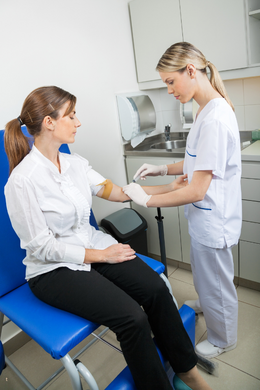
Make Your Next Blood Test Easier
Blood tests are an important tool for monitoring your health, and a few simple steps can make the experience easier.
- Drink plenty of water before your appointment unless your provider has instructed you to fast, as staying hydrated can make veins easier to find.
- Wear a short-sleeved or loose-fitting shirt for easy access to your arm.
- Let the technician know if you've felt lightheaded during blood draws in the past.
Following your provider's instructions and arriving prepared can help ensure a smooth visit and accurate results.
The SEHP provides Preferred Lab Benefits through Stormont Vail Health Care, QuestSelect and The University of Kansas Health Medical System.
|
|
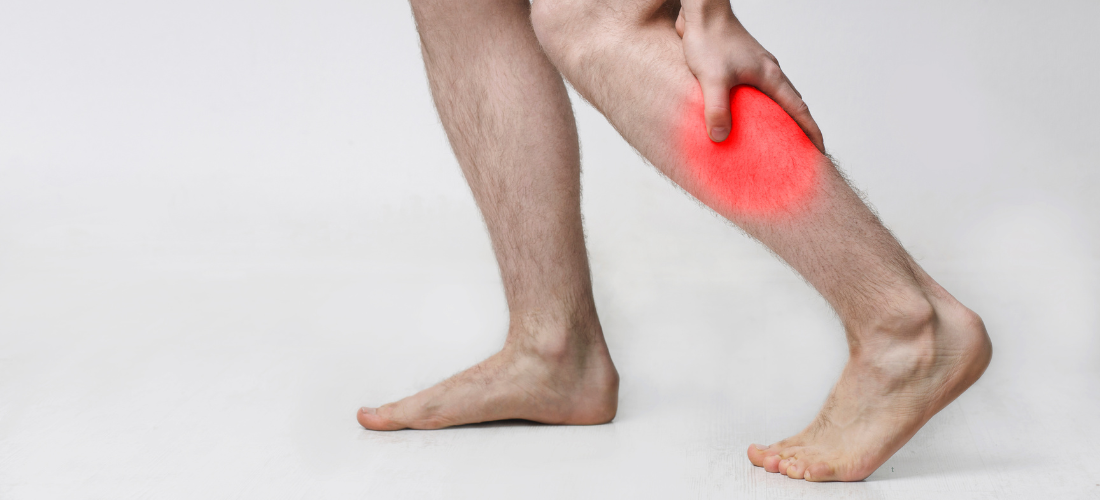
Leg cramps can have many causes, and what helps depends on when they're happening and whether there's an underlying condition.
Learn what you can try right away, common causes, when to contact a doctor and when to seek emergency care.
|
|
 Hot Weather and Your Medications: What You Need to Know.
Summer temperatures can do more than make you uncomfortable, they can also affect how certain medications work and increase your risk of heat-related illness.
Some medications can make it harder for your body to cool itself, increase dehydration, or make your skin more sensitive to sunlight. When temperatures rise, it's important to understand how your medications may affect your ability to stay safe in the heat.
Learn more about medications that may increase heat sensitivity, warning signs of heat-related illness and tips for staying safe.
|
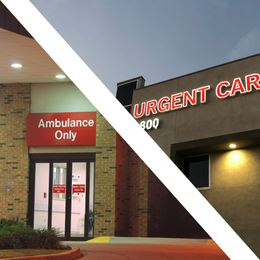 Know Where to Go: Emergency Room vs. Urgent Care
Whether you belly flopped at the pool, grabbed a questionable gas station hot dog on your way out-of-town, or took a tumble on a hiking trail, summer adventures can sometimes result in injuries or illnesses that require medical attention.
Knowing where to go when you need medical care can save you time and money.
Learn more about the differences between emergency rooms and urgent care centers so you can choose the right level of care when you need medical attention.
|
|
|
|
|