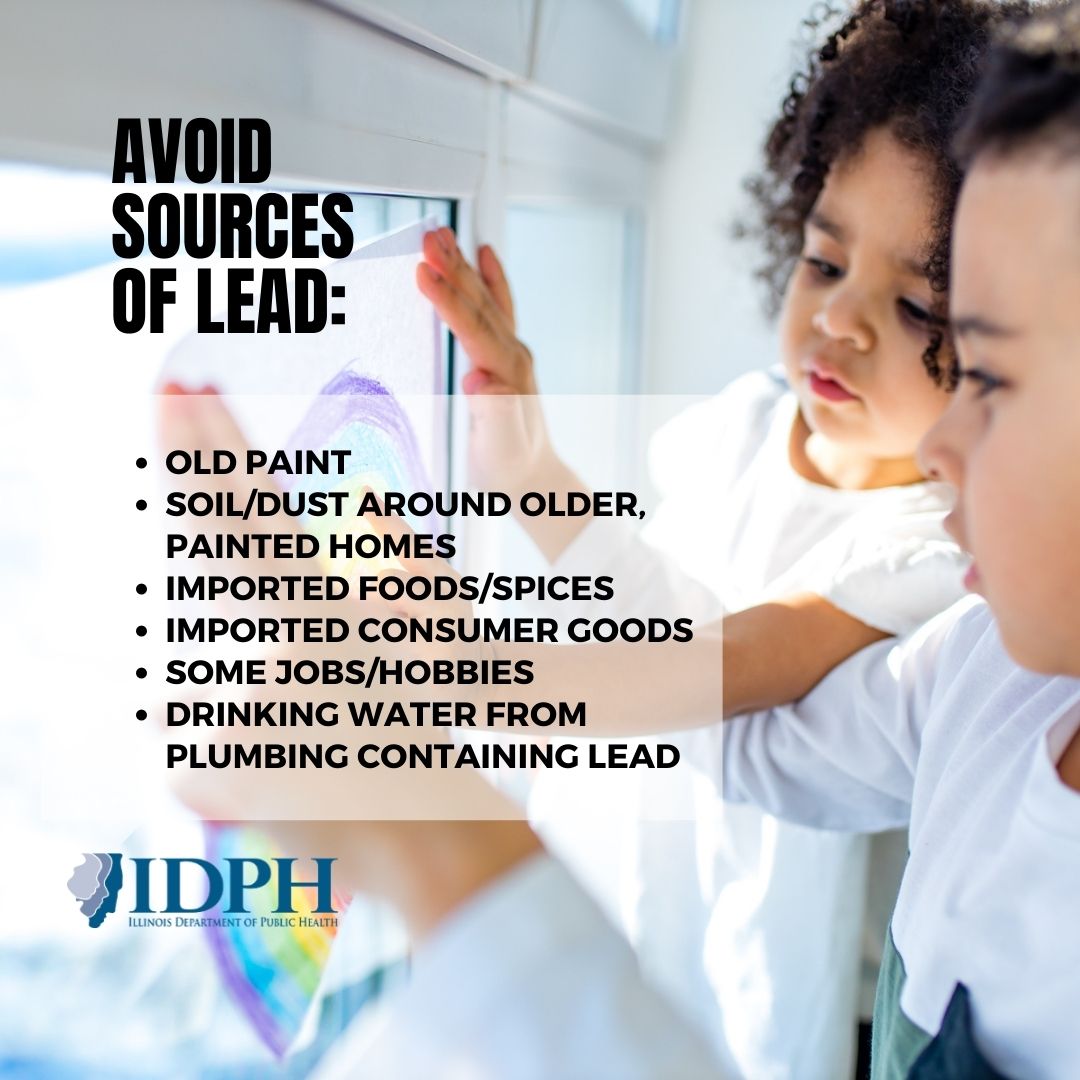
The Illinois Department of Public Health announced that as of July 1, universal childhood blood lead testing is now in effect, expanding to all children in Illinois rather than only to those in “high-risk ZIP codes.” All Illinois children are to be tested automatically at 12 and 24 months. All children six years of age and younger are required to be assessed for lead exposure through a questionnaire administered by a health care provider.
Lead is a toxic metal that is harmful if inhaled or swallowed. Lead poisoning can affect a child’s health, including their brain, nervous system, hearing, speech, learning ability, and behavior. Children six years old and younger are at greater risk of lead exposure because they are more likely to put their hands and objects in their mouths. They can ingest lead dust by mouthing toys, soil, and other contaminated items. More information on lead exposure can be found on IDPH’s Lead Poisoning Prevention page.
For more information on childhood lead poisoning prevention, visit the Health Department’s Childhood Lead Prevention program.
|
A mosquito “pool” (batch of mosquitoes) sampled on June 16, 2026, in Buffalo Grove by the Village of Buffalo Grove’s trap has tested positive for West Nile virus. This mosquito pool is the first confirmed indicator of West Nile virus presence in Lake County in 2026.
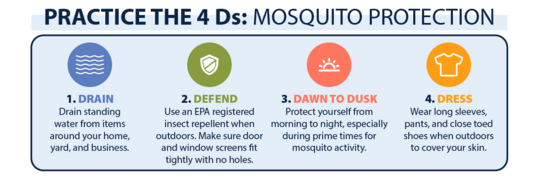 Most people infected with West Nile virus have no symptoms of illness. However, some may become ill, usually 3 to 15 days after the bite of an infected mosquito. Common symptoms include fever, nausea, headache, and muscle ache. In some individuals, severe illness including meningitis or encephalitis, or even death, can occur. People older than 50 and individuals with weakened immune systems are at higher risk for severe illness from West Nile virus.
Find more prevention tips and information on West Nile virus at FightTheBiteNow.com.
 We are proud to share that this year's Operation Dropbox saw a 66% increase in donation sites and a 68% increase in total donations. In total, the Lake County Health Department collected 6,864 lbs. of donations across 65 donation sites throughout the month of May, along with $1,020 in gift cards.
This donation drive supports local veterans and their families through Veterans Path to Hope (VPH). VPH is a nonprofit dedicated to providing housing, employment assistance, peer support, caregiver training, and counseling to veterans experiencing homelessness.
Thank you to everyone who donated, volunteered, and helped make this year’s Operation Dropbox a success for local veterans and their families!
Read the full press release for more information.

We are sad to announce the passing of Dr. Mary Ross-Cunningham, our Lake County Board Vice-Chair and Governing Council member. Mary passed away after more than two decades of distinguished service to the residents of Lake County. She will be remembered for her strength, fearless persistence and unwavering optimism, qualities that made her an exceptional leader and a lasting inspiration to those who had the privilege to know her and serve alongside her.
Full statement on her passing.
|
 |
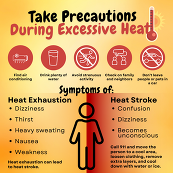
High Heat
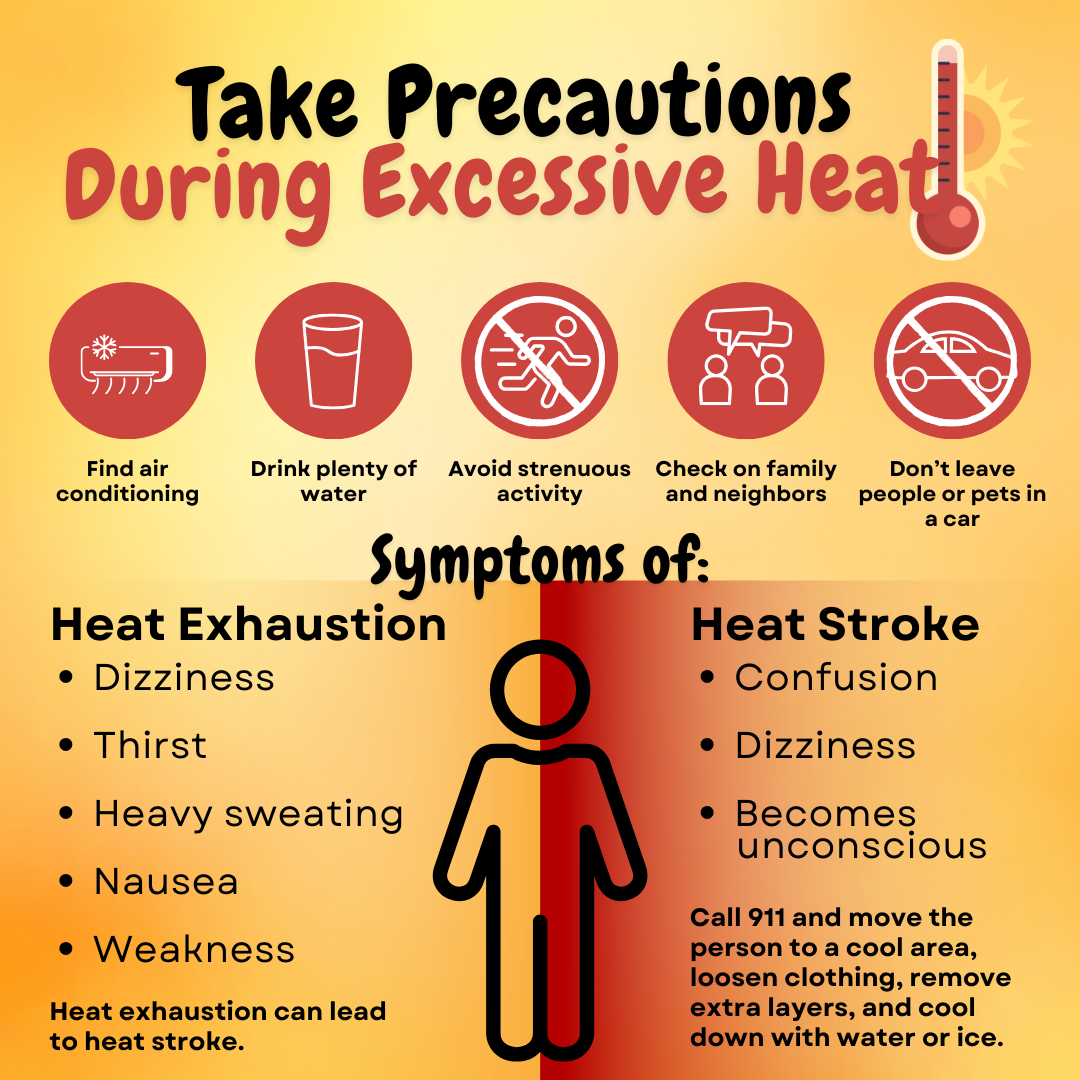
July started off extra hot! When high temperatures are in the forecast, it is important to know how to stay cool and recognize the signs of heat-related illness. If you or someone you know does not have access to air conditioning, you can find a list of cooling centers in Lake County near you.
Protect yourself and your loved ones by:
- Keeping yourself and your pets hydrated
- Staying in cool areas
- Dressing appropriately and wearing sunscreen
- Never leaving people or pets in the car
Visit the CDC for more ways to keep your cool in hot weather and about Heat and Pets.
|
|

Preparing and Serving Food
Summer is traditionally a big time for grilling and gatherings, especially during the Fourth of July holiday. When preparing and serving food outdoors, keep meat, poultry, and seafood refrigerated until you are ready to grill them. Use a meat thermometer to ensure food is cooked to a safe temperature. Refrigerate or freeze leftovers within two hours of cooking.
Check out this infographic for more information about how to grill safely.
|
|
|

Fireworks
Fourth of July is always associated with fireworks. They are beautiful to behold but can also cause serious injury. Every year, thousands of people require medical treatment due to fireworks-related incidents. Did you know that in Illinois it is illegal to possess, purchase, or use consumer fireworks? However, Illinois does allow novelty fireworks such as sparklers and smoke devices.
Practice fireworks safety by:
- Never using illegal or homemade fireworks
- Never letting young children handle fireworks
- Never using fireworks while impaired by drugs or alcohol
- Using legal fireworks in open outdoor spaces
- Keeping a fire extinguisher nearby
- Considering an alternative to sparklers (glow sticks)
Visit the National Safety Council for more fireworks safety tips.
|
|

Gatherings and Events
Whether you are attending a fair, festival, sporting event, or concert this summer, keep your health and well-being in mind. These events can draw large crowds and, coupled with summer weather, create an environment that poses health risks.
Have a safe and healthy summer by:
- Staying home if you are sick
- Washing your hands often with soap and water; if not available, use hand sanitizer
- Staying cool and hydrated
- Using sun protection
- Eating and drinking responsibly
- Protecting your hearing in loud spaces
- Paying attention to your surroundings
Visit the CDC for more tips for travelers and event attendees.
|
|
 July is Lakes Appreciation Month! Lake County is home to beautiful scenery, especially its lakes. There are 175 inland lakes and 25 miles of Lake Michigan shoreline. Our Ecological Services team is in the field almost every day to ensure our lakes can be enjoyed for generations to come. Our lakes are monitored to maintain and improve water quality and ecological diversity, as well as to promote healthy and safe lake conditions for swimming and recreation.
Planning on spending some time at a lake? Before heading out, check our Beach Monitoring and Advisories page and make sure the water is safe to swim in. Checking takes just a few seconds and can help protect you and your loved ones from harmful bacteria. Visit our Ecological Services page for more information.
Make sure to follow us on our social media sites (Facebook and Instagram) throughout July as we share more about the lakes in Lake County!
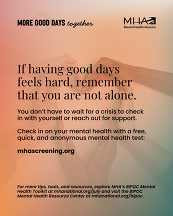
National Minority Mental Health Awareness Month
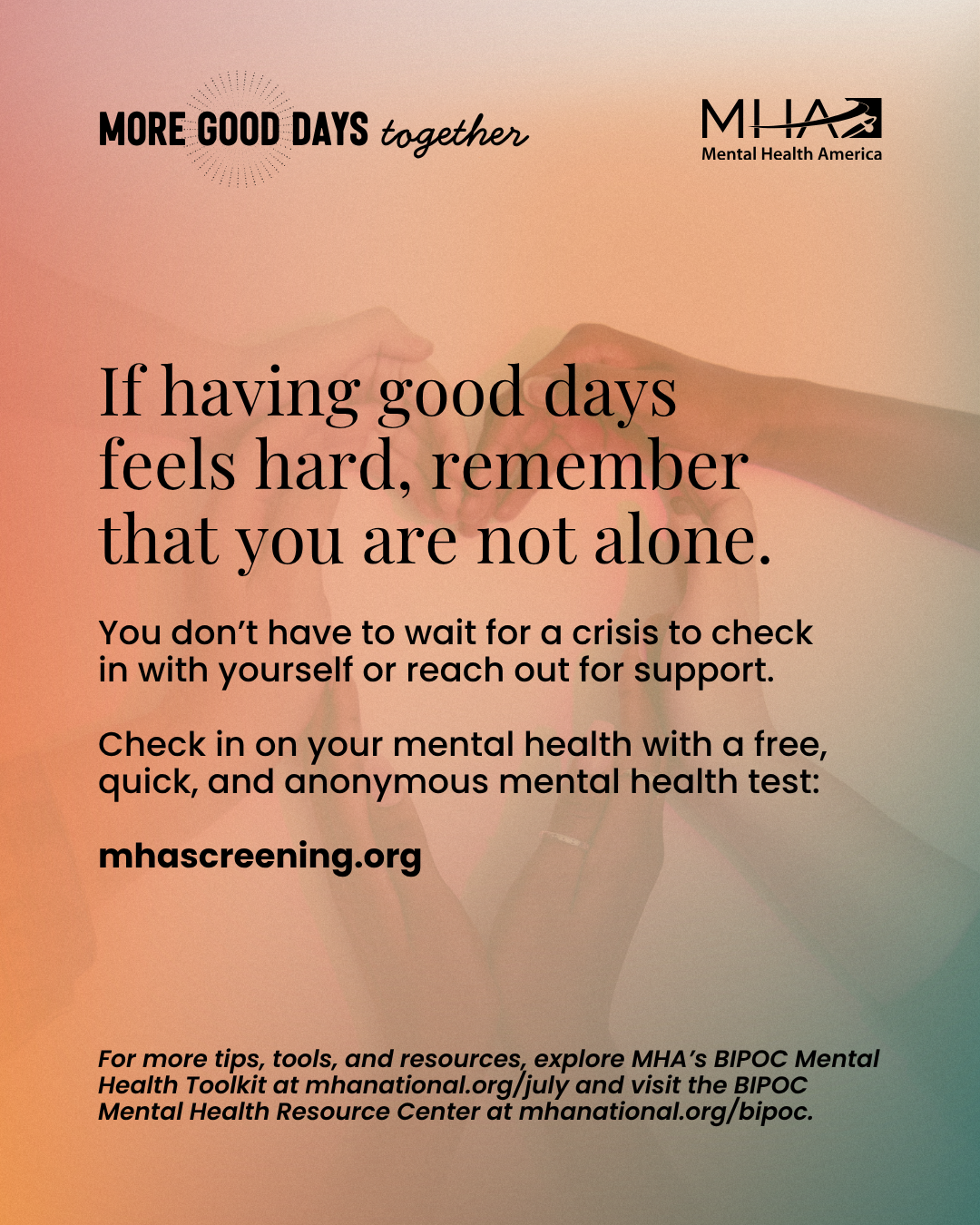
July is National Minority Mental Health Awareness Month, a time to bring awareness to the challenges that some racial and ethnic minority groups face regarding mental health.
Mental health is just as important as physical health at all stages of life. It affects how we think, feel, act, handle stress, relate to others, and make choices. If you are experiencing a mental health crisis, call our Crisis Care Program to speak with a counselor at (847) 377-8088 or by walking in at 3002 Grand Avenue, Waukegan. We are here for you 24 hours a day, 7 days a week.
|
|
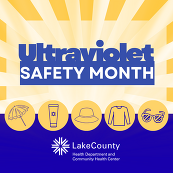
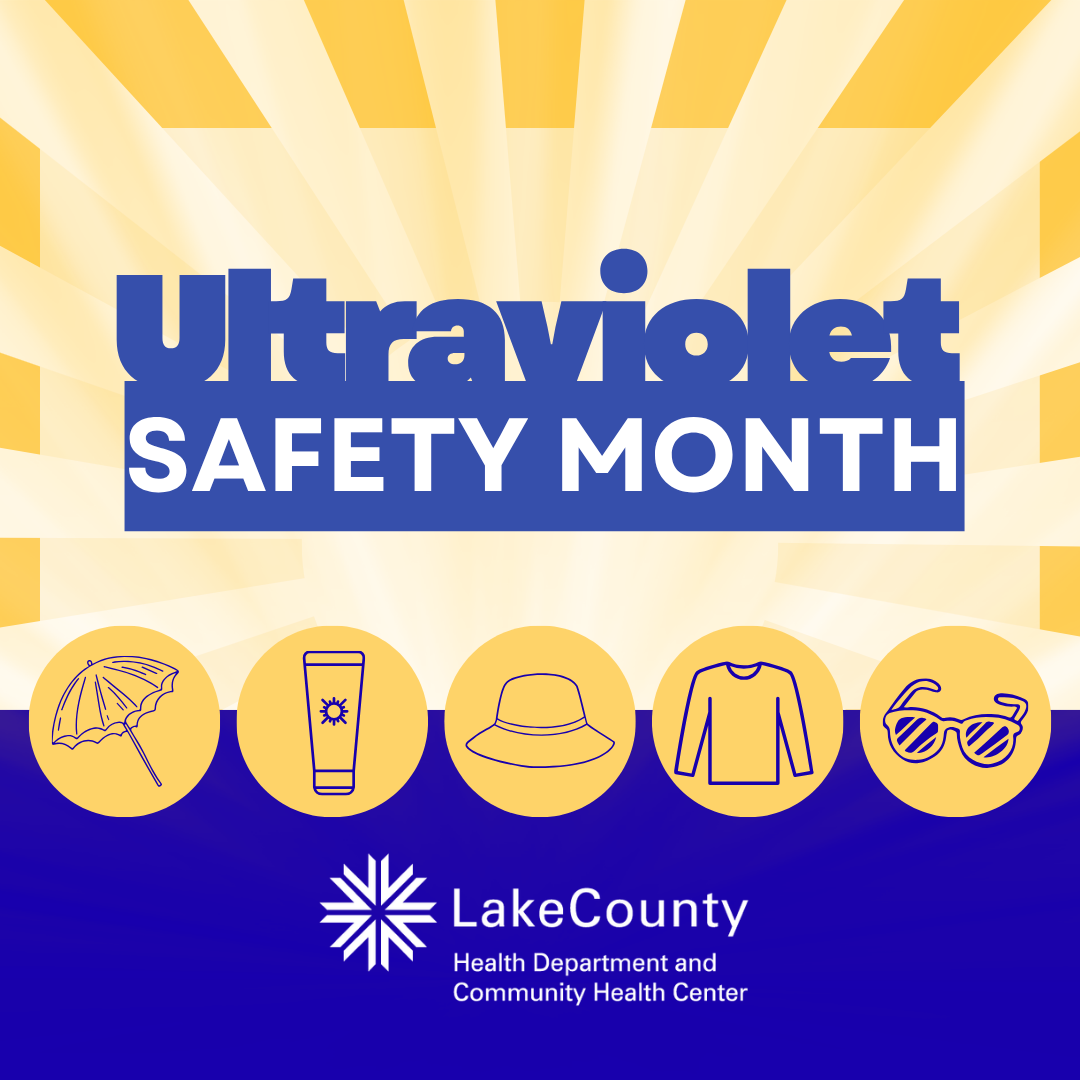
Ultraviolet (UV) Safety Month
Spending time outdoors is a great way to be physically active, reduce stress, and get vitamin D. UV Safety Month serves as a reminder of the importance of protecting our eyes and skin from UV rays when outdoors. Protecting yourself from UV rays is extremely important, as most skin cancers are caused by too much exposure.
If the UV index is 3 or higher in your area, protect your skin from too much exposure to the sun by:
- Staying in the shade under an umbrella, tree, or other shelter.
- When possible, wearing long-sleeved shirts and long pants and skirts. Clothes made from tightly woven fabric offer the best protection.
- Wearing a hat that has a brim all the way around that shades your face, ears, and back of your neck.
- Wearing sunglasses to protect your eyes and reduce the risk of cataracts.
- Putting on broad-spectrum sunscreen that filters out UVA and UVB rays and has an SPF of 15 or higher before you go outside; reapplying after 2 hours of swimming, sweating, or toweling off.
Watch this video and learn how to protect yourself from UV rays.
|
|
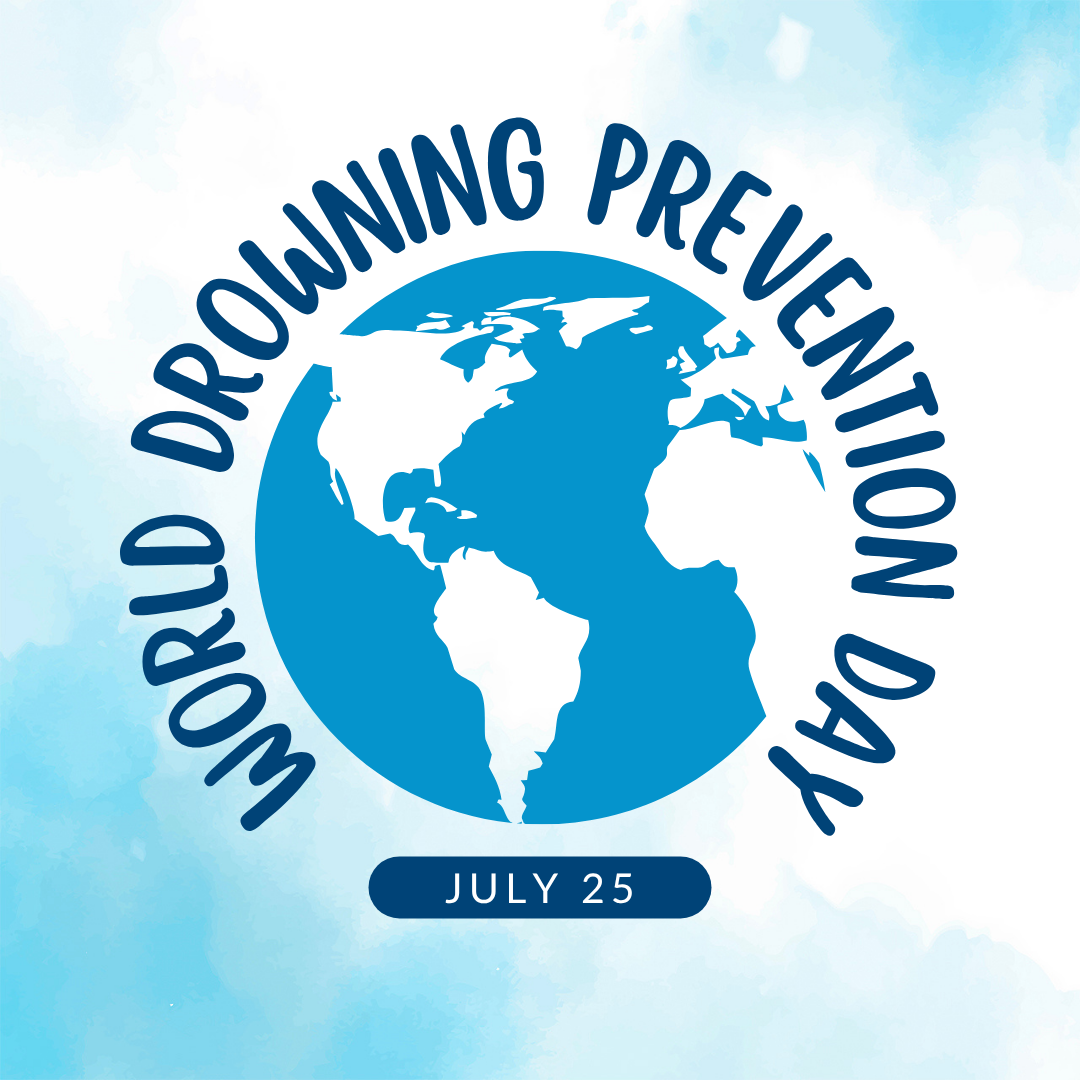
World Drowning Prevention Day
An estimated 236,000 people drown every year, with drowning as the fourth leading cause of death for children aged 1–4 years and the third leading cause of death for children aged 5–14 years. Annually on July 25, World Drowning Prevention Day remembers the lives lost due to drowning and aims to increase knowledge around safety in and around water.
Drowning can happen in seconds, is often silent, and can happen to anyone anytime there is access to water.
You can prevent drowning by:
- Learning basic swimming and water safety
- Fully enclosing pools with a fence
- Constantly supervising children near water (including bathtubs)
- Wearing a life jacket
- Learning CPR
For more drowning prevention information, visit the CDC.
|
|
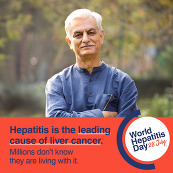
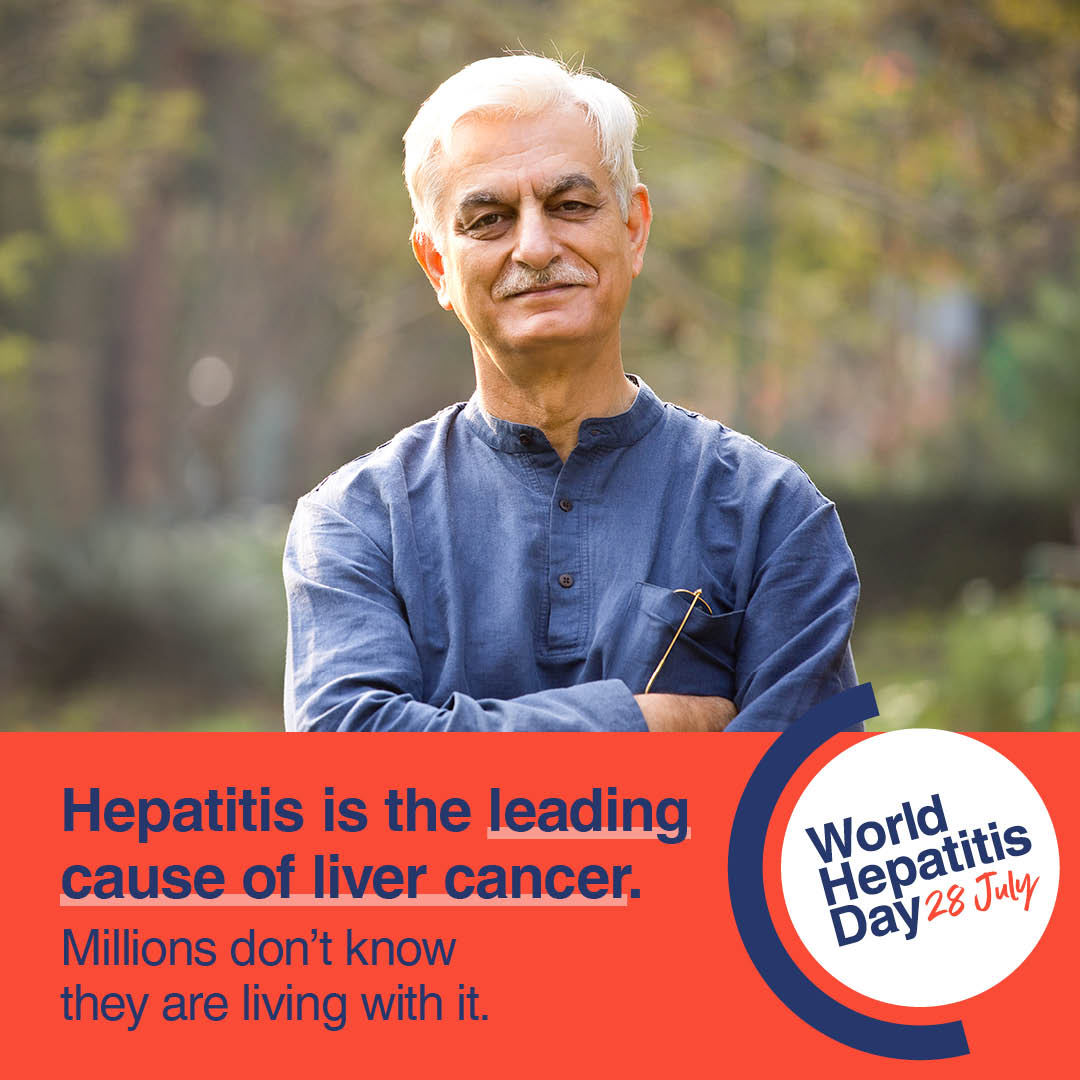
World Hepatitis Day
World Hepatitis Day occurs annually on July 28, aiming to focus attention on the impact of viral hepatitis infection globally—with more than 287 million people worldwide living with either chronic hepatitis B or C. Chronic hepatitis B and C are the world’s leading cause of liver cancer. The good news is that hepatitis is preventable and treatable.
The Health Department’s Need2Know Lake County program offers testing, treatment, and case management. To learn more, visit our Need2Know page or call (847) 377-8450.
For more information about hepatitis, visit the CDC’s ABCs of Viral Hepatitis page.
|
Where do I find information about...
Who can I contact to ask a question about...
-
Lake County Health Department Services: Call (847) 377-8000
-
COVID-19 in Illinois: Contact the Illinois Department of Public Health at 1-800-889-3931 or DPH.SICK@ILLINOIS.GOV
|