|
New World Screwworm
Companion Animal Resources for Owners and Vets
Attention pet owners and veterinarians, new companion animal resources are available about New World Screwworm (NWS).
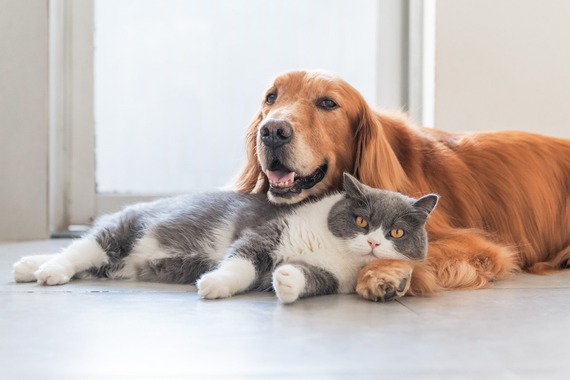
Key Considerations for Prevention and Detection of NWS for Owners:
-
Check pets daily for the presence of wounds, including sites of previous tick bites/attachment.
-
It is recommended that dogs and cats that have outdoor access are on a preventative for external parasites. Contact your veterinarian to learn more about preventatives that are effective against and approved for treatment of NWS.
-
Avoid travel to or near infested areas.
-
Monitor for a foul odor, tissue damage, or signs of fly eggs or larvae in wounds (myiasis).
- Body secretions and wound discharges may attract NWS females.
-
Assess your pet’s environment for possible things that may cause injury (e.g., metal collars or chains, wire fencing, sharp vegetation, etc.).
-
Avoid risky behavior for dogs and cats, especially those with outdoor access (e.g., animal aggression/fighting and accidents).
-
Provide adequate care and dressing of any wounds, including recent surgical incisions (e.g., spay/neuter, caudectomy/tail docking, amputation, etc.).
-
Observe pets for unusual behavior, such as wound-licking or irritation. Animals may lose interest in food, and may become aggressive or lethargic due to irritability and associated infestations.
-
Immediately contact your veterinarian and state animal health official if an infestation is suspected.
Additionally, the American Veterinary Medical Association has put together guidance for veterinary teams in the evaluation and response for New World Screwworm.
The most up to date information on New World Screwworm is available on USDA's website.
Contact the Wyoming Livestock Board at 307-777-7515 or lsbforms-applications@wyo.gov if you have any questions or concerns.
|
|
|
|