|
Readership survey DUE TODAY
Help improve this newsletter's usefulness and relevance. We want to hear from you about what could make this newsletter better. Please take 10 minutes to complete this survey by May 9, 2019.
 |
|
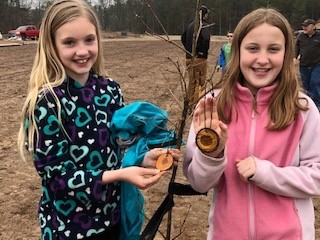
In 1872, J. Sterling Morton recognized the power of and need for trees. Morton helped set aside a special day for planting trees. After the success of the first Arbor Day that year, it became a legal holiday and now is celebrated across the world.
There is a lot to celebrate when it comes to trees, they shade us and reduce cooling costs, they help clean our air and water, they create a safe and inviting community, and they beautify our cities, streets and neighborhoods. Read more...
|
May is National Asthma and Allergy Awareness Month. Did you know trees help prevent asthma and other respiratory diseases? Trees filter particles out of the air we breathe, which decreases our risk of respiratory illnesses, including asthma. One study found that in 2010, trees removed 17.4 million tons of air pollution across the US, which prevented 850 human deaths and 670,000 cases of acute respiratory symptoms. Read more...
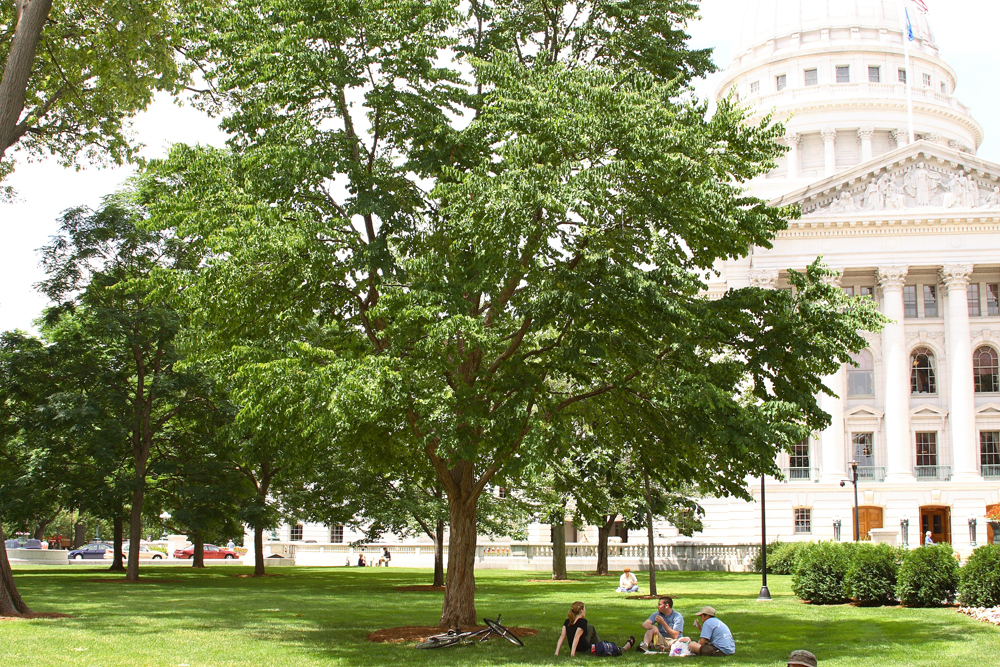
Many guides help you distinguish between a black and a northern red oak, or between a beech and a musclewood. But for many people just trying to identify a tree outside their door, these guides might not be appropriate. Some include too many trees from out-of-state, some focus on trees only found in rural areas, and some others are weighed down by detail. Read more...
Money doesn’t grow on trees, or does it?
People know the many benefits that trees can provide – clean our air, beautify our communities, reduce stormwater runoff, and decrease noise pollution – but did you know trees also save you money? With technology from i-Tree you can calculate how much your trees are saving you. Now, with a new resource from the USDA Forest Service Urban Natural Resources Institute (UNRI), you can let others know exactly how much your trees are saving you. Read more...
For more information about forestry in Wisconsin, consider viewing and subscribing to these other newsletters from the Wisconsin DNR Division of Forestry.
|