|
 Field Notes August 27, 2026
|
|
|
Dry weather with seasonable temperatures continued across Wisconsin during the week ending August 27. Isolated storms brought light rain to parts of the state, but most areas received a few tenths of an inch or less. Seven-day rainfall totals were highest in north-central Wisconsin where some lucky locations netted 1.5-2.0 inches.
At the close of August, 94% of the state is abnormally dry or experiencing drought after weeks of insufficient rain (U.S. Drought Monitor). Approximately 15% is in extreme (D3) drought, with coverage mainly impacting the northwestern counties. Reports of stressed crops, reduced alfalfa yields, heavy spider mite infestations, and poor pasture conditions are common in the driest areas. Many corn farmers are planning an early corn silage harvest due to rapid dry-down of this year’s crop.
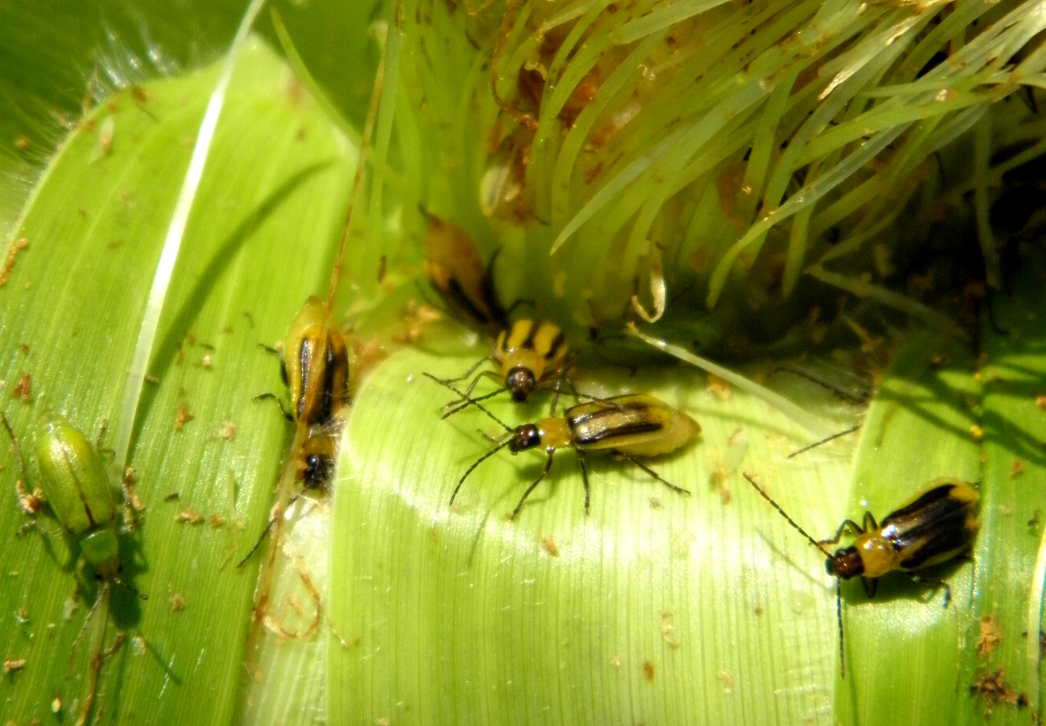
Late August Pest Survey Program activities included completing DATCP’s historic corn rootworm beetle survey, checking soybean fields, monitoring fall armyworm and corn earworm traps, and conducting detection work for the invasive spotted lanternfly.
__________________________________
|
|
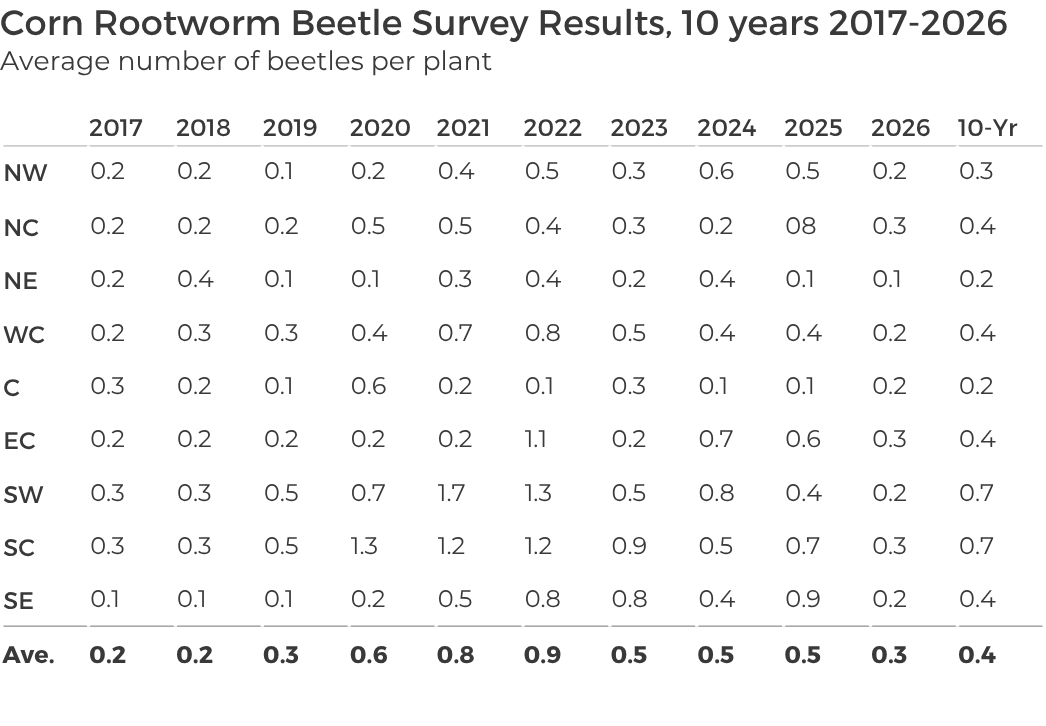
Results from the annual survey show a decrease in corn rootworm beetle populations and low overall pressure this season. The statewide average based on random sampling of 180 grain corn fields is 0.3 beetle per plant, down from 0.5 beetle per plant in 2025 and below the 10-year average of 0.4 beetles per plant. This year’s average is also less than half the 0.75 beetle-per-plant high population threshold.
As illustrated in the table below, declines in beetle pressure were recorded in eight of the state’s nine crop districts. Southeastern Wisconsin saw the largest drop from 0.9 beetle plant in 2025 to 0.2 beetle per plant in 2026. Substantially lower counts were also found across the south-central, east-central, and north-central areas. District averages in all three regions decreased to less than half their 2025 levels. High beetle populations were found in only 11% of this year’s fields compared to 19% last season. Most of the fields with high rootworm pressure were scattered throughout the south-central and east-central regions, with a few high-count sites in the southwest and northern areas (symbolized by red circles in the map below). |
|
 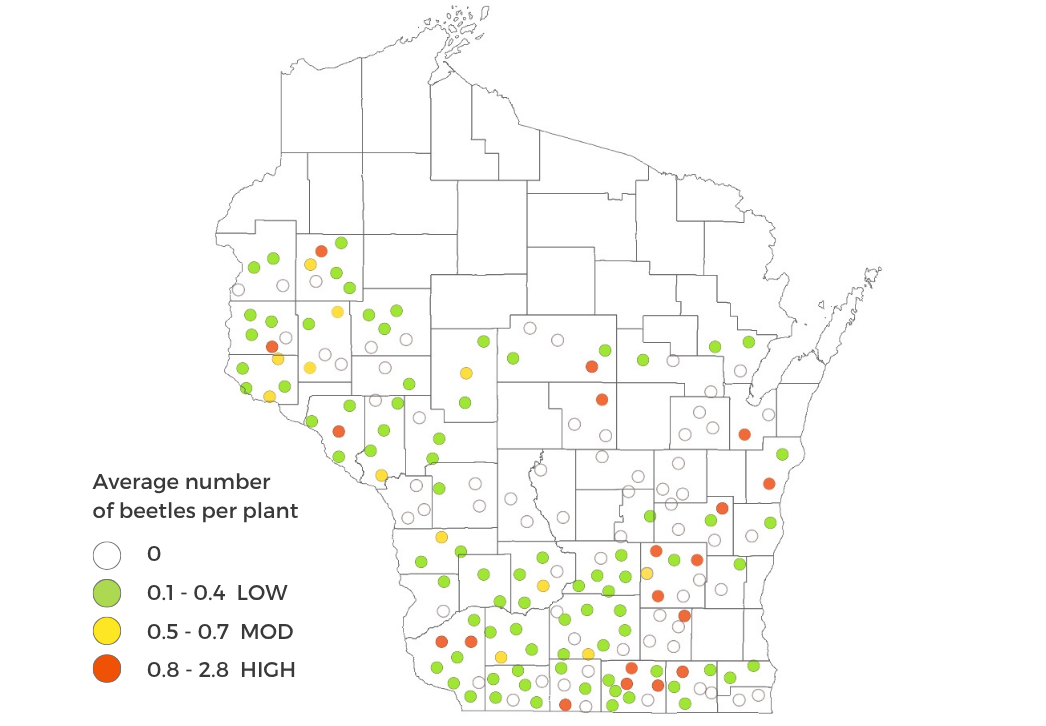 The map above shows 180 corn fields sampled for corn rootworm beetles July 31 to August 26. Counts were low in the 149 fields indicated by white and green circles; moderate in the 12 fields with yellow circles, and high in the 19 fields represented by red circles.
|
|
Statewide, this season’s findings point to a generally low risk of economic damage from rootworm larvae for 2027. However, localized hot spots were found during this month’s survey, as is the case every year, particularly in southern Wisconsin. Field-specific rootworm risk can only be determined by scouting two or three times in August, a worthwhile effort that supports product selection and control decisions while helping preserve the effectiveness of Bt rootworm traits. |
|
__________________________________ |
|
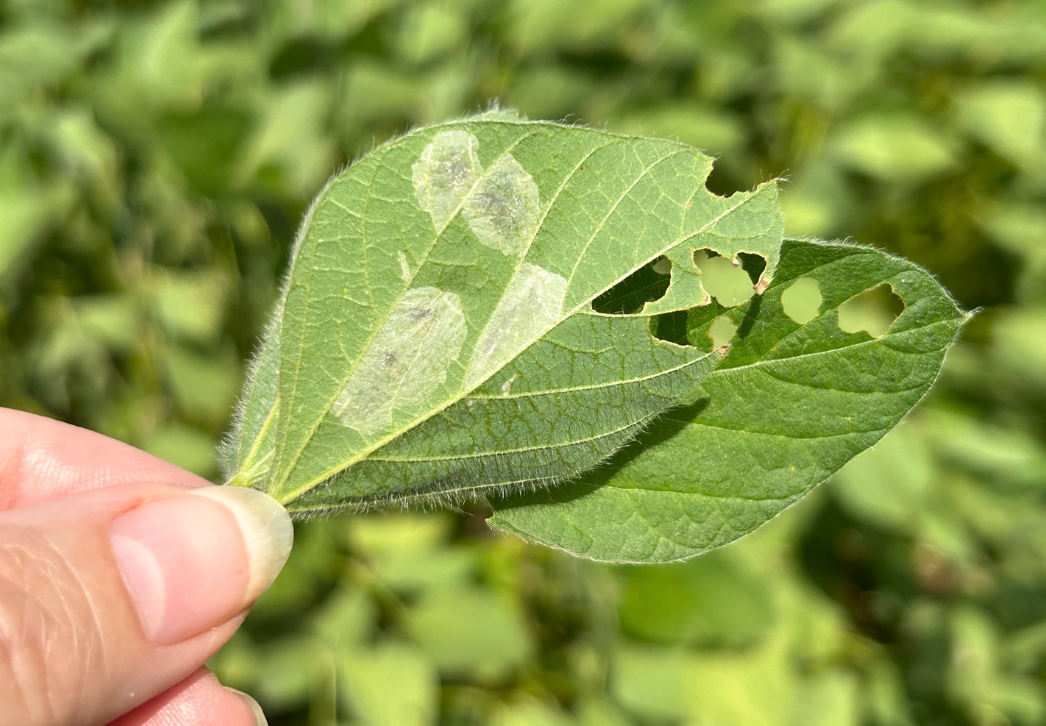
The Wisconsin Department of Agriculture, Trade and Consumer Protection (DATCP) has confirmed the first detection of soybean tentiform leafminer (Macrosaccus morrisella) feeding on cultivated soybean in Wisconsin. During routine soybean surveys on August 21, 2026, a DATCP entomologist found the white, blotchy leaf mines indicative of the pest near Baldwin in St. Croix County. It was subsequently detected in Polk and Pierce counties on August 25. Infestations in all fields were very light, with only a few leaf mines per leaf observed on scattered plants along the field edges.
Soybean tentiform leafminer is native to North America and has previously been documented in Wisconsin on two wild legume hosts: American hogpeanut (Amphicarpaea bracteata) and slickseed fuzzybean (Strophostyles leiosperma). Cultivated soybean was recognized as a new host in 2016 when STLM was discovered in commercial soybean fields in Quebec, Canada. In the last 11 years, STLM has been reported in soybeans in Iowa, Minnesota, Missouri, Nebraska, North Dakota, and South Dakota. For now, it is considered an emerging, relatively minor pest and current infestations are not expected to have measurable yield impact. Awareness and scouting are still important as populations could increase and STLM may become a more significant soybean pest in the future. |
|
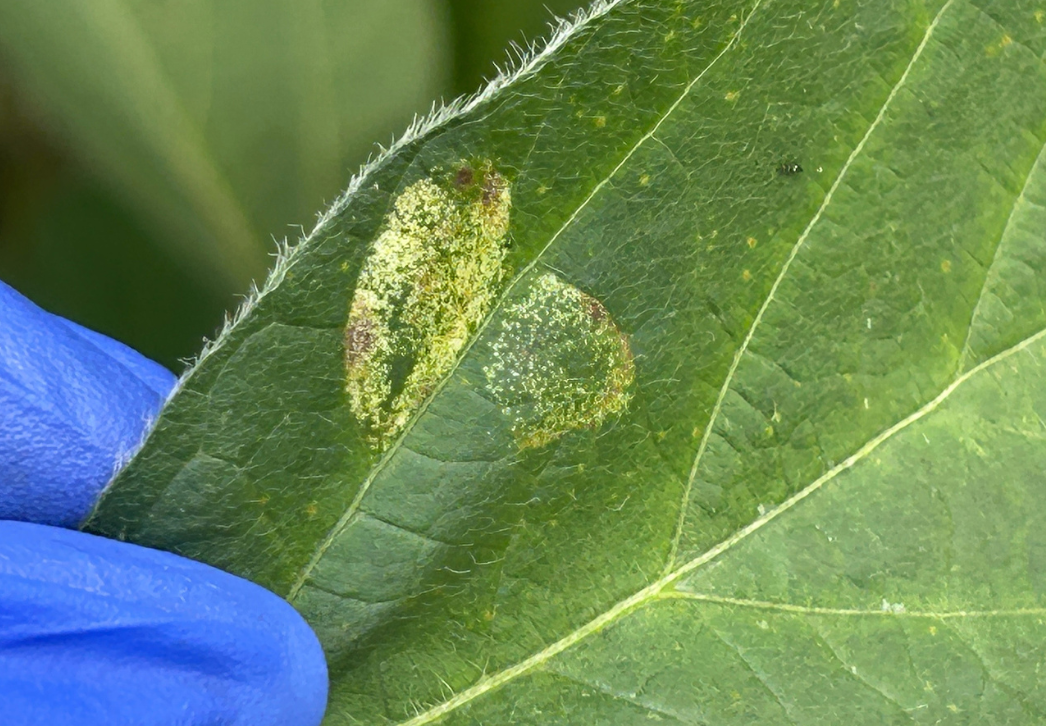 STLM speckling on surface of soybean leaf | K. Hamilton DATCP
|
|
Recognizing STLM is easy and reporting finds is encouraged. Larvae hollow out the internal leaf tissue, creating irregular, white blotches or “mines” on leaf undersides, with raised, blister-like speckled areas visible on the upper surface. Several mines may develop on a single leaf and heavy mining reduces photosynthesis, similar to defoliation. The adult is a tiny moth with distinctive orange, silver, and black or gray markings and is rarely noticed in soybean fields.
As soybean harvest begins, crop advisors and soybean growers who notice white, blotchy mines on soybean leaves along field edges are asked to send a photo to PJ Liesch (pliesch@wisc.edu) at the UW-Madison Insect Diagnostic Lab for confirmation and to help track STLM distribution in Wisconsin. |
|
 __________________________________
|
|
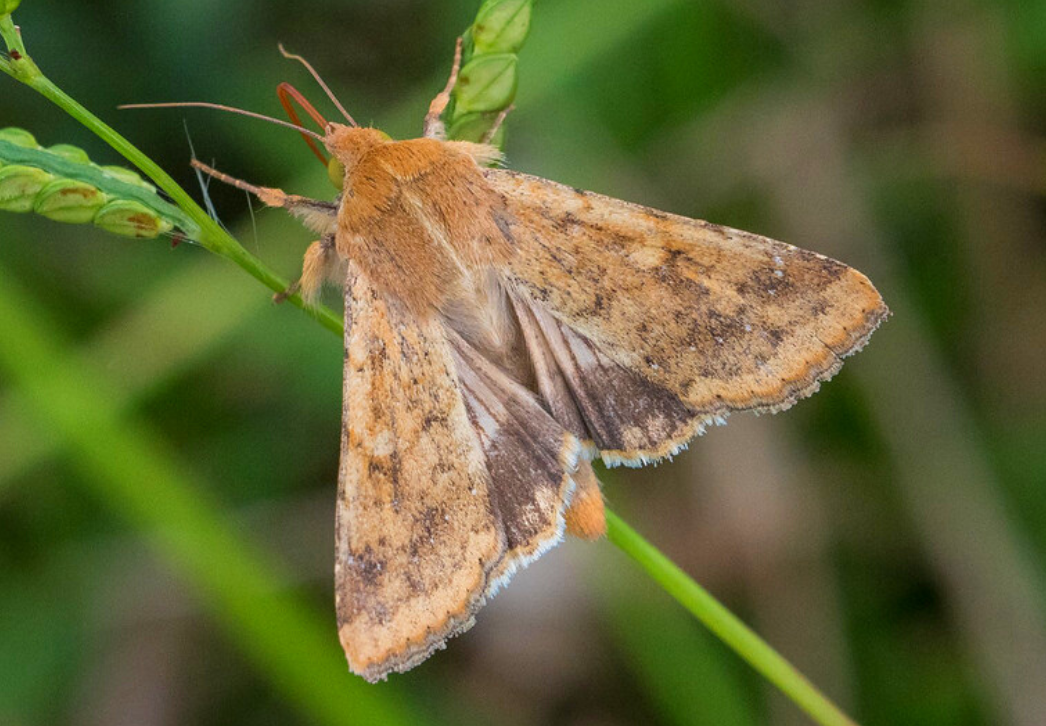
Heavy corn earworm migration flights continued for the second consecutive week. DATCP’s corn earworm network reported a total catch of 1,826 moths in 16 traps for the week ending August 26, down slightly from 2,518 moths last week (August 13-19). Six trap sites registered substantial counts of 100 or more moths and the highest individual trap count of 332 moths was reported from the Williams Bay monitoring site in Walworth County (refer to weekly map).
As of August 26, the cumulative eight-week total is 5,845 moths in 16 traps (average of 365 moths per trap). The heavy corn earworm moth flights during the latter half of the month signal a high risk of egg laying in sweet corn fields with green silks. Sweet corn growers are encouraged to continue monitoring fields and following DATCP’s corn earworm migration reports through mid-September. |
|
 __________________________________
|
|
|
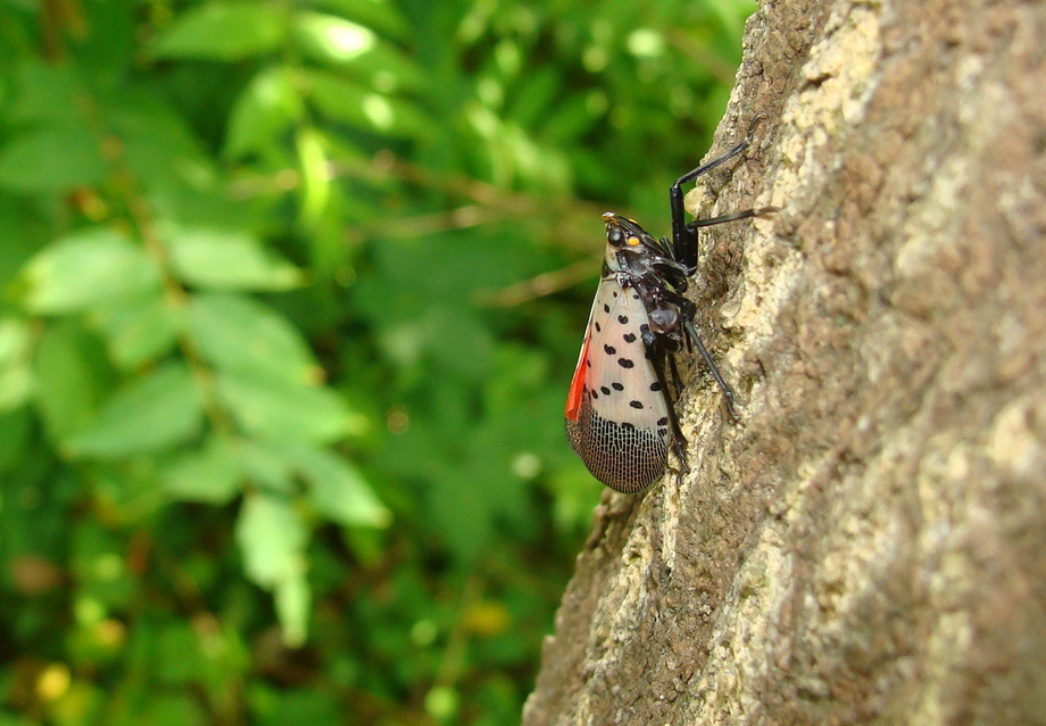
Detection efforts for the invasive spotted lanternfly (SLF) and its preferred host, Ailanthus altissima (tree-of-heaven), are underway in southern Wisconsin. Late summer to early fall is when SLF adults, the most recognizable life stage, are active and more readily detected. As of August 25, DATCP staff have surveyed approximately 50 sites considered “high risk” for SLF introduction due to the convergence of road, rail, and/or maritime freight transport. Surveys will end with southern Wisconsin’s first hard freeze.
The Cornell University IPM Spotted Lanternfly Status map shows SLF has been documented in 18 eastern states since its initial 2014 detection in Pennsylvania. Wisconsin still has not found any infestations or established populations of SLF. Nevertheless, this insect continues to spread in the Chicago region, and Wisconsin’s southeastern cities like Milwaukee, Racine, and Kenosha are considered particularly high risk due to their proximity to Illinois populations, prevalence of tree-of-heaven, and dense freight infrastructure.
All SLF life stages—adult, nymph, and eggs—can “hitchhike” on or in vehicles or equipment to uninfested areas. Below are measures to reduce the risk of spreading or accidentally transporting SLF into Wisconsin during the busy Labor Day travel weekend and beyond:
-
Know what to look for: Familiarize yourself with spotted lanternfly life stages and keep an eye out during day-to-day activities.
-
Remove host trees: Spotted lanternfly shows a distinct preference for tree-of-heaven or Ailanthus. Tree-of-heaven is also an invasive species, currently with a very limited distribution in Wisconsin. Learning to identify this tree and removing it from properties are important steps in preventing and managing the spread of spotted lanternfly.
-
Report potential sightings: Any suspected finds of spotted lanternfly should be immediately reported online to the DATCP spotted lanternfly site. Photos are necessary to verify a report and to confirm identification.
|
|
 __________________________________
|
|
|
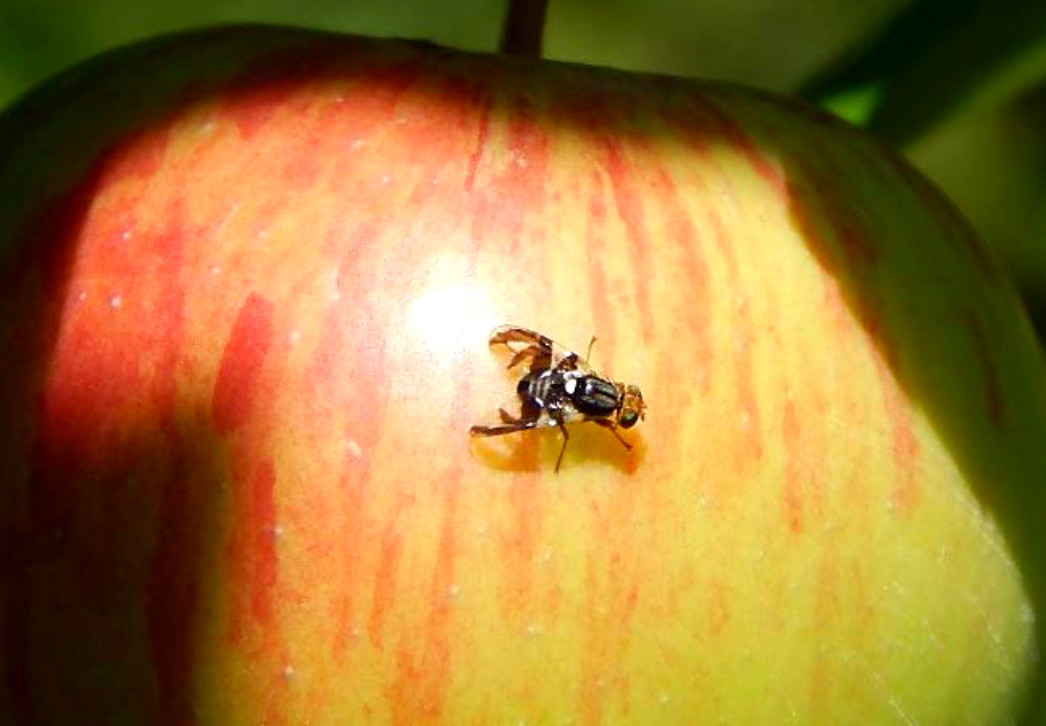
Another season of orchard insect reporting has ended, with apple maggot and codling moth activity still occurring at some monitoring locations. Although it is not necessary to send in insect counts after August 27, apple cooperators can expect pest pressure to linger throughout harvest and are advised to maintain traps until late September.
As is often the case, a late summer increase in apple maggot (AM) flies has been a source of frustration for growers, just as harvest is beginning and treatment is no longer feasible for most orchards. These late emerging flies will continue laying eggs in September and may cause fruit injury until cool autumn temperatures shut down their activity. Management focusing on sanitation and preventing this season’s maggot pupae from overwintering—such as collecting dropped apples and stripping unharvested apples from trees—will go a long way toward reducing next year's AM population.
Codling moth activity in orchards has declined markedly, though a few cooperating locations registered high counts of 10 or more flies per trap this week. Orchards that have recorded large summer-generation flights and higher trap counts relative to the first spring flight should continue trap checks in September and closely review management plans for next spring. Timing the spring 2027 biofix and responding with a timely, effective control program will be especially critical for reducing first-generation codling moth pressure and damage potential next June.
|
|
|
|
 __________________________________
|
|
|
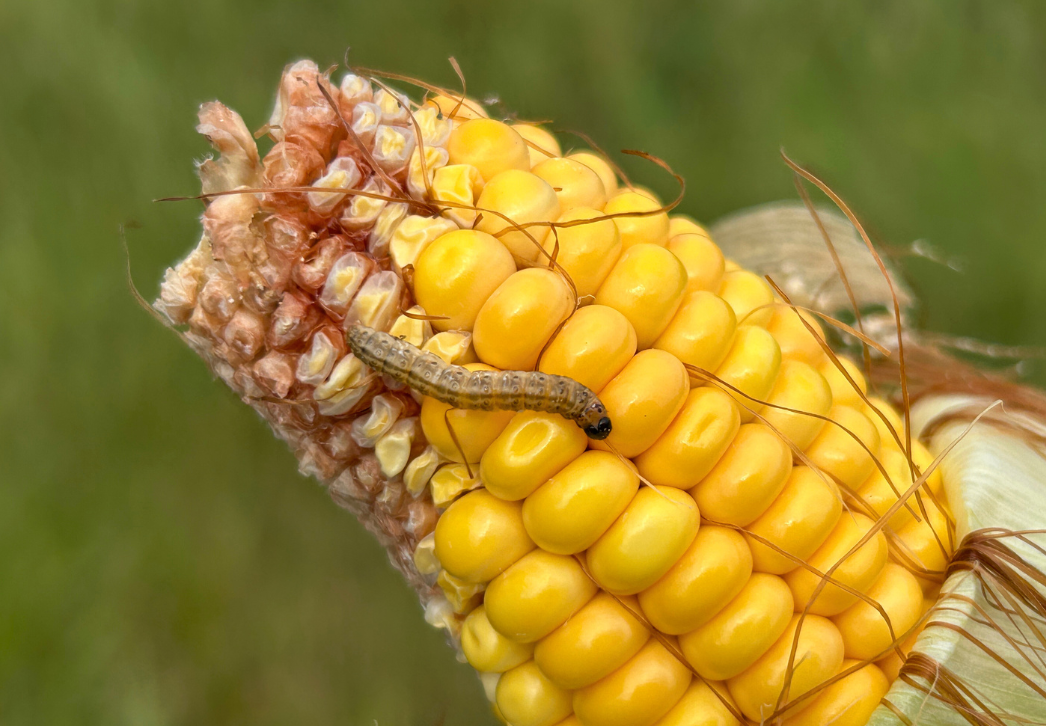
DATCP has a long history of conducting fall surveys for the European corn borer (ECB). Our experienced scouting team is skilled at recognizing signs of ECB and can help determine if larvae are damaging your fields, and the rate of infestation. The fall ECB survey starts September 1 and our program is looking for non-Bt corn fields to scout for larvae and damage. The goal of surveying both Bt and non-Bt fields is to gain a more accurate understanding of ECB pressure (particularly in non-Bt fields where populations are likely higher) and to determine areas of the state where ECB populations may be developing resistance to Cry Bt proteins. Non-Bt corn sites are most needed in Columbia, Dane, Dodge, Grant, Lafayette, and Rock counties, although all Wisconsin counties will be considered. Corn growers, crop advisors, and Extension educators who have or know of non-Bt corn fields that could be assessed for ECB are asked to email krista.hamilton@wisconsin.gov with:
- Your name
- Phone number
- Field location (county, GPS coordinates, and description of field)
We are hoping to sample 40-50 non-Bt fields between September 1 and October 9. The survey involves examining 25 consecutive corn stalks for signs of ECB infestation and dissecting two stalks to count larvae. Fields that are relatively accessible from a roadside are preferred. Growers will be notified of the ECB population in their fields once the survey is complete.
|
|
__________________________________ |
|
|
|
|