|
 Field Notes July 30, 2026
|
|
|
The week brought a return of heat and humidity, along with severe thunderstorms that caused vast destruction across parts of eastern Wisconsin. A powerful tornado swept through the Fox Valley midday on July 27, damaging homes and businesses, snapping utility poles, and blocking roadways. The EF3 tornado, with hurricane force winds of up to 140 mph, carved a 12-mile path through the cities of Appleton and Menasha before dissipating over Lake Winnebago. A state of emergency was declared on Tuesday after the tornado left more than 30,000 residents without power and facing staggering structural damage.
In contrast to last week when rain was concentrated in western Wisconsin and much of the east remained dry, this week’s storms shifted precipitation to the eastern half of the state, while the western half received little rainfall. Increasingly dry conditions led to declines in crop condition ratings for alfalfa, corn, oats, and soybeans. Corn showed the steepest drop, with 74% of the crop now rated good to excellent, down five percentage points from the previous week.
__________________________________
|
|
|
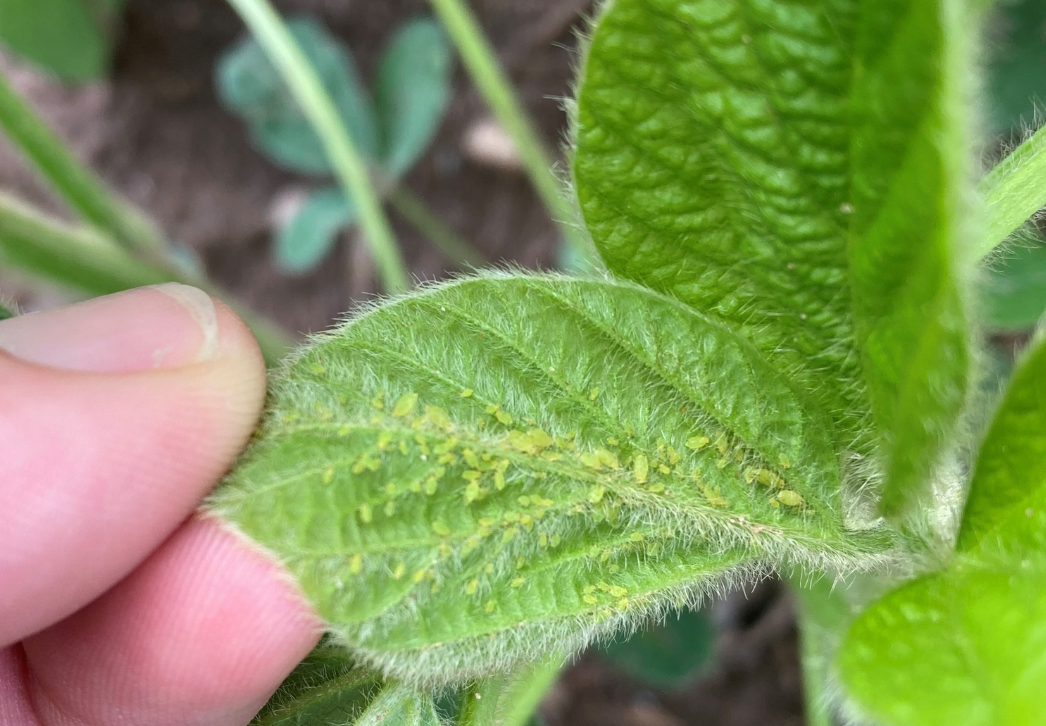
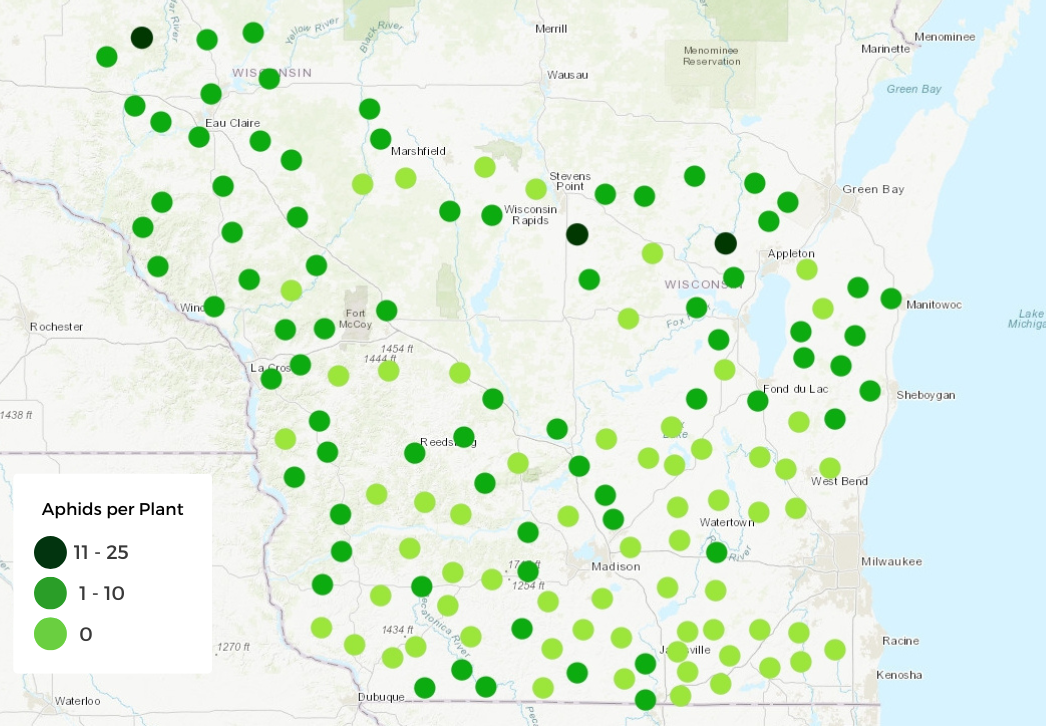
Field surveys across Wisconsin indicate that the most advanced soybeans are at the R5 (beginning seed) growth stage and soybean aphid pressure has generally been low. Of the 140 sites surveyed as of July 30, only three had an average count exceeding 20 aphids per plant (refer to map below). The highest count recorded was 24 aphids per plant in a Portage County field. The overwhelming majority of soybeans scouted by DATCP for economic pests this month have had very light aphid infestations in the range of one to 10 aphids per plant on less than 50% of the plants throughout the field. In addition, natural enemies such as ladybeetle larvae, green lacewings, and parasitoids are abundant at most sites.
Although aphid pressure has been low so far this month, 25 years of experience with this insect in Wisconsin has shown that soybean aphid populations often surge during the last two weeks of July and first two weeks of August. Scouting and insecticide treatment decision-making will be most critical next week. To qualify for treatment to control aphids, a soybean field must meet the following three criteria:
- The average aphid count is greater than 250 soybean aphids per plant
- More than 80% of plants are infested with soybean aphids
- The aphid population is increasing
Soybeans should be evaluated not only for aphids, but also for defoliation caused by Japanese beetles, bean leaf beetles, green cloverworm larvae, and assorted caterpillars. Bean leaf beetles have been more common this season than in recent years and have been observed in about 16% of the fields sampled this month. Defoliation that meets the 20% threshold between the bloom and pod-fill stages may warrant control. Scouting several areas in the field interior, in addition to field edges where Japanese beetles are most numerous, is required for an accurate assessment.
|
|
 __________________________________
|
|
Last season, rhizomania was detected in Wisconsin for the first time. This disease, caused by beet necrotic yellow vein virus, was identified on table beets grown in Manitowoc County. While rhizomania is not regulated and is common in other beet producing states, its impact could be significant for Wisconsin, which ranks in the top three nationally for table beet production, with 3,000-4,000 acres planted each year.
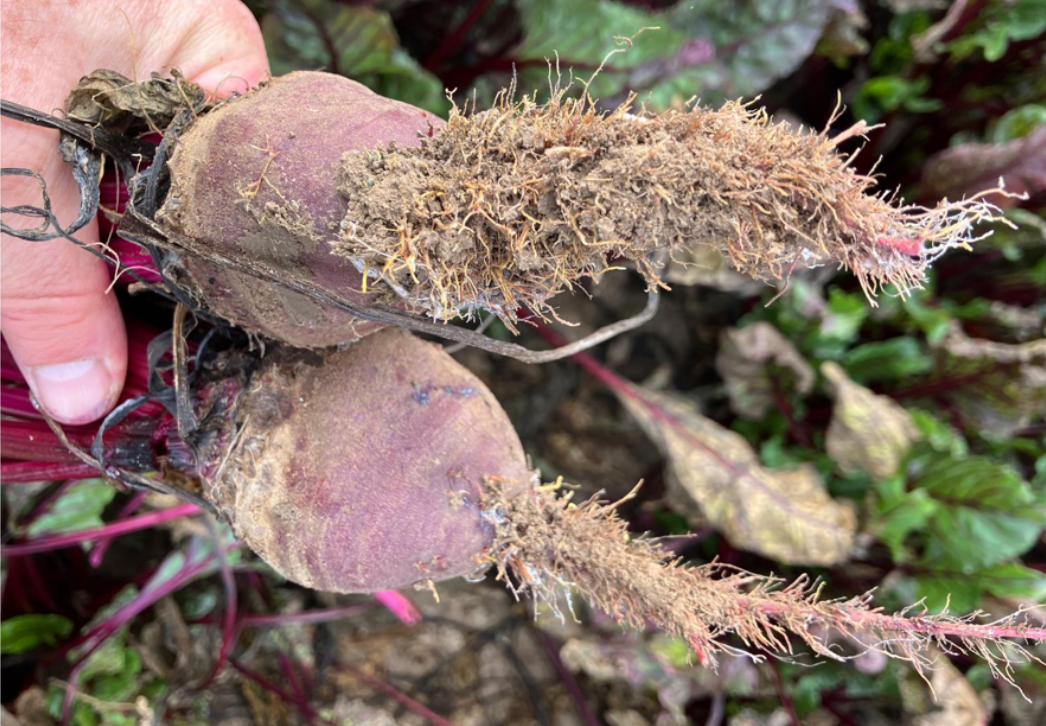
Rhizomania is recognized as one of the most destructive diseases of sugar beets worldwide. It causes yield loss, reduced sugar bulking, and distorted taproot shape, leading to rejection of beets for processing. A defining symptom of this “crazy root” disease is the dense growth of fine, hairy rootlets which sprout from the main taproot, as shown in photo above.
Management of rhizomania is a challenge that relies primarily on cultural practices to reduce soil movement between fields and planting resistant varieties. It cannot be chemically controlled. Beet necrotic yellow vein virus is vectored by the slime mold (Polymyxa betae) and is spread through infected soil (boots, equipment, planters, harvesters, tractor wheels, sprayers, etc.) by diseased culls and plant material, and via water (rainfall and irrigation). |
|
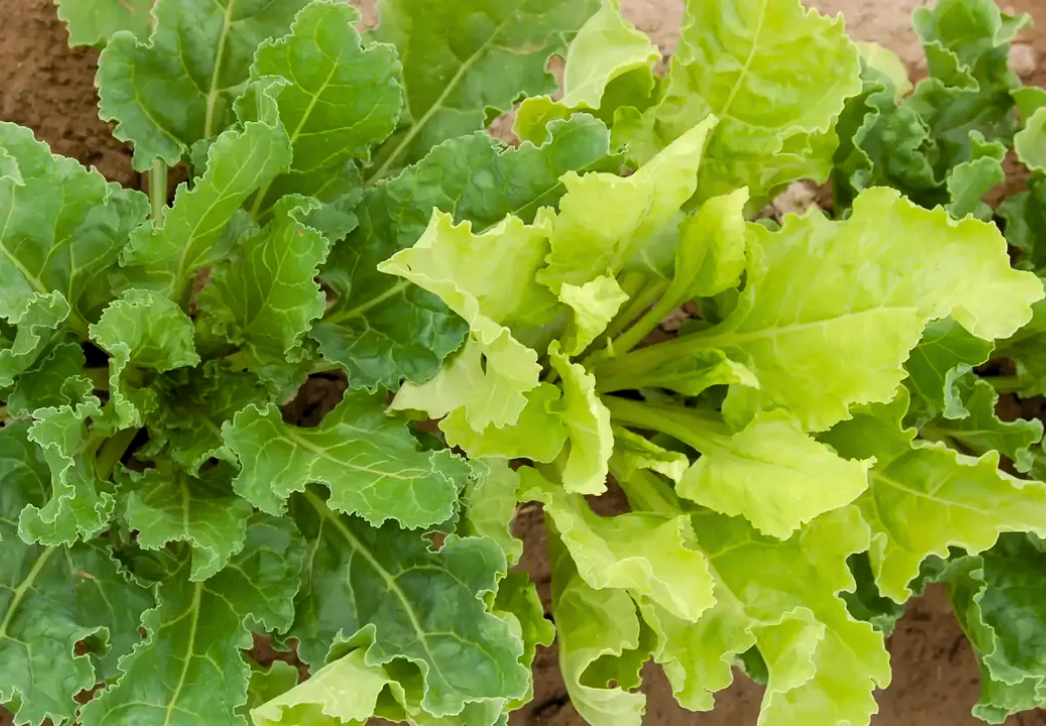 Sugar beet yellow "blinker" plant infected with rhizomania | uidaho.edu
|
|
|
In addition to the hairy taproot appearance, symptoms of rhizomania include:
- Wine glass-shaped taproot and/or white or pale pink ”zoning” when the beet is cut transversely.
- Wilting and yellow plants that exhibit an erect, upright growth pattern (known as "blinker" plants). Symptoms may be patchy or sporadic throughout the field. Low-lying, wet areas of fields are especially prone to disease development.
Growers are encouraged to be on the lookout for symptoms of rhizomania and to increase sanitation measures to prevent the spread of infected soil to new fields. If rhizomania is suspected, please submit samples to the UW-Madison Plant Disease Diagnostic Clinic for diagnosis.
|
|
 __________________________________
|
|
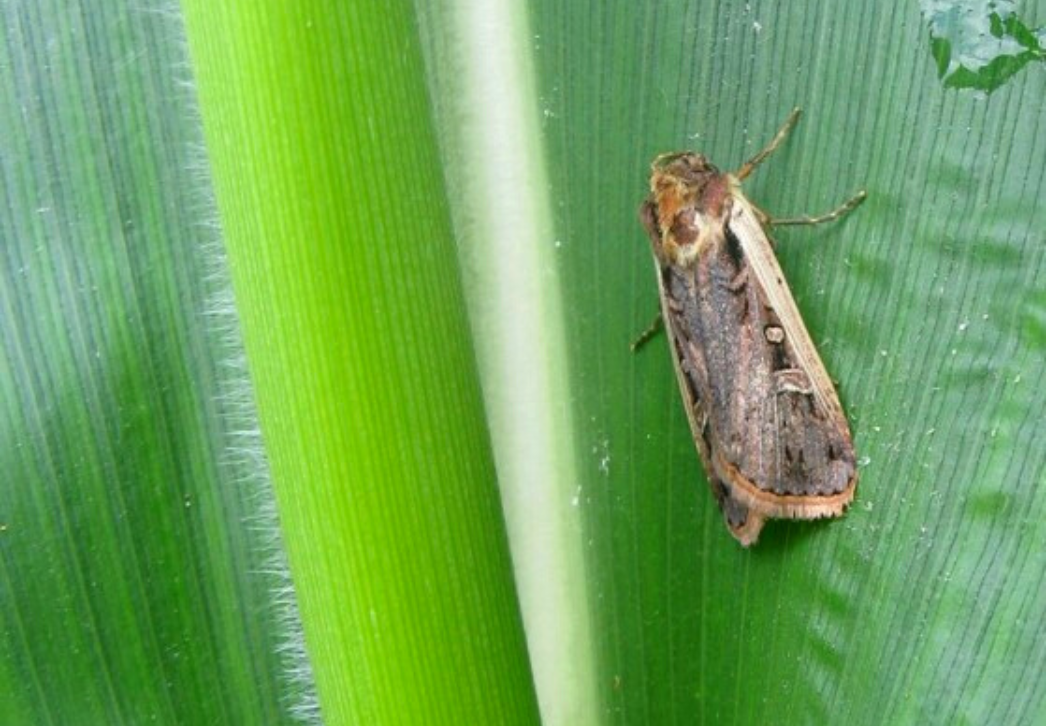
Western bean cutworm moth counts have peaked across most southern and central Wisconsin trap locations and will begin to decrease in the week ahead. In areas north of Wausau, the annual flight is still increasing and should peak July 29-August 7 as degree-day accumulations reach 2,704 (modified base 38 degrees Fahrenheit), the point at which 50% emergence is expected.
DATCP’s Western Bean Cutworm Network captured a weekly total of 2,323 moths July 23-29, compared to 2,666 moths the week of July 16-22. The current cumulative state count is 6,476 moths in 86 traps, or an average of 75 per trap. This week’s highest individual trap count of 215 moths was reported from Oconto County, while seven other traps in Barron, Columbia, Dunn, Jefferson, Pepin, Shawano, and Washington counties each registered 100 or more moths this week (refer to weekly trap table for data).
Although the primary scouting window for egg masses has closed across the south, there is still time to assess northern Wisconsin corn fields. Scouting requires checking 20 consecutive plants in five separate areas of the field for egg masses laid on the upper surface of the top leaves. The treatment threshold has been met if egg masses or small larvae are found on 5% or more of the plants. |
|
 __________________________________
|
|
|
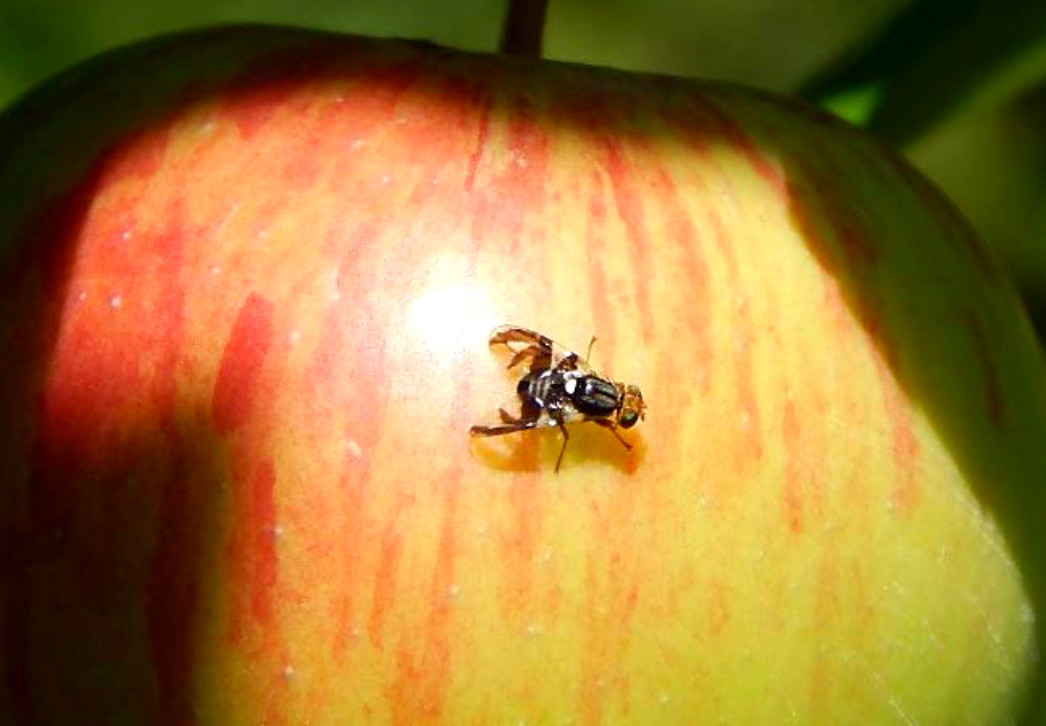
Apple maggot emergence continued for the sixth week but has been erratic so far this season, as is often the scenario. A few orchards have reported very high weekly counts of 10-24 flies per trap in the past two weeks while most sites are reporting counts of one or two flies per trap. Captures were recorded at six of 18 reporting locations July 24-30.
Peak emergence of adult flies is approaching and egg laying on apples can be expected throughout August. Apple growers should continue to apply sticky coating to traps each week (or as needed) and maintain apple maggot controls as long as counts exceed the following economic thresholds:
- One fly per trap per week for unbaited traps
- Five flies per trap per week for baited traps
In orchards where there is high variability between blocks or cultivars, growers are encouraged to hang extra red sphere traps to help determine emergence patterns and where to concentrate late-season control. Apple maggot flies initially lay eggs on the earliest ripening varieties (e.g., Lodi or MN-55) but can be attracted to other cultivars in late summer by fruit odors or visual cues.
|
|
 __________________________________
|
|
|
|
|