Why It Matters for Wisconsin
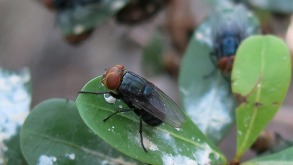
Although NWS has not been detected in Wisconsin, the state regularly receives animals from southern U.S. states, which are most at risk from the advancing pest. The USDA has twice suspended livestock imports from Mexico in response to this outbreak and expanding sterile fly release programs are underway to slow the advance.
Wisconsin shelters, animal markets, animal dealers, veterinarians, and animal owners must remain vigilant, especially during animal intake or post-travel inspections.
Who’s at Risk?
NWS targets any warm-blooded animal with an open wound, including pets, livestock, wildlife, and even humans. While cattle and horses are often the most affected livestock species, Wisconsin’s diverse animal populations are equally vulnerable. The risk increases with travel or transport from southern regions where NWS is active.
At-risk groups include:
- Dogs, cats, cattle, horses, swine, small ruminants, and birds
- Wildlife and imported or illegally trafficked animals from southern regions
- Humans, especially those with untreated wounds or recent travel to areas where NWS is currently active
Signs to Watch For
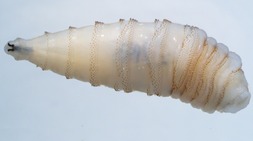
Early detection is critical. Unlike typical fly larvae that linger near the surface, NWS burrows deep into living tissue, causing intense pain and infection. These infestations often go unnoticed until the wound worsens, making vigilance essential for anyone caring for animals or themselves.
Key symptoms include:
- Painful, enlarging, and draining wounds with a foul odor
- Larvae embedded deep in tissue
- Sudden discomfort or behavioral changes in animals
What You Can Do
Whether you're an animal owner, animal market, animal dealer, shelter worker, or veterinarian, proactive steps can make all the difference. Awareness, inspection, and swift reporting are the frontline defenses against NWS. Here's how each group can help:
For Pet and Livestock Owners, Animal Markets, and Animal Dealers:
Animals that travel or come from warmer climates should be closely monitored. Even a small wound can become a gateway for infestation.
- Inspect animals regularly, especially after travel
- Seek veterinary care for suspicious wounds
- Avoid transporting animals from outbreak zones without inspection
For Shelters and Rescues:
Shelters may receive animals from high-risk areas. Staff training and intake protocols are vital to prevent NWS from gaining a foothold in Wisconsin.
- Train staff to recognize NWS symptoms
- Inspect all incoming animals, including those from southern states or countries
- Report suspected cases immediately to DATCP and seek veterinary care
For Veterinarians:
Veterinarians are important in the line of defense. Familiarity with NWS, access to diagnostic tools, and participation in USDA training programs ensure readiness.
- Familiarize yourself with NWS identification and reporting protocols
- Report suspected cases immediately to DATCP
- Use USDA, U.S. Food and Drug Administration (FDA), and Centers for Disease Control and Prevention (CDC) resources for training and lab support
- Participate in the National Veterinary Accreditation Program (NVAP) module on NWS
Vigilance and proactive measures are vital in preventing the spread of this dangerous pest. Thank you for your dedication to keeping animals and communities safe.
Resources and Reporting
|