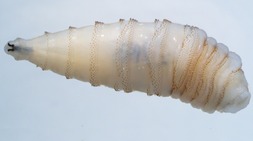
New World Screwworm (NWS, pictured right) is making headlines as it spreads northward in Mexico. Though eradicated from the U.S. in 1966, this dangerous fly species could return, and animal shelters and rescues in Wisconsin must stay alert.
Why It Matters for Wisconsin Shelters
While NWS hasn’t been found in the U.S. recently, Wisconsin shelters regularly receive animal imports from southern states, including those bordering Mexico. NWS larvae feed on living tissue, burrowing deep into wounds—causing pain, infection, and even death. Dogs and other domestic animals are at risk, not just livestock.
Recognizing the Signs
Affected species may include dogs, cats, livestock, wildlife, and even humans. Be vigilant by checking for the following signs and symptoms of an NWS infestation:
- Painful, enlarging wounds with draining and foul odor
- Larvae buried deep in tissue (not surface-level, like common maggots)
Recent Developments
The current outbreak of NWS began in Panama in 2023 and has steadily progressed northward, now reaching northern Mexico. In response to the growing threat, the U.S. Department of Agriculture (USDA) continues to work with Mexican Animal Health officials to stop the spread of NWS northward. Efforts to contain the spread are ongoing, including the release of sterile screwworm flies in affected areas to reduce populations and slow the pest’s advance.
What Shelters Can Do Now
- Stay vigilant during animal intake, especially those from southern states
- Train staff to spot suspicious wounds
- Report suspected cases immediately: DATCP Home Reporting Animal Diseases
Free Training & Resources
USDA offers helpful resources:
This pest is painful, preventable, and potentially deadly. Together, we can protect Wisconsin’s animals.
|