|
|
Another growing season has come to a close and DATCP’s Pest Survey Program has finalized its field crop survey work. Summaries of our statewide alfalfa, corn, soybean, and wheat pest surveys, along with counts from our insect trap networks and a new state record disease detection, are provided below. These brief analyses depict insect pressure in Wisconsin crops and help to contextualize the season’s agricultural pest conditions and trends. Migratory insects, such as the true armyworm, fared well in 2025 and achieved outbreak status. Others that overwinter in the state, like the western bean cutworm, were far less abundant this season, likely impacted by winter frost depths leading into the spring.
The large-scale surveys conducted by our program are valued for their current and historical significance and would not be possible without assistance from many volunteer cooperators around the state. In 2025, two DATCP staff and two summer interns surveyed 976 crop fields while our 80 cooperators set 456 pest pheromone traps and counted over 79,500 insects captured in the traps. Their efforts help Wisconsin growers prepare for, and effectively respond to, crop pest threats. We extend thanks and appreciation to the reliable cooperators who contributed data to our annual agricultural pest surveys.
__________________________________
|
|
|
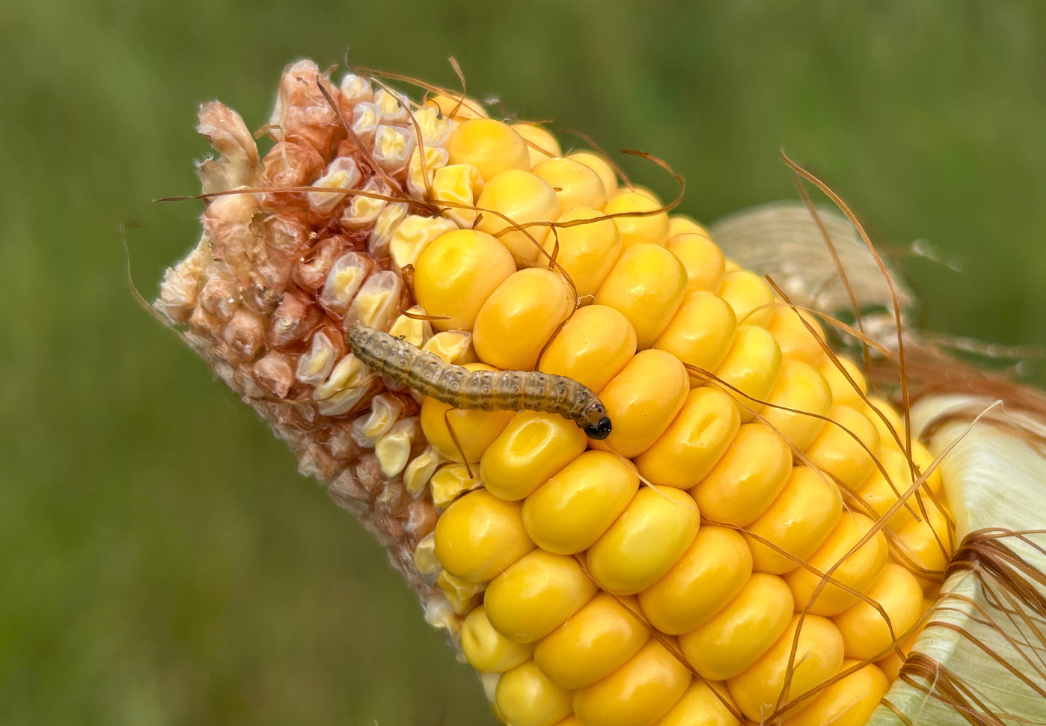
DATCP’s historic, 83-year-old European corn borer (ECB) survey has gained new importance as cases of Bt corn resistance continue to rise in the U.S. and Canada. Dating back to 1942, when ECB was an emerging invasive threat to Wisconsin and the Corn Belt, the objective of this long-term effort has been to assess the fall overwintering larval population and its damage to the state’s grain corn crop. Detecting Bt resistance became an added objective two years ago when DATCP began collaborating with University of Minnesota (UMN) researchers in a multistate effort to find and document field evolved Bt-resistant ECB populations.
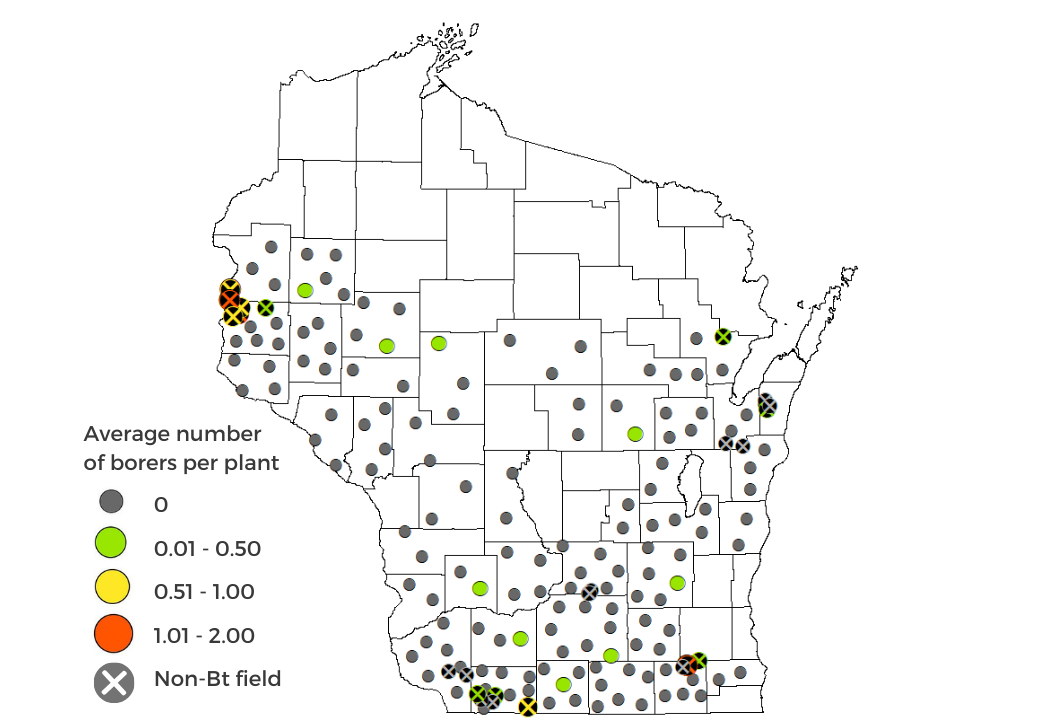
The upgraded annual ECB and Bt-resistance survey uses the same traditional protocol but involves sampling both non-Bt (conventional) grain corn fields and randomly selected corn fields. The 30 non-Bt fields evaluated this season were provided by agronomists, crop advisors, farmers, and UW-Extension educators. These volunteered non-Bt fields, along with 146 randomly selected fields, were sampled for ECB larvae and damage September 3 to October 9.
 This year’s survey found a pronounced difference in ECB prevalence and infestation rates in the non-Bt vs. random fields. As expected, ECB was more prevalent in the non-Bt fields, with larvae and infested stalks found in 57% of the non-Bt sites compared to only 6% of the random fields. This year’s 57% prevalence rate in the conventional fields is well above last year’s 35%, suggesting a general increase in ECB pressure from 2024 to 2025.
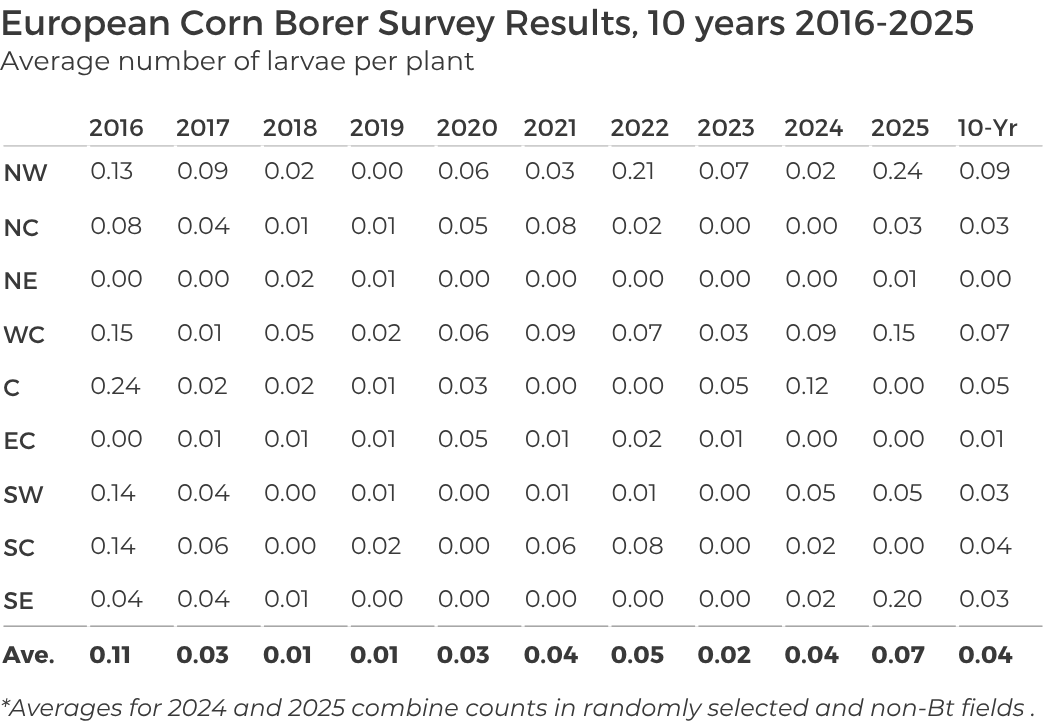
Infestations were also much heavier in the non-Bt fields in comparison with the random fields. The average across the 30 non-Bt fields was 41 larvae per 100 corn stalks, or 0.41 larva per stalk, while the average count in the 146 random fields was one larva per 100 corn stalks, or 0.01 borer larva per stalk. Combining counts from the non-Bt and random fields results in an average of seven larvae per 100 corn stalks, which is higher than the 2024 combined survey average of four larvae per 100 stalks. For the second and univoltine generations of ECB in fall, an infestation of 50 larvae per 100 corn stalks, or 0.50 larva per plant, indicates high pressure and likely yield loss.
|
|
 Larvae collected from infested fields have been sent to the Dr. Fei Yang Lab at UMN for Bt resistance testing for the past three seasons. Bioassays at UMN in 2024 and 2023 confirmed the state’s first two cases of the Cry2Ab2 resistance allele—one in 2023 in a larva from Waupaca County and a second in 2024 in a Richland County larva. This is first documentation of the Cry2Ab2 resistance allele in Wisconsin ECB larvae.
The detection of the Cry2Ab2 resistance mutation in field collected ECB larvae has not been linked to Bt failure in the state, but it is a concern for corn growers as it may mean reduced effectiveness of Bt corn hybrids containing this specific trait. Cry2Ab2 is one of four Bt proteins used for ECB control (along with Cry1Ab, Cry1A.105, and Cry1F). It is not highly lethal against ECB and not used in isolation but is most often stacked (or pyramided) with Cry1A.105 in various transgenic corn hybrids. Stacking, or combining different genes in a single hybrid, helps delay the development of resistance by requiring insects to overcome more than one Bt toxin. The emergence of resistance to secondary Bt proteins (such as Cry2Ab2) suggests that some pyramided Bt hybrids may be losing their effectiveness, with only one Bt toxin left for control of ECB. It also highlights the need for brushing up on ECB scouting and insect resistance management strategies, and continuing surveys aimed at detecting ECB hotspots and performance issues in Bt fields.
|
|
__________________________________ |
|
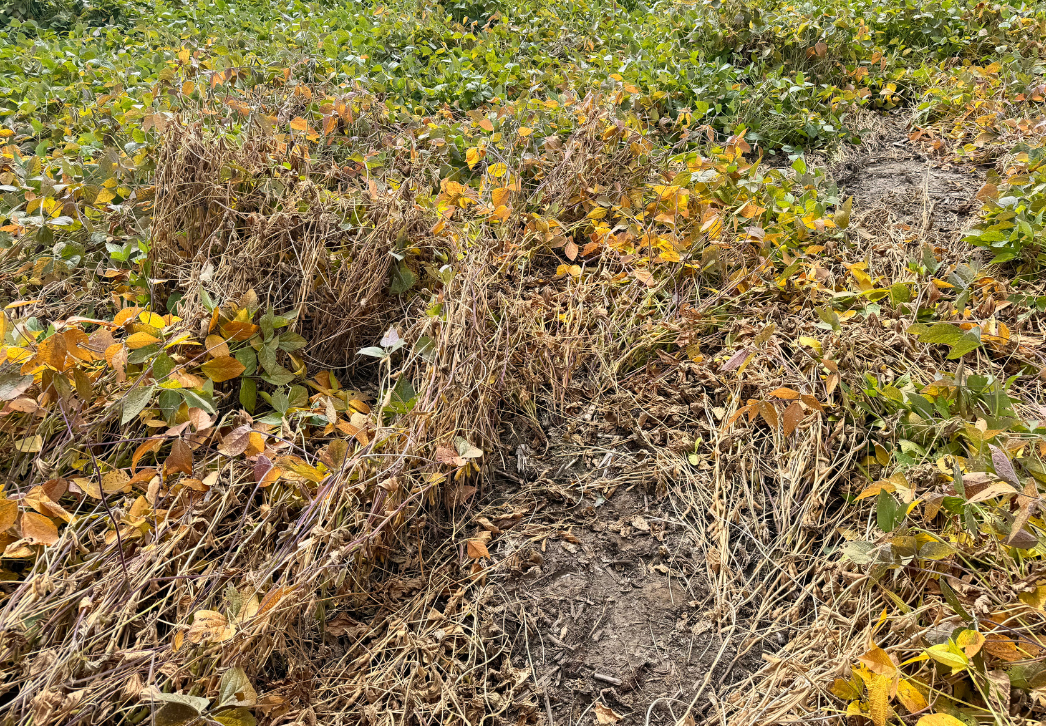
Red crown rot (RCR) of soybean was found for the first time in Wisconsin in 2025. Observed in a Columbia County soybean field August 25, this disease is caused by the soilborne fungus, Calonectria ilicicola. A plant sample collected by UW-Madison Field Crops Pathologist Dr. Damon Smith was confirmed positive September 4 using morphology and DNA sequencing.
Historically, RCR has been associated with peanut production in the southern U.S. It has been turning up in the Midwest since 2018, with the first case reported in Illinois, followed by finds in Indiana, Kentucky, Michigan, Missouri, and Ohio (Crop Protection Network distribution map). Minnesota, like Wisconsin, also confirmed its first detection of the disease in August 2025.
Red crown rot is spread locally by contaminated soil, crop residue, water, and via wind and farm equipment. Its pathway into the northern states remains unresolved, but likely causes are soil movement or unrecognized cases since symptoms are similar to those of sudden death syndrome, brown stem rot, and southern stem canker. Symptoms include leaf yellowing, early dieback, reddened lower stems, and rotted roots. The diagnostic feature that distinguishes RCR is the presence of tiny red fungal structures, called perithecia, on the crown and roots. |
|
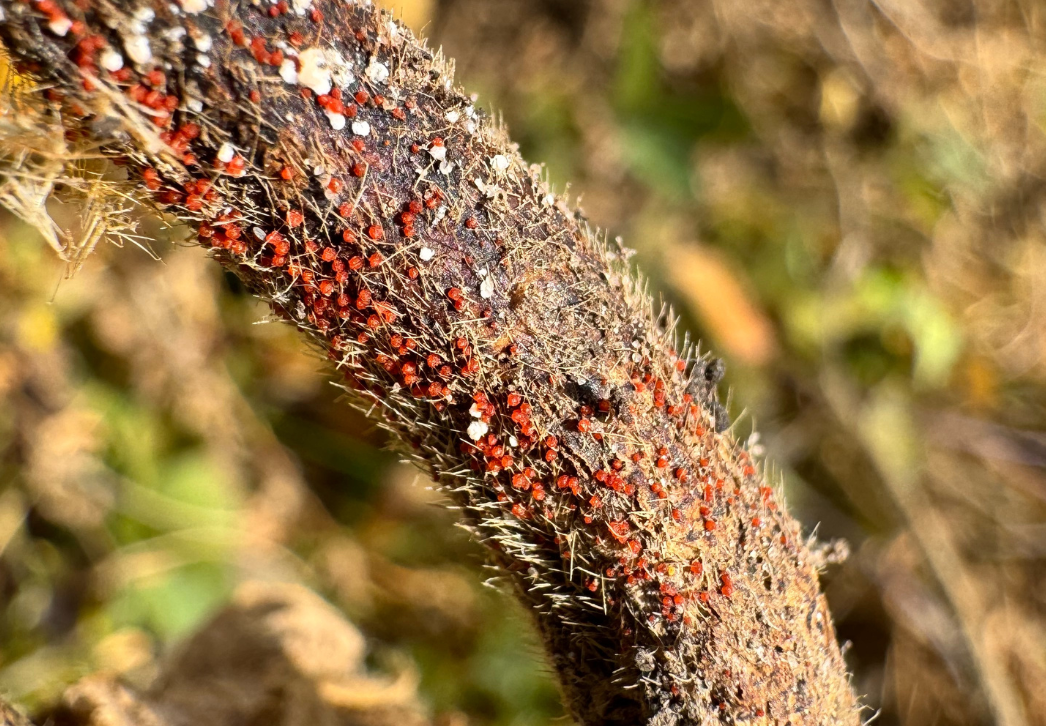 Red crown rot fungal structures on stem | Damon Smith UW-Madison
|
|
As a yield-reducing disease that persists in the soil for multiple years and has no rescue treatment options, RCR is an emerging threat to Wisconsin soybeans that growers are encouraged to understand and prepare for. DATCP is planning a soybean survey in 2026 to help detect and determine the distribution of red crown rot in Wisconsin. |
|
 __________________________________
|
|
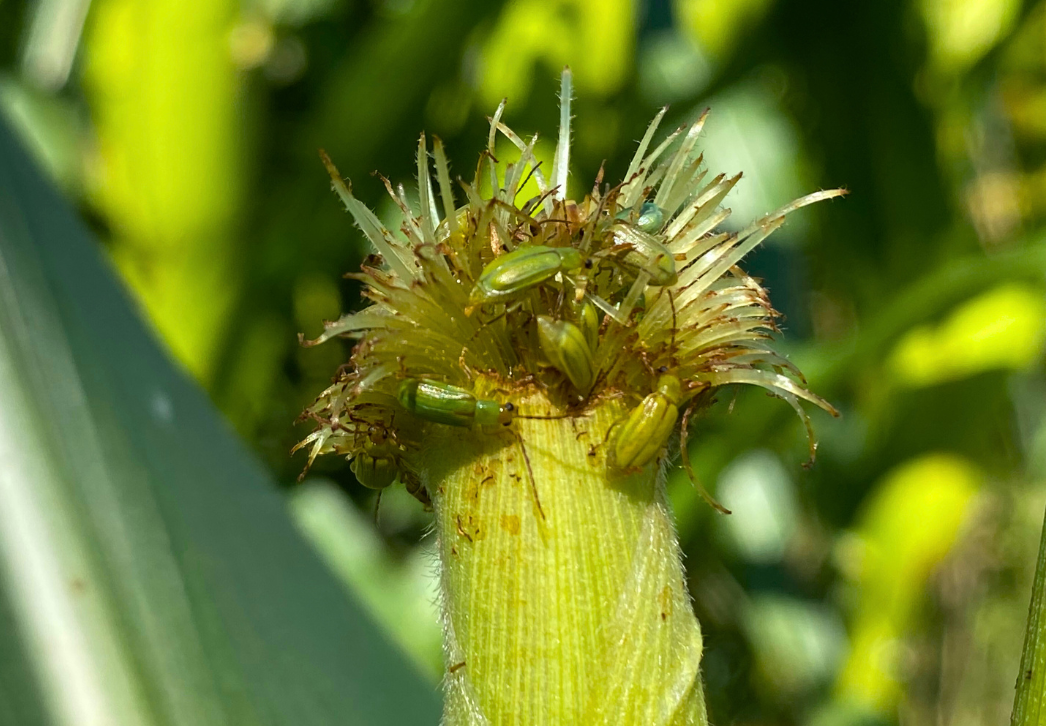
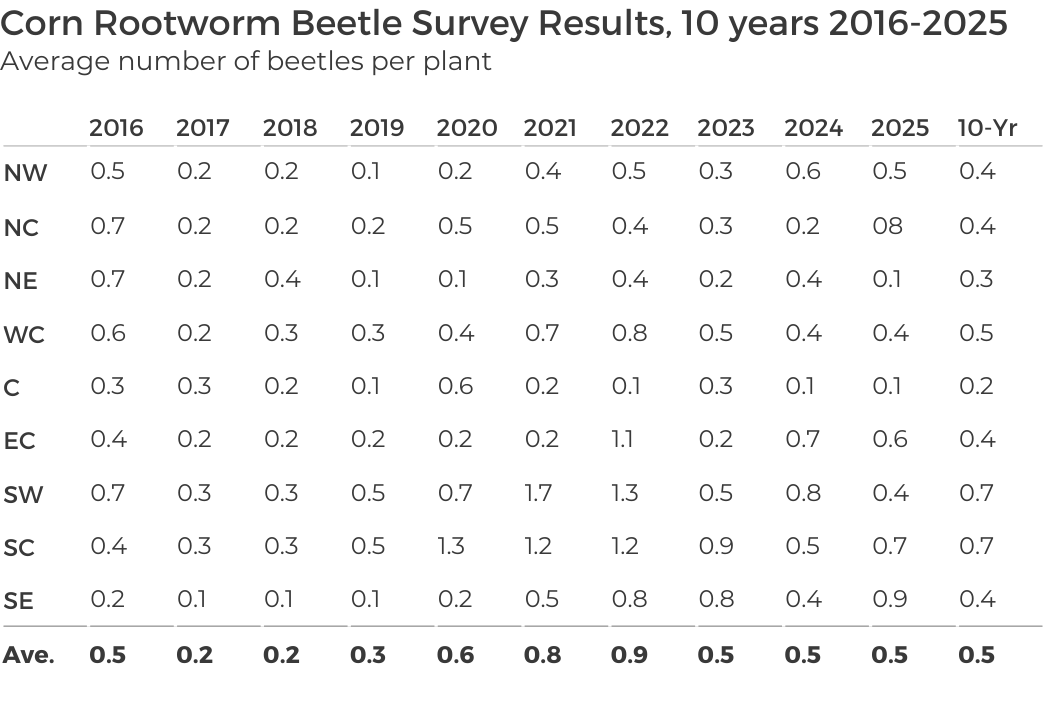
Conducted during peak beetle emergence in August, the 2025 corn rootworm survey found moderate overall beetle pressure, similar to levels recorded in 2024 and 2023. The state average based on counting beetles in 229 corn fields was 0.5 beetle per plant, the exact same average documented the previous two seasons. For context, a high or economic corn rootworm count is 0.75 beetle per plant, the equivalent of finding about eight beetles on 10 corn plants. The 10-year survey average for Wisconsin is also 0.5 beetle per plant.
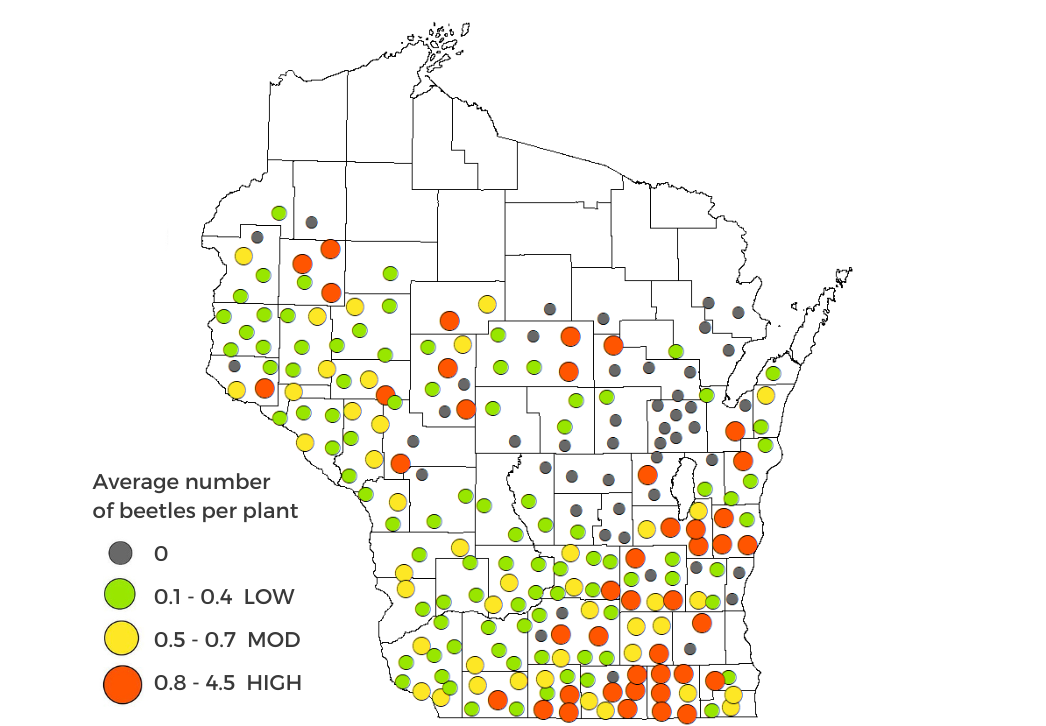
Across the state’s nine crop reporting districts, average beetle counts decreased or remained static in six districts and increased in three districts. The most significant change observed in 2025 was an eastward shift in beetle pressure into the southeastern counties, away from the usual corn rootworm hotspots in southwestern Wisconsin. The highest averages were recorded in the southeast (0.9 beetle per plant), north-central (0.8 beetle per plant), and south-central (0.7 beetle per plant) regions, though only the first two districts had average beetle counts exceeding the 0.75 beetle per plant economic threshold. Corn fields with above-threshold beetle populations comprised 19% of this year’s 229 sites, an increase from last year’s 15%. In addition, the 2025 total count of 1,118 rootworm beetles on 2,290 corn plants sampled statewide was very comparable to the 1,151 beetles tallied in 2024. |
|
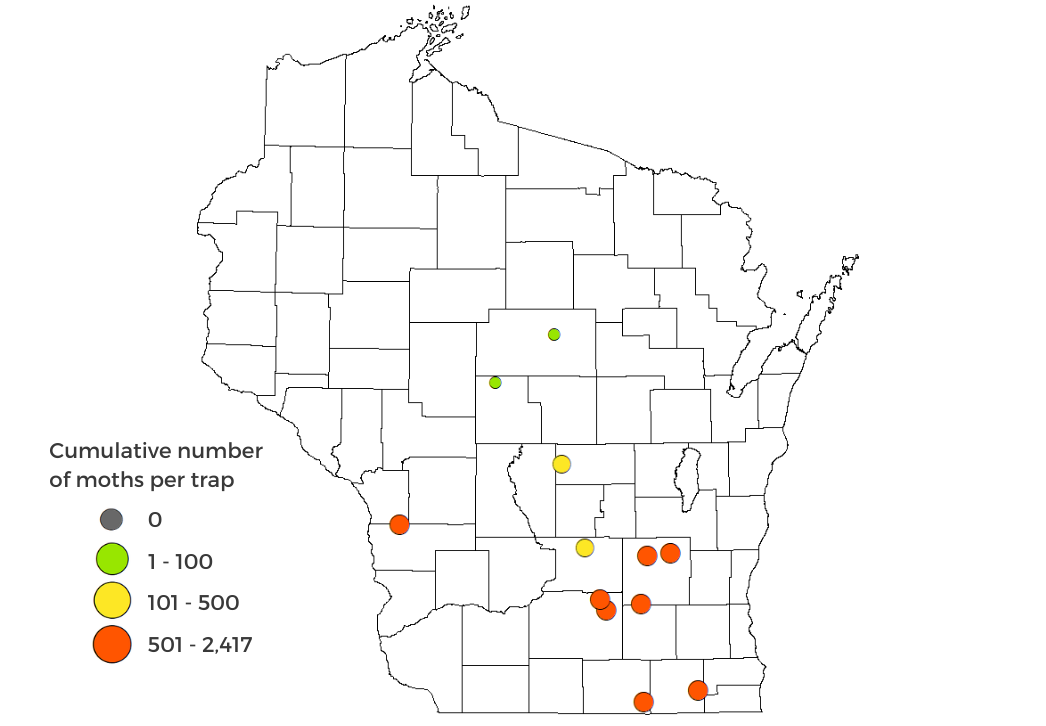
Although the survey documented mostly low and moderate beetle populations in Wisconsin corn fields for the third year in a row, individual fields with high rootworm counts were found across the southern and north-central districts (refer to orange circles in the map above). For these higher pressure areas, rootworm management programs will require a multiyear approach that combines different control tactics and strategies for delaying resistance to Bt-RW traits. Crop rotation is still the most effective regulator of corn rootworm populations by disrupting the insect’s lifecycle, making it foundational to rootworm management. |
|
__________________________________ |
|
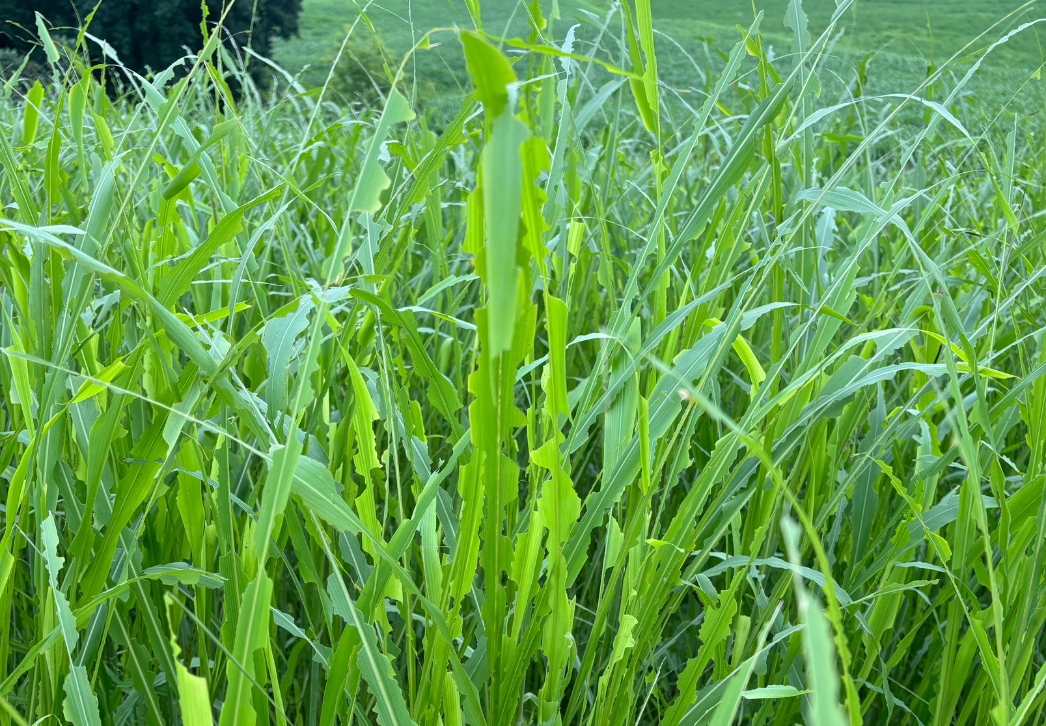
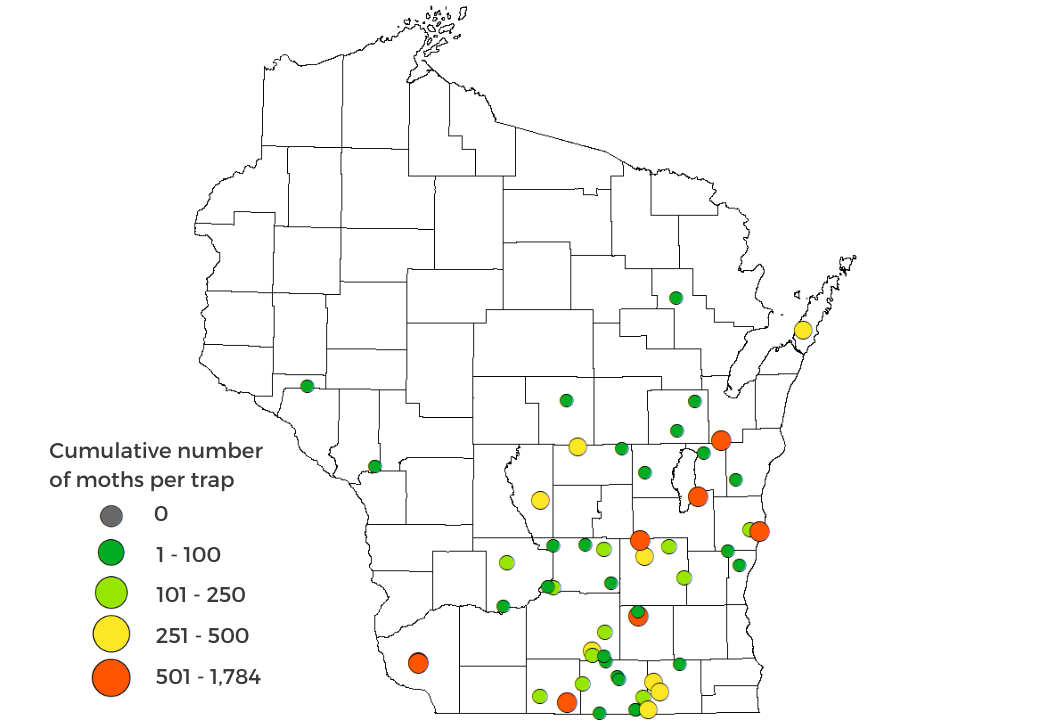
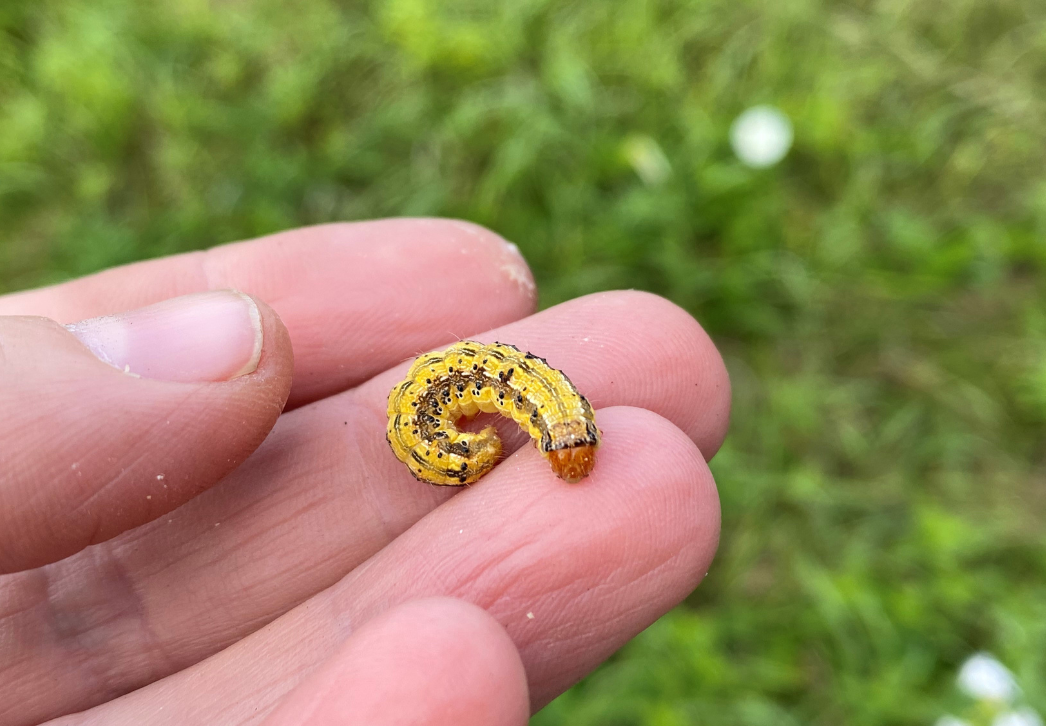
A classic outbreak of second-generation true armyworm larvae developed in crops and lawns in the southern, central, and northwestern areas of the state this season. The earliest reports of armyworm activity began in mid-July, and the week of July 18 to 24 brought many armyworm sightings, most of which involved larvae migrating through residential yards to nearby crop fields. By July 31, reports of locally heavy larval populations had been received from Barron, Burnett, Chippewa, Clark, Columbia, Crawford, Dane, Dunn, Eau Claire, Green Lake, Iowa, Jackson, Jefferson, Monroe, Taylor, Vernon, and Washburn counties.
The timing of the infestations was characteristic of second-generation armyworms and was foreshadowed by large spring moth flights tracked by DATCP’s True Armyworm Trap Network. Heavy migration flights in May laid the foundation for a second round of large, late June flights that produced the damaging larval populations in July. DATCP’s 2025 true armyworm network captured a cumulative total of 14,488 moths in 53 traps (273 moths per trap average) April 1 to July 31. Peak spring moth flights were recorded the week of April 25 to May 1, while the summer flight peaked June 27 to July 3. Additional heavy flights in July signaled a potential for more larvae and feeding to extend into late summer, but the outbreak subsided by early August. |
|
__________________________________ |
|
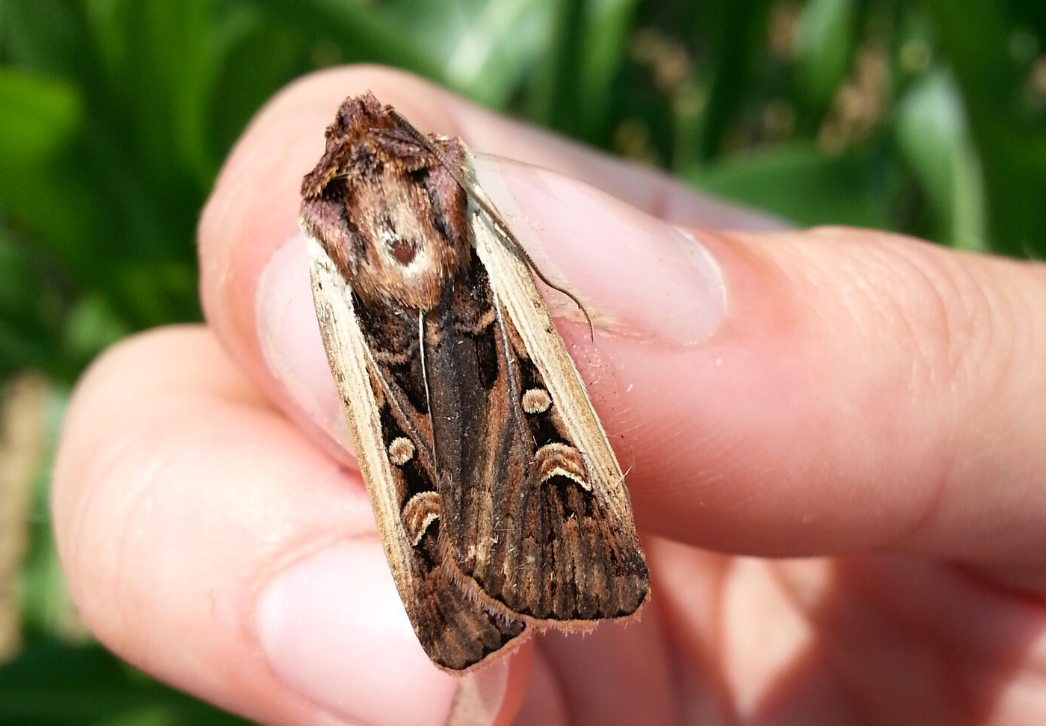
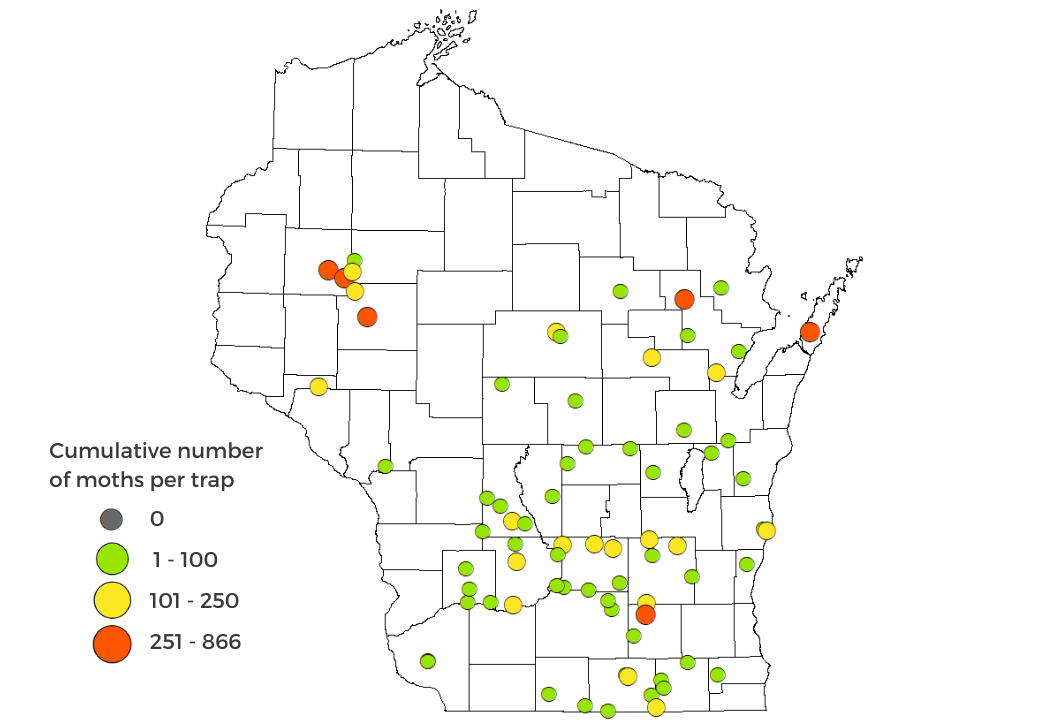
Moth counts registered during the June to mid-August flight period decreased sharply in 2025. The Western Bean Cutworm Trap Network captured an average of 107 moths per trap (7,803 moths in 73 traps), less than half of the 227 moths per trap average (15,685 moths in 69 traps) collected in 2024 when a 20-year survey record was set. The annual flight peaked July 18 to 31 across southern and central Wisconsin and July 25 to August 14 in the north. Six sites recorded counts of 250 or more moths (versus 23 sites in 2024) while the highest individual catch for the 11-week trapping period was 866 moths at Cameron in Barron County. Although the exact cause of the steep decline in moth numbers is unknown, deeper-than-normal frost depths last winter (up to 36 inches in some parts of the state) may have contributed to increased mortality of western bean cutworm pre-pupae overwintering in the upper 3-9 inches of the soil profile. |
|
__________________________________ |
|
Early, heavy corn earworm moth flights in July prompted Wisconsin sweet corn growers to begin management programs about a month ahead of the usual mid-August schedule. Moths started arriving in the state June 30 to July 3, when monitoring sites in Dane, Dodge, and Rock counties registered incoming flights of 100 to 276 moths per week. Migration flights leveled off in July but surged during the second and third weeks of August before waning in September.
DATCP’s pheromone trap network collected a cumulative total of 12,435 corn earworm moths in 12 traps this season (1,036 moths per trap average), with the largest flights recorded August 15 to 21. Flights peaked at 189 moths per night near Burlington in Walworth County, 159 moths per night at Beaver Dam in Dodge County, and 97 moths per night at Clinton in Rock County in this timeframe. The trap location with the highest cumulative catch was Burlington in Walworth County, where 2,417 moths, or one-quarter of the 2025 total moth catch, were collected.
This year’s moth count was 41% higher than the 8,849 moths collected in 14 traps in 2024 (632 moths per trap average), though comparable to the 13,996 moths collected in 12 traps in 2023 (1,166 moths per trap average). The protracted migration posed a mid- and late-summer threat to fresh market and processing sweet corn. Corn earworm larvae were unusually prevalent by September and were observed in 30% of the grain corn fields sampled as part of the fall corn pest survey, well above the 9% rate recorded last season. |
|
__________________________________ |
|
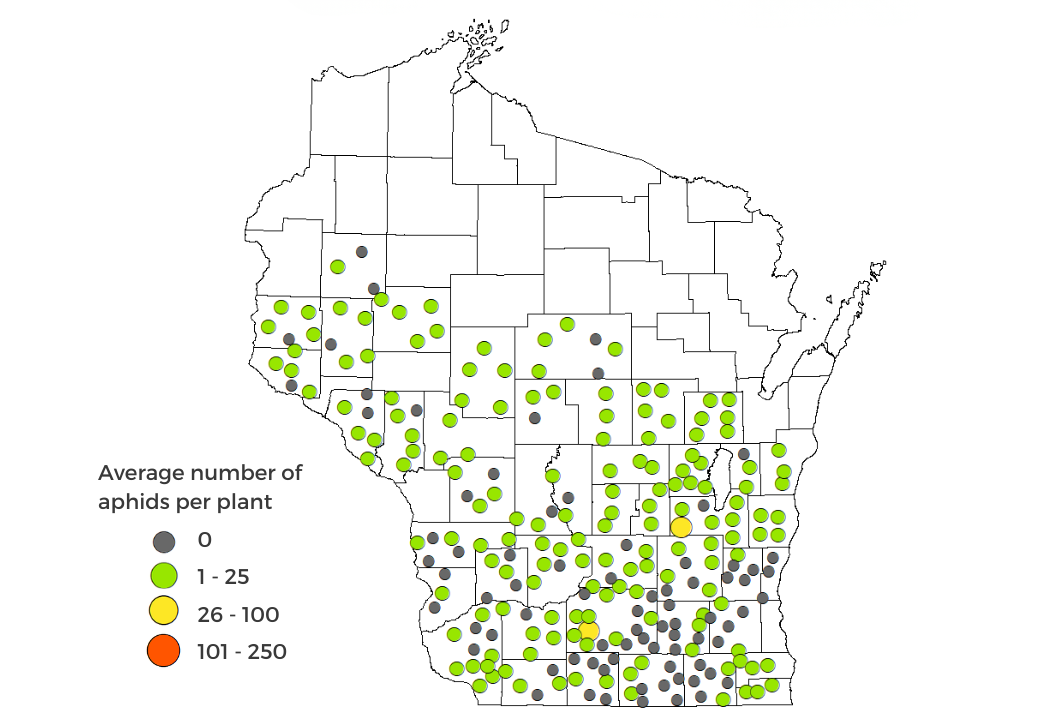
Surveys for economic soybean pests July 3 to 31 found mostly low insect pressure throughout Wisconsin. Soybean aphids were observed in 160 of the 239 fields (67%) sampled. Fieldwide average counts were very low at less than 25 aphids per plant in all but two of the sites. The exceptions were one field in Fond du Lac County with 60 aphids per plant and a Dane County site with 43 aphids per plant (yellow circles in the map below). None of the soybean fields had heavy aphid populations exceeding the 250 aphid-per-plant threshold during the July survey, although scattered fields may have developed higher aphid pressure and qualified for treatment by mid-August. Japanese beetle counts and defoliation were also measured as part of the July soybean survey. |
|
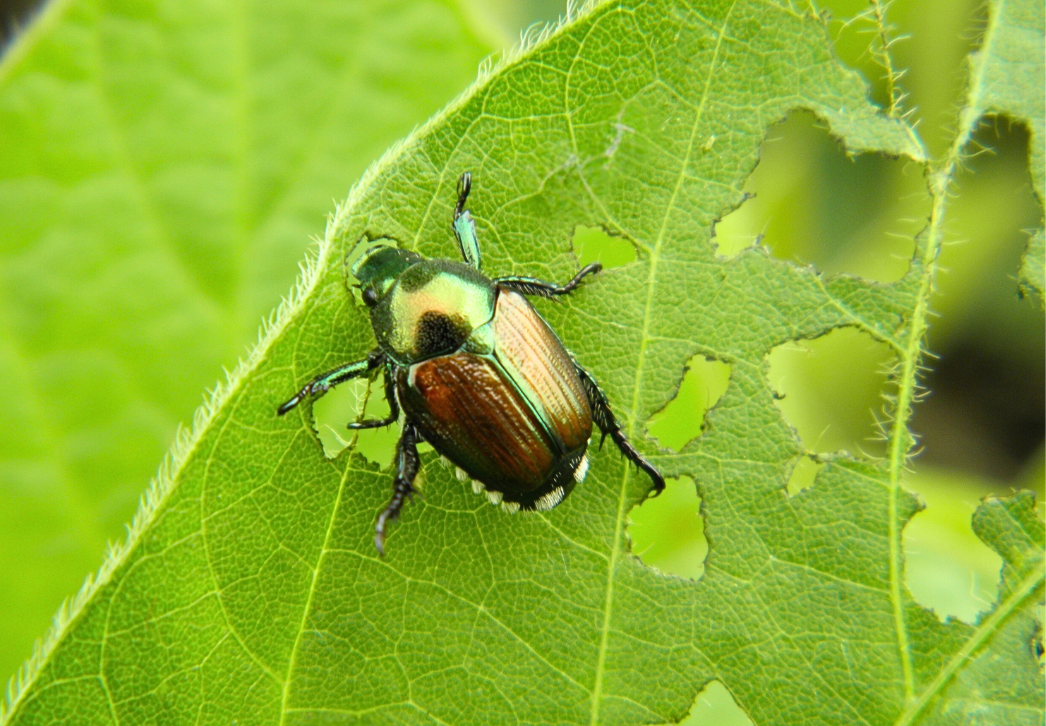
Japanese beetle pressure in soybean fields was below normal in 2025, as was the case in 2024. The average count in 239 fields was 3.6 beetles per 100 sweeps, up incrementally from 2.3 beetles per 100 sweeps in 2024 but the second lowest average in eight years (since 2018). Areas of the state with the highest beetle averages were the southwest (4.9 beetles per 100 sweeps) and west-central (5.7 beetles per 100 sweeps) districts. According to DATCP survey data, Japanese beetle counts and defoliation did not reach economic levels in most Wisconsin soybean fields in 2025.
|
|
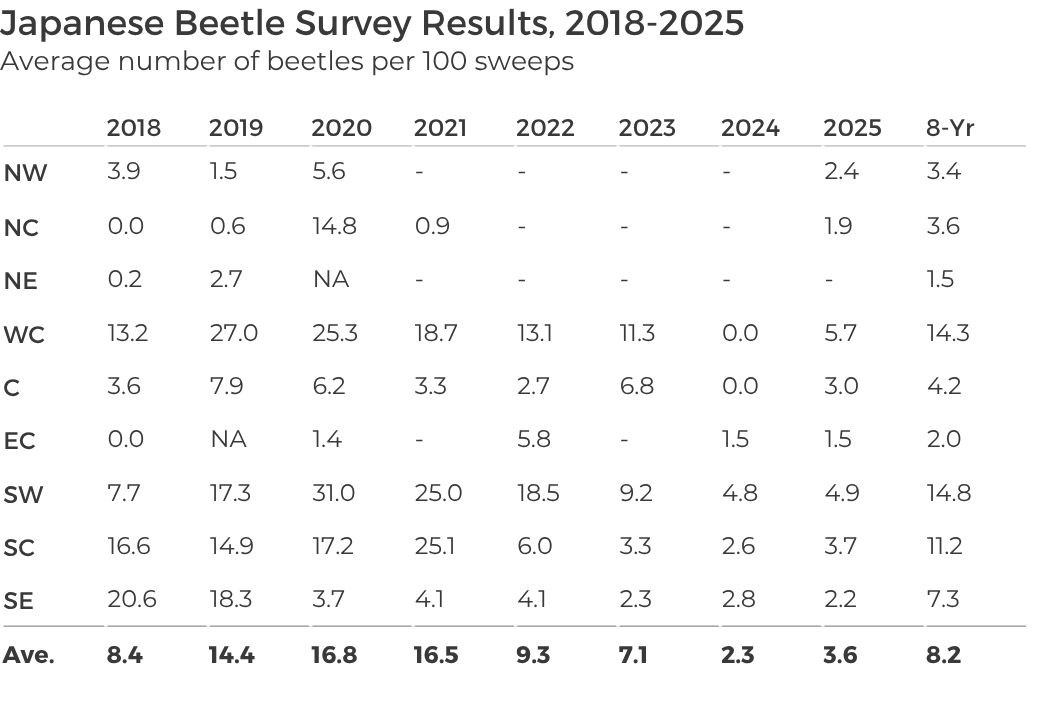 In addition to aphids and Japanese beetles, Wisconsin soybeans were scouted for bean leaf beetles, corn rootworm beetles (all three species), grasshoppers, green cloverworm larvae, and stink bugs. Sweep net counts for these pests were also very low (refer to table above). Two emerging soybean pests—soybean gall midge and soybean tentiform leafminer—were not detected by this year’s survey and have not yet been found in Wisconsin.
__________________________________
|
|
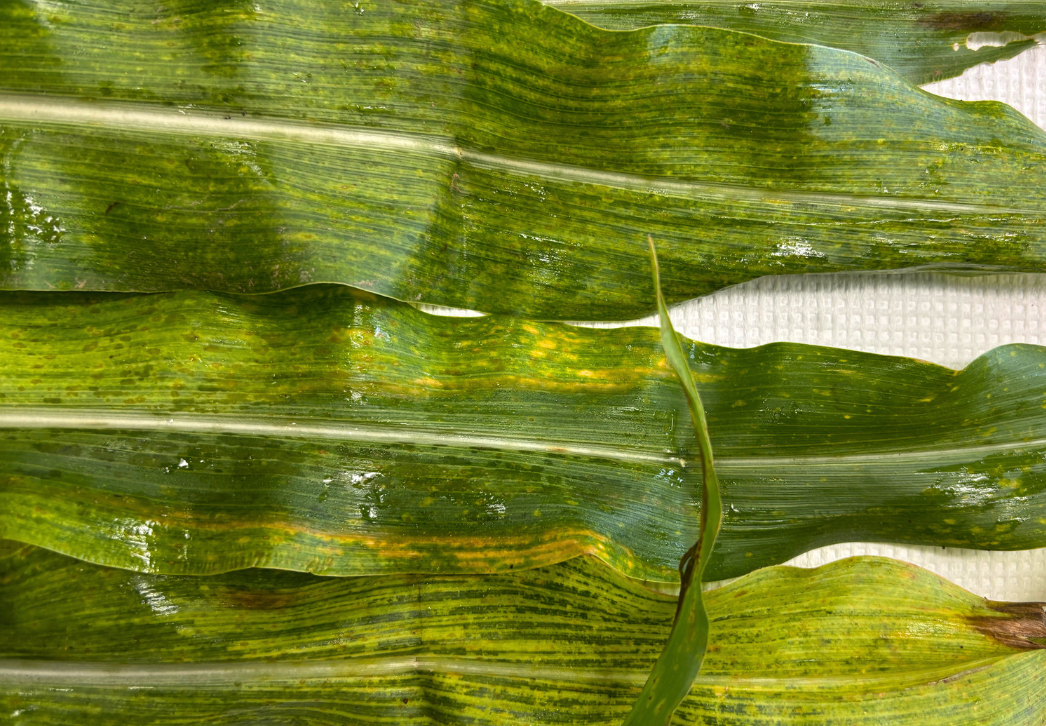 Sugarcane mosaic virus in corn | S. Fieweger DATCP
 
DATCP provides field inspection and lab testing services for agricultural, horticultural, and specialty crop seed exported to other states and countries. An official growing season inspection verifies that the Wisconsin seed is free from regulated pests and diseases before it is exported, which is a phytosanitary requirement for many importing countries. Seed field inspections are conducted by Pest Survey staff in late July and August. The majority of fields inspected are corn.
This season, 82 samples from seed fields were tested by DATCP’s Plant Industry Bureau Lab. Several regulated corn diseases were detected, including anthracnose (Colletotrichum graminicola), brown spot (Physoderma maydis), common corn smut, Goss’s wilt, grey leaf spot, Northern corn leaf blight, stalk rot (Fusarium subglutinans and Gibberella fujikuroi), and sugarcane mosaic virus. One regulated carrot disease, leaf spot (Cercospora carotae), was also found. All of these diseases are known to occur in Wisconsin. An additional 37 blueberry samples, five garlic samples, one potato sample, and one Schuette’s oak sample were tested for phytosanitary certification, and no regulated diseases were diagnosed in those samples.
Seed produced in Wisconsin was destined for 37 foreign countries in 2025. The top five export markets, in descending order, were Chile, the European Union, Argentina, Mexico, and Canada.
__________________________________
 End-of-season summaries for the Pest Survey Program's insect trap networks are also available on the following DATCP pest monitoring web pages:
|
|
__________________________________ |
|
|
|
|