For those of us who live in the watershed, taking action on our own properties to manage rainwater runoff is an integral part of supporting the lake's health. To support these actions, both Whatcom County and the City of Bellingham offer financial incentive programs that help homeowners complete pollution filtration projects on their properties. These include the County’s Neighborhood Native Landscaping Program (NNLP) and the City’s Homeowner Incentive Program (HIP).
This month, our partners at the Whatcom Conservation District sat down with City residents, Deb and Greg Walrath, to highlight their successful native landscaping project completed through HIP. According to the Walraths, the project has earned praise from neighbors and reduced lawn maintenance, all while improving lake water quality.
“I am of the perspective that we are caretakers of the land and what we do affects our own sustainability and that of future generations. We recently became grandparents and look forward to our little one visiting and experiencing a natural environment for all the explorations and adventures that come with childhood.”
Their story is a powerful reminder that working together to improve the health of Lake Whatcom requires action from both government and watershed residents. Read the full story to see how the Walraths transformed their yard and why they advocate for their neighbors to check out HIP!
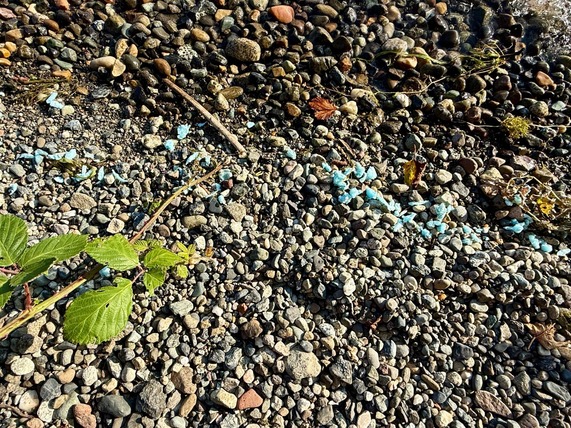
We all cherish the beauty of Lake Whatcom, but recent events serve as a critical reminder: common items used on or near the water can easily become a source of pollution. When lightweight items like toys, floats, life jackets, or dock materials are lost or break down, they become microplastics and debris that harm our drinking water source. Recently, residents reported finding tiny pieces of blue plastic washing up on Lake Whatcom’s shoreline—the remains of a crumbling item swept away by the wind and currents. Thankfully, these folks were kind enough to take time out of their day to help clean the litter!
Keeping plastic out of the lake is a vital part of the stewardship efforts that make a community a safer and more enjoyable place to be:
-
For lake residents and boaters: Make a habit of storing lightweight items like inner tubes and noodles in a secure bin or shed after every use. Also, regularly inspect all dock flotation materials; if the foam is visible or crumbling, it must be replaced or fully sealed.
-
For park-goers and swimmers: When visiting public access points, ensure you leave with everything you brought. Wind and currents can easily carry lightweight packaging or beach toys from the shoreline into the water.
By taking a few mindful steps to secure your gear, you become an active partner in protecting Lake Whatcom's water quality and preserving its beauty.

The seasonal work window in the Lake Whatcom watershed closed on September 30, which means no ground-disturbing activities are allowed until June 1. These activities include clearing vegetation, adding topsoil, and any other work that moves or exposes soil. These special regulations help protect Lake Whatcom from erosion and polluted runoff during the rainy season from October 1 to May 31.
Not sure if your yard work or home projects are affected? Contact your permit center to be sure!
Find contact information and learn more:
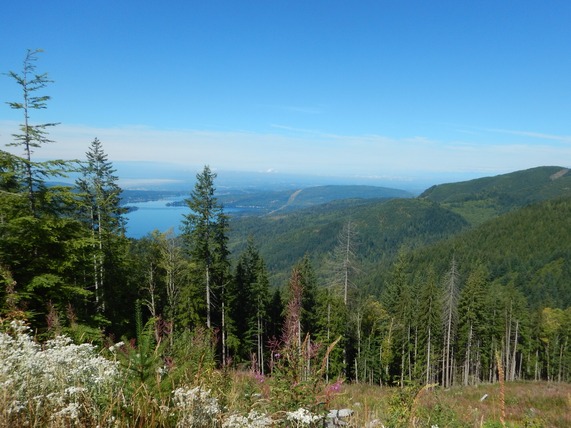
The City of Bellingham and Whatcom County, in partnership with ecological forestry consultants from Northwest Natural Resource Group (NNRG), are finalizing a long-term Forest Management Plan for the Lake Whatcom watershed. This plan will guide the stewardship of over 13,000 acres of public forestland, with a focus on protecting water quality, improving forest health, and supporting responsible recreational access.
Thank you to everyone who participated in public meetings and tours earlier this year. Your input – along with scientific data collected at Lake Whatcom forests this summer – has helped shape the draft plan. The draft will be available for public review in early November on Engage Bellingham. We look forward to hearing your feedback!
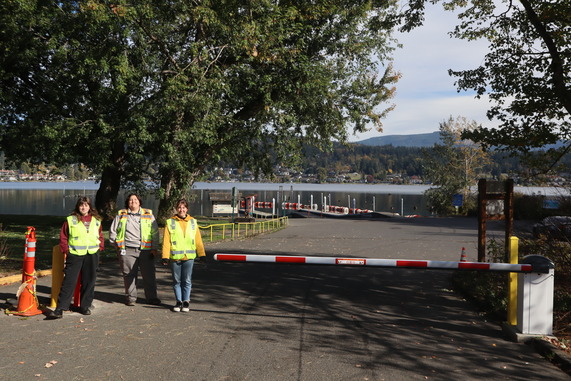
Thank you for a great season of fun and safe boating at Lake Whatcom! The Aquatic Invasive Species (AIS) check stations are now closed for the season as of October 10. While staff are off-site, a current AIS permit is still required for all boats in Lake Whatcom and Lake Samish.
During the off-season, access at Bloedel Donovan Park will be managed by the newly operational AIS check station gates. The gates ensure uninspected boats do not enter the lake when staff are not present. If you plan to launch during off-hours, you will need to call a dedicated hotline posted at the gate for a remote, staff-assisted inspection. Low-risk vessels with current AIS permits will be granted remote access, otherwise staff will do an onsite inspection during work hours.
Boat owners who plan to winterize their vessels are strongly encouraged to arrange for a wire seal by our personnel. A secure seal confirms that your boat has remained clean, drained, and dry, guaranteeing a speedy inspection when the 2026 check stations open. Permits for the upcoming 2026 season will be available for purchase starting January 2, 2026, and the check stations will re-open April 25, 2026.
To get your vessel wire sealed or purchase a permit, please contact the AIS Inspection Hotline at: (360) 778-7975.
Thank you for a great year and we look forward to a stellar 2026!
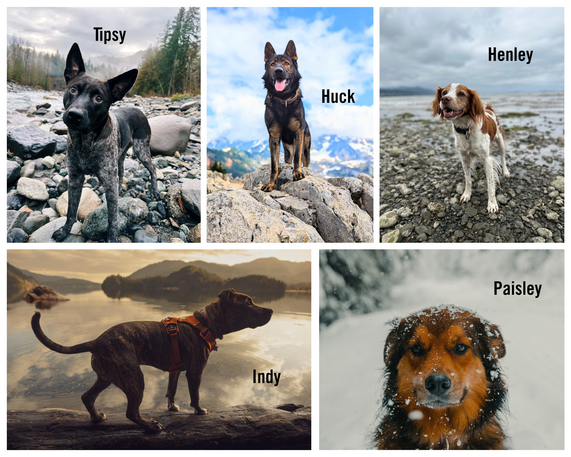
Congratulations to this year’s "We Scoop" photo contest winners! Let’s give these scooping stars a big round of ap-paws! Thanks to everyone who submitted photos this year. We loved seeing all of your adorable pups. This year's winners and their pups are:
- Allyson Ripley and Huck
- Brittany Penn and Henley
- Jordan Stead and Indy
- Marissa Powell and Paisley
- Sierra Johncox and Tipsy
To learn more about the importance of scooping poop to protect water quality
visit our website

Have you ever seen a stormwater-related issue like pollution or flooding and wondered what to do? Whatcom County and the City of Bellingham have quick and easy ways to report problems. The information is sent directly to staff, who can help address the issues.
If you can do so safely, please clear storm drains of leaves and debris or call to report blocked drains.
|