 As we transition into the fall harvest season, let’s take a moment to reflect upon what we have been growing over the past few months. The Office of Social Justice has continued working with our leadership teams to provide training and resources for our staff. Our most recent data informed us that over 50% of staff in our executive departments have completed training related to creating and maintaining an equitable and inclusive workplace culture.
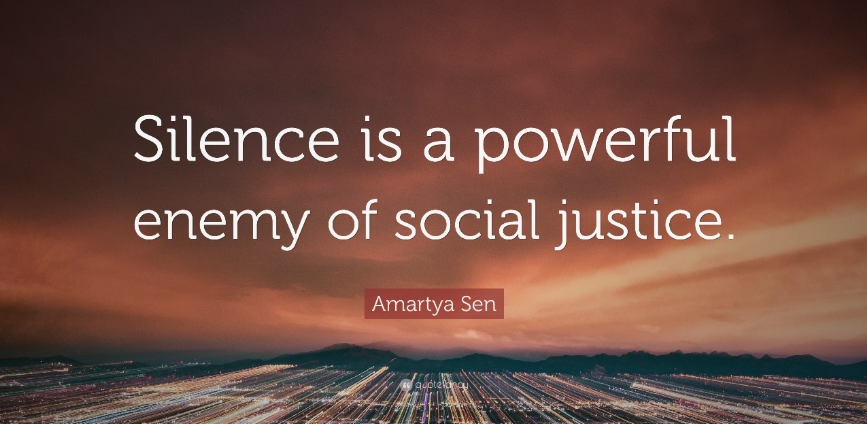
One training, “A Guide to Healthy Communication”, serves as resource to help people better understand intricacies and foundations of communication. Considering the above quote, we can at times fall silent when we are not sure what to say, how to say, or even if we should say. Understanding how we communicate can support us in being able to more clearly articulate our thoughts in challenging, stressful, or unclear situations where we may feel our voices may not carry influence. My hope is for a rich harvest of confidence and capacity to communicate more effectively for all who live, work, and play in Snohomish County.
What is something you wish you were more confident in communicating? What resources have you accessed to improve your abilities? Please reach out to OSJ@snoco.org to share.
For more information on Amartya Sen, check out this link.
With gratitude and determination,
Wil Johnson
Chief Diversity, Equity, and Inclusion Officer
Snohomish County Executive Office
Executive Dave Somers presented his proposed 2027-28 biennial budget to the Snohomish County Council Tuesday, September 1.
In his tenth budget address as Executive, Somers called on his fellow county leaders to pull together during a fiscally challenging time and to focus on how the vital services of county government work together. He submitted a recommended budget that sustains these services through carefully considered cuts, intentional changes in how the county works, and a thoughtful approach to new revenue.
This is Snohomish County’s second biennial budget. The proposed budget including all funds is $3.37 billion total for the next two years, and the proposed General Fund budget is $786.6 million. The majority of County funds are obligated for specific purposes based on how the revenue is legislated or based on grant or contract terms. The general fund is the County’s most flexible funding source and serves as the backstop for everything else.
Snohomish County, like many other public agencies, is facing multiple financial pressures including rapid inflation, an ongoing structural deficit, limited revenue tools available to counties under state law, and federal funding uncertainty.
Somers has proposed a budget that:
Reduces spending by about $22 million in the coming biennium. Those spending reductions are accomplished through a mix of cuts and realignments of county work. The recommended budget eliminates 11 filled positions and 79 vacant positions. Employees impacted by those layoffs have been notified, and the decision to cut vacant positions helped prevent additional layoffs.
Invests in law and justice with revenue from the Justice Fund sales tax, a one-tenth of one-percent sales tax that was proposed by Executive Somers and approved by the County Council in August. That is expected to generate more than $20 million a year for law and justice services, including criminal and civil proceedings, many of which are provided only by Snohomish County for all county residents.
Preserves infrastructure by ensuring the county can continue providing local matching dollars to unlock more than $66 million in external funding for road and bridge projects, and by investing in a facilities study to create an updated, in-depth plan for maintaining existing county buildings and properties.
Makes strategic use of revenue options, including the allowable one-percent property tax levy increase under state law, use of the county’s remaining banked capacity from past years when the increase was not taken, and adjusting to new state requirements setting new minimums on existing levies for veterans, mental health, and developmental disabilities services. All total, using these revenue options would result in taxpayers paying approximately $41 more per year on property taxes for an average-valued home of $741,000.
Reflects the priorities of the community that were shared in multiple outreach and engagement efforts over the last year, starting with the Fiscal Sustainability Task Force in late 2025 and continuing through the summer of 2026 with a community engagement process that presented to and sought input from more than 500 residents representing a wide mix of interests and expertise.
Now, the budget moves on to the County Council for deliberation and public hearings. The Council has set a Community Budget Forum for 6 p.m. on October 7. Typically, the Council votes on a budget by the end of November.
People can learn more about the budget at www.snohomishcountywa.gov/budget, and the full budget address is available to watch online on Snohomish County Television.
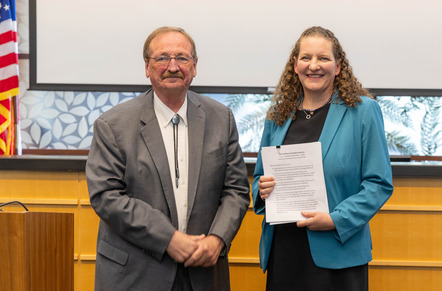
Snohomish County Executive Dave Somers and County Council Chair Megan Dunn pose for a photo after the Executive presented the budget to the Council on Tuesday, September 1, 2026.
 Aerial view of flooding over roads, fields, and buildings near Snohomish.
Snohomish County started the year cleaning up after extended record level flooding. The community heads into fall grappling with elevated wildfire risk and other impacts linked to a long-running drought.
September is National Preparedness Month. Some key actions can make
you and the people you care about more resilient when facing winter
storms, flooding, wildfires, earthquakes and other natural and human caused hazards.
Stay informed: Sign up for SnoCoAlerts to receive emergency information on your phone when it matters most. Bookmark the Snohomish County
Public Safety Hub for the latest disaster guidanceand advice.
Know your area: Learn more about the hazards where you live and work,
as well as along your commute. The Snohomish County Hazard Viewer
makes that easy.
Have a plan: Where would you go if you had to evacuate from your
home? How would you get there? Learn more about community
strategies around evacuation guidance, sheltering-in-place, and
Ready-Set-Go! alerts.
Take a class: The Department of Emergency Management offers a
full schedule of free courses. Multiple offerings are geared toward
helping government employees better coordinate during disasters, and
to prepare themselves and their families.
Get two weeks ready: A major earthquake could seriously damage the
region’s roads and bridges, limiting travel and making it difficult to access
supplies. The best strategy is to build up a two-week supply of food,
water, and medication for you and your pets. By preparing for the worst,
you are better positioned for lesser hazards.
See The Department of Emergency Management’s library of preparedness tips.
On September 11, 2001, nearly 3,000 people from more than 90 countries lost their lives in terrorist attacks in New York, Virginia, and Pennsylvania. The tragedy affected people across many racial, ethnic, religious, and cultural backgrounds and continues to shape communities today.
The events of 9/11 also had a lasting impact on Muslim, Arab, Sikh, and South Asian Americans, many of whom faced increased discrimination, harassment, and hate crimes in the aftermath. These experiences serve as an important reminder of how fear and stereotypes can affect communities and individuals based on their identity or perceived identity.
Remembering 9/11 provides an opportunity to reflect on the importance of challenging bias, protecting civil rights, respecting religious and cultural differences, and fostering a sense of belonging for everyone.
As we honor those who lost their lives 25 years ago, we can also recognize the responsibility we share to build communities where people are treated with dignity and where fear does not become a reason to exclude or discriminate.
National Sickle Cell Awareness Month
Sickle cell disease (SCD) is a lifelong, inherited disorder rooted in a mutation that produces dysfunctional hemoglobin. This causes red blood cells to sickle, disrupting circulation and oxygen delivery. The result is chronic anemia, painful crises, organ damage, and susceptibility to infections.
This month, we amplify the voices, strength, and resilience of the sickle cell community and confront the inequities that continue to shape health outcomes. SCD disproportionately affects people of African descent, yet it has historically received less funding, research, and attention than many other genetic conditions. By amplifying awareness and celebrating community voices, we can help build a future where everyone has equitable access to quality care, meaningful research, and the opportunity to live a healthy.
Hispanic Heritage Month
Hispanic Heritage Month celebrates the rich history, culture, and lasting contributions of Hispanic and Latino Americans across the United States. For centuries, Hispanic and Latino communities have helped shape our cities, traditions, arts, and civic life.
Throughout the month, communities come together through festivals, music, dance, food, educational programs, and cultural events that honor these vibrant traditions and stories. It’s a time to celebrate the diversity, resilience, and contributions that continue to strengthen our communities.
National Suicide Prevention Month
National Suicide Prevention Month is a time to raise awareness, reduce stigma, and remind one another that no one has to face a difficult moment alone. By fostering compassionate conversations and meaningful connections, we can help create communities where people feel seen, supported, and valued.
Need support?
- Call or text 988 to reach the 988 Suicide & Crisis Lifeline for free, confidential, 24/7 support.
- Chat: 988lifeline.org
- For Spanish: Call 988 and press 2, or text AYUDA to 988.
If you or someone you know is in immediate danger, call 911 or go to the nearest emergency department. Every conversation matters. Every person matters. Help is available. You’re not alone.
National Alcohol and Drug Addiction Recovery Month
Observed each September, National Alcohol and Drug Addiction Recovery Month honors the courage, strength, and resilience of people on their recovery journeys. It’s also an opportunity to reduce stigma, promote understanding, and recognize the importance of supportive, inclusive communities.
Recovery is possible, and no one has to navigate it alone. By leading with compassion and connecting people to resources and support, we can help build healthier communities where everyone has the opportunity to thrive.
Hotel-Motel Small Fund Grant
- This grant is funded with the County Lodging Taxes imposed on hotel and motel room rentals in Snohomish County. Funding is awarded through a competitive process and provided on a reimbursement-only basis.
- Now accepting applications for the 2027 Hotel-Motel Small Fund Grant from public and non-profit agencies for tourism marketing promotions, and capital projects.
- Applications are due by October 30, 2026, at 11:59 pm.
Tourism Promotion Area (TPA) Fund Grant
- This program is designed to increase tourism and overnight stays in Snohomish County through grants and marketing initiatives funded by lodging assessments.
- The TPA grant is open to all private, public and non-profit applicants seeking assistance for non-capital projects. Large scale, multi-day events, activities and projects that produce significant sales of hotel room nights are encouraged to apply and highly preferred.
- Applications are due by 11:59 pm on the first day of each month.
To apply and for more information, please visit: Lodging Tax Grants
September local community events and gatherings are here! We encourage you to participate in any event that is meaningful to you.
Domestic Violence Services Foundations Fall 2026
- September 8 - October 1, every Tuesday and Thursday
- 5:30 PM - 8:00 PM
- Location details will be shared with registered participants
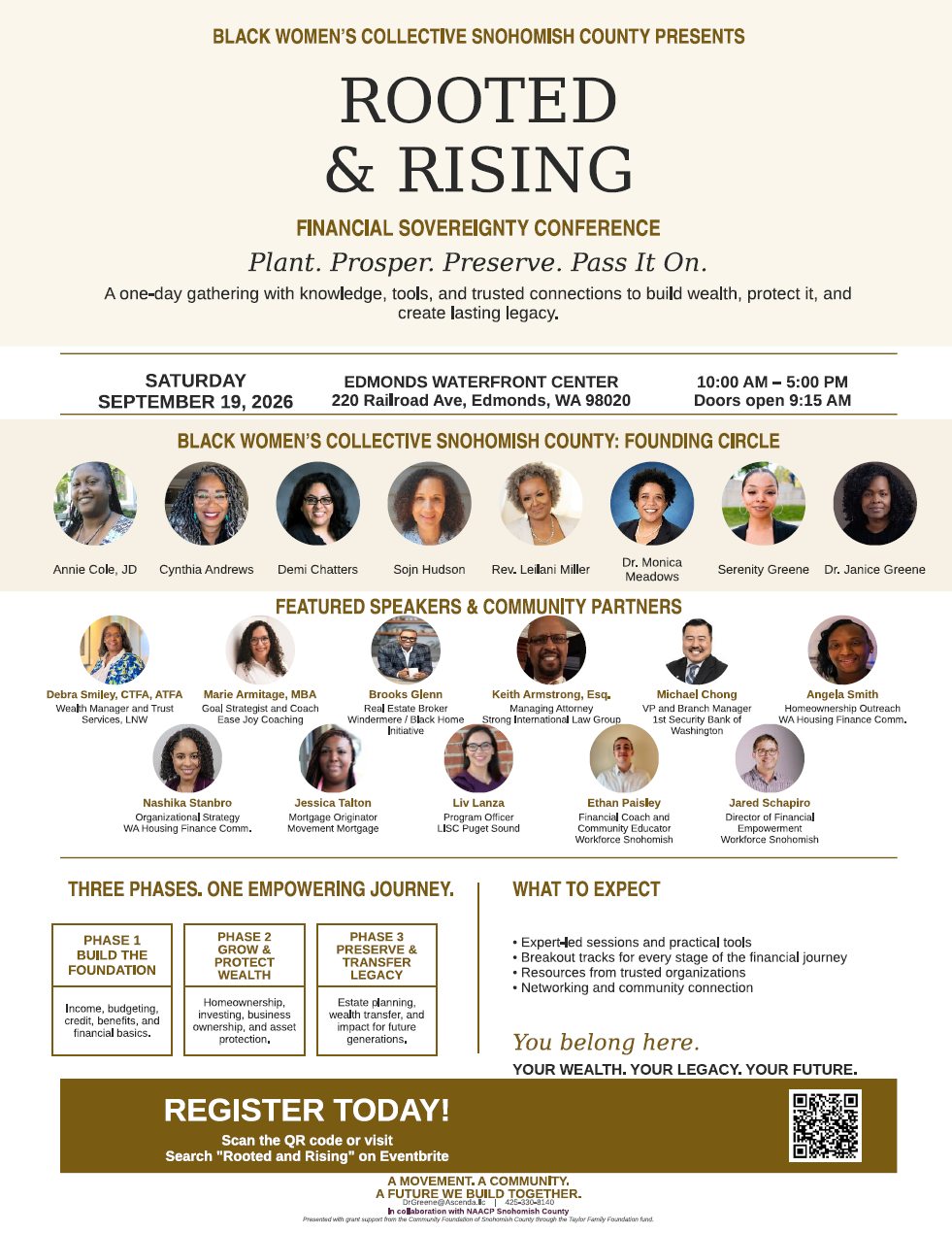
Rooted and Rising
- September 19
- 10:00 AM - 5:00 PM, Doors open at 9:15 AM
- Edmonds Waterfront Center, 220 Railroad Ave, Edmonds 98020
Habitat for Humanity of Snohomish County Raise the Roof 2026
- September 19
- 5:00 PM - 8:00PM
- Lynnwood Event Center, 3711 196th St SW, Lynnwood 98036
Snohomish County 2026 Sports Hall of Fame Induction Banquet
- September 23
- 4:30 PM - 9:00 PM
- Edward D. Hansen Conference Center, 2000 Hewitt Avenue, Everett 98201
National Day of Remembrance
- September 30
- 4:30 PM
- Gathering Hall in the Tulalip Administration Building, 6406 Marine Dr, Tulalip 98271
Stay tuned for more events in our community!
Have an inclusive community event you'd like to share? Send event details to osj@snoco.org. Due to space constraints, not all submissions can be published.
Subscribe! Did you receive this newsletter as a forward or link?
To subscribe to “The Thread," go to the subscriber page, enter your email, and click "Submit." On the next page, select "The Thread" under the "County Executive" section, then click "Submit" at the bottom of the page.

|