Social Emotional Learning
April 11, 2024
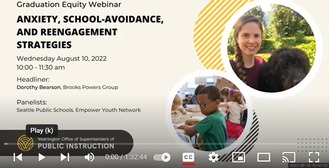
Click the image below to see the video, or follow this link: Improving Attendance and Engagement in Washington (OSPI)
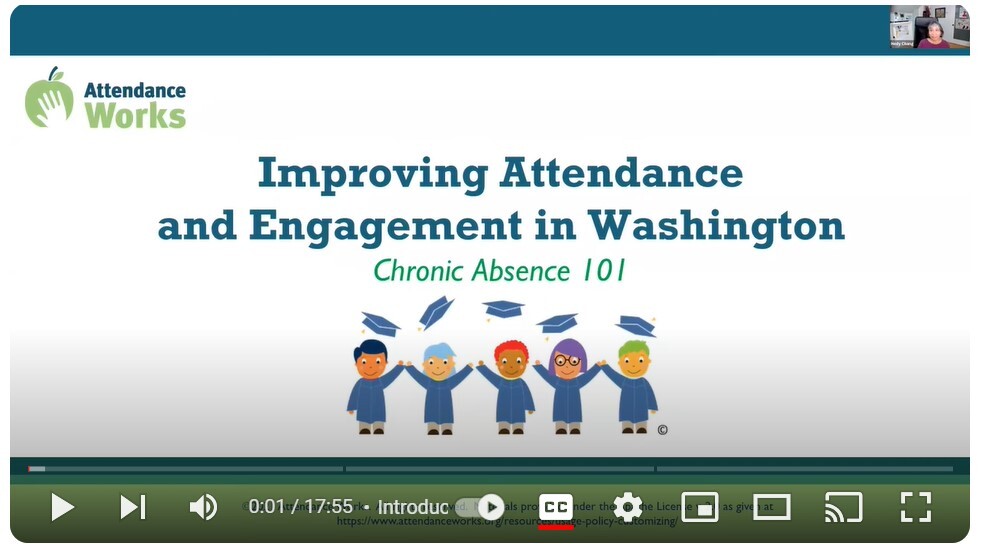
This month’s message comes from Jenna Millett, Attendance & Reengagement Program Specialist, and Vicki Wood, Attendance Program Supervisor at OSPI.
Attendance serves as a critical early warning indicator in education. When students miss school, it can signal deeper issues—inequities, family challenges, or lack of engagement. By addressing attendance proactively, we pave the way for student success and well-being.
Fostering school connectedness is a high-leverage, school-wide activity that will increase your student's attendance, engagement, and reengagement. Research shows that young people who feel connected to their school are more likely to have better academic achievement, including better school attendance. When teachers build trusting relationships and have open dialogue and communication to explore why a student is absent, families feel supported and will benefit from additional resources that will improve attendance and engagement. In other words, creating a positive school climate and teaching Social Emotional Learning (SEL) can reduce chronic absenteeism. SEL skills such as collaboration, and emotional management can reduce chronic absenteeism. When students are present, they are able to develop relationships with peers and adults. As students incorporate SEL skills in their learning they build resiliency, attendance is often a reflection of the conditions for learning within a school. For that reason, it is crucial to have a positive school climate and culture, and SEL helps to build that.
Visit the OSPI Attendance webpage for more information, including Best Practices for Improving Attendance, and check out their YouTube playlist of previous webinars.
The next SEL Advisory Committee meeting is Tuesday, April 23, 9:00AM–12:00PM. The meeting will be held via Zoom (link attached).
We encourage the public to attend and provide time for public comment. You may also share public comment to the SEL Advisory Committee at any time by using the comment link on the SEL website.

Want to make a difference in Social Emotional Learning in Washington?
The SEL Advisory Committee is accepting applications for new members to fill vacant seats. We would love for you to apply if you have the following:
- A passion for helping our students and for social emotional learning
- You have the time and capacity to fill the position for a year (The Advisory Committee’s 2023–2024 schedule is in the application.)
If you apply for a seat that is currently filled, we are happy to hold applications to fill future vacancies. Our current vacancies are:
- One representative from a coalition of youth-serving organizations working together to improve outcomes for young people
For more information on the SEL Advisory Committee, please visit our web page. If you have any questions, please contact Emme Williamson.
|

In recognition of International SEL Day on March 8th, Program Supervisor Debra Parker met with staff and students from North Thurston High school to learn how they incorporate SEL and why it is important to them. Thank you, Nick Greenwell, Principal of North Thurston High School for the time with your students and staff. Read on to hear from Debra about her visit, as well as reflections from staff and students!
|
Staff from North Thurston High School celebrated SEL Day by sharing successes in their classrooms and advice for new teachers.
An ELL/ELA teacher with over 21 years of experience said, “you are a kid teacher first, then a teacher of your content.”
“We incorporate SEL into our ELL/ELA classrooms by connecting with our students the minute they walk in the door. We know if their basic needs have not been met, they are not able to engage academically. To build authentic relationships with their peers, we give them time in the beginning of each class to talk with one another about topics they choose. Our students were involved in the Billy Frank Jr. Annual Celebrations, they really enjoyed the connections of culture and identity.”
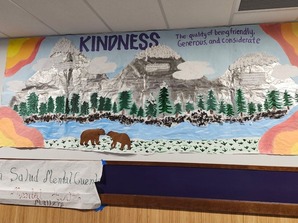
One of the Science and Advisory Teachers talked about establishing relationships and creating a classroom of belonging as a key to students being successful academically. And it doesn’t have to be just the students in your class.
"Hanging outside the classroom between passing time is a great way to be available to all students, just to say “hi,” “good morning,” or “how are you?” SEL is an essential part in building a place where kids want to be, and it needs to be taught more often to really benefit students."
Creating a student-led peer mentoring team has been impactful in providing restorative practice support at North Thurston. The process of establishing restorative practices was a long and collaborative process, including site visits to partnering districts, lots of train the trainer and professional development including situational role play. North Thurston's Restorative Practices Paraeducator who leads these efforts shared that doing “walk-abouts” with peer mentor students was an empowering way to engage others and build authentic relationships. Students and educators are working together to resolve conflicts through empathetic approaches.
“We need to follow –up with students and their classroom teachers, it is an important step in reengagement.”
|
Advice for new teachers from teachers
- Share things outside the classroom, get involved in student activities, talk with students about things they are interested in.
- Invest in time to set up your classroom so it is welcoming to all students, and is representative of their cultures, languages, strengths, and dreams.
- Talk with colleagues and your administrators, they can help you navigate conflicts, share SEL strategies, and are good sources of peer support.
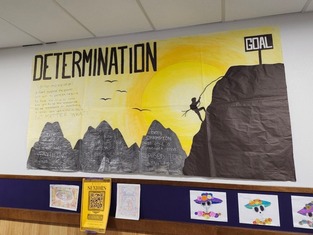
When asked “what makes for a good high school experience?” hands down, the most important thing that was shared was having friends and having teachers who really understand and care for them.
One senior explained that she moved to Olympia during the pandemic, having two different experiences: learning from home for the first half of the year and then eventually on campus. Being a military kid, she was also transitioning to a new state, home, and school. At first, making new friends was hard, but she has strong communication skills, the ability to engage with new people, and is motivated to problem-solve. She attributes lessons of persistence and resilience to her success in school. She set high standards for herself and is looking forward to the future.
Another student shared the importance of having something to look forward to. Not just going to class each day. Our school has a lot of different clubs, music programs, sports, and activities that bring us all together.
"When coaches, teachers, volunteers, and the principals make things fun, let us share our creativity and leadership, more kids feel like they belong. This, to me, is SEL."
Do you have a favorite teacher or class?
|
“I have two favorite classes, AP Literature and AP Biology. The teachers provide opportunities for us to practice real life stuff, like college essay writing, job reference letters, and we get to practice what we’ve learned. My science teacher structures class with resources to look beyond the classroom. Both teachers make themselves available to answer questions and show they really care about my success."
Another student said his favorite subject is math, and the teacher is nice and easy to have a conversation with.
"She asks about me and remembers the things I am interested in, like coding. You know you belong by seeing your teacher’s expression, and how they interact with you. I like this, but also appreciate it when a teacher sets expectations. For example, letting us talk a bit at the beginning of class, but knows how to balance that with, 'let’s get to work.'"
A group of students talked about needing more social interaction and time to talk with teachers and peers about how they are feeling, what they want to do after high school, and how they can get there.
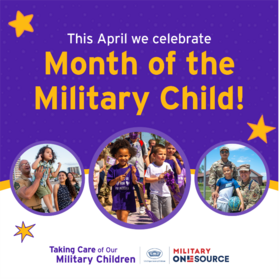
During April, the Department of Defense (DOD) works with national, state, and local schools, military organizations, community members and families to celebrate the children of our military service members. Military children often navigate frequent relocations, up to three times more often than their civilian peers, as well as separations due to deployments and temporary training obligations across the state. This can impact relationships, mental health, and academics. For more information, check out the Military One Source April 2024 factsheet.
Social Emotional skills can help students when they are entering new schools, meeting new people, and making new friends. Military kids bring assets to the classroom such as diverse perspectives, global perspectives and knowledge, resiliency, adaptability, and peer leadership qualities that can entice new learning opportunities for all students. In Washington, there are over 32,000 students who have parents and/or caregivers serving in the military.
|

Parents, school staff, and community members can help ease relocation transitions by ensuring a safe and supportive environment in schools. The Purple Star program is awarded to schools who involve military families and the community in supporting the academic and social emotional wellness of military-connected students. Schools are awarded the Washington State Purple Star Award every two years acknowledging the dedication they make to serving those who Serve. Visit the Military Connected Students (OSPI) webpage to learn more.
The dandelion holds a special place as the official flower of the military child. Their seeds represent the ability to move and start over, growing strong roots in diverse environments, making deep connections and withstanding various conditions, much like military kids adapting to new schools, friends, and homes. When you see a dandelion, remember that it represents endurance, hope, and the sacrifice of military children!
|
PURPLE UP for the Month of the Military Child!
Why Purple? The combined colors of each branch of the military create purple. The Air Force, Navy, and Coast Guard all use shades of blue, while the Army used green, and the Marines use red. This unifies support for military-connected children within all branches of the military.

Outdoor Schools Washington, in partnerships with OSPI and Pacific Education Institute, makes residential outdoor education experiences possible for children in Washington, so they may create relationships with others and connections with the natural world through curiosity, exploration, and science.
Their spring training runs April 22–26, 2024 at Camp Koinonia in Cle Elum and will dive into all things outdoor school! This training is designed for:
- Public school teachers/ staff interested in starting outdoor education designed for their school/district focusing on 5th and 6th grade
- Staff from outdoor school sites that do not currently offer outdoor education programs
- Staff from outdoor school sites that do offer outdoor education experiences but would like to enhance their program and/or learn more about state learning standards and resources available
Registration for the spring training is available online. For more information, review the flyer or email Shelley Barker, Director of Curriculum and Professional Development at Outdoor Schools Washington.
|
These resources may contain links to websites operated by third parties. These links are provided for your convenience only and do not constitute or imply any endorsement or monitoring by OSPI.
|