Dear Friends and Neighbors,
With just two weeks left before adjournment on March 12, budget negotiations are taking center stage. Washington operates on three primary budgets — the operating, transportation, and capital budgets. The first two tend to grab the headlines, but today I want to focus on the one that quietly makes long-term investments in our communities: the capital budget.
I’ll break down the operating and transportation budgets in future updates. For now, let’s talk bricks and mortar.
What is the capital budget?
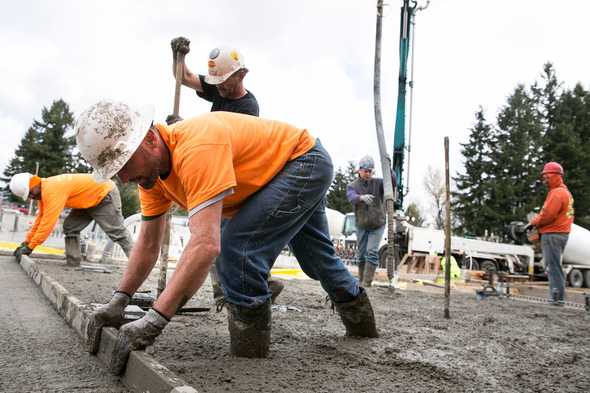 The capital budget funds construction and maintenance of public infrastructure across Washington, from classrooms and college facilities to water projects, parks and public safety buildings. Unlike the operating budget, which relies heavily on sales tax, property tax and the Business and Occupation (B&O) tax, the capital budget is primarily funded through bonds and other dedicated accounts.
That matters because when projects are funded here at home, your tax investment dollars come back to our communities in the form of safer facilities, stronger infrastructure and long-term economic growth. It’s also the most bipartisan budget we pass, and for good reason. Investments in schools, water systems, and community facilities are the kinds of priorities that tend to bring people together.
This year’s Senate proposal
The 2026 Senate supplemental capital budget totals $723 million and builds on last year’s unanimously approved $7.5 billion 2025–27 capital budget. Because this is a short-session year, the focus is on targeted investments and mid-course adjustments, addressing changing school enrollments, infrastructure needs and economic conditions. The proposal funds projects statewide in areas such as K-12 and higher education, water infrastructure, flood response, housing, agriculture and clean energy. It truly takes a statewide approach.
Investments that matter to our region
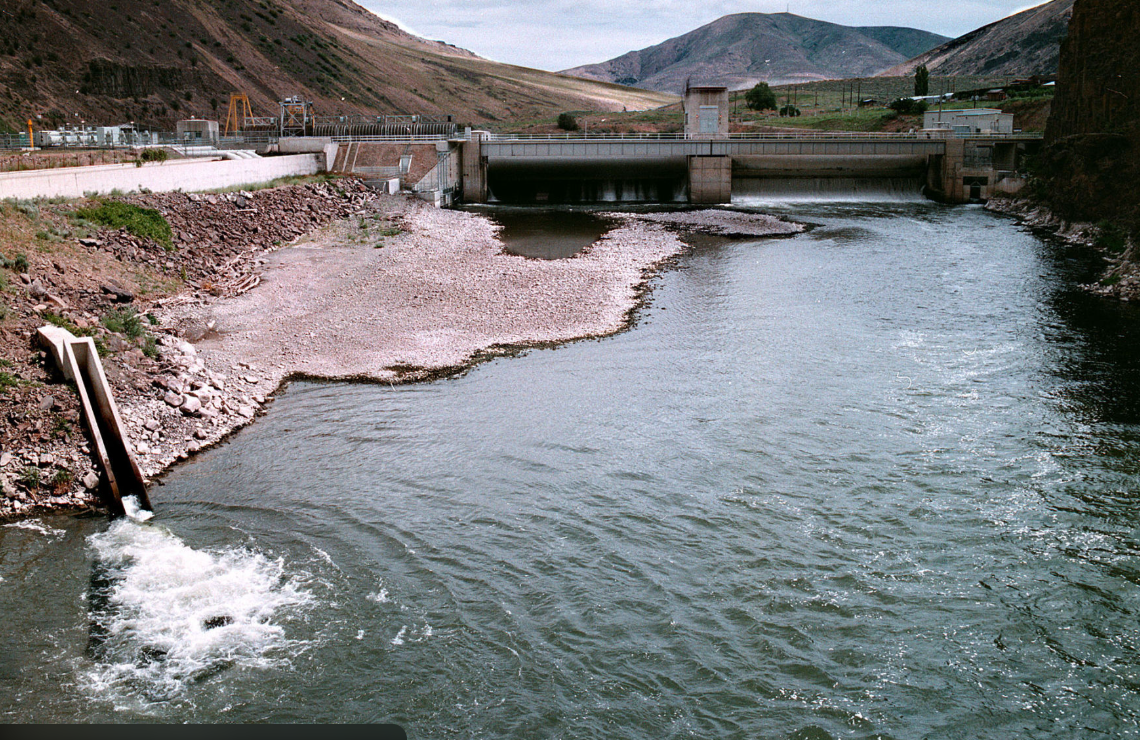 Roza Canal in Central Washington — a critical water delivery system supporting agriculture, local jobs and communities across the Yakima Valley.
Even in a challenging political environment, I worked alongside my colleagues to stay at the table and advocate for priorities that matter here at home — including community facilities, public safety, housing, and critical water infrastructure.
Not every project listed below sits entirely within the 15th District. Our communities are interconnected, and we work closely with our neighbors in the 14th, 8th and 16th districts to support investments that strengthen the entire region. When water flows, farms thrive, officers are well trained and families can find housing, we all benefit.
Here are several projects in the Senate’s proposed capital budget that I’m especially proud to support:
-
Fire Station 52 Parking Lot Safety Upgrade — $155,000 This funding will make critical safety repairs so fire trucks can safely access and operate from the facility. It’s not flashy, but it’s essential for emergency response.
-
Naches Hatchery Raceway Refurbishment — $93,000 Improvements that support fish production and environmental stewardship.
-
Lower Naches Grange #296 Refurbishment — $40,000 Giving this 1950s community landmark a much-needed facelift.
-
Roza Canal Improvements — $4,475,000 These investments protect one of our region’s most critical water delivery systems, improving efficiency and supporting agriculture across Central Washington.
-
Pasco Regional Police Academy Improvements — $1,002,000 Modernizing academy facilities and expanding usable space to ensure officers are well trained and prepared.
-
Roof Replacement for Agricultural Livestock Barns — $150,000 Protecting facilities that support our local agricultural economy.
-
Pasco Reimann Expansion Engineering Master Plan — $258,000 Planning work that positions the community for thoughtful growth.
-
Richland Transitional Veterans Home — $150,000 Supporting housing stability and transitional services for veterans.
-
Kennewick Activity Center Asbestos Abatement — $93,000 Removing hazardous materials to ensure the facility is safe for community use.
-
West Richland Homeownership Infrastructure — $1,520,000 Funding infrastructure for an 18-unit affordable, owner-occupied townhome development. With rising housing costs driven by rapid population growth, affordable housing is more important than ever. This project will serve low- and moderate-income households earning between 30% and 80% of area median income — helping working families build stability and equity.
-
WSDA Plant Services Lab, Prosser — $2,186,000 Design funding for a new Washington State Department of Agriculture plant services lab at the WSU campus in Prosser, strengthening agricultural research and plant health services that support growers across our region.
What’s next?
These are just highlights. Please remember that these projects are included in the Senate’s proposed capital budget, and the process isn’t over yet. Negotiations with the House are still underway, and the final version will be reconciled and voted on before session ends. I’m excited about what these investments could mean for our region, and I’ll keep working to help move them across the finish line.
There are additional projects in the Senate proposal that support communities across our region. You can review the complete proposed project list here.
Stay in touch!
I’ll continue to keep you informed as negotiations move forward. In upcoming updates, we’ll take a closer look at the operating and transportation budgets.
In the meantime, I encourage you to stay in touch. Visit my website to track my activities, review legislation, watch videos and read updates. You can also follow the work of the Senate Republican Caucus and connect with us on Facebook, X, Instagram and YouTube.
As always, thank you for staying engaged!
It’s an honor to represent you.
 Senator Nikki Torres
15th Legislative District
|