|
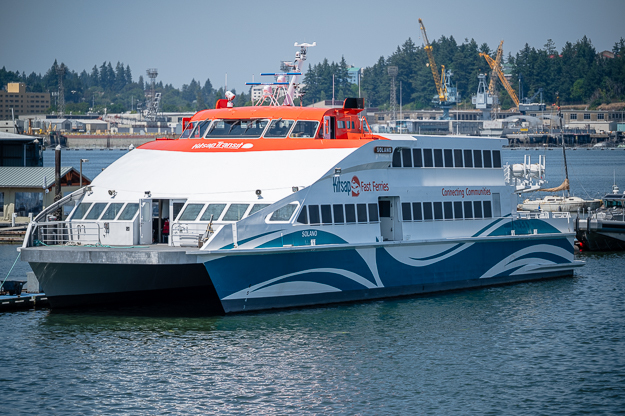
OLYMPIA — A century ago, small foot ferries crisscrossed Puget Sound, connecting communities quickly and affordably. Rep. Greg Nance (D-Kitsap) says it’s time to bring them back— and to power a new wave of Made-in-Washington jobs and maritime innovation.
“It’s time to allow passenger ferries to connect communities once again,” Nance said. “They’re the fastest and most cost-effective way to get boats on the water and restore reliable ferry service—while creating good-paying jobs right here in Washington.”
Washington’s ferry system has faced years of service disruptions, with delayed and canceled sailings impacting families, workers, students, and patients attending critical medical appointments. Aging vessels and maintenance challenges have sidelined multiple boats, and new hybrid-electric ferries are not expected to arrive until 2030 at the earliest.
“Kitsap Transit Fast Ferries have made all the difference for folks on the peninsula,” Nance said. “Passenger ferries are a proven tool that should be available to communities across Puget Sound.”
Under current state law, most local governments, ports, tribes, and private operators are prohibited from running foot ferry service. Nance’s legislation—House Bill 1923, known as the Mosquito Fleet Act—would change that by opening passenger ferry operations to local partners willing to step up with innovative, community-based solutions.
“This is about empowering local solutions to a statewide challenge,” Nance said. “The current exceptions in law prove this model works. Now it’s time to scale it up.”
Restoring connections across Puget Sound
The Mosquito Fleet Act could help reestablish historic and strategic routes, including:
-
San Juan Islands to Sidney, B.C., restoring a 103-year-old international connection paused since 2020
-
San Juan inter-island service to Bellingham
-
Port of Everett to South Whidbey
-
Olympia to Sea-Tac via Des Moines
-
Vashon–Seattle–Des Moines circle route
By authorizing ports, counties, cities, and tribes to operate SOLAS-certified passenger vessels, the bill creates a flexible framework to meet local transportation needs while strengthening regional mobility and tourism.
Made in Washington: Maritime jobs and economic growth
Beyond transportation reliability, the Mosquito Fleet Act supports Washington’s maritime economy—one of the strongest in the nation.
By accelerating demand for smaller passenger vessels, the bill would:
-
Support Washington shipyards and marine manufacturers
-
Create skilled union jobs in vessel construction, maintenance, and operations
-
Strengthen supply chains for hybrid-electric and next-generation propulsion systems
-
Expand apprenticeship and workforce training opportunities in the maritime trades
Washington is home to world-class shipbuilders and maritime innovators. Enabling local passenger ferries means more vessels designed, built, and maintained in Washington—keeping tax dollars and family-wage jobs in-state.
“This is about more than transportation,” Nance said. “It’s about economic development, green innovation, and making sure Washington workers are building Washington’s future.”
House Bill 1923 passed the House of Representatives by a vote of 84 to 11. The bill now heads to the Senate for consideration.
###
|