With Election Day just around the corner, I want to start with a practical note: ballots must be returned by 8 p.m. on Tuesday, November 3.
King County now has 100 official ballot drop boxes, including new locations at Des Moines Municipal Court, Star Lake Transit Station in Kent, and the Safeway on Kent-Kangley Road. You can find a ballot drop box by clicking the link below.
Meanwhile, I'm reviewing three major budgets in my roles on the King County Council, Sound Transit Board, and King County Flood Control District Board.
These budgets affect everything from public safety and essential services to transit investments and flood protection. While each has its own challenges, the questions are similar: What should we prioritize? What can we afford? And how do we make sure residents are getting results for their tax dollars?
I've included updates on each budget below, along with ways to review the proposals and weigh in.
As always, thank you for the opportunity to serve you.
 Steffanie Fain
King County Councilmember | District 5
steffanie.fain@kingcounty.gov
206-477-1005
Kingcounty.gov/fain
Transportation District Dissolved; Roads Funding Moves to County
In October, the Council voted to eliminate the King County Transportation District's separate governing board and transfer administration of its new roads tax to the County's existing Department of Local Services. The same nine Councilmembers had served on the District's board, so this change eliminates a separate layer of government and places the program within the County's regular oversight structure.
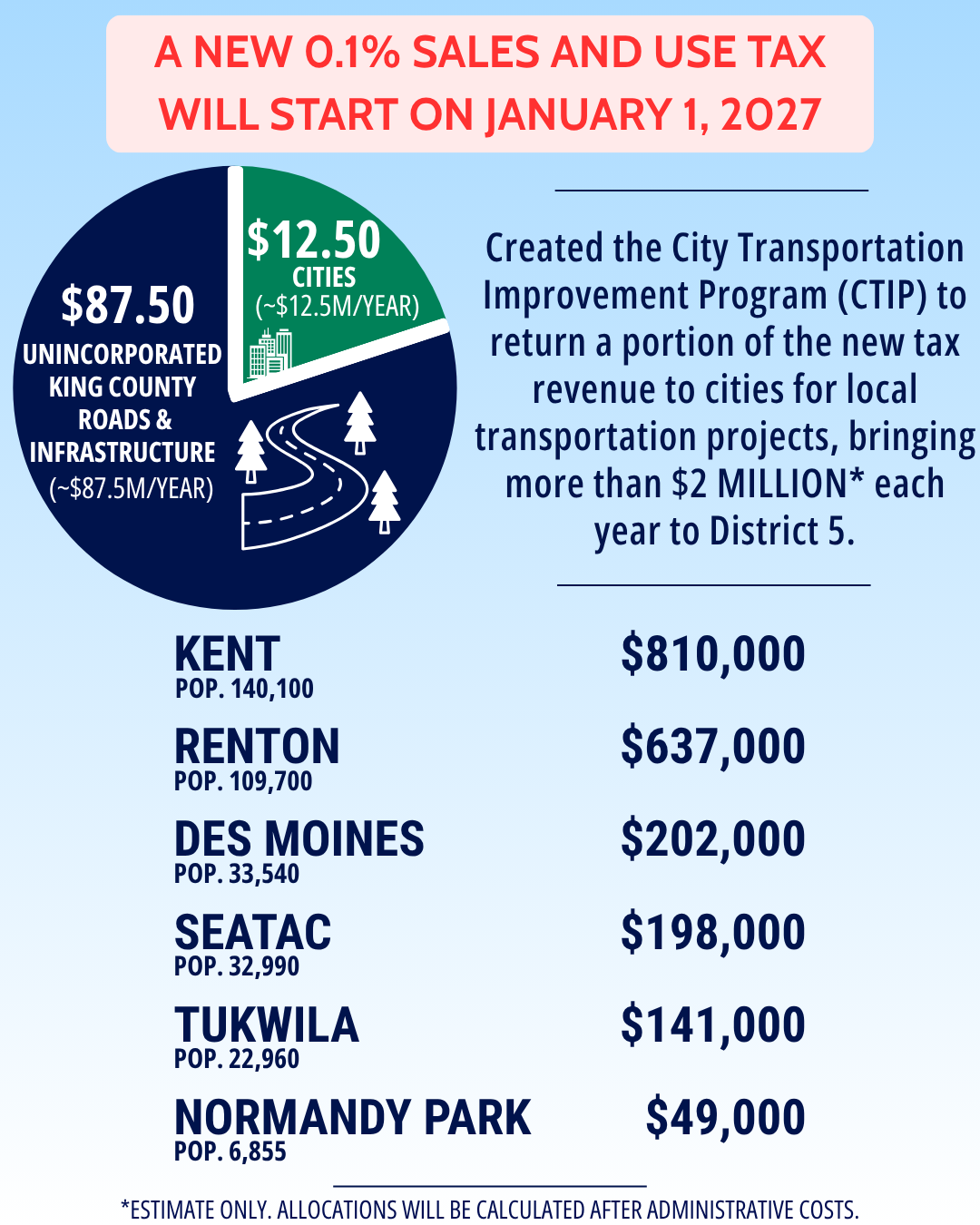
Beginning January 1, 2027, the new 0.1% sales tax (10 cents on a $100 purchase) will fund road and bridge improvements. I voted against the tax in June because of affordability concerns. However, while the tax was being considered, I authored the City Transportation Improvement Program (CTIP) to ensure that, if it passed, participating cities would receive 12.5% of the revenue remaining after administrative costs.
For District 5, that's an estimated $2 million annually for Kent, Renton, Tukwila, SeaTac, Des Moines, and Normandy Park to invest in local transportation improvements.
As part of the transition, the Council adopted my amendment establishing additional safeguards:
-
Council oversight: Program rules and a standard city agreement require Council approval before any agreements are signed.
-
Protections for cities: Cities must receive written notice and at least 60 days to resolve problems before funds are withheld.
-
Financial transparency: Administrative expenses must be tracked separately, with annual reports showing how much cities receive, how funds are spent, and the progress of local projects.
The first program rules and standard agreement are due to the Council by March 3, 2027.
Regardless of my vote on the tax itself, I want to make sure these funds are managed responsibly, cities receive their intended share, and residents can see what their tax dollars are paying for.
If you'd like additional background on the King County Transportation District, and how this tax evolved over the past several months, please see my previous newsletters here and here.
World Cup Transit Lessons for Daily Riders
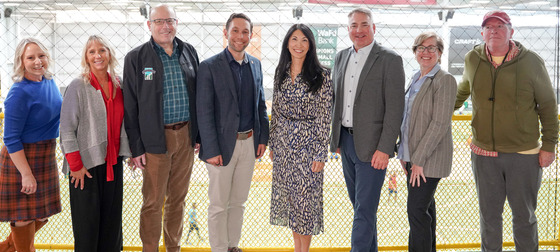
At October’s Regional Transit Committee meeting, which I chaired at Starfire Sports in Tukwila, Metro, Sound Transit, WSDOT, and Seattle DOT shared lessons from managing transportation during the six World Cup match days. The focus now is on applying those lessons to everyday service, from clearer signage and more accessible boarding to better coordination and more reliable connections. I’m asking the agencies to identify practical improvements they can make now and demonstrate how those changes benefit riders.
Learn more about Starfire, a nonprofit that expands opportunities for local kids through STEM programs, a new youth flag football league, free after-school activities, and financial assistance.
I was pleased to have so many city leaders from across King County join us for the meeting, including (L to R): Auburn Deputy Mayor Tracy Taylor-Turner, Kent Councilmember Toni Troutner, Snoqualmie Mayor James Mayhew, Renton Council President Pro Tem Ryan McIrvin, King County Councilmember Steffanie Fain, Kirkland Deputy Mayor Neal Black, Sammamish Councilmember Pam Stuart, and Des Moines Councilmember JC Harris
Youth and Family Shelter Funding: A Three-Year Tax
On October 6, the Council approved a 0.01% sales tax for children and families, including emergency shelter. That is one cent on a $100 purchase and it expires December 31, 2029.
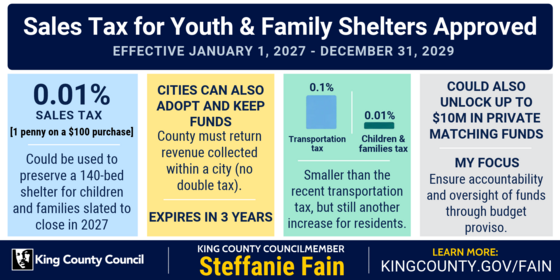
I voted yes because of four important safeguards and needs:
-
Urgent shelter needs: The funding could help preserve a 140-unit family shelter that is scheduled to close in spring 2027, as well as expand shelter access for youth.
-
Private matching funds: The Schultz Family Foundation has committed to matching up to $10 million in County funding, potentially doubling the County’s investments in youth shelter and transitional housing.
-
An expiration date: The tax ends in December 2029, giving providers time to pursue more sustainable funding.
-
Local control: Cities can adopt this tax without residents paying it twice. Des Moines and several other cities have already done so, retaining locally generated revenue under city control.
I recognize that even a small tax increase adds to the pressure facing households already struggling with affordability. That's why I'm focused on enforceable reporting requirements and a plan for how services will continue when the tax expires.
Before the vote, I secured commitments from colleagues to pursue a spending plan, public reporting on administrative costs, measurable outcomes and information on who is served and where. I also shared details about the proposed tax in my September District 5 newsletter and invited residents to provide feedback before the Council's vote.
The next step is putting those commitments into enforceable budget requirements. When residents are asked to pay more, they should be able to see where the money goes and whether it helps families find shelter.
King County's First Inspector General
On October 6, the Council appointed Stuart Robinson as King County's first Inspector General and he will start in early December. I co-sponsored the legislation creating an independent office to investigate fraud, waste and misuse of public funds. One of the first steps will be an implementation plan I required so the office has the staffing, authority and tools to do the job.
King County’s 2026-2027 Supplemental Budget
On September 24, Executive Zahilay submitted his proposed $746 million supplemental budget to the County Council, beginning our review of proposed changes to the County's existing two-year budget.
I’m one of three members of the Council’s budget workgroup. I’m asking three questions about every proposal: What does it buy? How will we know it worked? What will it cost in 2028 and beyond?
The County projects a $120 million shortfall in 2028–2029 in its General Fund, which pays for the Sheriff, courts, jails, elections and other core services. Expenses are growing faster than revenue, and some ongoing programs are running on one-time money. If we add costs now, we either cut something later or ask more of residents who are already stretched. I’m looking for spending that keeps people safe, protects the services residents rely on, and doesn’t add to the cost of living.
The Council is scheduled to vote on the 2027 Supplemental Budget on Tuesday, November 24. Upcoming meetings include:
-
Monday, November 16: Special Budget & Fiscal Management Committee Meeting, 1:30 p.m.
-
Tuesday, November 24: Full Council Meeting, 1:30 p.m.
-
Provide public comment in person at the King County Courthouse (516 Third Ave., Seattle), remotely via Zoom, or by emailing Committees@kingcounty.gov by 8 a.m. on Monday, November 16. Include "Budget and Fiscal Management" in the subject line so your comments reach all committee members and appropriate staff.
Review the Executive’s proposed budget here.
King County Flood Control District’s 2027 Budget
As the King County Flood Control District reviews its 2027 budget, I’m focused on maintaining existing levees, protecting homes and businesses, addressing known vulnerabilities, and making sure we learn from last winter's flooding.
What I'm watching for South King County:
-
Property taxes and affordability. The proposed budget maintains the current tax rate of about 9.3 cents per $1,000 of assessed value, or $47 annually on a $500,000 home.
-
Financial sustainability. Spending is projected to outpace revenue, with no dedicated emergency reserve. Last winter's repairs forced delays to other projects. Before considering higher taxes or borrowing, we need clear spending priorities and an honest assessment of the tradeoffs.
-
South King County flood protection. The six-year plan includes funding for Renton's Black River Pump Station and permanent repairs to Tukwila's Desimone levee. Yet two Tukwila projects and three Kent repairs remain delayed. I want to understand what risks remain and how communities will be protected in the meantime.
-
Local funding. District 5 cities would share approximately $858,000 for local flood and water management projects.
The King County Flood Control District Board of Supervisors is scheduled to vote on the 2027 budget on Tuesday, November 10. Find upcoming meetings here.
-
Provide public comment in person at the King County Courthouse (516 Third Ave., Seattle), remotely via Zoom, or by emailing kcc.flood@kingcounty.gov. Submit written comments by 10 a.m. for distribution to Supervisors before the meeting.
Review the proposed Flood Control Budget here.
Sound Transit's 2027 Budget
As a Sound Transit Board member, I'm reviewing the agency's proposed $3.9 billion 2027 budget, which funds transit operations and construction. The agency projects $3.3 billion in revenue, with the difference being made up from existing cash balances.
This is the first budget since the Board revised its ST3 plan in May to address a $34.5 billion funding gap. The updated plan fits within projected resources but leaves little room for rising costs. Some projects, including the Boeing Access Road Station, are funded only through design.
What I'm watching for South King County:
-
Property taxes and affordability. On October 22, the Sound Transit Board approved the annual 1% increase in the agency's total property tax levy authorized by voters. This doesn’t mean every homeowner's tax bill will increase by 1%. Individual bills depend on assessed property values and the tax rate, which can change from year to year. The estimated 2027 rate is 16.8 cents per $1,000 of assessed value, or approximately $84 annually on a $500,000 home, compared with $80 last year. I was unable to attend the October 22 meeting, but affordability remains a priority as I review this proposed budget.
-
South King County projects. I'm watching progress on the fully funded Renton Transit Center parking garage, Stride S1 bus rapid transit, and Operations and Maintenance Facility South, along with Boeing Access Road Station design, additional Sounder South service, and $10 million for North Tukwila mobility improvements. Opportunities for housing and businesses near transit stations also remain a priority.
-
More frequent bus service. Under Sound Transit’s proposed 2027 service plan, Route 560 will run every 20 minutes during weekday daytime hours and every 30 minutes on weekends between Burien and Bellevue via SeaTac and Renton. Service to West Seattle will end at Burien, where riders can connect to Metro's RapidRide H Line.
The Sound Transit Board is scheduled to vote on the 2027 budget on Thursday, November 19. Find upcoming meetings here.
-
Provide public comment in person at Union Station (401 S. Jackson St., Seattle), remotely through Zoom, or by emailing meetingcomments@soundtransit.org. Written comments received at least one hour before a meeting will be shared with Board members in advance. Virtual commenters must register through the meeting calendar.
Review the proposed Sound Transit Budget here.
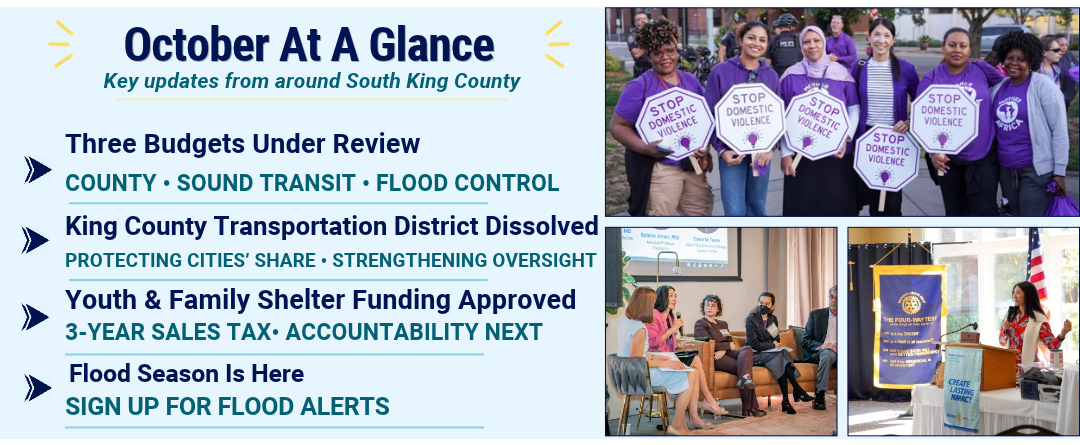
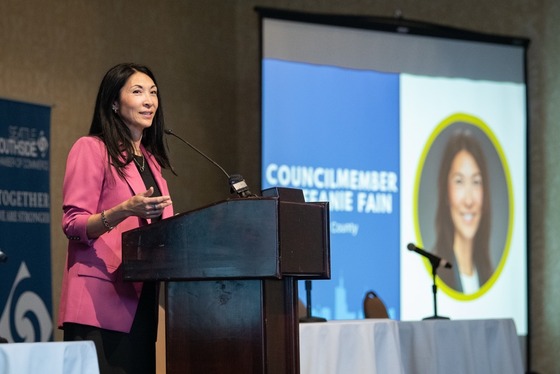
The Seattle Southside Chamber’s State of the Region brought together local business, government, and community leaders in SeaTac to discuss shared priorities for South King County, including how stronger regional coordination can better serve residents and businesses across city boundaries.
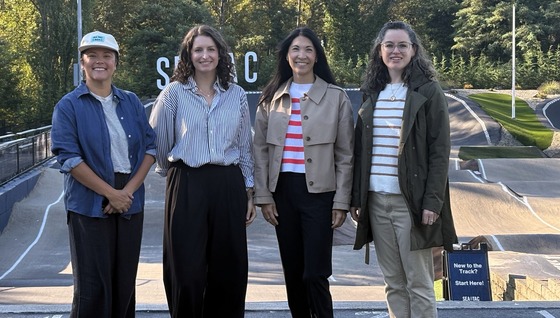
SeaTac BMX is working to expand opportunities for young riders at North SeaTac Park, highlighting the value of local recreation programs that help kids develop skills, build confidence, and connect with their community, regardless of ability to pay.
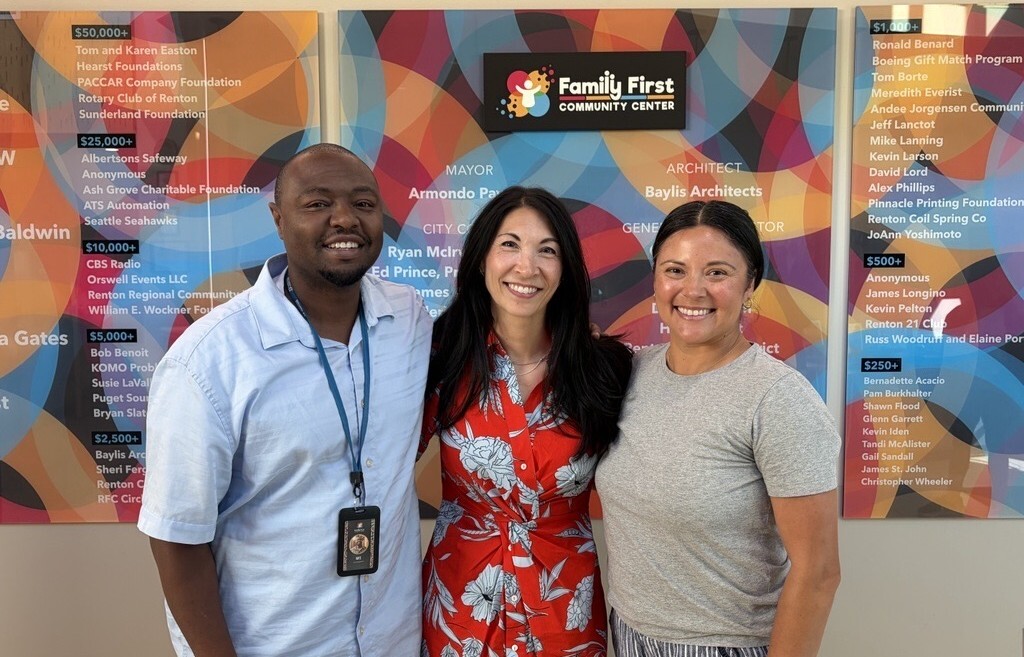
Renton’s Family First Community Center
The Family First Community Center brings recreation, education, health care, and family services under one roof, making safe, welcoming spaces easier for families and residents of all ages to access. With free membership, gym access, and nearly all classes offered at no cost, the center removes financial barriers to recreation, fitness, and community programs. Co-located with HealthPoint, Family First connects residents to healthcare, dental, and behavioral health services, while creating opportunities for different generations to build relationships and stay engaged in their community.
Thank you to Family First Community Center Executive Director Nate Robinson and former Executive Director of Resource Development Jackie Montgomery for sharing this community asset with me!
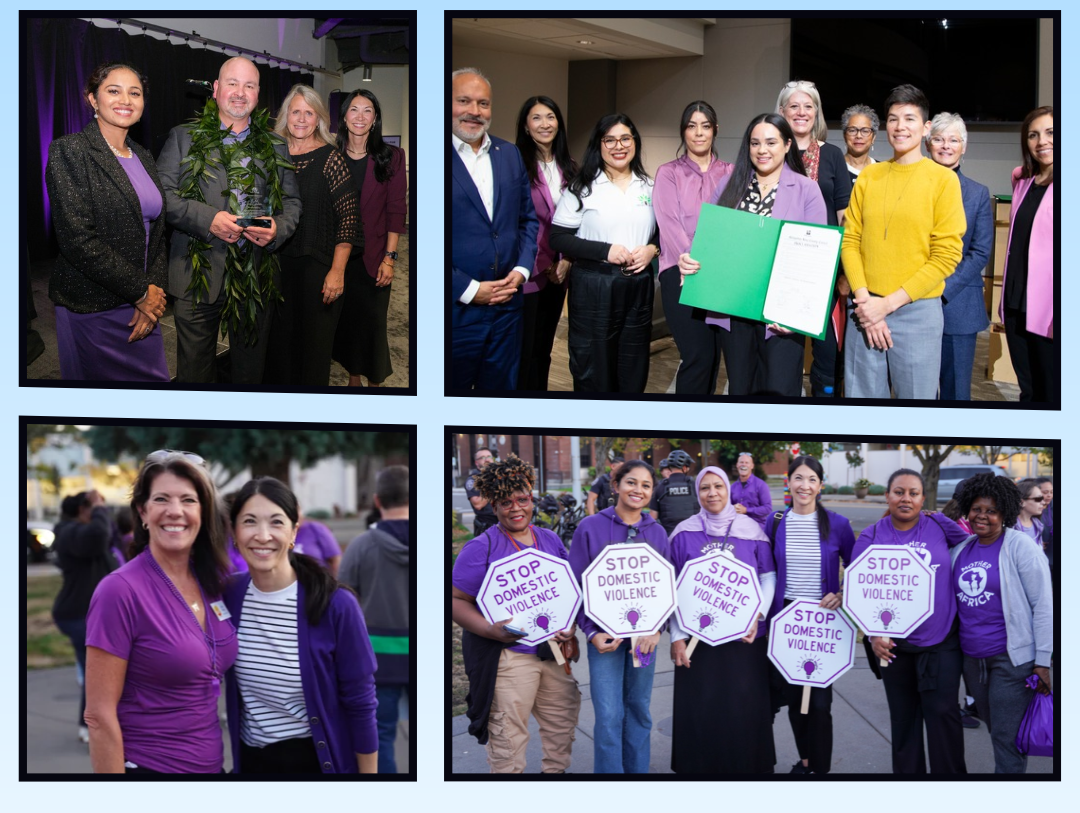
October is Domestic Violence Awareness Month
Organizations such as DAWN, Lighthouse Northwest and Project Be Free offer critical resources, shelter, advocacy and longer-term support for survivors and families seeking safety.
If you or someone you know needs help, these organizations provide support right here in our community:
-
DAWN (Domestic Abuse Women's Network): Emergency shelter, safety planning, legal advocacy, and survivor support. 24-hour support line: 425-656-7867 | https://dawnrising.org
-
Lighthouse Northwest: Transitional housing, counseling, support groups, and resources for survivors and families. 206-824-8581 | https://lighthousenw.org
-
Project Be Free: Crisis intervention, safety planning, counseling connections, legal advocacy, and youth services. 425-324-5030 (Monday–Friday, 8 a.m.–5 p.m.) | https://project-be-free.com
For confidential support anytime, contact the National Domestic Violence Hotline at 800-799-7233, text START to 88788, or visit https://thehotline.org.
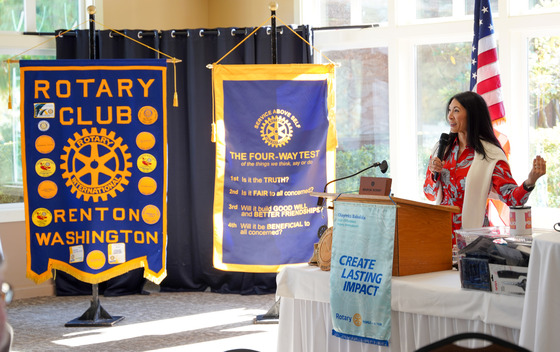
Transportation, affordability, and government accountability were key topics at a recent Renton Rotary meeting. The discussion focused on King County's priorities, responsible use of public resources, and practical solutions to challenges facing South King County communities.
Property Taxes: November 2
For property owners who pay their own taxes, the second-half payment deadline is Monday, November 2, because October 31 falls on a Saturday. Check your account and payment options with King County Treasury.
Renton Transit Changes: November 5
Metro is seeking feedback on proposed bus route changes connected to the future Renton Transit Center, expected to open in 2028. Some routes would change how they serve downtown Renton. Join Metro's virtual information session on Thursday, November 5, from 6–7 p.m. to learn more and share your feedback.
Future Garbage Disposal: Comment by November 20
King County is studying how to handle regional garbage after the Cedar Hills landfill reaches capacity. Options could affect disposal costs, environmental impacts and truck or rail traffic. Comments on the draft environmental analysis are due November 20.
Flood Season: Sign Up for Alerts
If you live or work near a flood-prone area, King County’s free flood alerts can notify you by text, phone or email when conditions change.
Please contact my office anytime. For more frequent updates, follow along on Facebook and Instagram.
|