Last week, the King County Council passed a new .01% sales tax to fund shelter and services for youth and families experiencing homelessness. This funding is intended to fill a critical current shortage of shelter beds, meaning too many young people and their families have no safe place to live. I voted yes. I have heard from constituents who support the tax and from constituents who don’t. I understand both positions.
This funding is intended to fill a critical current shortage of shelter beds, meaning too many young people and families have no safe place to sleep. Funding essential, life-saving services and being mindful of the burden new taxes place on families already struggling with affordability is a delicate balancing act.
I believe that this tax is structured sensibly. It is a very small amount compared to our other levies (it will cost the average taxpayer $4 per year) with proceeds filling specific and urgent gaps in services for young people and families with children. I was pleased to advocate for and support an amendment that means this tax will sunset in three years. That will give us time to evaluate how we are using revenue and consider opportunities to fund these services using existing taxes rather than relying on this new sales tax for the long term.
In short, I took this vote to ensure we are serving our most vulnerable neighbors and doing everything we can to make life more affordable for everyone. As always, I welcome your feedback.
 Image: Week Without Driving
driving wasn’t an option? Last week was Week Without Driving, an annual opportunity for elected officials, community members, and business leaders to get a better understanding of the mobility barriers nondrivers experience. It invites everyone to reduce or eliminate driving for a week to see what it is like to get around your community using walking/rolling, transit, biking, rideshare, and carpool options instead of driving.
There are a lot of reasons people can’t or don’t drive—in fact, a third of the United States population are nondrivers. Many disabled people cannot drive, people often can’t afford the costs of owning a car, and lots of people are either too young to drive or have aged out of driving.
I have taken the opportunity to participate over the last several years and learn something new every time. This year, after recently breaking my foot, I have limited physical mobility and have experienced several months without driving, and without being able to walk on both feet. It's given me a glimpse into what it is like to navigate our transportation system with a permanent or temporary disability. (Spoiler alert: We can do better and I am sharing my observations with our transit agencies to make things better.)
While I wouldn’t recommend breaking your foot, I would absolutely recommend trying out a Week Without Driving to gain a better understanding of how we can improve our transportation systems for everyone.
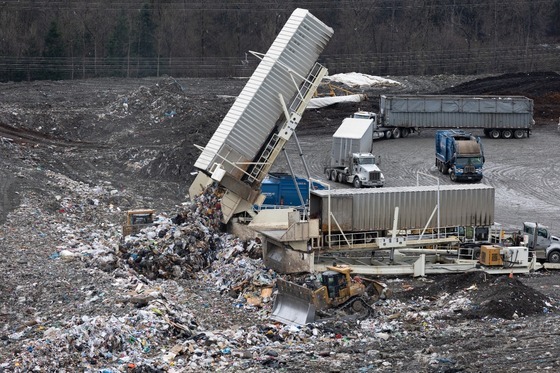 Image: Solid Waste Division
King County’s only regional landfill is going to be full soon and will need to close. We are looking at new options for where to dispose of our garbage next. There are three possible options:
- Send garbage by train to another other landfill in southern Washington or northern Oregon
- Dispose of garbage in a waste-to-energy facility using mass burn technology (WTE-MB) and send the ash by train to another landfill
- A mix of both options with about half of the garbage sent to the local WTE-MB facility and half of the garbage, as well as the ash created from the WTE-MB, sent by train to other landfills
Each of these options comes with opportunities and challenges. King County wants to hear how they might impact you. Comments are accepted by mail, at one of the upcoming public meetings, by email, or online.
|