|
|
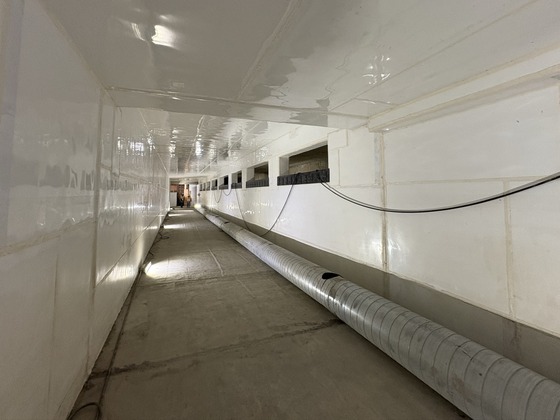
A look inside a passive weir channel.
Construction continues across West Point Treatment Plant as we work on improving worker safety and treatment system reliability. Here are some project highlights:
The passive weir project is complete! The passive weir keeps our pipes at West Point Treatment Plant from overfilling during heavy storms. It reroutes extra wastewater out of the plant through an emergency bypass tunnel. An emergency bypass happens only after every other option fails. This helps protect the plant and our staff from flooding. It also still allows the plant to continue treating as much wastewater as possible.
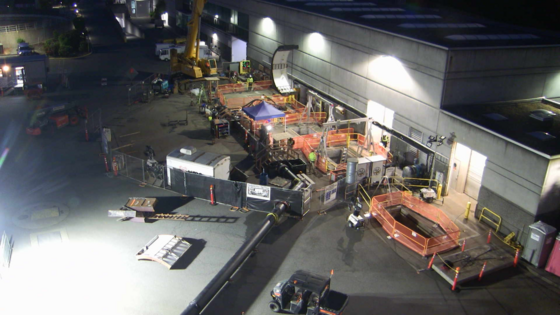
Crews are also working to replace the effluent pump station (EPS) isolation gates. EPS pumps push clean, fully treated wastewater out into Puget Sound. These gates allow staff to close and shut down an EPS pump when they need to repair it. Closing the gate allows staff to safely work on equipment while the system continues to run. This approach helps avoid shutdowns, lowers maintenance costs, and improves safety.
Crews work overnight on the EPS gate replacement.
|
|
|
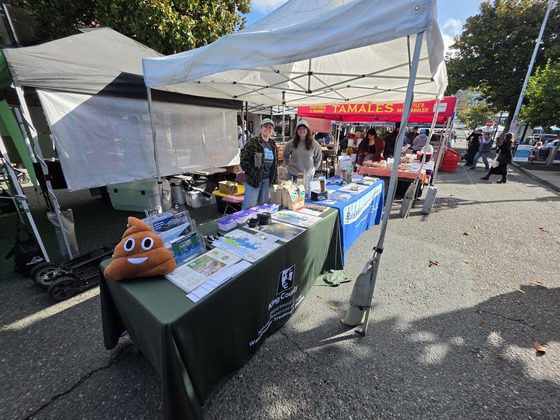
King County RainWise staff showing off theirs and West Point’s outreach tables.
West Point staff attended the Magnolia Farmers Market along with King County RainWise staff on Saturday, September 26. Staff provided community members general education and history of the West Point Treatment Plant and the Wastewater Treatment Division. Staff also highlighted the large number of construction projects taking place at West Point to ensure it continues to protect public health and the environment for decades to come.
|
|
RainWise staff will be holding an information session on October 8, from 6:00 to 7:30 pm.
RainWise rebates cover up to 100% of the cost of installing rain gardens and cisterns on eligible properties. Rain gardens and cisterns help protect Seattle’s waterways by keeping stormwater out of the sewer system. This reduces combined sewer overflows and the amount of wastewater sent to West Point.
-
The stormwater pollution problem.
-
How rain gardens and cisterns help reduce it.
-
How to get a RainWise project on your property with the help of a RainWise contractor.
RainWise is a partnership program of King County WTD and Seattle Public Utilities.
|
|
|
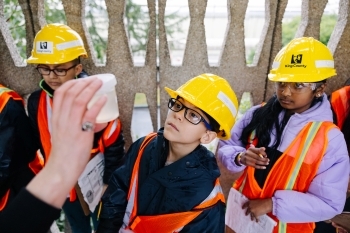
Elementary school students in hardhats are looking at a wastewater sample.
WTD is developing an Americans with Disabilities Act (ADA) Transition Plan. As we create it, we are asking for input. This survey asks about accessibility of our products, programs, services, and spaces. We will use the information shared to identify and prioritize steps to increase accessibility for everyone.
People of all abilities are welcome to take the survey. You do not have to identify as having a disability to provide a response. We want to hear from people with disabilities. We also want to hear from the family, friends, and caregivers for people with disabilities. Many people experience barriers to access, and accessibility improvements benefit everyone. We welcome everyone who has experienced our programs, services, and spaces to take the survey!
Survey closes September 30, 2026.
|
|
|
This year marks 20 years of helping the community experience salmon returning to local rivers and streams. Chinook, coho, and more salmon are already making their way home. Fall is the perfect time to see them! You can explore self-guided viewing spots or visit the Ballard Locks during peak runs. Visit the Salmon SEEson website to learn how local habitat restoration is helping to conserve salmon.
|
|
|
|