Following a forensic evaluation report of the King County Regional Homelessness Authority (KCRHA) that found significant financial and operational failures within the agency, including an inability to account for more than $13 million in public funds, a ‘Corrective Action Report’ was submitted by the KCRHA last week.
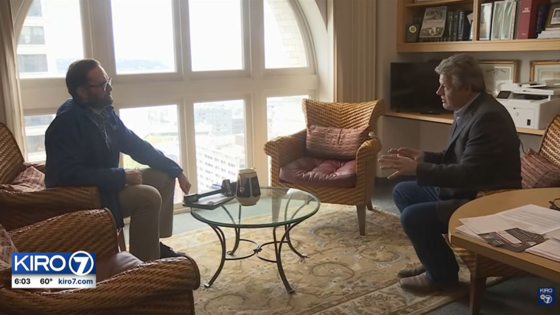
I was grateful to have the opportunity to sit down with KIRO 7 on Tuesday to discuss this important topic. While I appreciate that public concerns are receiving a response, I fear rearranging the chairs on the Titanic will not be enough to save a ship taking on water. I have stated for years, and continue to believe, that it is time for King County to withdraw completely from the KCRHA.
Watch my interview with KIRO 7 below.
Councilmember Reagan Dunn sits for an interview with KIRO 7.
Unfortunately, the Corrective Action Report spends significant space discussing the risks of dissolving KCRHA—a corrective action plan should be about fixing problems, not lobbying for institutional survival.
As I have said before, and it bears repeating, taxpayers and individuals experiencing homelessness deserve a system that spends public dollars effectively, provides meaningful access to services for those in need, and can be held accountable. The taxpayer dollars King County provides to the KCRHA would be better spent and managed in-house by the county.

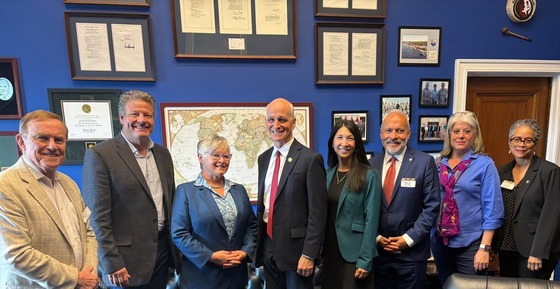
Councilmember Reagan Dunn touring flood construction work.
Following the federal government’s Major Disaster Declaration, which came after an official request by Governor Ferguson in coordination with many local stakeholders and elected leaders, Washingtonians affected by December’s historic flooding can apply for federal assistance before Wednesday, June 10.
There are three types of federal assistance available to individuals: FEMA Individual Assistance, Disaster Unemployment Assistance, and low-interest loans for individuals and businesses from the Small Business Administration.
FEMA Individual Assistance
So far, FEMA has distributed $6.5 million in Individual Assistance to 715 households.
Individual Assistance funding can help with expenses that insurance does not cover, such as temporary housing or displacement assistance, home repair costs, personal property loss, and other disaster-caused expenses. These are not loans. Washingtonians do not have to pay that money back.
To apply, Washingtonians can:
- Visit DisasterAssistance.gov and apply online;
- Call 800-621-3362;
- Or, visit a Disaster Assistance Center — locations and schedules on DisasterAssistance.gov.
Disaster Unemployment Assistance
The federal Major Disaster Declaration also unlocked Disaster Unemployment Assistance. This is for people who lost their job, temporarily or permanently, because of the disaster, but did not qualify for regular unemployment.
This includes small business owners, people who don’t have enough hours in their base year to qualify for regular unemployment, or people who work in a field not covered by unemployment law, such as real estate agents.
For more information, and to apply, visit ESD.wa.gov or call 855-952-9988.
Small Business Administration loans
The Small Business Administration offers low-interest Disaster Assistance Loans to homeowners, renters, business owners and non-profits.
SBA loans can be used for losses not covered by insurance or FEMA funding, for both individuals and businesses. These loans can cover physical damage to your home or business, as well as economic injuries to businesses to help cover costs and expenses the business would have been able to handle if the disaster did not happen.
To learn more, or apply, visit SBA.gov.
|